In today’s fast-paced world, a polished appearance can make a powerful statement. Whether you’re heading to work, meeting friends, or just running errands, mastering an effortless everyday makeup routine can help you look and feel your best. This article will guide you through simple steps to achieve a polished look that enhances your natural beauty.
II. Preparing Your Canvas
Before applying makeup, it’s crucial to start with a clean and moisturized face. Use a gentle cleanser to remove any dirt or impurities, then apply a lightweight moisturizer to hydrate your skin. This will create a smooth base for your makeup and help it last longer throughout the day.
III. Even Out Your Skin Tone
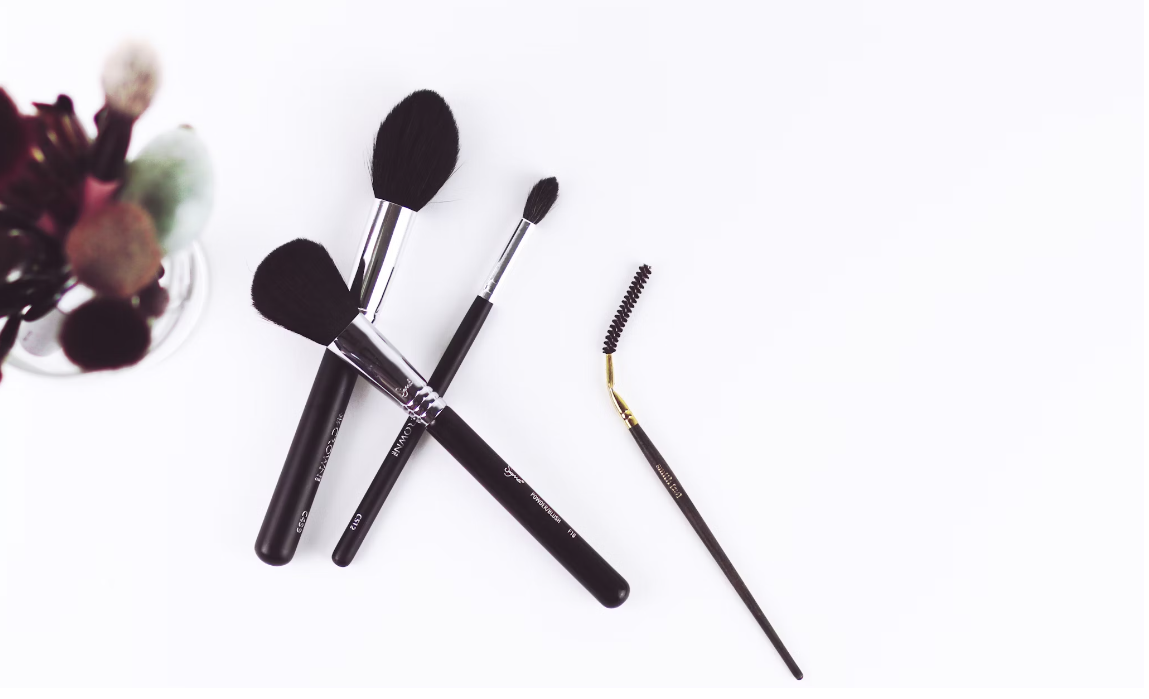
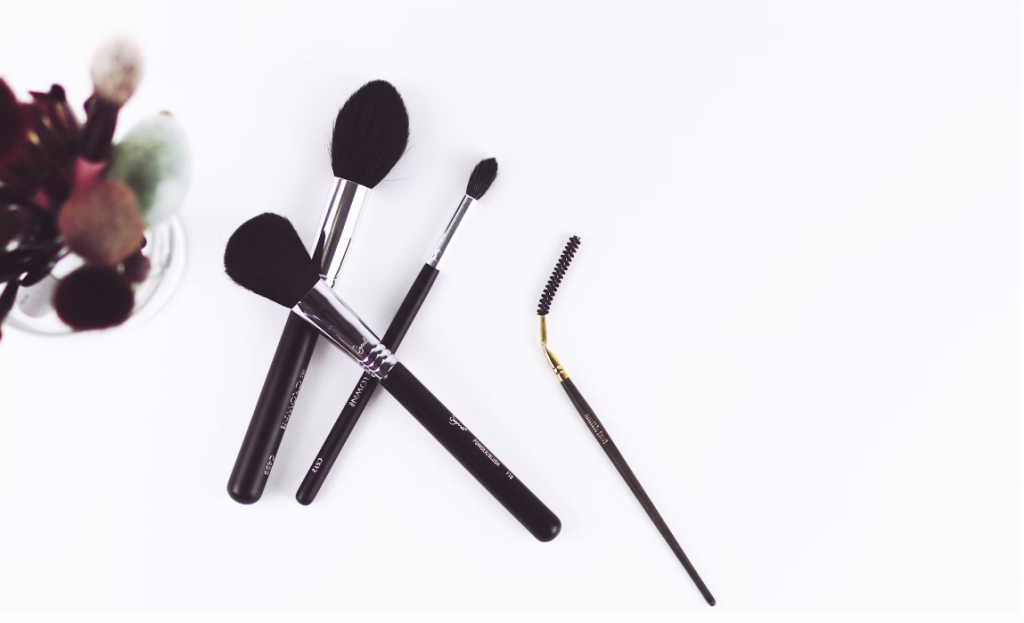
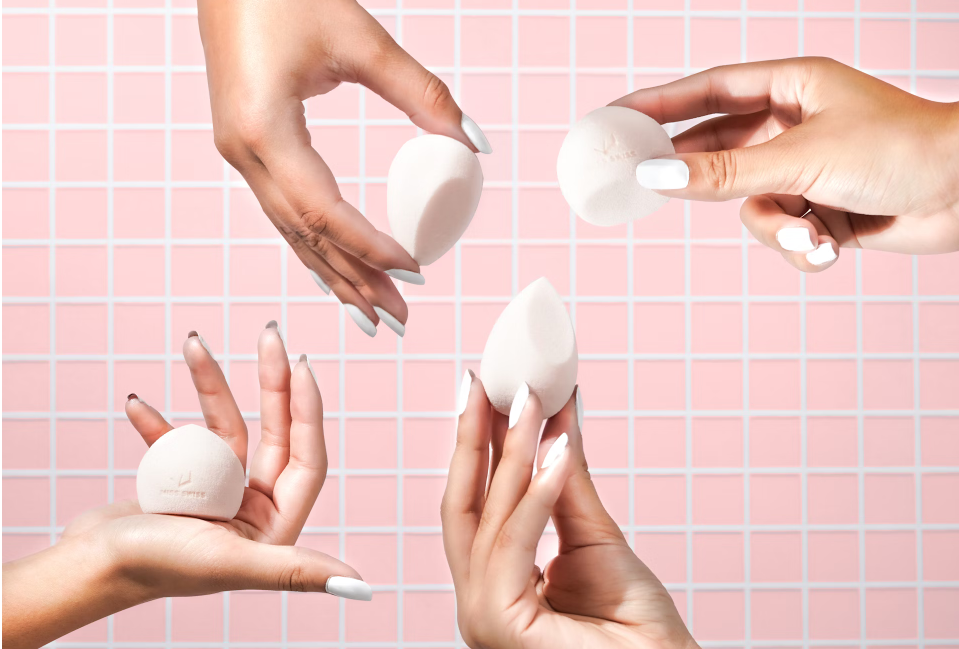
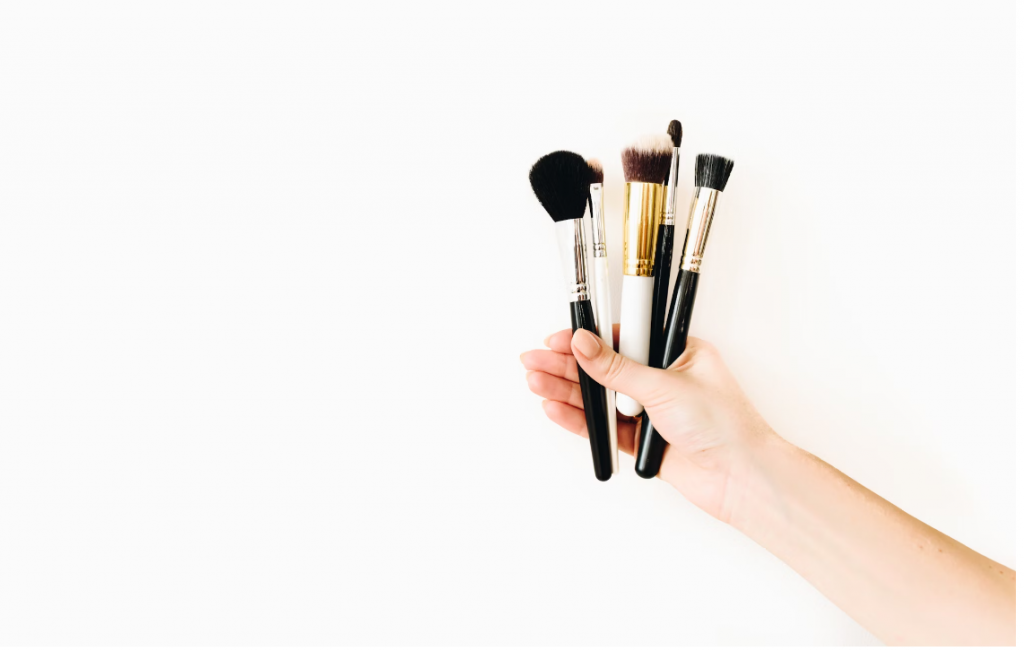
To create a flawless complexion, start by applying a light layer of foundation or tinted moisturizer. Choose a shade that matches your skin tone to avoid a mask-like effect. Use a beauty sponge or foundation brush to blend the product evenly, focusing on areas that need extra coverage, such as redness or blemishes.
IV. Brighten Your Eyes
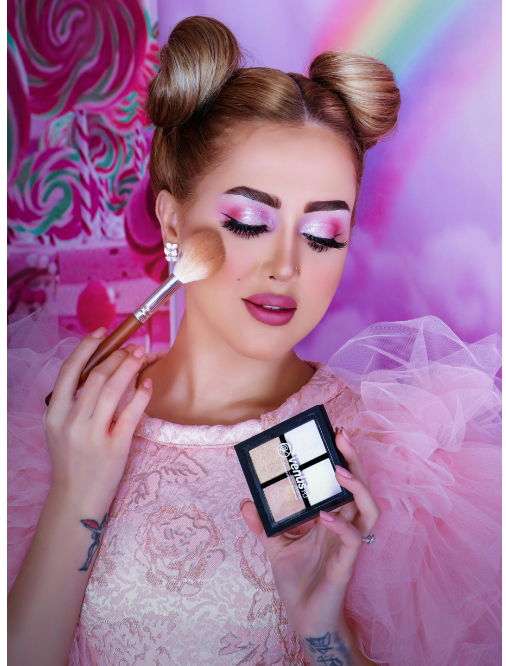
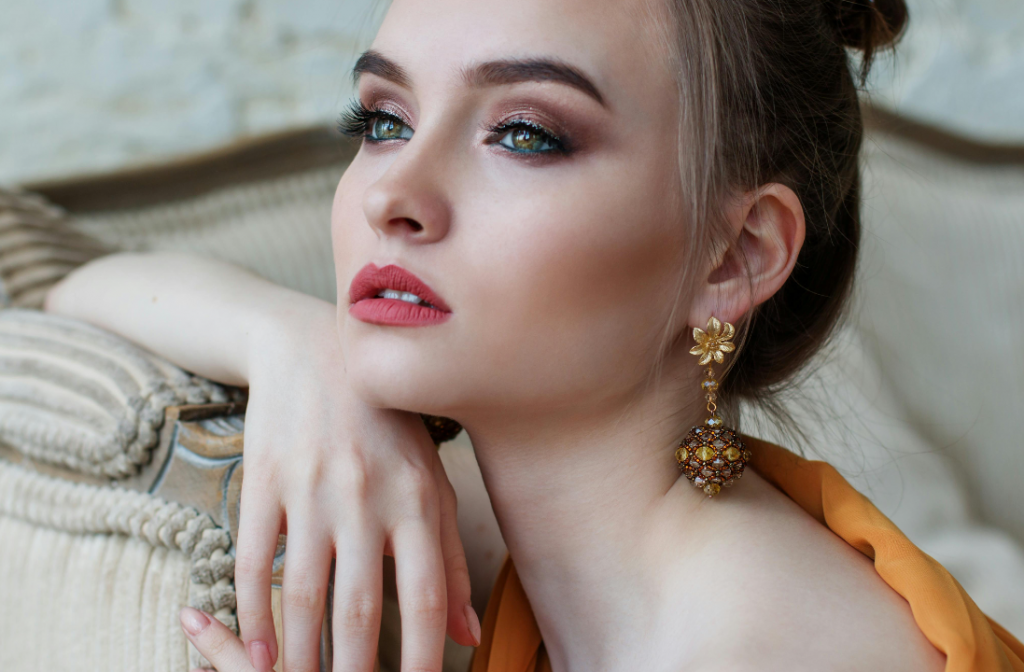
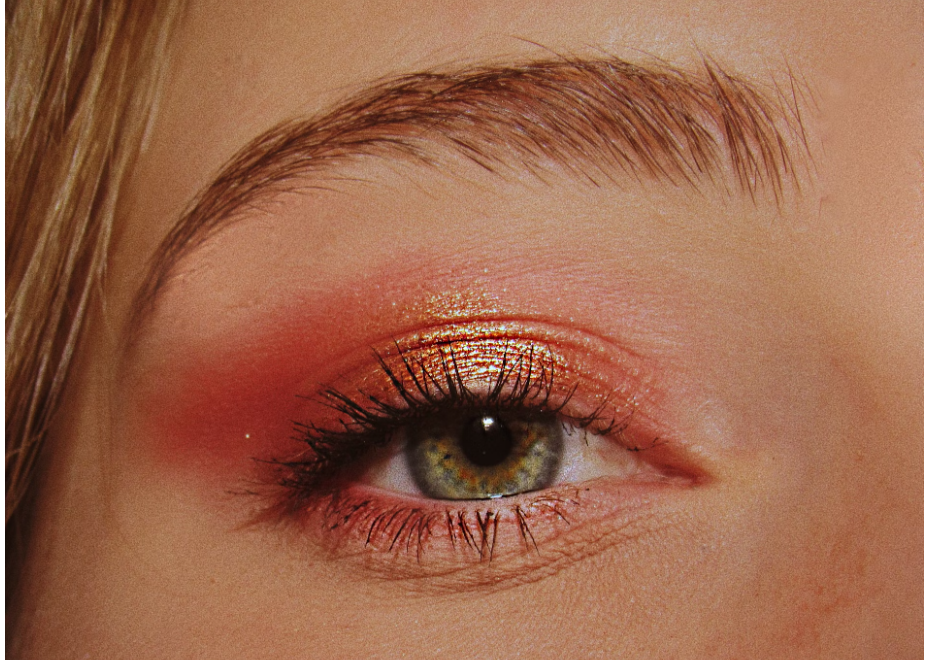
Eyes are the windows to the soul, so it’s essential to make them pop. Start by applying a neutral eyeshadow shade to your eyelids, then add a slightly darker shade to the crease for depth. Next, apply a coat of mascara to lengthen and define your lashes. For an extra touch, use a white or nude eyeliner on your waterline to make your eyes appear larger and more awake.
V. Define Your Brows
Well-groomed brows can frame your face and enhance your features. Use a brow pencil or powder to fill in any sparse areas, then brush your brows upward for a natural look. Finish by setting them in place with a clear brow gel to keep them looking polished all day.
Makeup and beauty trends have long been an integral part of human culture, serving as a means of self-expression, cultural identity, and enhancement of physical appearance. In today’s fast-paced world, where trends evolve rapidly, it’s essential to understand the dynamics shaping the world of beauty. This article delves into the intricate realm of makeup and beauty trends, exploring their historical evolution, modern manifestations, cultural influences, and future outlook.
Historical Evolution of Makeup Trends
Throughout history, makeup trends have undergone significant transformations, reflecting the societal norms and cultural values of different eras. From the ancient civilizations of Egypt and Mesopotamia, where cosmetics were used for religious rituals and adornment, to the opulent beauty standards of the Renaissance and Victorian era, makeup has always played a pivotal role in defining beauty ideals.
In the 20th century, with the advent of film, photography, and mass media, makeup trends became more accessible and influential. Iconic figures like Marilyn Monroe and Audrey Hepburn popularized classic beauty looks, while the punk movement of the 1970s introduced edgier and unconventional styles.
Modern Makeup Trends
In today’s digital age, makeup trends are heavily influenced by social media platforms, where beauty influencers wield significant power in shaping consumer preferences. From flawless contouring and bold lip colors to glittery eyeshadow and faux freckles, social media has democratized beauty, allowing individuals to experiment with diverse styles and techniques.
Moreover, advancements in technology have revolutionized the beauty industry, with the introduction of innovative products such as airbrush makeup, magnetic lashes, and augmented reality beauty filters. These technological advancements have not only enhanced the efficacy of makeup application but also expanded the possibilities for creative expression.
Popular Makeup Styles
The diversity of makeup styles caters to a wide range of preferences and occasions. While natural makeup emphasizes enhancing one’s features with subtle hues and lightweight formulas, glamorous makeup exudes sophistication and allure, often characterized by bold colors and intricate detailing. On the other hand, edgy and avant-garde styles push the boundaries of conventional beauty, incorporating unconventional textures, shapes, and color combinations.
Key Elements of Makeup Trends
The evolution of makeup trends is shaped by various factors, including color palettes, application techniques, and product innovation. From the timeless appeal of nude tones to the bold experimentation with neon hues, color palettes play a crucial role in defining the mood and aesthetic of makeup trends. Additionally, advancements in makeup application techniques, such as contouring, strobing, and cut crease, have revolutionized the way we sculpt and enhance facial features.
Furthermore, the beauty industry is constantly innovating with new formulations and delivery systems, offering consumers a plethora of options ranging from lightweight BB creams to long-lasting liquid lipsticks. These advancements not only enhance the performance and longevity of makeup products but also cater to diverse skin types and preferences.
Beauty Trends Beyond Makeup
While makeup trends often steal the spotlight, beauty encompasses a broader spectrum of practices, including skincare, haircare, and wellness routines. In recent years, there has been a growing emphasis on skincare as the foundation of beauty, with consumers prioritizing preventive measures and investing in high-quality skincare products.
Similarly, haircare trends have evolved to embrace individuality and diversity, with an emphasis on natural textures and styles. From embracing curly hair to experimenting with vibrant hair colors, individuals are empowered to express themselves authentically through their hair.
Moreover, the concept of beauty has expanded to encompass holistic wellness practices, such as mindfulness, self-care, and body positivity. These holistic approaches recognize the interconnectedness of physical, emotional, and mental well-being, promoting a more inclusive and sustainable approach to beauty.
Cultural Influences on Makeup and Beauty Trends
Beauty trends are not static but are influenced by cultural exchange and globalization. With the proliferation of social media and digital platforms, beauty trends transcend geographical boundaries, allowing for the cross-pollination of ideas and aesthetics. From K-beauty’s emphasis on skincare rituals to J-beauty’s minimalist approach to makeup, cultural influences play a significant role in shaping global beauty trends.
Furthermore, regional beauty standards and practices continue to influence local beauty trends, with each culture celebrating unique features and aesthetics. While Western beauty standards have traditionally emphasized symmetry and flawless complexion, non-Western cultures embrace a more diverse range of beauty ideals, celebrating features such as dark skin, almond-shaped eyes, and full lips.
Sustainability and Ethical Practices in Beauty
In recent years, there has been a growing awareness of the environmental and ethical implications of beauty consumption. As consumers become more conscious of their ecological footprint, there is a rising demand for sustainable and ethical beauty products.
From eco-friendly packaging made from recycled materials to cruelty-free and vegan formulations, beauty brands are increasingly adopting sustainable practices to minimize their impact on the planet. Moreover, ethical sourcing of ingredients ensures that communities are not exploited in the production process, promoting fair labor practices and social responsibility.
Challenges and Criticisms of Beauty Trends
Despite the positive strides made in the beauty industry, there are inherent challenges and criticisms associated with beauty trends. One of the primary concerns is the perpetuation of unrealistic beauty standards, fueled by airbrushed images and digital manipulation.
Moreover, the rampant consumerism and overconsumption of beauty products contribute to environmental degradation and waste generation. The beauty industry also faces scrutiny for its lack of diversity and inclusivity, with limited representation of marginalized communities in mainstream media and advertising campaigns.
Future Outlook of Makeup and Beauty Trends
Looking ahead, the future of makeup and beauty trends is characterized by a shift towards individuality, inclusivity, and sustainability. As consumers seek authenticity and personalization, there is a growing demand for products and services that cater to diverse skin tones, textures, and identities.
Moreover, technology will continue to play a pivotal role in shaping the beauty landscape, with advancements in augmented reality, artificial intelligence, and biotechnology driving innovation and personalization. From customizable skincare regimens to virtual makeup try-on experiences, technology offers new avenues for consumer engagement and empowerment.
Furthermore, the emphasis on sustainability and ethical practices will drive industry-wide initiatives to reduce waste, promote transparency, and foster social responsibility. By embracing diversity and sustainability, the beauty industry can redefine beauty standards and empower individuals to embrace their unique identities confidently.
Impact of COVID-19 on Makeup and Beauty Trends
The COVID-19 pandemic has profoundly impacted the beauty industry, prompting shifts in consumer behavior and preferences. With social distancing measures and remote work becoming the new norm, there has been a surge in skincare-focused routines as individuals prioritize self-care and wellness.
Furthermore, the closure of brick-and-mortar stores has accelerated the adoption of e-commerce and digital platforms for beauty shopping. Virtual makeup consultations and tutorials have become increasingly popular, allowing consumers to experiment with new looks from the comfort of their homes.
Moreover, the pandemic has prompted a reevaluation of beauty ideals, with a growing emphasis on natural and minimalistic looks that prioritize skin health and authenticity. As individuals adapt to the new normal, makeup and beauty trends will continue to evolve, reflecting the changing needs and priorities of consumers.
Conclusion
In conclusion, makeup and beauty trends are not merely about aesthetics but are reflective of societal values, cultural influences, and individual expression. From ancient rituals to modern innovations, the art of makeup continues to evolve, offering endless possibilities for creativity and self-expression. By embracing diversity, sustainability, and inclusivity, the beauty industry can inspire confidence and empower individuals to celebrate their unique beauty.
FAQs After The Conclusion:
What are some popular makeup trends in 2024?
The popular makeup trends in 2024 include natural makeup looks, bold lip colors, and graphic eyeliner styles.
How has social media influenced beauty trends?
Social media platforms have democratized beauty, allowing influencers and users to share makeup tutorials, product reviews, and inspirational looks, shaping consumer preferences and trends.
What are some sustainable practices in the beauty industry?
Sustainable practices in the beauty industry include eco-friendly packaging, cruelty-free formulations, and ethical sourcing of ingredients.
How has the COVID-19 pandemic affected beauty shopping habits?
The COVID-19 pandemic has led to an increase in online beauty shopping, with consumers embracing e-commerce platforms and virtual consultations for skincare and makeup products.
The art of crafting one’s own jewelry has transcended mere hobbyism to become a thriving community of artisans and enthusiasts. From novice creators to seasoned crafters, DIY jewelry offers a platform for personal expression, creativity, and the satisfaction of wearing or gifting unique pieces. In this article, we delve into the world of DIY jewelry, exploring its benefits, techniques, design inspiration, safety precautions, and more.
Introduction to DIY Jewelry
In recent years, DIY jewelry has gained significant traction, thanks to its ability to provide individuals with personalized accessories that reflect their unique tastes and personalities. This burgeoning trend has not only democratized the jewelry-making process but has also fostered a sense of empowerment and self-expression among its practitioners.
Benefits of DIY Jewelry
One of the primary attractions of DIY jewelry is its inherent ability to offer unparalleled personalization. Unlike mass-produced accessories, DIY jewelry allows individuals to imbue their creations with personal stories, sentiments, and symbols, making each piece truly one-of-a-kind. Additionally, DIY jewelry is often more cost-effective than its store-bought counterparts, as crafters have the flexibility to select materials that align with their budget without compromising on quality.
Essential Tools and Materials
To embark on a DIY jewelry-making journey, one must first equip themselves with the necessary tools and materials. Basic supplies include beads, wires, findings, pliers, and cutters, while optional embellishments such as charms and pendants can be added to enhance the aesthetic appeal of the final piece.
Basic Techniques for Beginners
For beginners, mastering fundamental techniques such as stringing beads, making simple wire loops, and attaching clasps and closures is essential. These techniques serve as the building blocks for more intricate designs and pave the way for creative exploration.
Advanced Techniques for Experienced Crafters
Experienced crafters can challenge themselves by exploring advanced techniques such as wire wrapping and coiling, bead weaving and embroidery, and metal stamping and etching. These techniques allow for greater artistic expression and enable artisans to push the boundaries of traditional jewelry-making.
Inspiration and Design Tips
Drawing inspiration from various sources such as nature, culture, and personal experiences can ignite the creative spark and lead to the creation of truly unique designs. Experimenting with color palettes, textures, and symbolism adds depth and meaning to the jewelry-making process, resulting in pieces that resonate on a profound level with both the creator and the wearer.
Safety Precautions and Best Practices
While DIY jewelry-making can be a fulfilling and enjoyable pursuit, it’s essential to prioritize safety at all times. Handling sharp tools and materials with care, choosing hypoallergenic components, and practicing proper storage and organization are crucial aspects of ensuring a safe and enjoyable crafting experience.
Marketing and Selling DIY Jewelry
For those looking to turn their passion for DIY jewelry into a profitable venture, establishing an online presence, implementing effective pricing strategies, and focusing on customer engagement are key to success. Building a loyal customer base and fostering meaningful connections within the crafting community can help artisans stand out in a crowded market.
Community and Collaboration
Participating in crafting forums, attending local craft fairs, and collaborating with other artisans are excellent ways to expand one’s network, share knowledge, and gain inspiration. The sense of camaraderie and support within the DIY jewelry community fosters growth and creativity, enriching the crafting experience for all involved.
Environmental and Ethical Considerations
In an increasingly conscious world, ethical sourcing and sustainability have become paramount considerations for DIY jewelry makers. By opting for sustainable materials, minimizing waste, and supporting fair trade practices, artisans can create jewelry that not only looks good but also does good for the planet and its inhabitants.
Challenges and Solutions
Like any creative pursuit, DIY jewelry-making comes with its own set of challenges, from overcoming creative blocks to navigating market competition. By embracing challenges as opportunities for growth, staying adaptable, and finding a balance between passion and profitability, artisans can overcome obstacles and thrive in the ever-evolving landscape of DIY jewelry.
Conclusion
In conclusion, DIY jewelry offers a gateway to self-expression, creativity, and personal empowerment. Whether you’re a novice crafter looking to explore your artistic side or an experienced artisan seeking new challenges, the world of DIY jewelry beckons with endless possibilities. Embrace the journey, unleash your creativity, and adorn yourself with pieces that reflect the essence of who you are.
FAQs After The Conclusion:
Is DIY jewelry-making suitable for beginners?Absolutely! DIY jewelry-making is accessible to crafters of all skill levels, with plenty of beginner-friendly tutorials and resources available online.
How can I find inspiration for my DIY jewelry designs?Inspiration can be found everywhere, from nature and art to personal experiences and cultural influences. Keep an open mind and let your creativity flow!
Are DIY jewelry materials expensive?DIY jewelry materials come in a wide range of prices, allowing crafters to select options that fit their budget. With careful planning and resourcefulness, you can create beautiful pieces without breaking the bank.
Can I sell my DIY jewelry online?Absolutely! Many artisans sell their creations through online platforms such as Etsy, eBay, and social media channels. Just be sure to familiarize yourself with legal and tax requirements before diving into the world of online selling.
Gemstones have held significant symbolism in jewelry throughout history, transcending mere adornment to convey deeper meanings and messages. From ancient civilizations to modern fashion trends, gemstones have symbolized virtues, emotions, and cultural beliefs. Understanding the symbolism behind gemstones enriches the experience of wearing and gifting jewelry, adding depth and personal significance to each piece.
Introduction
Gemstones have adorned jewelry for centuries, serving as more than just decorative elements. They carry symbolic meanings that resonate with wearers, making them cherished heirlooms and timeless expressions of emotion and culture.
Historical Significance
Throughout history, gemstones have been revered for their beauty and believed to possess mystical properties. Ancient cultures imbued gemstones with meanings related to love, protection, and prosperity, shaping the symbolism we associate with them today.
Types of Gemstones
Gemstones come in a myriad of colors and properties, each carrying its own significance. From the fiery brilliance of diamonds to the rich hues of rubies and sapphires, gemstones offer a diverse palette of symbolism for jewelry designers to work with.
Popular Gemstone Meanings
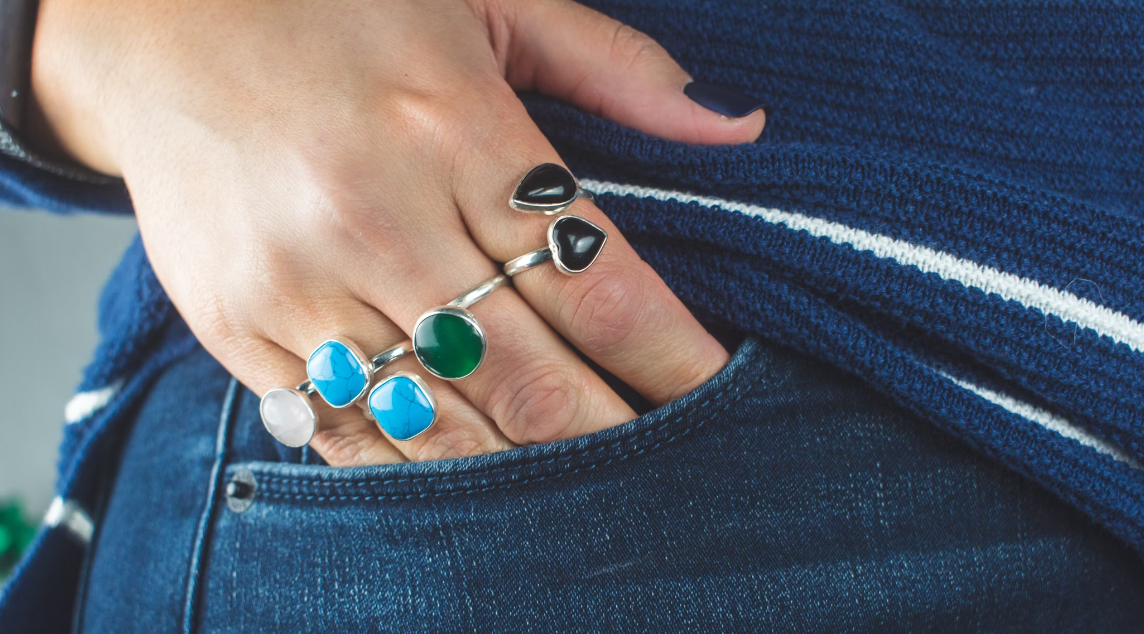
Certain gemstones have enduring meanings that have stood the test of time. Diamonds symbolize purity and eternal love, while rubies embody passion and vitality. Sapphires represent wisdom and royalty, while emeralds evoke thoughts of rebirth and fertility. Pearls, with their lustrous beauty, symbolize purity and innocence.
Cultural Influences
Gemstone symbolism varies across cultures, with each society attributing unique meanings to different stones. Eastern cultures often have different interpretations than Western cultures, leading to a rich tapestry of symbolic associations for gemstones.
Personalized Jewelry
The trend of personalized jewelry has surged in recent years, with many opting to incorporate birthstones into their pieces. Birthstones hold special significance based on one’s birth month, serving as personal talismans that reflect individuality and connection to one’s roots.
Fashion and Trends
Gemstone trends in jewelry are often influenced by celebrities, fashion icons, and cultural movements. From statement pieces to minimalist designs, gemstone jewelry reflects the ever-changing tastes and preferences of consumers.
Healing Properties
Beyond their aesthetic appeal, some believe that gemstones possess healing properties. Crystals such as amethyst and quartz are used in alternative therapies for their purported ability to promote physical, emotional, and spiritual well-being.
Choosing Gemstones
When selecting gemstones for jewelry, it’s essential to consider not only their aesthetic appeal but also their symbolic significance. Whether choosing a gemstone for its color or its meaning, each stone should resonate with the wearer on a personal level.
Symbolism in Custom Jewelry
Custom jewelry allows individuals to create pieces that reflect their unique stories and personalities. By incorporating symbolic gemstones into custom designs, wearers can imbue their jewelry with personal meaning and significance.
Investment Value
In addition to their symbolic and aesthetic appeal, gemstones can also serve as valuable investment assets. Factors such as rarity, quality, and market demand influence the value of gemstone jewelry, making it an attractive option for investors and collectors alike.
Conclusion
The symbolism of gemstones in jewelry transcends mere fashion trends, offering wearers a deeper connection to their adornments. Whether worn for their aesthetic beauty, symbolic significance, or investment value, gemstones continue to captivate hearts and minds, serving as timeless expressions of love, heritage, and individuality.
FAQs After The Conclusion
Do gemstones have universal meanings? Gemstone meanings can vary widely across cultures and individuals, but some associations, such as diamonds symbolizing love and purity, are relatively universal.
Are birthstones only for jewelry? While birthstones are commonly used in jewelry, they can also be incorporated into other items such as keychains, bookmarks, and decorative objects.
Can gemstones really have healing properties? While there is limited scientific evidence to support the therapeutic claims of gemstones, many people believe in their healing properties based on anecdotal experiences and alternative healing practices.
How can I determine the value of gemstone jewelry? The value of gemstone jewelry depends on factors such as the rarity, quality, and demand for the gemstone, as well as the craftsmanship of the jewelry piece. Consulting with a reputable jeweler or appraiser can help assess the value of your jewelry.
Handbags have long been an essential accessory for both practical utility and fashion statement. As a ubiquitous item in modern society, they come in a plethora of designs, materials, and styles, catering to various needs and preferences. This article delves into the intricate world of handbags, exploring their diverse types and styles, from functional designs to iconic fashion pieces.
1. Introduction
Handbags serve as more than just vessels to carry personal belongings; they are symbols of style, status, and individuality. Understanding the nuances of handbag types and styles allows individuals to make informed choices that align with their lifestyle and fashion sensibilities.
2. Historical Evolution of Handbags
From ancient pouches used to carry essentials to intricately designed purses of medieval Europe, the evolution of handbags mirrors the societal shifts in fashion and functionality. Over time, handbags have transcended mere utility to become coveted fashion accessories, reflecting cultural and economic trends.
3. Functional Types of Handbags
Tote bags, crossbody bags, satchels, and clutches are among the functional types of handbags that cater to specific needs and occasions. Tote bags offer ample space for daily essentials, while crossbody bags provide hands-free convenience. Satchels blend style with functionality, and clutches add a touch of sophistication to evening ensembles.
4. Fashionable Styles of Handbags
Shoulder bags, hobo bags, backpacks, and bucket bags represent fashionable styles that merge form with function. Shoulder bags exude elegance and versatility, while hobo bags offer a casual-chic aesthetic. Backpacks provide practicality without compromising on style, and bucket bags embody effortless sophistication.
5. Materials Used in Handbag Construction
The choice of materials, such as leather, synthetic materials, fabric, and exotic materials, significantly influences a handbag’s durability, appearance, and price point. Leather exudes luxury and longevity, while synthetic materials offer affordability and versatility. Fabric handbags provide a plethora of design options, and exotic materials add a unique flair to high-end designs.
6. Iconic Handbag Designs
Certain handbag designs have achieved iconic status, transcending trends and becoming timeless classics. The Chanel Classic Flap Bag, Hermès Birkin Bag, Louis Vuitton Speedy, and Gucci Jackie Bag are revered for their impeccable craftsmanship, design aesthetics, and cultural significance.
7. Handbag Trends
Handbag trends are shaped by various factors, including influences from runway fashion, sustainability initiatives, and consumer preferences for customization. Designers continually innovate to meet evolving consumer demands, incorporating sustainable materials, personalized touches, and avant-garde designs into their collections.
8. Factors to Consider When Choosing a Handbag
When selecting a handbag, factors such as purpose, size, material, and budget play crucial roles in making an informed decision. Whether for everyday use or special occasions, choosing the right handbag involves considering practicality, aesthetics, and personal style preferences.
9. Caring for Handbags
Proper maintenance and care are essential to prolonging the lifespan of handbags and preserving their pristine condition. Regular cleaning, appropriate storage, and timely repairs ensure that handbags remain functional and aesthetically pleasing for years to come.
10. The Psychology of Handbags
Handbags often hold symbolic significance beyond their utilitarian purpose, serving as markers of social status, personal identity, and emotional attachment. The psychology behind handbag ownership reveals the complex interplay between cultural norms, individual preferences, and societal perceptions of luxury and fashion.
11. Impact of Celebrities and Influencers
Celebrities and influencers wield significant influence over handbag trends, driving consumer demand and shaping industry narratives through endorsements and social media engagements. Their sartorial choices and public appearances propel certain handbag styles to iconic status, sparking global fervor and emulation.
12. Conclusion
In conclusion, handbags epitomize the fusion of functionality and fashion, serving as indispensable accessories that reflect individual tastes and societal trends. From classic designs to avant-garde creations, the world of handbags continues to evolve, offering endless possibilities for self-expression and style experimentation.
FAQs After The Conclusion
1. How do I determine the authenticity of a designer handbag?
Look for serial numbers, quality craftsmanship, and reputable sellers when purchasing designer handbags.
2. Are designer handbags worth the investment?
While designer handbags may come with a higher price tag, their quality, craftsmanship, and timeless appeal often make them worthy investments.
3. How can I clean my leather handbag without damaging it?
Use a gentle leather cleaner and conditioner, and avoid harsh chemicals or abrasive tools to clean leather handbags effectively.
4. What are some sustainable alternatives to traditional leather handbags?
Sustainable alternatives to traditional leather include vegan leather, recycled materials, and innovative plant-based fabrics.
5. Can I personalize my handbag to make it unique?
Many brands offer customization services, allowing customers to personalize their handbags with monograms, embellishments, and unique color combinations.
6. What should I do if my handbag requires repairs?
Contact the brand or a reputable handbag repair specialist for professional repairs and restoration services to maintain the integrity and value of your handbag.
Jewelry is not just a fashion accessory; it’s also an investment that deserves proper care to maintain its beauty and value. Whether you own precious heirlooms or trendy fashion pieces, understanding how to care for your jewelry can help you enjoy it for years to come. In this article, we’ll explore some essential tips and techniques for keeping your jewelry sparkling and pristine.
Understanding Your Jewelry
Before diving into the care routine, it’s crucial to understand the materials your jewelry is made of. Common materials include gold, silver, and various gemstones, each with its unique characteristics and care requirements.
Gold Jewelry: Gold is relatively easy to care for, but it can still lose its luster over time. Regular cleaning and polishing can help maintain its shine.
Silver Jewelry: Silver is prone to tarnishing, especially when exposed to air and humidity. Proper storage and occasional polishing can prevent tarnish buildup.
Gemstone Jewelry: Gemstones require special care depending on their hardness and durability. Some stones, like diamonds and sapphires, are more resistant to scratches, while others, like opals and pearls, are more delicate and require gentle handling.
Basic Jewelry Care Tips
Daily Maintenance: Wipe your jewelry with a soft cloth after each use to remove oils, sweat, and dirt that can dull its appearance.
Cleaning Products: Use mild soap and water to clean most jewelry. For stubborn dirt and grime, a soft brush can be used, but avoid abrasive cleaners that can damage the finish.
Avoid Harsh Chemicals: Remove your jewelry before swimming or using household cleaners, as exposure to chemicals can damage certain metals and gemstones.
Storage: Store your jewelry in a cool, dry place, away from direct sunlight and humidity. Use separate compartments or pouches to prevent scratches and tangling.
Professional Cleaning: Consider professional cleaning for valuable or delicate pieces, especially those with intricate designs or settings.
Specialized Care for Different Types of Jewelry
Gold Jewelry: To clean gold jewelry, use a mixture of warm water and mild detergent. Soak the jewelry for a few minutes, then gently scrub with a soft brush. Rinse thoroughly and pat dry with a soft cloth.
Silver Jewelry: To remove tarnish from silver jewelry, use a silver polishing cloth or a silver cleaning solution. Avoid using abrasive materials that can scratch the silver.
Gemstone Jewelry: Clean gemstone jewelry with a soft, damp cloth. Avoid using harsh chemicals or ultrasonic cleaners, as they can damage certain stones.
Conclusion
Proper care and maintenance can significantly extend the life of your jewelry, keeping it looking beautiful for years to come. By following these simple tips, you can enjoy your jewelry collection while ensuring it retains its value and beauty.
FAQs
What are the best cleaning methods for different types of jewelry?
Gold jewelry can be cleaned with a mixture of warm water and mild detergent. Silver jewelry can be cleaned with a silver polishing cloth or a silver cleaning solution. Gemstone jewelry should be cleaned with a soft, damp cloth.
How often should I clean my jewelry?
It’s a good idea to clean your jewelry regularly to prevent dirt and grime buildup. However, the frequency of cleaning depends on how often you wear your jewelry and the conditions it’s exposed to.
Can I use household products to clean my jewelry?
Yes, mild soap and water can be used to clean most jewelry. However, avoid using harsh chemicals or abrasive cleaners, as they can damage certain metals and gemstones.
What should I do if my jewelry gets damaged?
If your jewelry is damaged, it’s best to take it to a professional jeweler for repair. Attempting to repair it yourself can cause further damage.
How should I store my jewelry when not in use?
Store your jewelry in a cool, dry place, away from direct sunlight and humidity. Use separate compartments or pouches to prevent scratches and tangling.
Can I wear my jewelry in water?
It’s best to remove your jewelry before swimming or using household cleaners, as exposure to chemicals and water can damage certain metals and gemstones.
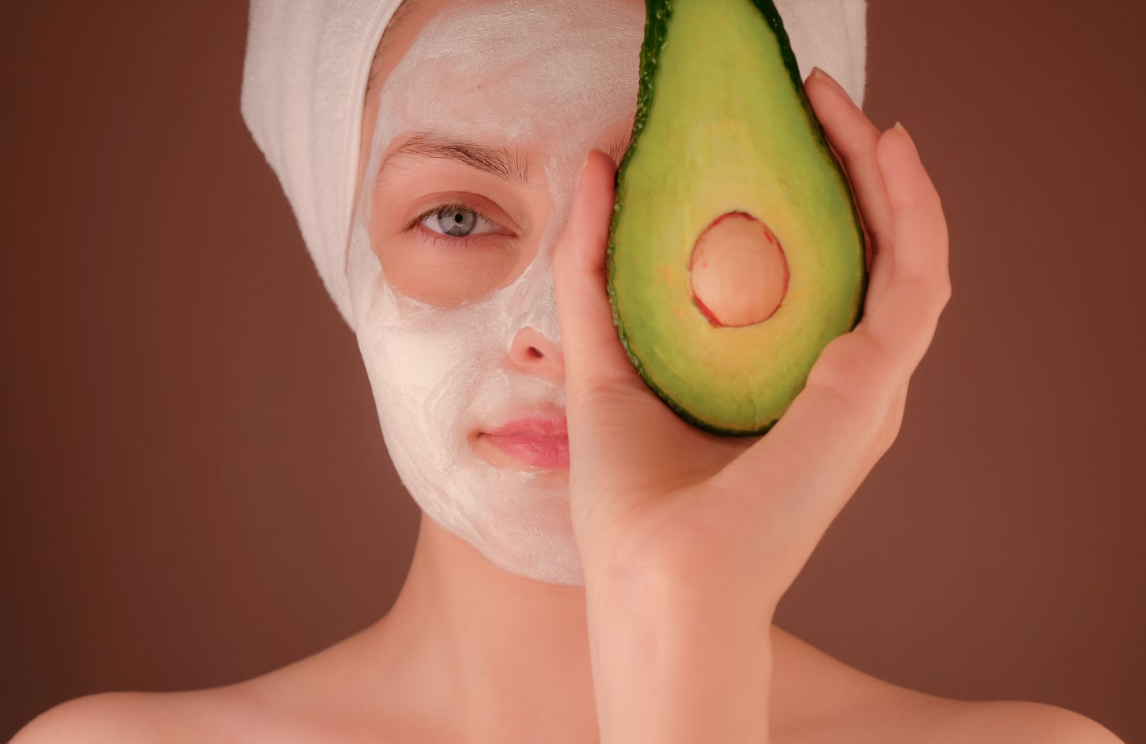
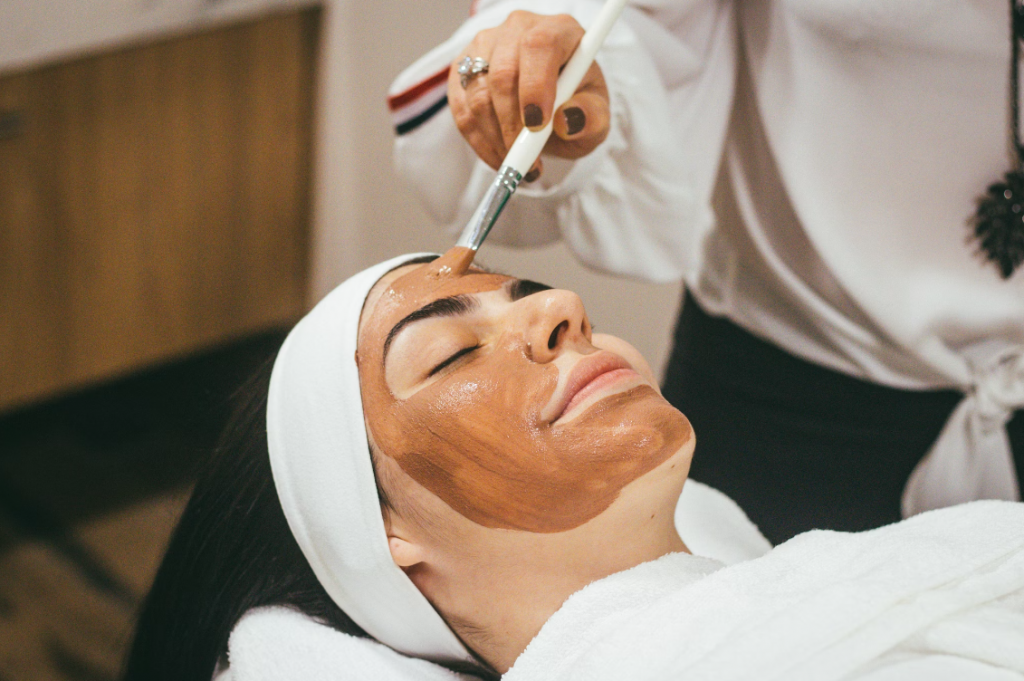
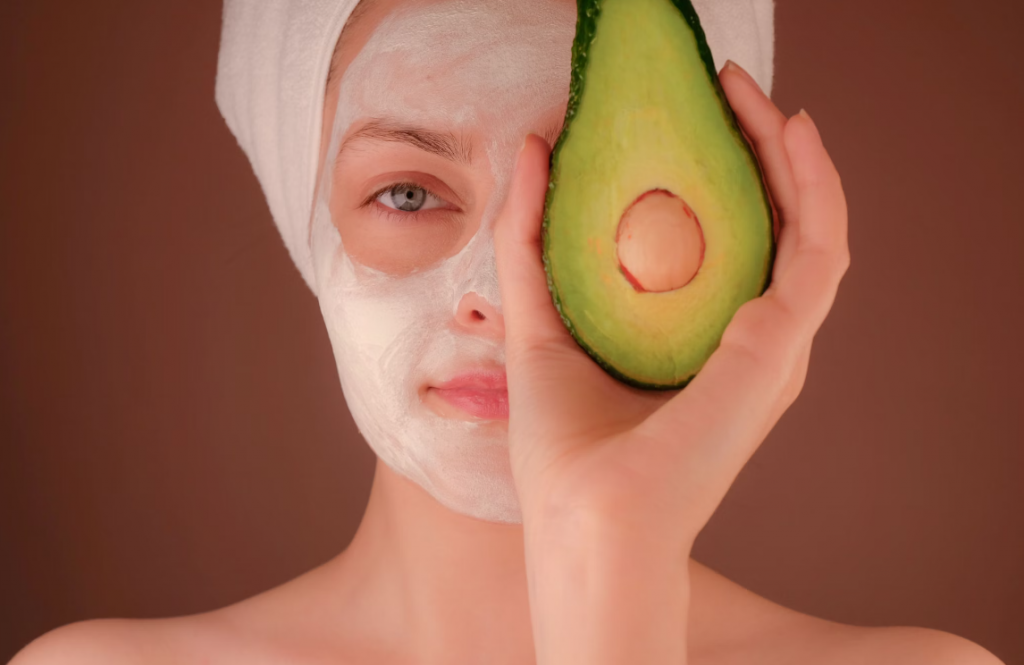
In the pursuit of flawless, radiant skin, facial masks have emerged as indispensable allies. From luxurious spa treatments to convenient at-home rituals, the benefits of incorporating facial masks into your skincare regimen are manifold. Let’s delve into the types, applications, and the myriad advantages they offer.
1. Introduction
Facial masks have garnered widespread acclaim for their ability to address a plethora of skincare concerns effectively. From revitalizing tired skin to combating acne, these potent formulations offer targeted solutions with tangible results.
2. Types of Facial Masks
Sheet Masks: Infused with serums, these fabric-based masks deliver concentrated ingredients to the skin.
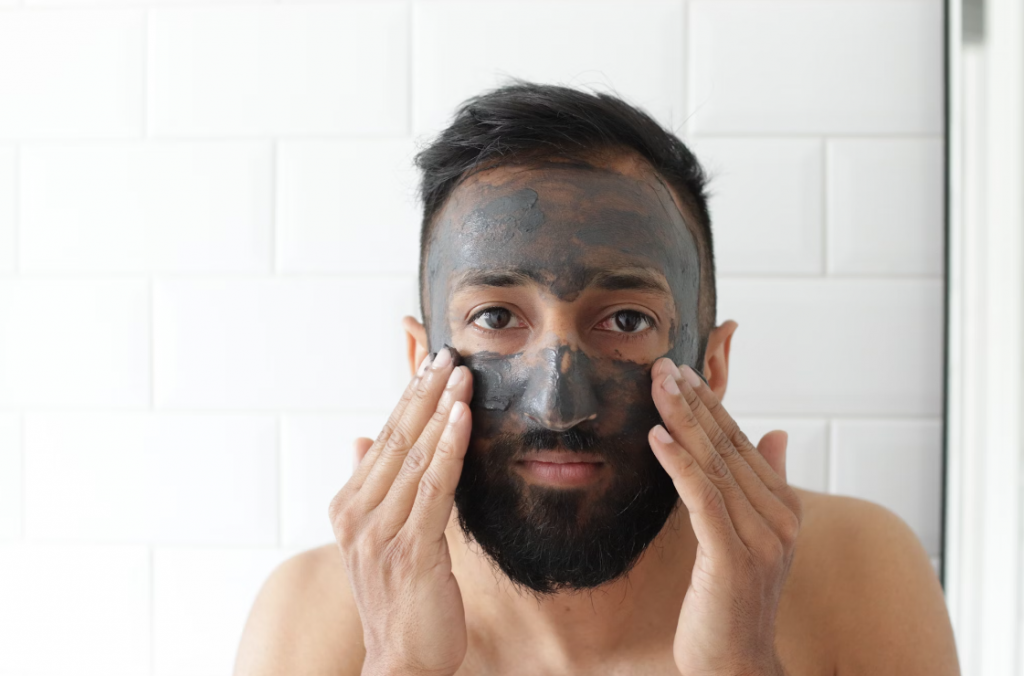
Clay Masks: Known for their deep-cleansing properties, clay masks draw out impurities and excess oil.
Cream Masks: Rich and nourishing, cream masks provide intense hydration and comfort to dry skin.
Gel Masks: Lightweight and refreshing, gel masks are ideal for soothing and cooling sensitive skin.
3. Benefits of Using Facial Masks
Cleanses and Unclogs Pores: Facial masks penetrate deeply, purging pores of dirt, oil, and toxins, promoting clearer skin.
Hydrates and Moisturizes: Infused with hydrating agents, masks replenish moisture levels, restoring suppleness and vitality.
Improves Skin Texture and Tone: Regular use refines skin texture, minimizing the appearance of pores and promoting an even complexion.
Provides Relaxation and Stress Relief: Beyond physical benefits, masking fosters relaxation, alleviating stress and tension.
4. Choosing the Right Facial Mask
Selecting the appropriate mask hinges on understanding your skin type and its specific needs. Whether battling excess oil or combating dryness, tailoring your choice ensures optimal results.
5. How to Apply Facial Masks Properly
Achieving maximum efficacy necessitates proper application techniques. Begin with clean skin, evenly distributing the mask, and allowing ample time for absorption.
6. Frequency of Use
While the frequency varies based on individual skin types, experts recommend incorporating masks into your routine 1-3 times per week to maintain optimal skin health.
7. Tips for Maximizing the Benefits
Consistency is paramount in reaping the rewards of facial masks. Pairing with complementary skincare products amplifies results, ensuring a synergistic approach to skincare.
8. Common Misconceptions about Facial Masks
Dispelling myths surrounding facial masks elucidates their true potential, debunking fallacies and empowering users to make informed choices.
9. Potential Risks and Precautions
While generally safe, certain ingredients may trigger adverse reactions in sensitive individuals. Conducting patch tests and adhering to usage guidelines mitigate potential risks.
10. Integration with Skincare Routine
Seamlessly integrating facial masks into your existing skincare regimen augments efficacy, enhancing the overall health and appearance of your skin.
11. Latest Trends in Facial Masks
Innovations in skincare technology continually redefine the landscape of facial masks, introducing novel formulations and delivery systems to cater to evolving consumer preferences.
12. Conclusion
In summation, the benefits of facial masks extend far beyond mere indulgence, offering tangible improvements to skin health and appearance. Embrace the transformative power of masks as a cornerstone of your skincare arsenal, and unlock the radiant complexion you deserve.
FAQs After The Conclusion
How often should I use a facial mask?
Frequency depends on your skin type, but 1-3 times per week is generally recommended for optimal results.
Are there any risks associated with facial masks?
While rare, allergic reactions or irritations may occur. Conduct patch tests and consult with a dermatologist if concerns arise.
Can I use multiple masks in one skincare session?
Layering masks may lead to over-treatment and potential irritation. Stick to one mask per session for best results.
Do facial masks replace regular skincare routines?
No, facial masks complement existing skincare routines, providing targeted treatments to address specific concerns.
Can I leave a facial mask on overnight?
While tempting, leaving a mask on for extended periods can lead to over-drying or irritation. Follow the recommended usage instructions for optimal outcomes.
Can facial masks help with acne?
Yes, certain masks formulated with acne-fighting ingredients can help alleviate breakouts and minimize their recurrence.
Choosing the right foundation is essential for achieving flawless makeup looks. It serves as the base upon which all other cosmetics are applied, making it imperative to find one that suits your skin perfectly. This comprehensive guide will walk you through the process of selecting the ideal foundation tailored to your unique needs and preferences.
Introduction
The foundation is the cornerstone of any makeup routine, providing a smooth canvas and even complexion. However, with a myriad of options available in the market, selecting the right one can be overwhelming. This guide aims to simplify the process by breaking down key factors to consider when choosing a foundation.
Understanding Your Skin Type
Before delving into foundation options, it’s crucial to understand your skin type. Whether you have oily, dry, combination, or sensitive skin, your skin’s specific needs will dictate the type of foundation that will work best for you. Different formulas cater to different skin types, ensuring optimal performance and comfort throughout the day.
Determining Coverage Needs
Foundation comes in various coverage levels, ranging from sheer to full coverage. Assessing your coverage preferences is essential in selecting the right foundation. Sheer foundations provide a natural, lightweight finish, while full coverage options offer maximum concealment for imperfections. Consider your desired level of coverage and how it aligns with your everyday makeup routine.
Understanding Undertones
Understanding undertones is crucial for finding a foundation that seamlessly blends with your natural skin tone. Undertones can be warm, cool, or neutral, and they play a significant role in determining which shades will complement your complexion. By identifying your undertones—whether you have hints of yellow, pink, or olive—you can narrow down your options and achieve a harmonious match.
Texture and Finish Options
Foundation comes in various textures and finishes to suit different preferences and skin types. From lightweight liquids to creamy compacts, each formula offers a distinct feel and finish. Additionally, finishes range from matte to dewy, catering to those seeking a shine-free look or a luminous glow. Consider your skin’s needs and desired aesthetic when selecting the ideal texture and finish for your foundation.
Choosing the Right Shade
Finding the perfect shade match is paramount for achieving a seamless complexion. When selecting a foundation shade, it’s essential to test the product in natural lighting to ensure an accurate match. Consider factors such as your skin’s undertones and any discoloration or pigmentation issues when choosing a shade. Remember that your skin tone may vary throughout the year, so be prepared to adjust your foundation accordingly.
Testing and Application Techniques
Before committing to a foundation, it’s essential to test the product to assess its texture, coverage, and longevity. Apply a small amount of foundation to your jawline or the back of your hand and blend it out to see how it interacts with your skin. Additionally, mastering proper application techniques—whether using a brush, sponge, or fingers—can enhance the performance and finish of your foundation.
Considering Skin Concerns
When selecting a foundation, it’s crucial to address any specific skin concerns you may have, such as acne, dryness, or aging. Fortunately, there are foundation options tailored to address these issues, whether it’s providing extra hydration, controlling oil, or offering anti-aging benefits. Look for foundations formulated with skincare ingredients that cater to your individual needs.
Budget and Brand Considerations
Finding the right foundation doesn’t have to break the bank, as there are quality options available at every price point. Consider your budget when exploring different brands and formulations, and don’t be afraid to experiment with drugstore or indie brands. Additionally, research reputable brands known for their inclusive shade ranges and diverse formulas to find one that aligns with your values and preferences.
Reviews and Recommendations
Seeking advice from beauty experts and reading user reviews can provide valuable insights when choosing a foundation. Platforms like beauty blogs, YouTube channels, and social media forums offer a wealth of information and firsthand experiences from fellow makeup enthusiasts. Pay attention to reviews from individuals with similar skin types and concerns to make informed decisions.
Longevity and Wearability
The longevity and wearability of a foundation are crucial factors to consider, especially for long days or special occasions. Factors such as formula, climate, and application technique can affect the durability of your foundation. To enhance wearability, consider using a primer, setting powder, or setting spray to prolong the life of your makeup and keep it looking fresh throughout the day.
Conclusion
Choosing the right foundation is a crucial step in achieving flawless makeup looks. By understanding your skin type, coverage needs, undertones, and other key factors outlined in this guide, you can confidently select a foundation that enhances your natural beauty and provides a flawless finish. Remember to experiment, test, and adjust as needed to find your perfect match.
FAQs After The Conclusion:
How often should I replace my foundation?It’s recommended to replace your foundation every 6-12 months, depending on the formula and storage conditions. Expired or old foundation can harbor bacteria and may not perform as effectively.
Can I mix different foundations to create my perfect shade?Yes, mixing different foundation shades can help customize your perfect match, especially if you have unique undertones or preferences. Experiment with mixing small amounts until you achieve your desired result.
What’s the best way to remove foundation at the end of the day?Use a gentle makeup remover or cleansing oil to dissolve and remove foundation effectively. Follow up with a facial cleanser to ensure all traces of makeup are removed, leaving your skin clean and refreshed.
How can I prevent my foundation from looking cakey or settling into fine lines?Proper skincare preparation, using a hydrating primer, and applying foundation in thin layers can help prevent a cakey or heavy finish. Additionally, using setting powder sparingly and touching up throughout the day can maintain a smooth appearance.
Special occasions like weddings and proms demand a flawless appearance, and makeup plays a pivotal role in achieving that. From enhancing natural features to embracing glamorous looks, mastering the art of special occasion makeup requires careful preparation, skillful application, and attention to detail.
Introduction to Makeup for Special Occasions
Special occasions mark significant milestones in our lives, be it a wedding celebrating love or a prom commemorating youth and friendship. These events hold emotional significance, demanding meticulous attention to every detail, including makeup. The right makeup can not only enhance one’s beauty but also elevate confidence and leave a lasting impression.
Preparation for Special Occasion Makeup
Before diving into makeup application, it’s crucial to understand the nature of the event. Whether it’s a romantic wedding or a lively prom, the makeup should align with the overall theme and ambiance. Additionally, prepping the skin is paramount. Cleansing, toning, moisturizing, and priming create a smooth canvas for makeup application. Choosing high-quality, long-lasting products ensures a flawless finish that withstands the day’s festivities.
Wedding Makeup Look
For weddings, a timeless and elegant makeup look reigns supreme. Start with a natural and glowing base, using lightweight foundations or BB creams to let the skin breathe. Soft, romantic eye makeup in neutral tones accentuates the eyes without overpowering the overall look. Enhance the lips with a subtle yet flattering shade, opting for long-lasting formulas to withstand kisses and toasts throughout the day.
Prom Makeup Look
Proms are an opportunity to experiment with bolder looks and trends. A glamorous base with flawless coverage sets the stage for statement eye makeup. Whether it’s smoky eyes, glittery lids, or vibrant hues, prom makeup allows for creativity and self-expression. Experiment with different colors and textures to complement the outfit and personal style, embracing the latest trends while staying true to individuality.
Common Mistakes to Avoid
Despite the excitement, it’s easy to fall prey to common makeup mistakes. Overdoing makeup can result in a cakey appearance that looks unnatural in photographs. Neglecting skin preparation leads to patchy application and premature makeup breakdown. Additionally, failing to consider the event theme can result in mismatched makeup that clashes with the overall ambiance.
Tips for Makeup Application
Achieving flawless makeup requires mastering various techniques. Start with a primer to prolong makeup wear and create a smooth base for foundation. Proper blending is key to achieving seamless transitions between different makeup products. Setting makeup with a translucent powder ensures a matte finish and prevents excess shine throughout the day.
Hair and Makeup Coordination
Coordinating hair and makeup is essential for a cohesive and polished look. Consider the hairstyle when choosing makeup looks, ensuring they complement each other harmoniously. Balance bold makeup with subtle hairstyles and vice versa to avoid overwhelming the overall appearance.
Final Touches and Finishing
Complete the makeup look with final touches and finishing touches. Setting spray helps lock makeup in place, ensuring it stays put through dancing and celebration. Carry touch-up essentials like blotting papers, lipstick, and powder for quick fixes throughout the event.
Post-Event Skincare
After the festivities, prioritize skincare to replenish and rejuvenate the skin. Start by gently removing makeup with a makeup remover or cleansing oil, followed by a thorough cleanse to eliminate any residual traces. Hydrate the skin with a nourishing moisturizer to combat dehydration and restore balance.
Budget-Friendly Options
Achieving stunning makeup looks doesn’t have to break the bank. Explore budget-friendly alternatives and DIY makeup techniques to create professional-looking results without splurging on high-end products. From drugstore finds to homemade remedies, there are plenty of options to suit every budget and preference.
Consulting with Professionals
When in doubt, seek guidance from makeup professionals. Hiring a makeup artist for weddings or proms ensures expert application and personalized advice tailored to individual preferences. Schedule trial sessions beforehand to experiment with different looks and finalize the perfect makeup look for the big day.
Conclusion
Makeup for special occasions like weddings and proms is more than just enhancing one’s appearance; it’s about creating unforgettable memories and celebrating life’s milestones in style. By following these tips and techniques, anyone can achieve stunning makeup looks that leave a lasting impression and make special moments even more memorable.
FAQs After The Conclusion
How far in advance should I plan my wedding or prom makeup?
It’s advisable to start planning your makeup look at least a few weeks in advance to allow time for trial sessions and any necessary adjustments.
What makeup products are essential for special occasions?
Essential makeup products for special occasions include foundation, concealer, eyeshadow, eyeliner, mascara, lipstick, and setting spray.
How can I ensure my makeup lasts throughout the event?
Using long-lasting and waterproof makeup products, setting makeup with powder and setting spray, and carrying touch-up essentials for quick fixes can help prolong makeup wear.
What should I do if I have sensitive skin or allergies?
If you have sensitive skin or allergies, opt for hypoallergenic and fragrance-free makeup products, and conduct patch tests beforehand to avoid any adverse reactions.
Is it worth hiring a professional makeup artist for special occasions?
Hiring a professional makeup artist can ensure expert application, personalized advice, and a stress-free experience, making it worth considering for important events like weddings
In today’s fast-paced world, where beauty standards are constantly evolving, achieving a healthy glow has become a timeless aspiration. While there are numerous products and treatments available promising instant results, the key to radiant skin lies in adopting natural beauty tips that prioritize long-term skin health. Understanding the fundamentals of skincare, nourishing the body from within, and embracing holistic practices are essential steps towards achieving a luminous complexion that emanates from within.
Understanding Skin Health
As the body’s largest organ, the skin serves as a protective barrier against external aggressors such as pollutants and UV radiation. Maintaining its health is crucial not only for aesthetic purposes but also for overall well-being. Healthy skin is characterized by its ability to retain moisture, regulate temperature, and protect against infections. Therefore, investing in skincare routines that nourish and protect the skin is paramount for achieving a radiant complexion.
Diet and Hydration
The old adage “you are what you eat” holds particularly true when it comes to skin health. A balanced diet rich in vitamins, minerals, and antioxidants provides the essential nutrients needed for cellular repair and regeneration. Incorporating fruits, vegetables, lean proteins, and healthy fats into your meals can help support collagen production, improve skin elasticity, and combat oxidative stress. Additionally, staying adequately hydrated by drinking plenty of water throughout the day helps flush out toxins and keeps the skin hydrated from within, contributing to a natural glow.
Skincare Routine
Establishing a consistent skincare routine tailored to your skin type is fundamental for maintaining a healthy complexion. This typically involves a regimen that includes cleansing, exfoliating, moisturizing, and protecting the skin. Cleansing removes dirt, oil, and impurities, while exfoliating sloughs off dead skin cells to reveal a fresh layer of skin underneath. Moisturizing helps maintain the skin’s natural moisture barrier, while applying sunscreen daily protects against UV damage and premature aging.
Sun Protection
One of the most effective ways to preserve skin health and prevent premature aging is by protecting it from harmful UV rays. Overexposure to the sun can lead to sunburn, wrinkles, age spots, and even skin cancer. Therefore, wearing sunscreen with broad-spectrum protection and a minimum SPF of 30 is crucial, even on cloudy days or during the winter months. Additionally, seeking shade, wearing protective clothing, and avoiding peak sun hours can further minimize sun damage and promote a healthy glow.
Natural Remedies
Nature offers a plethora of ingredients renowned for their skincare benefits. Incorporating natural remedies into your beauty routine can provide nourishment and hydration without the use of harsh chemicals. Ingredients such as aloe vera, coconut oil, honey, and green tea possess antioxidant, anti-inflammatory, and antimicrobial properties that promote skin health and vitality. Whether used individually or in combination, these natural ingredients offer gentle yet effective solutions for achieving a radiant complexion.
Physical Activity
Regular exercise not only benefits your physical and mental well-being but also contributes to skin health. Engaging in activities that increase blood circulation, such as brisk walking, jogging, or yoga, helps deliver oxygen and nutrients to the skin cells, promoting a healthy glow. Furthermore, sweating during exercise helps cleanse the pores and expel toxins, resulting in clearer, more radiant skin. Incorporating physical activity into your daily routine is a simple yet powerful way to enhance your complexion and overall health.
Stress Management
The detrimental effects of stress on skin health are well-documented, with chronic stress contributing to a variety of skin conditions, including acne, eczema, and psoriasis. Therefore, prioritizing stress management techniques such as meditation, deep breathing exercises, or yoga is essential for promoting a healthy glow from within. By reducing stress levels, you can minimize the release of cortisol, a hormone known to increase oil production and inflammation in the skin, thereby improving its overall appearance and radiance.
Adequate Sleep
Quality sleep is often referred to as “beauty sleep” for a good reason. During sleep, the body undergoes repair and regeneration processes essential for cellular renewal and skin rejuvenation. Lack of sleep not only leads to dark circles and dull complexion but also accelerates the aging process by impairing collagen production and increasing inflammation. Aim for seven to eight hours of uninterrupted sleep each night to allow your skin ample time to repair and restore itself, resulting in a youthful, glowing complexion.
Avoiding Harmful Habits
Certain lifestyle habits can sabotage your efforts to achieve a healthy glow. Smoking, for instance, exposes the skin to harmful toxins and accelerates the breakdown of collagen, leading to premature aging and dullness. Similarly, excessive alcohol consumption dehydrates the skin, robbing it of essential moisture and nutrients, resulting in a lackluster complexion. By avoiding these harmful habits and adopting healthier alternatives, you can protect your skin’s integrity and maintain its youthful radiance.
Consistency and Patience
Achieving a healthy glow is not an overnight process but rather a journey that requires consistency and patience. While natural beauty tips can help improve your skin’s appearance and vitality, significant results may take time to manifest. Therefore, it’s essential to stay committed to your skincare routine and lifestyle habits, trusting that your efforts will eventually pay off. Remember, consistency is key, and with perseverance, you can attain the radiant complexion you desire.
Conclusion
In a world inundated with beauty products and treatments promising miraculous results, it’s easy to overlook the simple yet effective natural beauty tips that promote long-term skin health. By prioritizing skincare routines, nourishing your body from within, and embracing holistic practices, you can achieve a healthy glow that radiates from the inside out. Remember, beauty is more than skin deep—it’s a reflection of your overall health and well-being.
FAQs After The Conclusion:
Can natural remedies really improve skin health?
Absolutely! Natural ingredients such as aloe vera, coconut oil, and honey are packed with antioxidants and nutrients that nourish and hydrate the skin, promoting a healthy glow.
How long does it take to see results from natural beauty tips?
Results vary depending on individual skin types and concerns. While some may notice improvements within a few weeks, others may require more time and patience for significant changes to occur.
Is sunscreen necessary even on cloudy days?
Yes, UV rays can penetrate through clouds and cause skin damage, so it’s essential to wear sunscreen daily, regardless of the weather conditions.
Can stress really affect skin health?
Absolutely. Chronic stress triggers the release of cortisol, a hormone that can lead to increased oil production, inflammation, and breakouts, adversely affecting skin health.
What role does hydration play in achieving a healthy glow?
Hydration is crucial for maintaining skin health and radiance. Drinking plenty of water helps flush out toxins, regulate oil production, and keep the skin hydrated from within, resulting in a luminous complexion.
Are there any natural ingredients to avoid for certain skin types?
While natural remedies are generally safe, it’s essential to patch-test new ingredients and avoid those known to trigger allergies or sensitivities, especially for individuals with sensitive or reactive skin types.