Author: globopicks

  • How to Create a Vacation Beauty Bag with Only the Products You Truly Need

    How to Create a Vacation Beauty Bag with Only the Products You Truly Need

    A well-planned vacation beauty bag should make travel easier, not turn into a second suitcase. The goal is to bring products that support your normal routine, suit the destination, and can be used without spending too much time getting ready.

    Building a streamlined vacation beauty bag begins with separating genuine essentials from products you might use only in an ideal travel scenario. By choosing versatile formulas, practical sizes, and dependable favorites, you can pack less while still feeling comfortable and polished throughout the trip.

    Consider the Destination and Your Plans

    Before choosing products, think about the weather, length of the trip, available luggage space, and activities on your schedule. A humid beach destination requires different preparation from a cold city break or a formal weekend celebration.

    Review your expected plans rather than packing for every possibility. If most days involve sightseeing and casual meals, you probably do not need several foundations, multiple eyeshadow palettes, or a collection of styling tools.

    Consider these practical questions:

    • Will the weather be hot, humid, cold, or dry?
    • Will you spend significant time outdoors?
    • Do any plans require formal makeup or hair styling?
    • Will you have access to a hotel hair dryer or toiletries?
    • Are you traveling with carry-on luggage only?

    Check current airline and airport rules before packing liquids, aerosols, gels, and sharp grooming tools. Requirements can vary by airport, airline, and destination.

    Begin With a Simple Skincare Core

    Travel is usually not the best time to experiment with several unfamiliar skincare products. Changes in weather, sleep, food, water, and transportation can already affect how the skin feels. Bring a small version of the routine your skin knows.

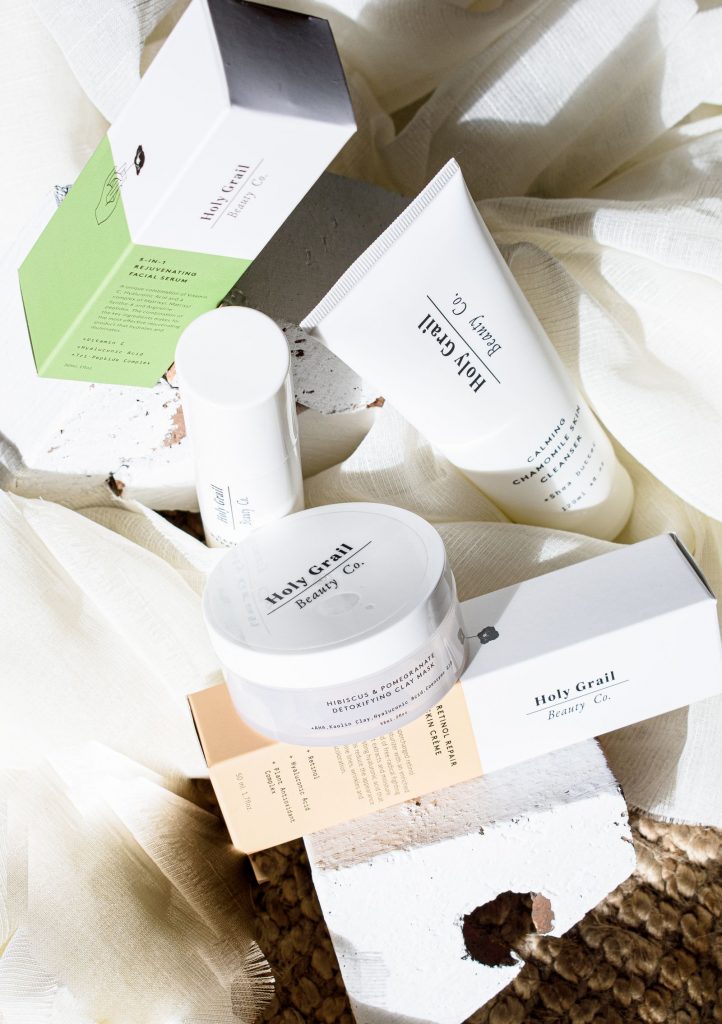
    A practical skincare core may include:

    • A gentle cleanser
    • A moisturizer suited to the destination
    • Broad-spectrum facial sunscreen
    • Lip balm
    • One treatment product you use consistently

    If you wear makeup or water-resistant sunscreen, include a cleansing balm, oil, or micellar water for thorough evening removal. Transfer products into clean, travel-size containers only when the formula can be stored safely outside its original packaging.

    Skip occasional masks, multiple serums, and strong exfoliating products unless they are essential to your established routine. A simpler routine is easier to follow after a long travel day.

    Make Sunscreen Easy to Use and Reapply
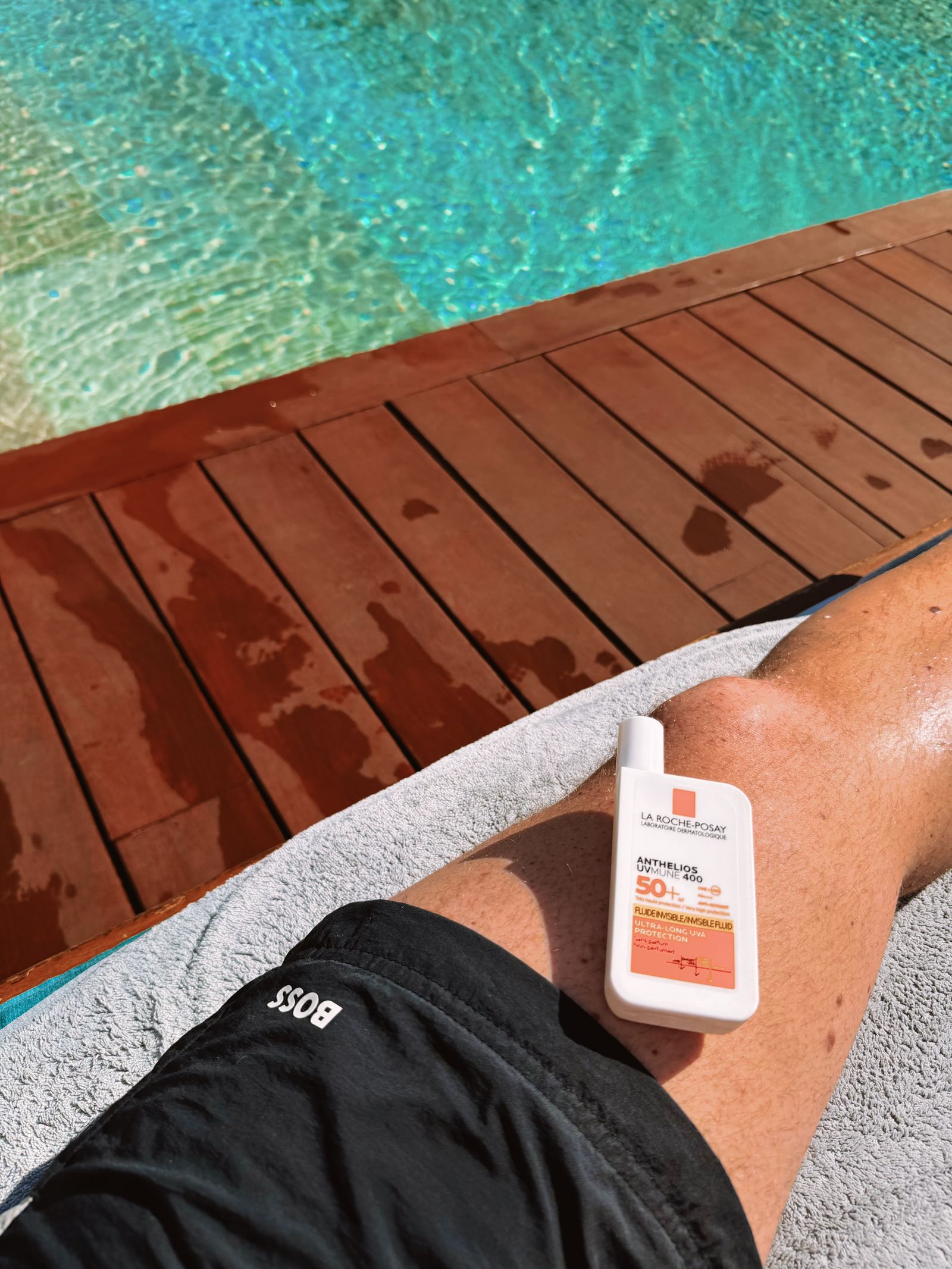
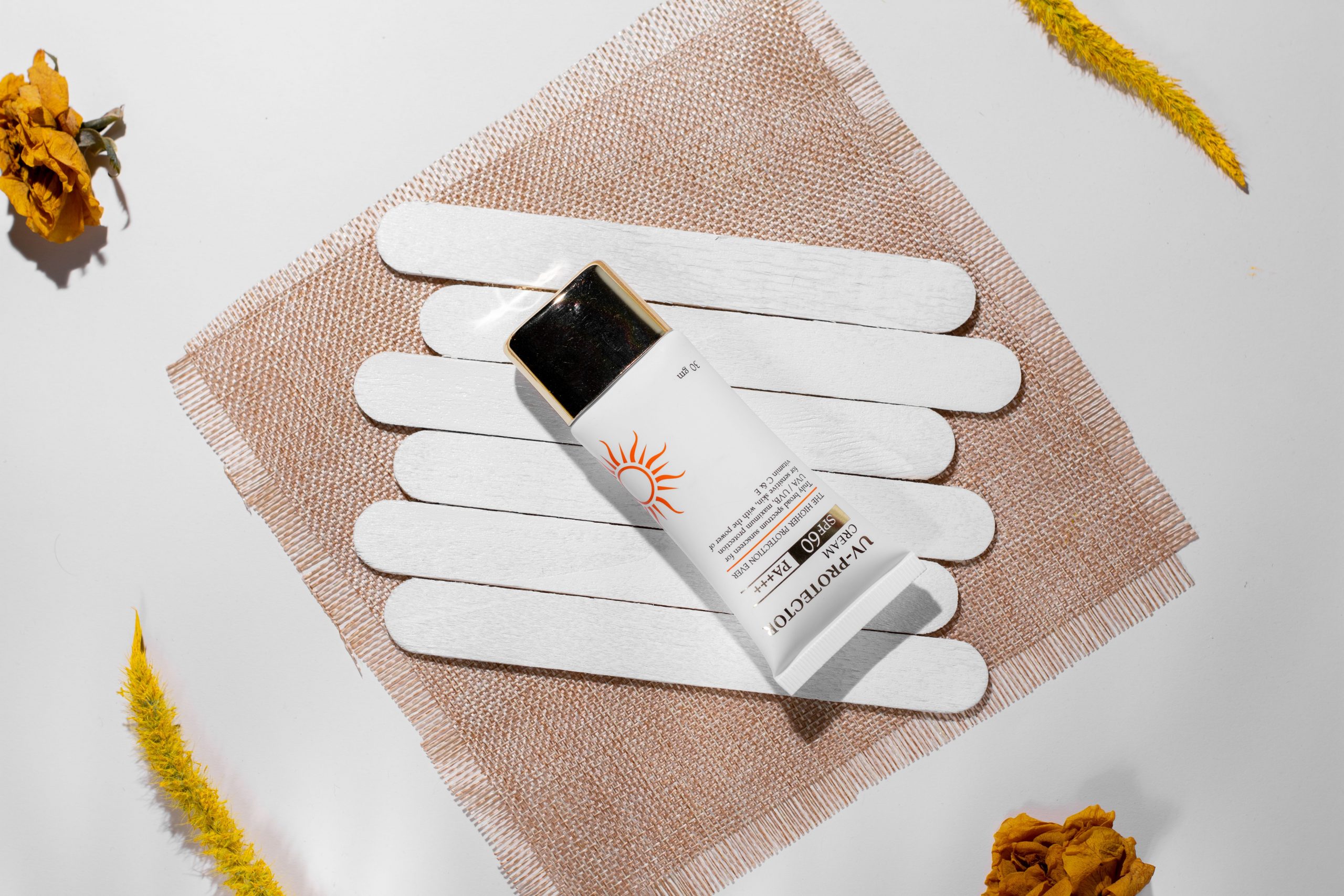
    Sunscreen deserves its own space in a vacation beauty bag, particularly when the trip includes beaches, outdoor sightseeing, hiking, or extended time near windows.

    Bring separate facial and body sunscreens if that makes application more comfortable. Choose formulas you have already tested so you know how they feel, whether they leave a visible cast, and how they work beneath makeup.

    A travel-size sunscreen may not be enough for several days of generous body application. Estimate how much you normally use and pack accordingly, or plan to purchase more after arrival.

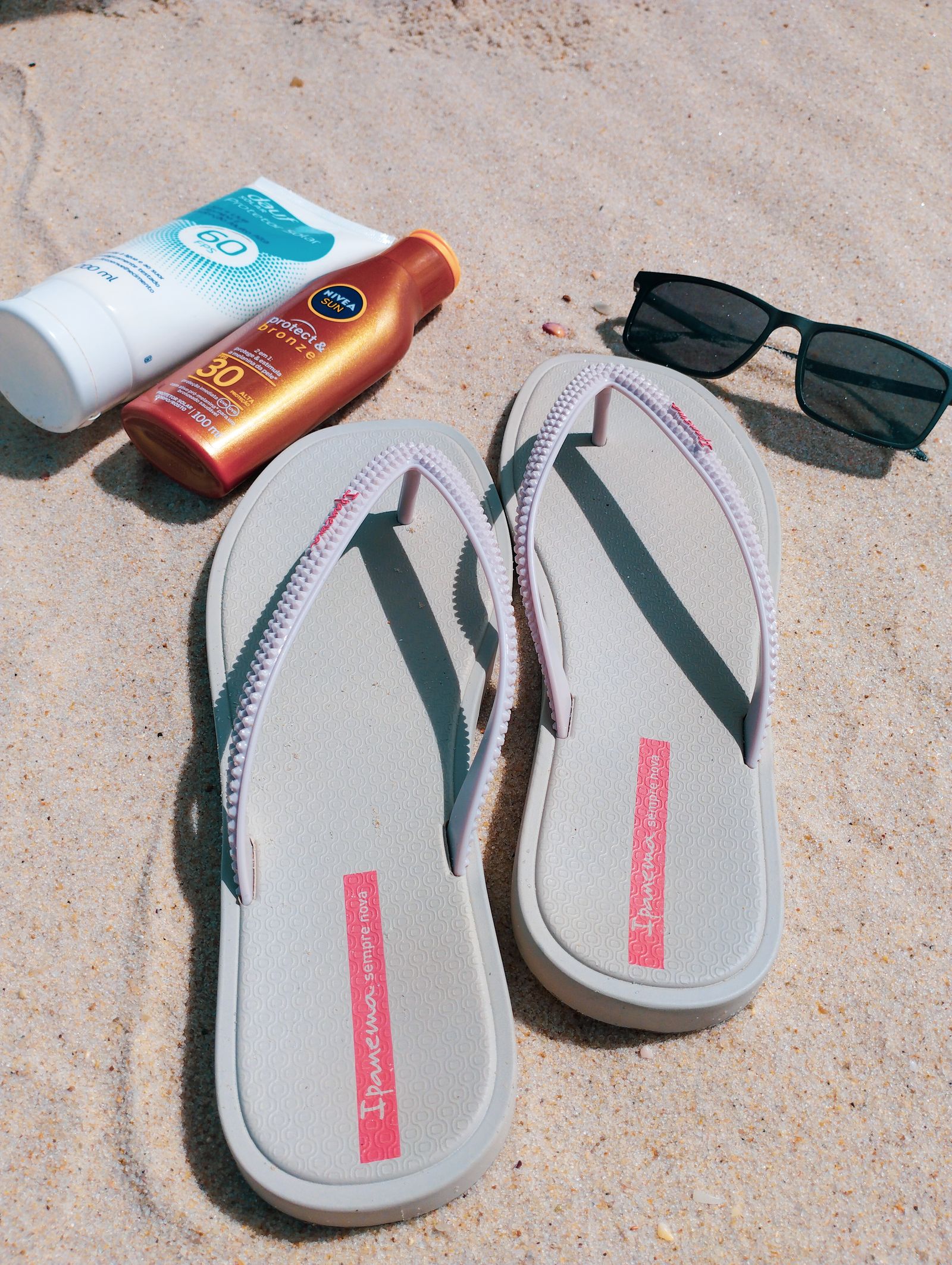
    Consider adding an SPF lip balm, sunglasses, a hat, and lightweight protective clothing. Sunscreen is most useful when combined with shade and other forms of sun protection.

    Build a Small Vacation Makeup Capsule

    Your travel makeup collection should create at least two looks: a quick everyday look and a slightly more polished evening version. You can usually accomplish this with a small group of products rather than separate makeup for every outfit.

    A streamlined makeup capsule might include:

    • A skin tint, lightweight foundation, or concealer
    • One blush in a versatile shade
    • A brow pencil or tinted brow gel
    • Mascara
    • A small neutral eyeshadow palette or one cream shadow
    • One everyday lip color
    • One slightly deeper or brighter lip color for evenings

    Choose formulas that can be applied with fingers or one multipurpose brush when possible. Cream blush, shadow sticks, and sheer complexion products can reduce the number of tools you need.

    Water-resistant mascara, brow products, and eyeliner may be useful for warm destinations or active days. Test them before traveling and bring the appropriate remover.

    Choose Multipurpose Products Carefully

    Multipurpose products can save space when they genuinely perform more than one role. A cheek-and-lip tint, neutral cream color, moisturizing sunscreen, or versatile balm may replace several separate items.

    Only use products on areas approved by their manufacturer. A lipstick may work as blush in some cases, but not every pigment or formula is designed for use around the eyes. Similarly, facial products may not always provide enough quantity or protection for the body.

    Think about which multipurpose products you actually use at home. A travel-friendly item is not helpful if the texture is difficult to blend or the color does not work with your wardrobe.

    One dependable single-purpose product is often better than a multipurpose formula that performs every task poorly.

    Keep Haircare Practical and Destination-Friendly

    Start with the products necessary to cleanse and condition your hair. Check whether your accommodation provides suitable shampoo and conditioner, but bring your own if your hair has specific needs.

    A simple haircare kit may include shampoo, conditioner, a leave-in product, a small styling cream or serum, a brush or comb, and several secure hair ties. Dry shampoo may be useful between washes, but review airline rules if you plan to pack an aerosol.

    Choose two or three dependable hairstyles for the trip. A low bun, braid, ponytail, or claw-clip style can reduce the need for multiple heat tools. If you bring a styling tool, confirm the destination’s voltage and plug requirements.

    Pack a hat, scarf, or comfortable hair accessory for windy, humid, or active days. These can be more practical than trying to maintain a carefully styled look in unfamiliar weather.

    Do Not Forget Body Care and Personal Essentials

    Body care can remain simple. Bring a gentle body cleanser when needed, a moisturizer suited to the climate, deodorant, and body sunscreen. A small hand cream may be useful during flights and in dry environments.

    Include the grooming items you use regularly, such as a razor, tweezers, nail file, contact-lens supplies, or menstrual products. Pack medications separately and follow appropriate travel guidance for prescriptions.

    Fragrance is optional. If you want to bring it, use a secure travel spray or a small manufacturer-provided bottle rather than packing a large glass container. Protect it from heat and direct sunlight.

    A small stain remover, tissues, and a few adhesive bandages may provide more practical value than an additional makeup product.

    Use Travel Sizes Without Creating Waste

    Travel-size packaging can be convenient, but buying a miniature version of every product may become expensive and wasteful. Refillable bottles and jars can work well for shampoo, conditioner, cleanser, and moisturizer.

    Label every container clearly. Similar-looking creams and liquids can be difficult to identify after they have been removed from their original packaging.

    Do not transfer products that depend on airless packaging, special applicators, or light-protective containers unless the manufacturer indicates that it is appropriate. Sunscreen is generally safest in its original packaging because transferring it may affect storage, identification, and application instructions.

    Clean reusable containers thoroughly between trips and allow them to dry completely before refilling.

    Pack the Bag to Prevent Leaks and Damage

    Tighten every lid and check that pumps are locked. Place liquids and creams in a transparent, leak-resistant pouch so spills are easier to contain and security checks are simpler.

    Protect pressed powders and palettes by placing a soft cotton pad inside the compact when there is enough room to close it without pressure. Keep glass bottles cushioned between soft items rather than against the outside of the suitcase.

    Store brushes in a clean case that protects the bristles. Avoid placing damp sponges or washcloths into a sealed beauty bag, since trapped moisture can create an unpleasant environment.

    Keep essential skincare, medication, deodorant, and basic makeup in your carry-on when appropriate. This gives you access to the most important items if checked luggage is delayed.

    Do a Final Edit Before Leaving

    Lay every product out in one place and group items by purpose. If two products perform the same role, choose the one that is more versatile, reliable, or compact.

    Ask whether you used each product during the previous week. If not, consider leaving it at home unless it serves a specific purpose for the trip.

    Remove duplicate shades, backup products that can be purchased easily, and items you are bringing only because there is empty space. A smaller bag is easier to organize and makes getting ready faster.

    After returning home, note what you used and what remained untouched. This makes packing for the next vacation even more efficient.

    Final Thoughts

    A useful vacation beauty bag is built around your real routine and actual travel plans. Begin with gentle skincare and sunscreen, add a small makeup capsule, bring practical hair and body essentials, and choose multipurpose products only when they genuinely earn their space.

    Packing fewer dependable products can reduce luggage weight, prevent clutter, and give you more time to enjoy the trip. The best travel beauty collection is not the largest one; it is the one that helps you feel comfortable without demanding constant attention.

    FAQs

    How many makeup products should I pack for a one-week vacation?

    Many travelers can manage with six to eight products: complexion coverage, blush, brow product, mascara, one eye product, and one or two lip colors. Adjust the list for formal plans and personal preferences.

    Should I transfer sunscreen into a travel container?

    It is generally better to keep sunscreen in its original packaging so its storage information, instructions, and product identity remain clear.

    What beauty products should stay in my carry-on?

    Keep essential skincare, medication, deodorant, lip balm, sunscreen, and a few basic makeup products with you, provided they comply with current security rules.

    How can I stop beauty products from leaking in my luggage?

    Lock pumps, tighten lids, use leak-resistant pouches, and keep containers upright when possible. Do not fill reusable bottles completely because pressure changes may contribute to leaks.

    Which makeup products are most useful for a beach vacation?

    Consider lightweight complexion coverage, cream blush, brow gel, water-resistant mascara, tinted lip balm, and thoroughly tested facial and body sunscreens.

    How can I avoid overpacking my vacation beauty bag?

    Plan for your actual activities, remove duplicate products, choose one everyday and one evening option, and leave behind anything you have not used recently. RECOMMENDED WORDPRESS TAG: Travel Beauty Essentials
  • Heatproof Makeup: Tips for a Fresh Look That Holds Up on Warm Days

    Heatproof Makeup: Tips for a Fresh Look That Holds Up on Warm Days

    Warm weather can make a carefully applied makeup look feel heavy, shiny, or uneven within a few hours. Heat, humidity, perspiration, and sunscreen can all affect how products sit on the skin, especially when several rich layers are applied at once.

    Heatproof makeup is not about making every product completely resistant to sweat. It is about choosing lightweight formulas, applying thin layers, and preparing for simple touch-ups. With a few adjustments, you can create a fresh look that remains comfortable through commutes, outdoor plans, and warm evenings.

    Start With Lightweight Skin Preparation

    Makeup usually lasts better when the skincare underneath has had time to settle. Begin with a gentle cleanse or lukewarm-water rinse, followed by a lightweight moisturizer if your skin needs one.

    Gel creams, fluid lotions, and lightweight moisturizers often feel more comfortable in heat and humidity. Apply only as much as your skin needs, concentrating richer products on dry areas rather than covering the entire face heavily.

    Finish with broad-spectrum sunscreen and allow it to set before applying makeup. If your sunscreen provides enough moisture, it may be able to replace a separate daytime moisturizer. This removes one layer and can make the overall routine feel lighter.

    Avoid aggressively drying the skin in an attempt to control shine. Harsh cleansers and excessive mattifying products may leave skin dehydrated, which can make makeup look patchy or uncomfortable.

    Use Primer Only Where It Helps

    Primer can improve the way makeup applies, but it does not need to cover the entire face. Use a smoothing or mattifying primer only on areas where makeup tends to separate or shine, such as the forehead, nose, and chin.

    For dry areas, a hydrating primer may help prevent foundation from clinging to texture. If your skincare and sunscreen already create a smooth base, you may not need primer at all.

    Make sure the textures of your products work together. Silicone-rich primers may not always layer smoothly with certain water-based complexion products, while very emollient skincare can cause foundation to move. Test combinations before an important event.

    Apply primer in a thin layer and give it a moment to settle. Using more product does not necessarily make makeup last longer.

    Choose a Lightweight, Heatproof Makeup Base

    Full-coverage foundation can feel heavy in warm weather and may become more noticeable as it wears. Consider a skin tint, tinted sunscreen, lightweight foundation, or concealer applied only where you want extra coverage.

    Begin at the center of the face and blend outward, leaving the edges lighter. Use a damp sponge, brush, or clean fingertips to press the product into the skin rather than applying one thick coat.

    If more coverage is needed, build it in thin layers. Allow each layer to settle before adding another. This usually creates a more natural and durable finish than applying a large amount at once.

    Choose long-wearing or water-resistant formulas when you expect significant humidity or perspiration, but remember that no foundation is completely unaffected by heat. Comfort and graceful fading are often more useful than maximum coverage.

    Apply Concealer Strategically

    Concealer can provide polish without requiring foundation across the entire face. Place a small amount around the inner corners of the eyes, sides of the nose, or individual areas of discoloration.

    Let the concealer sit briefly before blending if you want slightly more coverage. Use a small brush or fingertip to soften the edges while keeping the product concentrated where it is needed.

    Under the eyes, avoid applying a thick triangle of product. Heat and facial movement may cause excess concealer to crease. A few small dots blended carefully can look fresher and require less powder.

    If you need to cover a blemish, use a thin layer of concealer close to your skin tone and press the edges gently. Avoid repeatedly touching the area throughout the day.

    Layer Cream and Powder With Restraint

    Using both cream and powder products can improve longevity, but every layer should remain light. Apply a thin wash of cream blush or bronzer, then set it with a small amount of coordinating powder if extra staying power is needed.

    This technique works well for special plans, but it may feel excessive for an ordinary day. For a faster routine, choose either cream or powder based on your skin type and the finish you prefer.

    Cream products can create a fresh, skin-like effect, while powders may offer better oil control. Liquid stains can also provide long-lasting color, although they should be blended quickly and tested before use.

    Avoid applying too much blush at the beginning because heat can naturally increase facial redness. Build color gradually and check the result in natural light when possible.

    Make Eye Makeup More Resistant to Heat

    Eyelids can become oily in warm weather, causing eyeshadow and eyeliner to crease or transfer. Begin with a small amount of eye primer, or use a thin layer of concealer followed by translucent powder if that combination works for you.

    Long-wearing cream shadows and finely applied powder shadows are practical options. Neutral taupe, bronze, soft brown, and muted rose shades can create definition without making fading especially noticeable.

    Apply eyeliner close to the lash line rather than drawing a very thick line. Waterproof or water-resistant pencil, gel, and liquid formulas may hold up better during humid conditions.

    For additional security, press a matching powder eyeshadow over pencil liner. This can soften the line while helping it remain in place.

    Choose Mascara and Brow Products Carefully

    Waterproof mascara can be useful for very hot days, swimming, weddings, or outdoor events. However, it may require a dedicated remover and can feel drying when used frequently.

    Tubing mascara is another option. It forms small tubes around the lashes and may resist smudging while remaining easier to remove with warm water, depending on the formula.

    If mascara tends to transfer beneath your eyes, apply it mainly to the upper lashes or skip the lower lashes. Curling the lashes before mascara can provide lift without requiring several coats.

    For brows, tinted gel, waterproof pencil, or pomade can provide definition. Fill only sparse areas, then brush through the brows so the result remains soft. Heavy brow products may become more obvious if they fade unevenly.

    Set Makeup Without Making It Look Heavy

    Powder can help control shine, but applying it everywhere may leave the skin looking flat or dry. Use a small brush or powder puff to press translucent powder onto the forehead, nose, chin, and other areas where makeup tends to move.

    Pressing powder into the skin generally provides better control than sweeping on a thick layer. Leave the high points of the cheeks less powdered if you want to maintain a natural-looking glow.

    A setting spray can help the layers of makeup blend together and may improve wear. Choose a formula designed for your preferred finish, whether natural, radiant, or matte.

    Let the spray dry without touching the face. Setting spray can support longevity, but it cannot make makeup completely resistant to heavy perspiration or repeated rubbing.

    Choose Low-Maintenance Lip Color

    Heavy lipstick and sticky gloss may feel less comfortable in hot weather. Tinted lip balm, sheer lipstick, lip stain, and softly blurred matte formulas are easier options for many warm-weather plans.

    For additional definition, apply lip liner close to your natural lip color, then soften it toward the center. Add a thin layer of lipstick or balm rather than coating the lips heavily.

    Long-wearing liquid lipstick can provide durability, but some formulas may feel drying. Prepare the lips with balm, remove excess moisture before application, and follow the product instructions carefully.

    Carry your lip product for touch-ups after eating or drinking. Reapplying one comfortable product is usually easier than trying to maintain a complicated combination.

    Touch Up Without Adding More Layers

    When shine or perspiration appears, avoid immediately applying more powder. First, blot the skin gently with a clean tissue or blotting paper. Press rather than rub so you do not disturb the makeup underneath.

    After blotting, add a small amount of pressed or translucent powder only where necessary. If foundation has separated, smooth the area with a clean sponge before applying any additional product.

    A practical warm-weather touch-up kit might include:

    • Blotting papers or clean tissues
    • A small pressed powder
    • A compact sponge or puff
    • Your chosen lip product
    • A clean hair tie or clip
    • Travel-size sunscreen for appropriate reapplication

    Keep makeup out of a hot car or direct sunlight for extended periods. High temperatures can affect product texture, packaging, and stability.

    Final Thoughts

    Heatproof makeup works best when the routine remains light. Allow skincare and sunscreen to settle, apply complexion products in thin layers, use long-wearing formulas strategically, and set only the areas that need it.

    Expecting makeup to remain completely unchanged in extreme heat can create unnecessary frustration. A fresh, comfortable look that fades evenly and can be touched up easily is often the most practical choice for warm days.

    FAQs

    What type of foundation is best for hot weather?

    Lightweight, long-wearing, or water-resistant foundations and skin tints can feel more comfortable. Apply thin layers and use concealer only where additional coverage is needed.

    How can I stop makeup from sliding off in humidity?

    Use lightweight skincare, let sunscreen settle, apply primer only where needed, build makeup in thin layers, and press powder onto areas that become oily.

    Should I use powder before or after setting spray?

    Powder is generally applied before setting spray. Allow the spray to dry fully without touching the face.

    Is waterproof mascara suitable for everyday use?

    It can be used regularly if it feels comfortable, but it may require more effort to remove. Tubing or water-resistant mascara may offer a gentler alternative for some people.

    How should I touch up sweaty makeup?

    Blot perspiration and excess oil first. Smooth separated makeup with a clean sponge, then apply a small amount of powder only where needed.

    Can setting spray make makeup sweatproof?

    No product can guarantee completely sweatproof makeup. Setting spray may improve wear, but heavy perspiration, rubbing, and high humidity can still affect the finish. RECOMMENDED WORDPRESS TAG: Heatproof Makeup Tips

  • Summer Skincare Essentials: How to Keep Your Skin Comfortable in Heat and Humidity

    Summer Skincare Essentials: How to Keep Your Skin Comfortable in Heat and Humidity

    Summer can change how even a familiar skincare routine feels. Heat, humidity, sweat, stronger sun exposure, air conditioning, and more time outdoors can leave skin feeling oily in some areas, dry in others, or simply less comfortable than usual.

    A good summer skincare routine does not require replacing every product you own. The goal is to use lightweight layers, cleanse without stripping the skin, protect exposed areas from the sun, and adjust your routine according to how your skin actually responds.

    Notice How Your Skin Changes in Summer

    Humidity can make the skin feel more oily or sticky because sweat and surface oils do not evaporate as quickly. Sunscreen, makeup, and pollution may also mix with perspiration, creating a heavier feeling by the end of the day.

    At the same time, air conditioning, swimming, frequent cleansing, and sun exposure can contribute to dryness or sensitivity. It is possible to experience both shine and dehydration, so oily-looking skin does not always need aggressive drying products.

    Pay attention to changes such as increased congestion, tightness after cleansing, more visible redness, or products that suddenly feel too rich. Adjust one part of the routine at a time rather than replacing everything immediately.

    Cleanse Away Sweat Without Overwashing

    A gentle cleanser can remove sunscreen, makeup, sweat, and daily buildup without leaving the face feeling tight. Gel and low-foaming cleansers often feel refreshing in warm weather, while cream cleansers may remain more comfortable for dry or sensitive skin.

    Cleanse in the evening and after significant sweating. Washing repeatedly throughout the day may disrupt the skin’s protective barrier and cause additional dryness or irritation. After light perspiration, rinsing with lukewarm water or gently blotting the face may be sufficient.

    If you wear water-resistant sunscreen or heavier makeup, consider using a cleansing balm, oil, or micellar water first. Follow with your regular gentle cleanser to remove any remaining residue.

    Avoid very hot water and rough cleansing brushes. Heat and friction can make already flushed or sensitive summer skin feel more uncomfortable.

    Use a Lightweight Summer Moisturizer

    Skin still needs moisture during hot and humid weather, even when it produces more oil. Instead of skipping moisturizer entirely, consider changing the texture or amount you apply.

    Lightweight lotions, gel creams, and fluid moisturizers can provide hydration without feeling heavy. Ingredients such as glycerin, hyaluronic acid, panthenol, squalane, and ceramides may help support comfortable, hydrated skin.

    Apply moisturizer in a thin layer while the skin is slightly damp. If your sunscreen is moisturizing enough, it may be able to replace a separate daytime cream. At night, use a little more moisturizer only where your skin feels dry.

    People with combination skin can use different amounts on different areas. Apply a lighter layer through the forehead, nose, and chin, then add more around the cheeks or other dry areas.

    Make Daily Sunscreen the Priority

    Broad-spectrum sunscreen is one of the most important summer skincare essentials. Apply it to the face, neck, ears, chest, and any other exposed areas before going outdoors.

    Choose a sunscreen that feels comfortable enough to use consistently. Fluids, gels, lightweight lotions, and matte formulas may suit oily or humid-weather routines, while creamier products may feel better on dry skin.

    Use a generous, even layer and allow it to settle before applying makeup. Reapply according to the product directions, especially after swimming, heavy sweating, or towel drying.

    Sunscreen works best as part of a broader sun-protection approach. Seek shade when practical and consider hats, sunglasses, and lightweight clothing that covers exposed skin. These measures can make protection easier during long periods outdoors.

    Keep Makeup Light and Comfortable

    Heavy layers of foundation, concealer, powder, and setting products may feel uncomfortable in humid weather. A skin tint, tinted sunscreen, or light foundation applied only where needed can create a more breathable finish.

    Use concealer selectively around the eyes, nose, or individual marks. Cream blush and long-wearing brow products can add definition without requiring a full face of makeup.

    If shine develops during the day, press a clean tissue or blotting paper onto the skin before adding powder. Applying powder directly over sweat and oil can create a heavy or uneven texture.

    Choose makeup labeled water-resistant when you need additional staying power, but remove it thoroughly at the end of the day. Avoid sharing products or applicators, particularly in warm conditions where bacteria can multiply more easily.

    Exfoliate Carefully in Heat and Humidity

    Exfoliation may help with rough texture or clogged-looking pores, but summer is not a reason to use stronger products more frequently. Sweat, sun exposure, swimming, and repeated cleansing can already leave the skin more vulnerable to irritation.

    If your skin tolerates exfoliation, use a gentle product once or twice a week rather than layering several exfoliating ingredients. Salicylic acid may be worth considering for oily or congestion-prone areas, while lactic acid can provide milder exfoliation for some dry skin types.

    Do not exfoliate sunburned, irritated, or freshly shaved skin. Follow exfoliating products with moisturizer and be especially consistent with sun protection.

    If you already use a retinoid, benzoyl peroxide, or prescription treatment, avoid adding new active ingredients without considering how they interact. A dermatologist can help with persistent acne, irritation, or other ongoing concerns.

    Manage Sweat and Outdoor Activities

    Sweat itself is part of the body’s cooling process, but leaving a mixture of sweat, sunscreen, and makeup on the skin for long periods may feel uncomfortable. After exercise, gently cleanse or rinse the face and change out of damp clothing when possible.

    Use a clean towel to blot rather than rub perspiration. Repeated friction can contribute to redness, particularly around the hairline, nose, and areas where clothing or equipment touches the skin.

    Keep frequently used items clean, including hats, sunglasses, phone screens, makeup brushes, and reusable face towels. These objects regularly come into contact with the skin and can collect oil, sunscreen, and sweat.

    For the body, choose breathable clothing and shower after intense activity. A gentle body wash can remove buildup, while a lightweight lotion can help prevent dryness caused by frequent showering.

    Care for Skin After Swimming

    Chlorinated pool water and salt water may leave skin feeling dry or tight. Rinse your face and body with fresh water after swimming, then apply moisturizer while the skin is still slightly damp.

    Reapply sunscreen after swimming according to its directions, even if the product is labeled water-resistant. Water resistance lasts for a limited amount of time and does not make sunscreen waterproof.

    If your hairline or shoulders tend to break out during summer, rinse away conditioner, sunscreen, and styling-product residue carefully. Change out of wet swimwear when practical to reduce prolonged friction and moisture against the skin.

    Sunburned skin should be treated gently. Avoid exfoliants, retinoids, fragranced products, and aggressive scrubbing while the skin recovers. Severe blistering, significant swelling, fever, or other concerning symptoms require medical advice.

    Prepare a Small Summer Skincare Kit

    A few portable essentials can make outdoor days more comfortable without requiring a large bag. Choose products based on where you are going and how long you expect to be outside.

    A practical summer kit might contain:

    • A travel-size sunscreen for reapplication
    • A protective lip balm with SPF
    • Blotting papers or clean tissues
    • Sunglasses and a hat
    • A clean hair tie or clip
    • A lightweight hand or body lotion

    Do not leave skincare and makeup products in a very hot car or in direct sunlight for extended periods. Heat may affect their texture, packaging, and stability. Follow the storage directions on the label.

    Keep the Routine Simple and Flexible

    A basic morning routine can consist of gentle cleansing or rinsing, lightweight moisturizer when needed, and broad-spectrum sunscreen. Makeup can be added in thin layers afterward.

    In the evening, remove sunscreen and makeup thoroughly, cleanse gently, apply any treatment product you already tolerate, and finish with moisturizer.

    On especially hot or active days, focus on cleansing, hydration, and sun protection rather than adding more treatments. If your skin becomes irritated, temporarily simplify the routine until it feels comfortable again.

    Seasonal skincare works best when it remains flexible. A lightweight routine may suit humid days, while more moisturizer may be useful after swimming, travel, or spending several hours in air conditioning.

    Final Thoughts

    Summer skincare essentials should help your skin feel protected and comfortable without creating heavy layers. Gentle cleansing, lightweight moisturizer, consistent sunscreen, careful exfoliation, and simple post-swim care can address many common warm-weather concerns.

    Watch how your skin responds to heat and humidity, then make small adjustments rather than rebuilding your entire routine. The best summer skincare routine is the one you can comfortably follow both at home and on busy days outdoors.

    FAQs

    Should I skip moisturizer when it is humid?

    Not necessarily. Try a lighter lotion or gel cream, apply a smaller amount, or allow a moisturizing sunscreen to serve both purposes during the day.

    How often should I wash my face in summer?

    Cleanse in the evening and after significant sweating. A gentle morning cleanse or water rinse may also be appropriate, but repeated washing throughout the day can cause irritation.

    What type of sunscreen is best for humid weather?

    Look for a broad-spectrum formula with a texture you enjoy using, such as a fluid, gel, or lightweight lotion. Water-resistant sunscreen is useful for swimming and heavy sweating.

    Can I exfoliate more often when my skin feels oily?

    More frequent exfoliation may cause irritation and barrier damage. Start once or twice weekly, follow the product directions, and reduce use if the skin becomes red, tight, or uncomfortable.

    How should I reapply sunscreen over makeup?

    Gently blot sweat and excess oil first, then apply a sunscreen product intended for facial reapplication. Make sure you use enough product to provide even coverage.

    Why does my skin feel dry even when the weather is humid?

    Air conditioning, sun exposure, swimming, frequent cleansing, and insufficient moisturizing can all contribute. Use a gentle cleanser and apply a lightweight moisturizer to slightly damp skin. RECOMMENDED WORDPRESS TAG: Summer Skincare Routine

  • How to Choose Earrings That Flatter Your Face Shape and Personal Style

    How to Choose Earrings That Flatter Your Face Shape and Personal Style

    The right earrings can brighten the face, bring balance to an outfit, and express your personal style with very little effort. Choosing them becomes easier when you consider three things together: face shape, proportion, and the clothing or hairstyle you plan to wear.

    Face-shape guidance can provide a useful starting point, but it should never become a strict set of rules. Comfort and personal taste matter more than trying to make your face appear like a particular ideal. The most flattering earrings are often the ones that create the effect you enjoy and make you feel confident wearing them.

    Start by Identifying Your Face Shape

    To get a general sense of your face shape, pull your hair away from your face and look straight into a mirror. Notice the relative width of your forehead, cheekbones, and jawline, as well as the overall length of your face.

    You may recognize one of these common shapes:

    • Round: The face has softly curved edges, with similar width and length.
    • Oval: The face is longer than it is wide, with gently balanced proportions.
    • Square: The forehead, cheekbones, and jaw have similar widths, with a more defined jawline.
    • Heart: The forehead or cheekbones are wider, while the chin appears narrower.
    • Long or rectangular: The face is noticeably longer than it is wide, with relatively straight sides.
    • Diamond: The cheekbones are the widest point, with a narrower forehead and jaw.

    Many faces fall somewhere between two categories. You do not need an exact classification. Use the closest description as a source of ideas, then judge each pair of earrings by how it looks and feels on you.

    How to Choose Earrings for a Round Face

    If you have a round face and would like to create the appearance of more length, earrings with vertical lines can work beautifully. Slim drops, delicate chains, narrow geometric shapes, and elongated teardrops draw the eye downward.

    Angular earrings can also provide contrast with the soft curves of the face. Rectangular drops, pointed shapes, and clean architectural designs may create a more defined effect.

    Large circular earrings and very wide button studs can emphasize roundness. That is not inherently unflattering, and they may be exactly right if you enjoy a bold, harmonious look. If you prefer more contrast, try an oval hoop or an open geometric design instead of a perfect circle.

    How to Choose Earrings for an Oval or Long Face

    Oval faces can usually wear a wide variety of earring shapes because their proportions are naturally balanced. Studs, hoops, drops, clusters, and sculptural earrings can all work well. Personal style and scale may be more useful considerations than shape alone.

    If your face is longer or more rectangular, earrings with width can create a sense of balance. Medium or large hoops, rounded drops, clustered stones, fan shapes, and wider statement earrings draw attention outward rather than adding more vertical length.

    Very long, thin earrings can visually extend an already long face. You can still wear them, but consider choosing a design with movement, volume, or a wider detail near the bottom.

    Short drops that finish around the jawline can be especially versatile. They provide presence without creating an uninterrupted vertical line.

    How to Choose Earrings for Square, Heart, and Diamond Faces

    Square Face Shapes

    Rounded earrings can provide a gentle contrast to a defined jawline. Hoops, curved drops, oval shapes, and earrings with soft movement are useful options. Designs with delicate chains or rounded stones can also soften the overall effect.

    If you prefer to emphasize your strong facial structure, angular earrings can create a striking, modern look. Keep the scale proportional so the earrings complement rather than compete with the jawline.

    Heart-Shaped Faces

    Earrings that become wider toward the bottom can balance a narrower chin. Teardrops, triangles with the point facing upward, chandelier earrings, and curved designs with weight near the lower edge are common choices.

    Small studs and slim drops remain easy everyday options. If an earring has more detail, placing that detail near the jaw can create a pleasing sense of balance.

    Diamond Face Shapes

    Diamond-shaped faces often suit earrings that add softness around the jaw or remain close to the ear. Oval drops, small hoops, rounded studs, and designs with gentle curves can complement prominent cheekbones.

    Very wide earrings positioned at the same level as the cheekbones may exaggerate width. If you want a more balanced effect, select earrings that become fuller slightly below that point.

    Consider the Scale of Your Features

    Face shape is only one part of choosing flattering earrings. The scale of your facial features, hairstyle, and overall frame can influence how a pair appears.

    Delicate earrings may feel harmonious with smaller or more finely defined features, while medium or larger designs can complement stronger features and voluminous hairstyles. This is not a requirement; contrast can be stylish when it is intentional.

    When trying on statement earrings, step back from the mirror rather than judging them only from close range. Notice whether the earrings are visible without overwhelming your face. They should feel connected to your overall appearance rather than looking like a separate element.

    Also consider weight. A large earring can look beautifully proportioned but still be uncomfortable. Lightweight materials, hollow designs, fabric, resin, and thin metal can provide visual impact without putting as much pressure on the earlobe.

    Match Earrings to Your Personal Style

    The most useful earrings should work with the clothes and accessories you already own. Instead of buying for a single imagined outfit, think about your usual wardrobe.

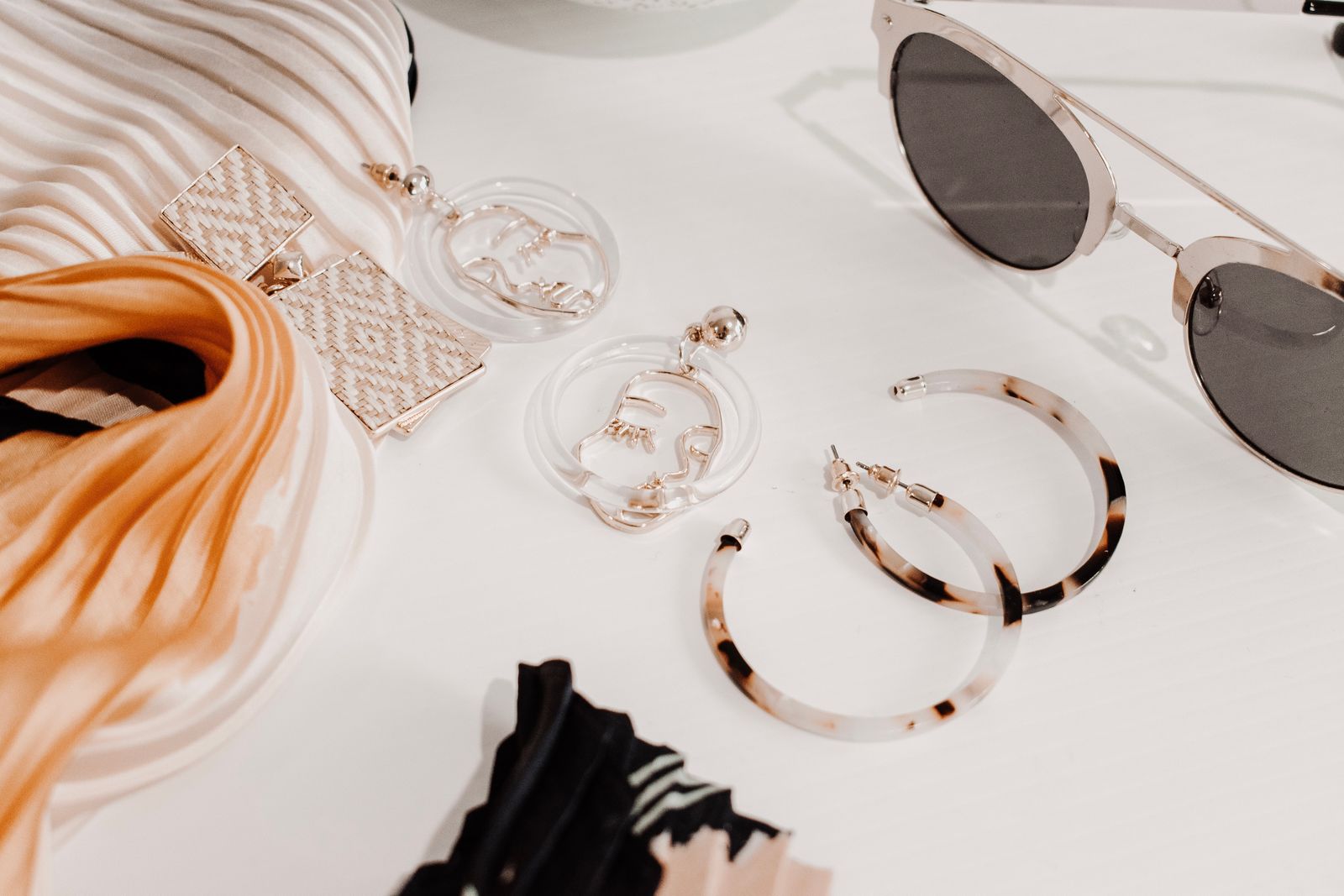
    For a minimalist style, consider small hoops, smooth studs, slender drops, or clean geometric designs. Classic wardrobes often pair well with pearls, simple metal hoops, understated gemstones, and refined button earrings.

    Romantic personal style may be complemented by floral details, soft colors, pearls, bows, and gently curved drops. Artistic or eclectic wardrobes can support sculptural forms, mixed materials, asymmetrical earrings, and handcrafted designs.

    If your style is bold, oversized hoops, colorful stones, textured metals, and statement earrings can become the central feature of an outfit. Keep other accessories quieter when you want the earrings to receive the most attention.

    Coordinate Earrings With Hair and Necklines

    Your hairstyle changes the space around your earrings. Small studs and huggie hoops provide subtle polish with loose hair, while longer drops may need more size or shine to remain visible.

    Updos, ponytails, and hair tucked behind the ears create room for decorative earrings. This can be a good opportunity to wear hoops, sculptural shapes, or statement designs.

    Necklines also affect balance. With a high neckline, earrings can become the main jewelry focus. Open necklines allow you to combine earrings with a necklace, but the pieces do not need to match exactly. Repeating a metal tone, stone color, or design detail is usually enough to make them feel connected.

    If you are wearing a detailed collar, embellished dress, or bold print, simpler earrings may prevent the look from becoming crowded. A plain outfit, by contrast, creates space for more expressive jewelry.

    Choose Materials for Comfort and Practicality

    Before buying earrings, review the materials as carefully as the design. Sterling silver, solid gold, titanium, niobium, and certain grades of stainless steel may be worth considering for sensitive ears, although individual reactions vary.

    Terms such as gold-plated, gold vermeil, and gold-filled describe different constructions and levels of durability. Plated finishes may wear over time, particularly when exposed to moisture, perfume, hair products, and frequent handling.

    Check the fastening style as well. Butterfly backs are common and easy to replace, screw backs may provide more security, and lever backs can be comfortable for drop earrings. Hoops should close securely without requiring excessive pressure.

    If earrings cause persistent redness, swelling, itching, or discomfort, stop wearing them. Seek advice from a qualified healthcare professional when symptoms are severe or do not improve.

    Build a Small, Versatile Earring Collection

    You do not need dozens of pairs to create variety. A small collection can cover most everyday situations:

    • A pair of simple metal or gemstone studs
    • Small or medium hoops for everyday wear
    • A lightweight drop earring for added movement
    • A statement pair that reflects your personality
    • An elegant pair for formal occasions

    Choose a primary metal tone if you want the collection to coordinate easily. Mixed metals can also be versatile, particularly if you regularly combine gold- and silver-tone accessories.

    Store earrings in pairs and keep delicate pieces separated to prevent tangling or scratching. Wipe them gently after wearing and follow the appropriate care guidance for their specific metals and stones.

    Final Thoughts

    Learning how to choose earrings for your face shape can introduce you to proportions and designs you may not have considered. Vertical earrings can add length, rounded shapes can soften angles, and wider designs can balance a longer face.

    These ideas are guides rather than limitations. Your hairstyle, clothing, comfort, and personal style are equally important. The earrings that flatter you most are the ones that create the effect you want and feel natural enough to wear with confidence.

    FAQs

    What earrings suit most face shapes?

    Medium hoops, small studs, and softly shaped drop earrings are versatile options. Their scale and proportion can be adjusted to suit different features and personal styles.

    Which earrings can make a round face look longer?

    Slim drops, vertical chains, elongated teardrops, and narrow geometric earrings can draw the eye downward and create the appearance of additional length.

    What earrings look good with short hair?

    Short hair provides more visibility for studs, hoops, sculptural earrings, and statement designs. Choose the scale according to your features and the effect you want.

    Should earrings match a necklace exactly?

    No. They can coordinate through a shared metal, color, material, or design detail without being part of a matching set.

    How can I wear large earrings comfortably?

    Look for hollow metal, resin, fabric, thin wire, or other lightweight constructions. Supportive earring backs may also help distribute weight more comfortably.

    What should I do if earrings irritate my ears?

    Remove them and allow the area to recover. Review the earring material and consider options such as titanium, niobium, or solid gold. Persistent or severe irritation should be evaluated by a healthcare professional. RECOMMENDED WORDPRESS TAG: Earrings for Face Shape

  • Body Skincare Basics: How to Build a Routine for Softer, Smoother-Looking Skin

    Body Skincare Basics: How to Build a Routine for Softer, Smoother-Looking Skin

    Body skincare does not need to involve a crowded shelf or a long routine. A few consistent habits can help skin feel more comfortable and look softer, smoother, and better cared for from the shoulders down.

    The most effective body skincare routine usually begins with gentle cleansing, regular moisturizing, thoughtful exfoliation, and sun protection for exposed areas. The products matter, but how and when you use them often makes an equally important difference.

    Understand What Your Body Skin Needs

    The skin on your body can have different needs from the skin on your face. Areas such as the elbows, knees, heels, and hands may become dry or rough more easily, while the chest and back may be more prone to oiliness or clogged pores.

    Before buying products, notice how your skin feels throughout the day. Tightness after showering may suggest that your cleanser, water temperature, or bathing habits are too drying. Rough patches may benefit from consistent moisturizing or careful exfoliation. Persistent itching, painful cracking, or an unexplained rash should be evaluated by a qualified dermatologist or healthcare professional.

    Your routine should also reflect your climate, activity level, and preferences. Someone living in a humid environment may prefer a lightweight lotion, while dry winter weather may make a richer cream more comfortable.

    Begin With Gentle, Effective Cleansing

    A good body cleanser should remove sweat, sunscreen, and everyday buildup without leaving the skin feeling stripped. Look for a mild body wash, cleansing oil, or fragrance-free bar that feels comfortable after rinsing.

    Very hot water can contribute to dryness, especially when showers are long. Choose warm water and keep bathing time reasonable. You do not need to scrub every area aggressively; hands or a soft washcloth are often sufficient for daily cleansing.

    Focus cleanser on areas where sweat, odor, or product buildup tends to collect. Less oily areas, such as the arms and lower legs, may not need the same amount of cleanser every day, particularly if the skin is dry or sensitive.

    If you exercise, swim, or wear water-resistant sunscreen, showering afterward can help remove residue. Use a gentle cleanser rather than trying to compensate with harsh scrubbing.

    Build a Body Skincare Routine Around Moisturizer

    Moisturizing is one of the most useful steps for softer, smoother-looking skin. Apply body lotion or cream shortly after bathing, ideally while the skin is still slightly damp. This helps hold surface moisture in place and can reduce the tight feeling that sometimes develops after a shower.

    Lotions are lightweight and easy to spread, making them practical for warm weather or normal skin. Creams and body butters have richer textures that may suit dry areas or colder seasons. Ointments provide a more protective layer and can be useful on very dry elbows, heels, or hands.

    Helpful moisturizing ingredients may include:

    • Glycerin and hyaluronic acid, which attract water
    • Ceramides, which support the skin’s protective barrier
    • Squalane and plant oils, which help soften the skin
    • Shea butter, which provides a richer, cushioning texture
    • Petrolatum, which helps reduce moisture loss

    You do not need all of these ingredients in one product. Choose a formula you enjoy applying consistently. A basic moisturizer used regularly is generally more useful than an elaborate product that remains unopened.

    Exfoliate Without Overdoing It

    Exfoliation can help improve the appearance of rough texture by removing some of the dead cells from the skin’s surface. However, frequent or aggressive exfoliation may cause dryness, irritation, or increased sensitivity.

    Physical exfoliation uses textured products such as scrubs, brushes, or exfoliating cloths. If you prefer this method, use light pressure and avoid scrubbing irritated, sunburned, or recently shaved skin.

    Chemical exfoliating body products may contain ingredients such as lactic acid, glycolic acid, or salicylic acid. Lactic acid can be worth considering for dry, rough texture, while salicylic acid may be useful for oily or clogged areas. Begin slowly and follow the product directions.

    For many people, exfoliating once or twice a week is enough. You may need less if your skin is dry or sensitive. Do not combine multiple exfoliating products in the same session, and stop if you notice persistent stinging, redness, or discomfort.

    Give Rough Areas More Targeted Care

    Elbows, knees, heels, and hands often benefit from a slightly richer approach. Apply your regular moisturizer first, then add a thin layer of ointment or balm to particularly dry areas.

    For rough heels, use a foot cream consistently and wear comfortable socks after application if that feels practical. Avoid cutting or aggressively filing thickened skin, since this can cause injury. Painful cracks or persistent foot problems may require professional advice, especially for people with diabetes or circulation concerns.

    For small bumps on the upper arms or thighs, a body lotion containing lactic acid, salicylic acid, or urea may help improve the appearance of texture over time. Introduce the product gradually and avoid using it immediately after shaving if your skin is easily irritated.

    Hand cream is useful after washing and before bed. Keep a small tube near the sink, on your desk, or in your bag so application becomes a natural part of the day.

    Make Shaving More Comfortable

    Shaving can temporarily leave skin feeling smoother, but poor technique may contribute to dryness, razor burn, or ingrown-looking bumps. Begin by softening the hair with warm water, then apply a shaving gel, cream, or another product designed to provide slip.

    Use a clean, sharp razor and avoid repeatedly passing over the same area. Shaving in the direction of hair growth may feel gentler, although individual results vary. Rinse the skin carefully and apply a fragrance-free moisturizer afterward.

    Avoid exfoliating aggressively immediately before or after shaving. If you use an exfoliating body lotion, consider applying it on non-shaving days until you understand how your skin responds.

    Replace blades regularly and allow the razor to dry between uses. A dull or unclean blade can make shaving less comfortable and increase irritation.

    Protect Exposed Body Skin From the Sun

    Sunscreen is not only for the face. The neck, chest, shoulders, arms, hands, and legs may receive significant sun exposure depending on your clothing and daily activities.

    Apply a broad-spectrum sunscreen to exposed skin before spending time outdoors. Use enough product to cover the area evenly, and remember easily missed places such as the tops of the feet, backs of the hands, ears, and shoulders.

    Reapply according to the product directions, particularly after swimming, heavy sweating, or towel drying. Clothing, hats, and shade can provide additional protection and may be easier than repeatedly applying sunscreen over large areas.

    Consistent sun protection can help reduce sunburn and limit the appearance of uneven tone and premature skin aging over time.

    Adjust the Routine With the Seasons

    Body skin may need different textures throughout the year. During warm, humid weather, a lightweight lotion or gel cream may feel more comfortable. In winter, consider switching to a richer cream and applying it more generously to dry areas.

    Indoor heating, cold wind, swimming pools, and frequent showering can all affect how the skin feels. Rather than replacing your entire routine, adjust one step at a time. You might shorten showers, change to a gentler cleanser, or apply moisturizer more consistently.

    Seasonal changes can also affect exfoliation tolerance. If the skin becomes dry or sensitive, reduce exfoliation and focus on barrier-supportive moisturizing until it feels comfortable again.

    Create a Routine You Can Maintain

    A practical body skincare routine can remain very simple:

    1. Cleanse gently during your shower or bath.
    2. Apply moisturizer while the skin is slightly damp.
    3. Use sunscreen on exposed areas during the day.
    4. Add exfoliation once or twice weekly if your skin tolerates it.
    5. Treat especially dry areas with a richer cream or ointment.

    Place products where you naturally use them. Keep moisturizer near the shower, hand cream beside the sink, and sunscreen close to the clothes or bag you reach for before leaving home.

    Give new products time to work and introduce them individually. Changing several parts of the routine at once can make it difficult to identify what is helping or causing irritation.

    Final Thoughts

    Body skincare basics are built on consistency rather than complexity. Gentle cleansing, regular moisturizing, careful exfoliation, comfortable shaving practices, and protection for exposed skin can support a softer, smoother-looking appearance.

    Begin with cleanser, moisturizer, and sunscreen, then add targeted products only when they serve a clear purpose. A body skincare routine that fits naturally into your day is far more likely to become a lasting habit.

    FAQs

    How often should I moisturize my body?

    Once daily is a practical starting point, especially after bathing. Very dry areas may benefit from another application during the day or before bed.

    Should body lotion be applied to wet or dry skin?

    Apply it to slightly damp skin after gently patting away excess water. This can help hold surface moisture in place while still allowing the product to spread comfortably.

    How often should I exfoliate my body?

    Once or twice a week may be sufficient for many people. Dry or sensitive skin may need less, while the product instructions should guide the use of chemical exfoliants.

    Can I use facial skincare products on my body?

    You can, but facial products are often more expensive for large areas. Body formulas are generally designed to spread easily and may contain ingredients better suited to rougher or drier areas.

    What can help with rough elbows and knees?

    Apply a rich moisturizer consistently and consider a product containing urea or lactic acid if your skin tolerates it. Avoid aggressive scrubbing, which may worsen irritation.

    When should I consult a dermatologist about body skin?

    Seek professional advice for persistent itching, painful cracking, bleeding, swelling, a spreading rash, signs of infection, or concerns that do not improve with gentle care. RECOMMENDED WORDPRESS TAG: Body Skincare Routine

  • Everyday Elegance: Simple Beauty Habits That Help You Look Polished in Minutes

    Everyday Elegance: Simple Beauty Habits That Help You Look Polished in Minutes

    Looking polished does not require a long beauty routine, an overflowing makeup bag, or a perfectly planned wardrobe. Everyday elegance often comes from a handful of simple habits that make your appearance feel intentional while still allowing you to move through the morning without rushing.

    The most useful beauty habits are easy to repeat, adaptable to different schedules, and comfortable enough for real life. By focusing on fresh skin, neat details, flattering color, and a few reliable finishing touches, you can create a polished everyday look in just a few minutes.

    Build a Five-Minute Skincare Foundation

    Makeup tends to look more polished when the skin underneath feels comfortable. Your morning skincare routine does not need several layers. A gentle cleanse or lukewarm-water rinse, moisturizer, and broad-spectrum sunscreen can provide a dependable foundation.

    Choose a moisturizer that suits your skin type and absorbs comfortably without leaving makeup difficult to apply. If your sunscreen provides enough moisture, it may be able to replace a separate daytime cream. Let the final skincare step settle briefly before applying complexion products.

    Pay attention to areas that can make the face look less refreshed, including dry lips and flaky patches around the nose. A small amount of lip balm and moisturizer pressed onto dry areas can make a noticeable difference without adding much time.

    Persistent dryness, irritation, or other skin concerns may need advice from a qualified dermatologist rather than additional cosmetic products.

    Create an Even Base Without Covering Everything

    A polished complexion does not have to be completely flawless. Heavy coverage can require more blending, setting, and maintenance throughout the day. Instead, use a light foundation, skin tint, or concealer only where you want more evenness.

    Begin around the center of the face, where redness and uneven tone are often more noticeable, then blend outward. This keeps the edges light and natural. A damp sponge, compact foundation brush, or clean fingertips can all work, depending on the formula.

    Apply concealer sparingly beneath the eyes, around the nose, or over individual marks. Place a small amount first and build only when needed. Blending the edges carefully usually looks more natural than covering a large area.

    If shine tends to appear during the day, press a little translucent powder onto the forehead, sides of the nose, and chin. Leave the cheeks less powdered so the skin retains some natural dimension.

    Use Multipurpose Color to Look Polished in Minutes

    A touch of color can make the face appear more awake, even when you skip foundation. Cream blush is especially useful because it blends quickly and can create a fresh finish with minimal effort.

    Apply a small amount to the apples of the cheeks, then blend upward toward the temples. Rose, peach, muted berry, and warm pink are versatile options, but the best color is one that resembles your natural flush.

    Some cream products can also be tapped lightly onto the lips for a coordinated look. Only use products specifically approved for both cheeks and lips, since not every formula is designed for multiple areas.

    For subtle definition, sweep a little bronzer around the temples and beneath the cheekbones. Keep the application soft rather than creating sharp contour lines. The goal is to bring warmth and balance back to the face.

    Define Brows and Lashes With a Light Hand

    Brows frame the face and can make a simple look feel finished. Brush them upward and outward with a spoolie, then fill only obvious gaps with a pencil, powder, or tinted brow gel. Short, light strokes usually look more natural than drawing one solid line.

    If your brows already have a full shape, clear gel may be all you need. Concentrate on keeping the hairs neat rather than making both brows perfectly identical.

    Mascara can add definition quickly, especially when applied near the roots of the upper lashes. One careful coat may be enough for daytime. If mascara tends to smudge, consider a tubing or water-resistant formula, depending on your preferences and removal routine.

    For an even faster option, curl the lashes and skip mascara. The lift can help the eyes look more open without adding another product to remove at night.

    Choose One Reliable Lip Combination

    A dependable lip product can bring the entire face together. Keep one or two shades that work with most of your wardrobe in an easily accessible place. Rosy nude, soft berry, muted coral, and tinted balm are practical everyday choices.

    If you want more definition, use a lip pencil close to your natural lip color. Trace the outline lightly, then soften it inward with a fingertip before adding balm, lipstick, or gloss. This creates shape without a severe border.

    Comfort matters as much as color. A lipstick that requires constant checking may not be the most useful choice for a busy day. Tinted balms, sheer lipsticks, and soft stains are often easier to reapply without a mirror.

    Keeping your preferred lip product in your handbag or near the door removes one decision from the morning routine.

    Keep Hair Neat With a Few Dependable Styles

    Hair does not need to be freshly styled every morning to look intentional. Learning two or three reliable hairstyles can make busy days much easier. A low ponytail, smooth bun, half-up style, or simple clip can work across casual and professional settings.

    Choose accessories that hold the hair securely without constant adjustment. Neutral hair ties, understated clips, and pins close to your hair color can blend into the style, while a polished barrette can serve as a subtle decorative detail.

    For loose hair, concentrate on the areas around the face. Smooth flyaways with a small amount of lightweight styling cream or serum, taking care not to overload the roots. Refreshing the front sections can make the entire hairstyle appear more deliberate.

    Regular trims and gentle haircare can also make simple styles easier to manage, but an everyday polished look does not require perfectly smooth or heat-styled hair.

    Pay Attention to Small Grooming Details

    Everyday elegance often comes from details rather than dramatic beauty techniques. Neatly shaped nails, moisturized hands, tidy brows, and cared-for lips can make a simple outfit feel more complete.

    Your nails do not need polish, but keeping them filed to a consistent length creates a clean appearance. If you enjoy color, sheer pink, soft beige, muted red, and clear polish are versatile options that tend to work with many outfits.

    Fragrance can provide a final personal touch, but use it lightly and consider the setting. One or two sprays may be sufficient, particularly in offices, shared transportation, or enclosed spaces where others may be sensitive to scent.

    Before leaving, take a brief look for easily corrected details such as makeup that needs blending, lipstick on the teeth, or visible powder around the hairline. This quick check is more useful than adding another full step.

    Create a Small Everyday Beauty Kit

    A compact collection of reliable products makes it easier to look polished without searching through a crowded drawer. Keep your daily essentials together in a small tray or makeup bag so they are ready when time is limited.

    A practical everyday kit might include:

    • Moisturizer or moisturizing sunscreen
    • Concealer or a lightweight complexion product
    • Cream blush
    • Brow gel or pencil
    • Mascara
    • Lip balm or a wearable lip color
    • A small comb, hair tie, or clip

    You do not need every item on every day. The purpose of the kit is to reduce decisions and keep the products you use most within reach.

    Review the contents occasionally. Remove expired products, clean applicators, and replace items that no longer suit your skin, coloring, or routine. A smaller collection of dependable essentials is often more efficient than having many similar options.

    Prepare a Few Details the Night Before

    A polished morning can begin the evening before. Set out clothing, check that it is clean and comfortable, and place accessories nearby. This gives you time to notice a missing button, wrinkled fabric, or shoes that need attention.

    You can also prepare beauty essentials by washing reusable tools, locating your preferred hair accessory, and placing your everyday products together. These small actions prevent avoidable delays.

    Try to protect enough time for sleep when possible. Beauty products can add color and definition, but rest has a broader effect on how you feel and carry yourself. A realistic evening routine is often more valuable than an ambitious morning one.

    Final Thoughts

    Everyday elegance comes from repetition rather than perfection. Comfortable skincare, light complexion coverage, flattering cheek color, defined brows, a wearable lip, and neat hair can help you look polished in minutes.

    Choose habits that fit your real schedule and keep your favorite products easy to reach. When your routine is simple enough to repeat, looking put together becomes less of a special effort and more of a natural part of the day.

    FAQs

    What is the fastest way to look more polished?

    Brush and shape your brows, add cream blush, apply a comfortable lip color, and tidy the hair around your face. These steps can create visible definition in only a few minutes.

    Do I need foundation for a polished everyday look?

    No. You can use concealer only where needed or skip complexion coverage entirely. Comfortable skin, blended color, and neat details can still create a finished appearance.

    Which makeup product makes the biggest difference when time is limited?

    Cream blush is especially useful because it adds freshness quickly. Brow gel, mascara, or lip color may have more impact depending on your features and preferences.

    How can I make my routine faster in the morning?

    Keep daily products together, use multipurpose formulas when appropriate, prepare clothing the night before, and limit your routine to products you use consistently.

    How can I look polished without appearing overdressed?

    Use light coverage, softly blended color, neat hair, and understated accessories. Focus on clean details and comfortable textures instead of dramatic makeup or elaborate styling.

    What should I keep in an everyday touch-up bag?

    A lip product, blotting papers or pressed powder, a small comb, hair tie, tissues, and concealer are usually enough. Adjust the contents according to your routine. RECOMMENDED WORDPRESS TAG: Everyday Beauty Routine

  • How to Create a Self-Care Sunday Routine That Feels Restful, Not Complicated

    How to Create a Self-Care Sunday Routine That Feels Restful, Not Complicated

    A self-care Sunday routine should help you feel calmer and more prepared for the week ahead, not leave you with another demanding checklist. The most restorative version is usually simple: a few comforting habits, enough unstructured time, and practical preparation that makes Monday feel a little easier.

    Instead of trying to fit an entire wellness program into one day, choose activities that match your energy, schedule, and actual needs. Your routine can take an hour or unfold gently across the day. What matters is that it feels supportive rather than performative.

    Decide What Rest Actually Means to You

    Rest looks different depending on what has made the previous week tiring. If you have spent several days sitting at a desk, a walk or gentle stretching may feel more restorative than staying on the sofa. If your schedule has been socially demanding, quiet time at home may be exactly what you need.

    Before planning your Sunday, ask yourself one simple question: what would help me feel more like myself today? Your answer might be sleep, movement, nourishing food, an organized room, time away from your phone, or an uninterrupted hour with a book.

    Avoid choosing activities because they look like self-care online. A complicated skincare ritual, perfectly arranged breakfast, or full home reset is not restful if it creates pressure. Build the day around how you want to feel, not how the routine might appear to someone else.

    Start Your Self-Care Sunday Routine Slowly

    If possible, begin the morning without immediately checking email, news, or social media. Even a short pause before looking at a screen can make the day feel less reactive. Open the curtains, drink some water, and give yourself a few minutes to wake up properly.

    You do not need an elaborate morning ritual. Choose one or two gentle activities that help you transition into the day:

    • Make a familiar breakfast or warm drink.
    • Step outside for fresh air or take a short walk.
    • Listen to music while opening the windows.
    • Write down a few thoughts without turning them into goals.
    • Read for ten minutes before checking your phone.

    Keeping the morning flexible makes it easier to follow the routine consistently. If you sleep later than expected, skip a step without treating the day as ruined.

    Create a Simple Beauty and Skincare Ritual

    A relaxed beauty routine can be a pleasant part of Sunday, but it does not need to involve every product you own. Begin with the basics your skin already tolerates: gentle cleansing, moisturizer, and daytime sunscreen when appropriate.

    If you want an extra step, choose only one. This might be a hydrating mask, a warm shower, body lotion, a scalp massage, or time spent shaping and caring for your nails. Select the treatment based on what would feel comfortable rather than what seems most impressive.

    Avoid combining several exfoliants, retinoids, peels, and strong treatments in one session. More products do not necessarily produce better results, and excessive layering can cause dryness or irritation. Persistent or painful skin concerns are best discussed with a qualified dermatologist.

    You can also use Sunday to make weekday beauty routines easier. Wash your makeup brushes, clean your hair tools, organize the products you use most often, or place your morning essentials somewhere convenient. Choose one manageable task instead of reorganizing your entire bathroom.

    Reset One Small Part of Your Space

    A tidy environment can feel calming, but turning Sunday into a full cleaning day may defeat the purpose. Focus on one area that will have the greatest effect on your week.

    You might change the bed linens, clear the bedside table, organize the bathroom counter, or put away clothes that have collected on a chair. Set a short timer if you tend to keep going once you start. Fifteen or twenty minutes can be enough to make a room feel more settled.

    Think of this as creating comfort rather than completing chores. Fresh towels, a clear desk, or an uncluttered nightstand can make daily routines feel smoother without requiring hours of work.

    Choose Food That Feels Nourishing and Easy

    Self-care does not require preparing an elaborate meal plan. Aim for food that is satisfying, realistic, and easy to enjoy. A simple soup, grain bowl, pasta dish, roasted vegetables, or favorite family recipe can feel comforting without creating a crowded kitchen.

    If preparing something for the week would reduce stress, keep it limited. Wash fruit, cook one versatile ingredient, portion a few snacks, or make enough dinner for Monday’s lunch. You do not need to prepare every meal in advance.

    Remember to drink water throughout the day, especially if busy weekends tend to disrupt your usual routine. Tea, sparkling water, or water with fruit can add variety if plain water feels unappealing.

    Make Room for Enjoyment Without Productivity

    One of the most valuable parts of a self-care Sunday routine is time that does not need to accomplish anything. Hobbies and quiet pleasures deserve space even when they do not improve a skill, create content, or complete a goal.

    Choose something that holds your attention without demanding too much from you. Read a novel, watch a familiar film, work on a puzzle, listen to an album, bake something simple, arrange flowers, or sit outside with a drink.

    Try to resist filling every quiet moment with your phone. You do not have to disconnect for the entire day, but creating one screen-free period can help the afternoon feel longer and less fragmented. Place your phone in another room or turn off nonessential notifications for an hour.

    Prepare for Monday Without Letting It Take Over

    A small amount of preparation can reduce Sunday-night worry, but work should not consume the day. Set aside a defined period, such as twenty or thirty minutes, to look at the week ahead.

    Review important appointments, choose a few realistic priorities, and make sure you have what you need for Monday morning. You might prepare an outfit, pack a bag, charge essential devices, or write a short grocery list.

    Avoid creating an overwhelming weekly plan. Identify what truly needs attention and leave space for changes. A schedule that is filled completely before the week begins can make you feel behind before Monday even arrives.

    When the preparation period ends, close your planner or computer. A clear stopping point helps protect the restful part of the evening.

    Build a Calmer Sunday Evening

    The final hours of Sunday can shape how the entire day feels. Choose a few signals that tell your mind the weekend is winding down. Dim the lights, change into comfortable clothes, make a warm drink, or take a shower earlier than usual.

    If racing thoughts tend to appear at bedtime, write down anything you are worried about forgetting. A short list can move those thoughts out of your head without requiring you to solve every problem immediately.

    Prepare your sleeping space so it feels comfortable. Adjust the temperature, put away obvious clutter, and reduce bright screen use when possible. You do not need a perfect evening routine; repeating the same two or three calming actions can be enough.

    Keep the Routine Flexible and Sustainable

    Your Sunday routine should change when your needs change. Some weeks may include a long bath, meal preparation, and an afternoon walk. Other weeks may involve ordering dinner, washing your face, and going to bed early.

    Create a minimum version for low-energy Sundays. It might include drinking water, taking a shower, changing the bed linens, checking Monday’s schedule, and applying moisturizer. Anything beyond that is optional.

    This approach prevents self-care from becoming another standard you feel you have failed to meet. Consistency does not require doing the same routine perfectly every week. It means returning to a few supportive habits when they are useful.

    Final Thoughts

    A restful self-care Sunday routine is built around simplicity, flexibility, and genuine comfort. Choose a slow start, one beauty ritual, one small home reset, an enjoyable activity, and a short period of preparation for Monday.

    Leave plenty of room between those steps. The purpose is not to complete the most impressive routine; it is to finish Sunday feeling cared for, reasonably prepared, and able to enter the new week without unnecessary pressure.

    FAQs

    How long should a self-care Sunday routine take?

    It can take as little as an hour or extend throughout the day. Choose a length that fits your schedule without requiring you to cancel necessary plans or rush through the activities.

    What can I do for self-care when I have very little energy?

    Focus on basic comfort: drink water, eat something nourishing, take a warm shower, apply moisturizer, prepare one item for Monday, and rest without adding extra tasks.

    Does cleaning count as Sunday self-care?

    It can, especially when a cleaner space helps you relax. Keep the task limited to one useful area so cleaning does not take over the entire day.

    How can I stop worrying about Monday on Sunday night?

    Spend a short, defined period reviewing your schedule and writing down essential tasks. Prepare what you need for the morning, then intentionally stop planning and move into a calming activity.

    Do I need to follow the same routine every Sunday?

    No. Adjust the routine according to your energy, responsibilities, and mood. Keeping a simple minimum version can provide consistency without making the day rigid.

    What is the most important part of a self-care Sunday?

    The most important part is choosing something that responds to your actual needs. Rest, movement, organization, connection, and quiet time can all be forms of self-care depending on the week.

  • How to Build a Dermalogica Skincare Routine for Your Skin Type

    How to Build a Dermalogica Skincare Routine for Your Skin Type

    Building a skincare routine can feel more complicated than it needs to be, especially when a brand offers cleansers, exfoliants, serums, moisturizers, and targeted treatments for several different concerns. A well-planned Dermalogica skincare routine does not require every available step. The most practical approach is to begin with a gentle cleanser, an appropriate moisturizer, and daily sunscreen, then add targeted products only when your skin needs them.

    Your skin type helps guide texture and product selection, while your current concerns determine which optional treatments deserve a place in your routine. By keeping those two factors separate, you can create a regimen that feels comfortable, manageable, and easier to follow consistently.

    Disclosure: This article may contain affiliate links. Glamour Glow Hub may earn a commission at no extra cost to you if you make a purchase through these links.

    Understand Your Skin Before Choosing Products

    Before filling your bathroom shelf, pay attention to how your skin behaves on an ordinary day. Skin type generally describes its natural tendency toward dryness, oiliness, or a combination of both. A skin concern, such as dullness, dehydration, uneven-looking tone, sensitivity, or visible fine lines, may occur alongside any skin type.

    For example, oily skin can still feel dehydrated, and dry skin can occasionally experience clogged pores. Choosing every product around a single concern may therefore create an unbalanced routine.

    These general signs can help you identify a starting point:

    • Dry skin: Often feels tight and may look rough or flaky, particularly after cleansing.
    • Oily skin: Develops noticeable shine and may be more prone to congestion.
    • Combination skin: Tends to be oilier through the forehead, nose, and chin while feeling normal or dry elsewhere.
    • Sensitive skin: May react easily to fragrance, strong active ingredients, weather changes, or excessive exfoliation.
    • Balanced skin: Usually feels comfortable without persistent tightness or excess oil.

    Your skin can also change with the season, environment, age, and daily habits. Treat your routine as something adjustable rather than a permanent set of rules. Persistent irritation, painful breakouts, or other ongoing concerns are good reasons to consult a qualified dermatologist.

    The Essential Dermalogica Skincare Routine

    A basic routine has a simple purpose: cleanse the skin, maintain comfortable hydration, and protect it during the day. Once those essentials are working well, you can consider exfoliants or serums for more specific goals.

    Morning routine

    1. Cleanse: Use a small amount of cleanser with lukewarm water. If your skin is very dry or sensitive, a light morning cleanse may be sufficient.
    2. Treat: Apply one optional serum chosen for a specific concern, such as dehydration or dull-looking skin.
    3. Moisturize: Select a texture that leaves your skin comfortable rather than greasy or tight.
    4. Protect: Finish with a broad-spectrum sunscreen and apply it evenly to the face, neck, and other exposed areas.

    Evening routine

    1. Remove makeup and sunscreen: An oil-based precleanser can help dissolve long-wearing products and surface debris.
    2. Cleanse again: Follow with a facial cleanser suited to your skin type.
    3. Use targeted care: Apply a compatible serum or treatment, avoiding too many active formulas in one session.
    4. Moisturize: Complete the routine with a comfortable moisturizer that supports overnight hydration.

    Double cleansing can be helpful after wearing makeup, water-resistant sunscreen, or heavier products, but it is not compulsory for everyone every night. If your skin feels tight afterward, reconsider the cleansers, water temperature, and amount of product you are using.

    Choose Cleansing and Exfoliation Based on Comfort

    A cleanser should remove daily buildup without leaving the face squeaky, stiff, or uncomfortable. Dermalogica offers several cleanser formats, so texture matters as much as the concern listed on the label.

    A lightweight foaming gel may appeal to combination or oily skin, while a creamy or conditioning formula can feel more comfortable on dry skin. Sensitive skin generally benefits from a simple, gentle approach with minimal rubbing. Whichever format you choose, massage it over damp skin without aggressive scrubbing and rinse thoroughly with lukewarm water.

    Exfoliation is an optional step, not a test of how much intensity your skin can tolerate. Powder exfoliants, hydroxy-acid formulas, and other resurfacing products can help improve the appearance of dull or uneven texture, but using several at once may lead to dryness or irritation.

    If you are new to exfoliation, begin less frequently than the maximum suggested use and watch how your skin responds. Avoid applying an exfoliant to sunburned, irritated, recently waxed, or otherwise compromised skin. Daily sunscreen is especially important when exfoliating products are part of your routine.

    You can review the available Dermalogica skincare products and routine options while comparing formulas for your skin type and current concerns.

    Match Moisturizer Texture to Your Skin Type

    The right moisturizer should make your skin feel comfortable without creating unwanted heaviness. A higher price or richer texture does not automatically make a formula more suitable.

    For oily skin, a lightweight lotion, gel cream, or fluid moisturizer may provide sufficient hydration without feeling occlusive. Combination skin may also prefer a lighter layer across the entire face, with a little extra product applied only to drier areas.

    Dry skin often benefits from a creamier moisturizer, particularly in air-conditioned rooms or colder weather. Applying it while the skin is still slightly damp can help reduce the dry feeling that sometimes develops after cleansing.

    Sensitive skin needs a calm, measured routine. Introduce one new formula at a time and avoid assuming that tingling means a product is working. Burning, persistent redness, itching, or swelling are signs to stop using the product and seek appropriate advice if the reaction continues.

    When visible fine lines or loss of firmness are your main concerns, you may prefer a moisturizer designed to leave skin feeling plumper and more nourished. Keep expectations realistic: topical skincare can support hydration and improve the appearance of the skin, but it cannot guarantee structural changes or identical results for everyone.

    Add Targeted Products Without Overloading Your Skin

    Serums and concentrated treatments are most useful when each one has a clear job. Choose one main concern and build around it rather than layering several active ingredients because they are popular.

    • For dehydration: Look for a hydrating serum or mist, followed by moisturizer to help maintain comfort.
    • For dull-looking skin: Consider a brightening or gently exfoliating product, introduced gradually.
    • For uneven-looking tone: Pair a targeted serum with consistent daytime sun protection.
    • For visible signs of aging: Focus on hydration, antioxidant care, an appropriate treatment, and daily sunscreen.
    • For occasional congestion: A clarifying product may help, but excessive cleansing and exfoliation can make the skin feel more irritated.

    Apply products from lighter to richer textures unless the individual directions say otherwise. A watery serum usually goes before a cream, while sunscreen remains the final morning skincare step.

    Patch testing is sensible when introducing a new active formula. Apply it to a small area and monitor your skin before using it across the face. Add only one new product at a time, allowing yourself enough time to notice whether it improves your routine or simply adds complexity.

    Common Routine Mistakes to Avoid

    One of the most common mistakes is changing several products simultaneously. If your skin becomes dry, congested, or irritated, it is then difficult to identify the cause. A slow introduction gives you more useful information.

    Using too much product is another frequent issue. More cleanser does not necessarily clean better, and a thick layer of serum may pill beneath moisturizer or makeup. Start with a modest amount and add more only when the product instructions or coverage require it.

    Other habits worth avoiding include:

    • Washing with very hot water
    • Scrubbing the skin to remove texture
    • Combining multiple exfoliants in the same routine
    • Skipping moisturizer because the skin is oily
    • Applying facial products too close to the eyes unless they are intended for that area
    • Using sunscreen inconsistently
    • Continuing with a product despite persistent irritation

    Consistency usually matters more than having a long routine. Three suitable products used regularly can be more practical than ten formulas that you apply unpredictably.

    Final Thoughts

    A successful Dermalogica skincare routine should suit your skin, schedule, and comfort level. Begin with cleansing, moisturizing, and daytime protection, then introduce one targeted product when you can clearly explain what you want it to do.

    Pay attention to texture, frequency, and how your skin feels after each step. Your routine does not need to be elaborate to feel polished and intentional. The most useful version is one you can follow consistently and adjust when your skin’s needs change.

    Frequently Asked Questions

    How many Dermalogica products do I need for a basic routine?

    A cleanser, moisturizer, and broad-spectrum sunscreen are enough to establish a basic routine. You can add a serum, exfoliant, or precleanser later if it addresses a specific need.

    Should I use Dermalogica products in the morning and at night?

    Cleansing and moisturizing can be appropriate in both routines, depending on your skin. Sunscreen belongs in the morning, while makeup removal and richer moisturizing products are commonly used at night.

    Can I mix Dermalogica with products from other brands?

    Yes. Products do not need to come from one brand, but their ingredients and functions should be compatible. Avoid combining too many exfoliating or potentially irritating formulas at once.

    How do I know if I am over-exfoliating?

    Persistent tightness, stinging, unusual redness, flaking, or increased sensitivity may indicate that your routine is too aggressive. Pause exfoliation and simplify your routine until the skin feels comfortable.

    Is double cleansing necessary every evening?

    Not always. It can be useful after makeup, water-resistant sunscreen, or heavier products. A single thorough cleanse may be enough on lighter-product days or for skin that becomes dry easily.

    How quickly should I add new products?

    Introduce one product at a time rather than starting an entirely new routine in one day. This makes it easier to observe comfort, compatibility, and any unwanted reaction.

  • How to Make Your Makeup Last All Day Without Looking Heavy

    How to Make Your Makeup Last All Day Without Looking Heavy

    To make your makeup last all day without looking heavy, focus on thin layers, strategic placement, and formulas that suit your skin. Prepare the complexion with lightweight skincare, apply base products only where you want coverage, and set the areas most likely to crease or become shiny.

    Long-lasting makeup does not require a thick foundation or a full layer of powder. In fact, excessive product can separate, settle into texture, and become more noticeable as the day continues. A lighter base with targeted concealer, carefully blended color, and a few controlled touch-ups will often look fresher for longer.

    Prepare Your Skin With Lightweight Layers

    Makeup tends to wear more evenly when the skin feels comfortable—not overly dry, greasy, or coated in several products that have not settled.

    Begin with a gentle skincare routine suited to your skin type. Dry skin may benefit from a comfortable moisturizer, while oily or combination skin may prefer a light lotion or gel-cream texture. Apply broad-spectrum sunscreen as the final morning skincare step and allow it to form an even layer before starting your makeup.

    Using too much skincare immediately before foundation is a common cause of pilling and slipping. If your routine includes several serums, oils, creams, and sunscreen, consider saving richer products for nighttime. Your morning layers should work together without leaving a thick film.

    Primer is optional, but it can be useful when applied strategically:

    • Hydrating primer: Place it over dry or flaky-looking areas.
    • Smoothing primer: Use a small amount where pores or texture are more noticeable.
    • Mattifying primer: Concentrate it on areas that become oily, such as the forehead, nose, and chin.
    • Gripping primer: Apply a thin, even layer where makeup tends to fade.

    Avoid layering several primers over the entire face. Different areas may have different needs, and targeted preparation usually creates a more natural result.

    Build a Thin, Flexible Complexion Base

    The easiest way to prevent long-wear makeup from looking heavy is to avoid unnecessary coverage. Begin with a small amount of skin tint, foundation, or tinted moisturizer and blend it outward from the center of the face.

    The center often benefits from more evening, while the hairline and jaw usually need less product. Leaving some natural skin visible around the edges helps the base look more believable.

    Choose your application tool according to the finish you want. Fingers can work well with lightweight formulas, a brush can provide controlled coverage, and a damp sponge can soften excess product. Regardless of the tool, press and blend rather than repeatedly dragging foundation across the skin.

    If you want more coverage, wait briefly before adding a second thin layer. Place it only where the first layer is insufficient. Building gradually provides more control than applying a large amount at the beginning.

    Shade matching also affects how heavy makeup appears. Foundation that is too light, too dark, or noticeably different in undertone may remain visible even when perfectly blended. Check the shade along the jaw in natural or neutral lighting rather than relying only on the back of your hand.

    Use Concealer and Powder Only Where Needed

    Targeted concealer can create a polished complexion without covering the entire face. Apply it around the nose, on individual blemishes, beneath the eyes, or anywhere you want extra evening.

    For blemishes, use a small brush to place concealer precisely, then soften only the edges. Rubbing across the entire area can remove the coverage you just created.

    Under the eyes, concentrate concealer where darkness is most visible, often near the inner corner, rather than filling a large triangular area. Flexible, thin formulas tend to move more naturally than a thick layer of full-coverage product.

    Powder should help stabilize makeup, not hide it beneath a flat finish. Use a small fluffy brush or powder puff to set:

    • The sides of the nose
    • The center of the forehead
    • The chin
    • Areas where concealer creases
    • Places where glasses or sunglasses touch

    Press powder into areas that need durability instead of sweeping it over the entire face. If your cheeks remain comfortable and do not become oily, leaving them lightly powdered—or not powdered at all—can preserve a skin-like finish.

    A common mistake is adding more powder whenever shine appears. If oil has already developed, blot gently first. Applying powder directly over excess oil can create a thick, uneven texture.

    Layer Cheek, Eye, and Lip Color for Better Wear

    Color products can fade even when the complexion remains intact. Thoughtful layering improves durability without requiring highly pigmented or difficult-to-remove formulas.

    Blush and Bronzer

    For longer-lasting cheek color, apply a thin cream or liquid product and set it lightly with a coordinating powder. The shades do not need to match exactly, but they should blend comfortably together.

    If two layers feel excessive, choose one long-wearing formula and build it gradually. Keep blush placement slightly higher on the cheeks if makeup tends to fade near areas frequently touched by your hands or phone.

    Avoid placing a wet cream formula over a heavily powdered base. This can lift the foundation or create patches. If the complexion is already set, use powder blush and bronzer instead.

    Eyes

    Apply a thin layer of eye primer when shadow creases or disappears easily. Let it settle, then add eyeshadow in light layers. Cream shadow can serve as a base for powder, but too much cream may make the eyelids feel heavy.

    Press eyeliner close to the lashes and soften it before it sets if you prefer a natural look. Waterproof or water-resistant formulas may help in humid weather or on watery eyes, but they still need to be removed gently at the end of the day.

    Apply mascara in controlled coats, allowing a brief pause between them. Repeatedly brushing nearly dry mascara through the lashes can create clumps and flakes.

    Lips

    For comfortable, lasting lip color, outline and lightly fill the lips with a pencil, then apply a thin layer of lipstick. Blot once and add a second light layer where needed.

    Long-wear liquid lipstick can offer greater durability, but it may feel dry on some lips. A satin lipstick over pencil often provides a more flexible compromise. Keep balm application light immediately before lipstick, as a slippery layer can reduce wear time.

    Plan Touch-Ups That Preserve the Original Finish

    All-day makeup rarely means makeup that never changes. Heat, facial movement, meals, natural oils, and contact with clothing can affect even long-wearing products. The goal is to make small corrections without repeatedly building new layers.

    Carry only the products you are likely to use:

    • Blotting papers or a clean tissue
    • A small pressed powder
    • Your lip color or tinted balm
    • A compact mirror
    • A clean sponge or small puff

    When the complexion becomes shiny, blot before adding powder. Press gently rather than rubbing, which can move foundation. Add a minimal amount of powder only to the affected areas.

    If foundation separates around the nose or chin, smooth the existing product with a clean fingertip or sponge before adding anything else. Often the makeup can be redistributed without another layer.

    For fading blush, use the small amount remaining on your brush or apply a sheer powder blush. Avoid placing a concentrated spot of cream color over a face that has become oily or heavily powdered.

    Refresh lipstick by removing loose or uneven color first. Applying fresh lipstick over several worn layers can make the lips look thick and dry. A little balm followed by a thin layer of color usually looks cleaner.

    Setting spray may help the makeup layers appear more blended and can support wear depending on the formula. Hold it at the recommended distance and allow it to dry naturally. Excessive mist can create droplets or disturb mascara, so follow the product directions.

    Common Mistakes That Make Long-Wear Makeup Look Heavy

    Long-lasting makeup becomes heavy when every step is treated as an opportunity for maximum coverage. Primer, foundation, concealer, powder, contour, and setting spray can work together, but none needs to be applied excessively.

    Watch for these common mistakes:

    • Using too much skincare: Thick morning layers can make foundation slide or pill.
    • Applying full coverage everywhere: Most complexions need different amounts in different areas.
    • Adding concealer before assessing the foundation: This can create unnecessary overlap.
    • Powdering dry areas heavily: Excess powder may emphasize texture as the day continues.
    • Mixing incompatible layers: Some combinations separate even when each product works well alone.
    • Skipping time between steps: Products need a moment to settle before another layer is added.
    • Touching up without blotting: Powder applied directly over oil can become cakey.
    • Using unclean tools: Product buildup may affect blending and color payoff.

    Test new combinations before an important event. Wear the makeup for several hours and check it in daylight, indoor lighting, and photographs. If the base separates, change one element at a time so you can identify the problem.

    Final Thoughts

    The most effective way to make your makeup last all day without looking heavy is to use less product in more precise places. Prepare the skin with lightweight layers, build foundation gradually, and use concealer only where additional coverage is useful.

    Set areas that crease or become oily while leaving comfortable parts of the face more natural. Layer color thoughtfully, blot before touching up, and choose formulas that fit your skin type, climate, and schedule.

    Durability does not have to mean a flat or mask-like finish. When each layer has a clear purpose, makeup can remain polished while still looking flexible, dimensional, and like your own skin.

    Frequently Asked Questions

    Should I use primer to make makeup last longer?

    Primer can help, but it is not essential for everyone. Apply the appropriate type only to areas where dryness, oil, texture, or fading is a concern.

    How do I stop foundation from separating around my nose?

    Use lighter skincare in that area, apply a thin layer of foundation, and press a small amount of powder around the nose. Blot before touching up later.

    Is setting spray better than setting powder?

    They serve different purposes. Powder controls shine and sets targeted areas, while setting spray may help layers look more blended and support overall wear.

    How can I make makeup last on oily skin without looking cakey?

    Use lightweight layers, apply mattifying products only where needed, and blot away oil before adding a small amount of powder.

    Why does my makeup pill during application?

    Pilling may result from excessive skincare, incompatible formulas, or insufficient time between layers. Simplify the routine and test one product combination at a time.

    How can I refresh dry-looking makeup during the day?

    Gently press the area with a clean, slightly damp sponge and avoid adding more powder. A light mist may help, provided the formula works with your makeup.

  • How to Choose the Right Sunscreen for Your Skin Type and Daily Routine

    How to Choose the Right Sunscreen for Your Skin Type and Daily Routine

    The right sunscreen is one you can apply generously, wear comfortably, and reapply when needed. For most adults, a practical starting point is a broad-spectrum sunscreen with SPF 30 or higher. From there, choose the texture, finish, and water resistance based on your skin type and daily activities.

    Dry skin may feel better with a moisturizing cream, while oily skin may prefer a lightweight fluid or gel. Sensitive skin can be worth pairing with a fragrance-free mineral formula, and tinted sunscreen may help reduce visible white cast while fitting more naturally into a makeup routine. The label matters, but so does real-life wearability: an excellent sunscreen offers little value if its texture makes you avoid using enough.

    Understand the Sunscreen Label First

    Packaging can be crowded with claims, so begin with the information that directly affects protection.

    Broad spectrum means the sunscreen is formulated to protect against both UVA and UVB rays. UVB is strongly associated with sunburn, while UVA can contribute to visible skin aging and long-term skin damage. An SPF number alone does not tell you whether a product provides broad-spectrum coverage, so look for both terms.

    SPF 30 or higher is a useful everyday standard. A higher SPF can provide an additional margin of protection, but it does not last all day or compensate for applying too little. SPF 50 still requires even application and appropriate reapplication.

    Water resistant matters when you will swim, exercise, sweat, or spend an extended period outdoors. In the United States, the label should indicate whether the tested water-resistance period is 40 or 80 minutes. No sunscreen is completely waterproof, and toweling off can remove some of the product.

    Also check the directions and active ingredients. Sunscreen regulations and available filters differ between countries, so a formula sold in one region may not have the same label or ingredients as a similarly named product sold elsewhere.

    Choose the Right Sunscreen for Your Skin Type

    Skin type does not determine one universally correct formula, but it can help you narrow the options. Consider how your skin feels during the day and how sunscreen behaves beneath any makeup you wear.

    Dry Skin

    Look for cream or lotion textures that provide a comfortable finish. Formulas containing moisturizing ingredients such as glycerin, hyaluronic acid, ceramides, or squalane may help sunscreen sit more smoothly over dry areas.

    If your sunscreen already feels sufficiently moisturizing, you may not need a separate daytime moisturizer. If your skin remains tight, apply moisturizer first, let it settle, and then add sunscreen as the final skincare step.

    Avoid assuming that a very dewy finish is automatically better. Excessively rich layers can pill or cause makeup to slide, so balance comfort with how the product performs during your day.

    Oily or Combination Skin

    Lightweight fluids, gels, and thin lotions often feel easier to wear. Labels such as “oil-free,” “non-comedogenic,” or “matte finish” can be useful starting points, although individual results vary.

    You do not need to make the entire face completely matte. A natural-finish sunscreen may be comfortable if you lightly powder the forehead, nose, and chin afterward. For combination skin, apply less moisturizer to oilier areas rather than expecting sunscreen to correct every difference in texture.

    Acne-Prone Skin

    Look for a non-comedogenic formula and avoid introducing several unfamiliar skincare products at the same time. A lighter texture may feel preferable, but “lightweight” does not guarantee that every ingredient will suit every person.

    If a sunscreen appears to contribute to clogged pores or irritation, stop using it and test a different formula. Persistent or severe breakouts are best discussed with a qualified dermatologist.

    Sensitive or Easily Irritated Skin

    A fragrance-free mineral sunscreen containing zinc oxide, titanium dioxide, or both can be worth considering. Mineral formulas may be more comfortable for some sensitive complexions, although any product can potentially cause a reaction.

    “Unscented” and “fragrance-free” do not always mean the same thing. Unscented products may contain ingredients used to mask an odor, so read the label carefully. Patch-test an unfamiliar formula on a small area before using it widely, especially if your skin is reactive.

    Skin Prone to Visible Dark Spots

    A tinted broad-spectrum sunscreen may be particularly useful. Tinted formulas containing iron oxides can offer added protection from visible light, which may contribute to the appearance of hyperpigmentation in some people. They can also minimize the white or gray cast that certain mineral sunscreens leave on deeper skin tones.

    The best tint should blend naturally into your complexion. If one universal shade looks orange, pink, or ashy, search for a formula available in multiple tones rather than trying to correct it with heavy foundation.

    Match the Formula to Your Daily Routine

    Your schedule matters as much as your skin type. The sunscreen you enjoy for an indoor workday may not be suitable for a beach trip or outdoor workout.

    Mostly Indoor Days

    Choose a comfortable broad-spectrum SPF 30 or higher that layers well with your morning skincare and makeup. Pay attention to incidental exposure from commuting, walking outside, sitting near bright windows, or completing errands.

    A moisturizer with sunscreen can be convenient if it provides adequate broad-spectrum SPF and you apply enough. If you tend to use only a tiny amount of moisturizer, a separate sunscreen may make consistent coverage easier.

    Makeup Days

    Look for a sunscreen that settles without remaining excessively slippery. Thin lotions and fluids often work well, but the ideal finish depends on your foundation.

    Allow sunscreen to form an even layer before applying makeup. Press or gently blend foundation rather than rubbing repeatedly. If products pill, reduce the number of skincare layers and check whether silicone-heavy, oil-rich, or water-based textures are interacting poorly.

    Powder, mist, or cushion SPF products can be convenient for touch-ups, but it may be difficult to apply enough of them to replace a complete base layer. Treat them as supportive options rather than assuming a light dusting provides full coverage.

    Outdoor Exercise and Humid Weather

    Select a water-resistant formula and check whether the label specifies 40 or 80 minutes. A product that grips the skin well may be more useful than a highly moisturizing formula during heavy sweating.

    Apply it before going outdoors and reapply according to the label, particularly after sweating, swimming, or toweling off. Remember exposed areas such as the ears, hairline, back of the neck, shoulders, and hands.

    Beach, Pool, and Extended Outdoor Days

    Use broad-spectrum, water-resistant sunscreen with SPF 30 or higher and combine it with shade, protective clothing, a wide-brimmed hat, and sunglasses. Sunscreen is one part of sun protection, not a reason to extend exposure indefinitely.

    A lotion is often practical for creating an even base over the body. Sticks can be useful around the face or for targeted reapplication, while sprays can help cover hard-to-reach areas. With sprays, apply enough to make coverage visible before rubbing it in, avoid inhaling the mist, and do not spray directly onto the face.

    Mineral, Chemical, or Hybrid: Which Should You Choose?

    Mineral sunscreens use zinc oxide, titanium dioxide, or both as active ingredients. Chemical sunscreens use other approved UV filters, while hybrid formulas combine mineral and chemical filters.

    All three types can provide effective protection when they are broad spectrum, applied correctly, and used as directed. The best category depends mainly on comfort, finish, availability, and how your skin responds.

    • Mineral sunscreen: May suit sensitive skin, but some formulas can feel thicker or leave a visible cast.
    • Chemical sunscreen: Often available in lightweight, transparent textures, although certain formulas may sting sensitive skin or eyes.
    • Hybrid sunscreen: Can balance cosmetic elegance with mineral coverage, depending on the specific formulation.

    Do not judge a sunscreen only by its filter category. Two mineral formulas can feel completely different, just as two chemical formulas can have different finishes and levels of eye comfort.

    If sunscreen repeatedly burns around your eyes, use a formula specifically intended for the face, avoid applying too close to the lash line, or try a mineral stick around the eye area. Stop use and seek professional guidance if significant irritation, swelling, or a persistent rash develops.

    Apply Enough and Reapply Realistically

    Even a well-chosen sunscreen cannot perform as labeled when applied too thinly or unevenly. Follow the directions on your product and cover all skin not protected by clothing.

    For the face, include the hairline, temples, ears, jaw, and neck. Apply lip balm with SPF to the lips, and remember the chest and backs of the hands when exposed. If you are concerned about disturbing the first layer, apply sunscreen in two thinner passes to improve evenness.

    Apply sunscreen before sun exposure according to the label. When outdoors, reapply approximately every two hours, as well as after swimming, heavy sweating, or toweling. Water-resistant products should be reapplied at the 40- or 80-minute interval specified during swimming or sweating.

    Indoor reapplication depends on your day. Someone remaining away from windows may have different exposure than someone commuting, sitting beside a sunny window, or moving indoors and outdoors. Plan reapplication around actual exposure while following the product directions.

    Common mistakes include:

    • Using a high SPF as a reason to apply less
    • Missing the ears, neck, hairline, and hands
    • Relying on foundation with SPF when only a small amount is applied
    • Assuming water-resistant means waterproof
    • Keeping sunscreen in excessive heat or direct sunlight
    • Using a product after its expiration date or after its texture or smell changes
    • Expecting sunscreen alone to replace shade and protective clothing

    Final Thoughts

    Choosing the right sunscreen begins with broad-spectrum protection, SPF 30 or higher, and a formula you can use generously. After those essentials, match the texture to your skin type and the level of water resistance to your daily routine.

    Dry skin may prefer a moisturizing cream, oily skin may feel more comfortable with a fluid or gel, and sensitive skin may benefit from considering a fragrance-free mineral option. Tinted sunscreen can be helpful when visible cast or dark spots are concerns.

    Give yourself permission to try more than one formula. Many people prefer a lightweight facial sunscreen for ordinary days and a water-resistant lotion for outdoor activities. Consistent use matters more than finding one product that performs perfectly in every situation.

    Frequently Asked Questions

    Is SPF 30 enough for everyday use?

    SPF 30 or higher is a practical everyday standard when the product is broad spectrum and applied generously. Higher SPF does not eliminate the need for reapplication.

    Should sunscreen go before or after moisturizer?

    Apply moisturizer first if you need it, then use sunscreen as the final skincare step before makeup. Allow each layer to settle to reduce pilling.

    Can I skip sunscreen if my foundation contains SPF?

    Foundation is rarely applied in the amount needed for reliable, even coverage. A dedicated sunscreen underneath makeup is generally a more dependable approach.

    Is mineral sunscreen always better for sensitive skin?

    Not always, but fragrance-free zinc oxide or titanium dioxide formulas may be worth considering. Patch-test unfamiliar products because sensitivity varies.

    How often should I reapply sunscreen?

    When outdoors, reapply about every two hours and after swimming, sweating, or toweling. Follow the specific directions and water-resistance interval on the label.

    Can darker skin tones get sun damage?

    Yes. Every skin tone can be affected by UV exposure. Tinted broad-spectrum sunscreen may offer a more natural finish and can be useful for people concerned about visible dark spots.