Author: globopicks

  • How to Layer Necklaces Like a Fashion Icon – A Complete Guide

    How to Layer Necklaces Like a Fashion Icon – A Complete Guide

    In the ever-changing world of fashion, layering necklaces has become one of the easiest ways to showcase personality and style. Whether you’re stepping out casually or attending a glamorous event, the right layering technique can elevate your outfit and make you stand out. But how do fashion icons do it? This complete guide will break down everything you need to know about layering necklaces like a pro.


    Why Necklace Layering is So Popular

    Historical Evolution and Trend Influence

    Necklaces have been a staple of personal adornment for thousands of years. From the golden collars of ancient Egyptian pharaohs to Renaissance-era gemstone necklaces, each era brought unique layering styles. Today, necklace layering emphasizes individuality and creativity, becoming a defining feature in street style and runway shows.

    Fashion Industry Impact

    Celebrities, designers, and influencers have popularized layering necklaces, making it a must-follow trend on social media. Layering isn’t just decoration—it’s a way to express style and confidence. As fashion icon advice goes: “The better you layer, the stronger your statement.”


    The Basic Rules of Necklace Layering

    Choosing Different Necklace Lengths

    Length variation is key. A typical combination includes a choker or collar chain (16–18 inches), a medium-length chain (20–24 inches), and a long chain (28 inches or more). Varying lengths prevent tangling and let each chain shine individually.

    Mixing Materials and Styles

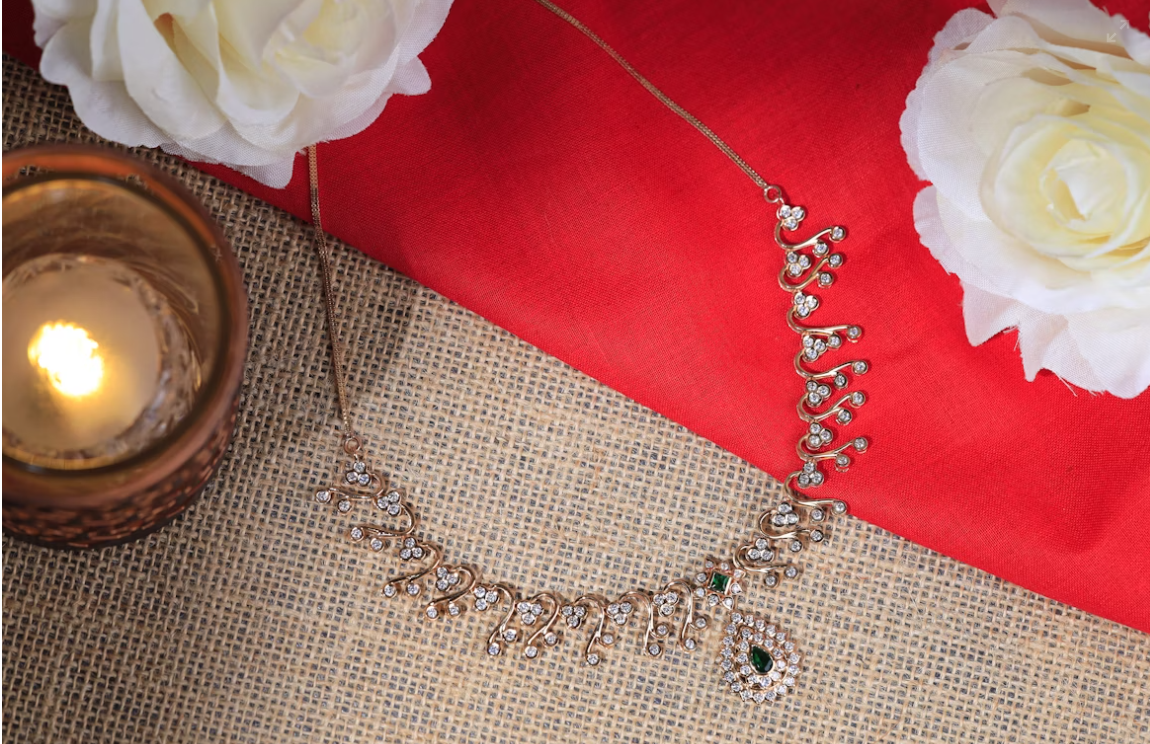
    Combining metals, pearls, gemstones, or leather chains adds texture and depth. Balance is essential. For example, pairing a delicate gold chain with a chunky leather strap works best with a neutral middle chain as a transition.

    Color Coordination and Contrast Techniques

    Color choices matter. Monochromatic layering gives a sleek, polished look, while mixing colors adds vibrancy. Try warm-and-cool color contrasts or use a single bright chain to become the visual focus.


    Choosing Necklaces Based on Face Shape and Neck Type

    Round and Square Face Layering Tips

    Round faces benefit from longer or Y-shaped necklaces to elongate the appearance. Square faces work well with softer curves in the chains, softening angles and creating a more balanced look.

    Long and Short Neck Recommendations

    Those with long necks can layer shorter chains to accentuate elegance, while short necks look better with gradually increasing chain lengths to avoid a compressed look.


    Techniques for Creating Visual Depth

    Using Length Differences as a Visual Focus

    Different chain lengths naturally create focal points. Typically, the central chain can feature a pendant or decorative element to draw attention.

    Mixing Thicknesses and Textures

    Layering thick and thin chains adds dimensionality. Texture contrast also enhances sophistication—for instance, matte chains with shiny chains create a premium feel.

    Center Pendants and Placement Tips

    The central pendant should usually sit just below the collarbone, positioned to complement surrounding layers without tangling.


    Layering Styles for Different Occasions

    Casual Everyday Style

    Opt for simple chains paired with small pendants. Neutral or soft colors work best with T-shirts and jeans for a relaxed yet stylish vibe.

    Office and Professional Style

    Minimalist metallic chains are ideal for work settings. Keep it sleek, subtle, and professional—avoid overly flashy or chunky pieces.

    Evening and Party Style

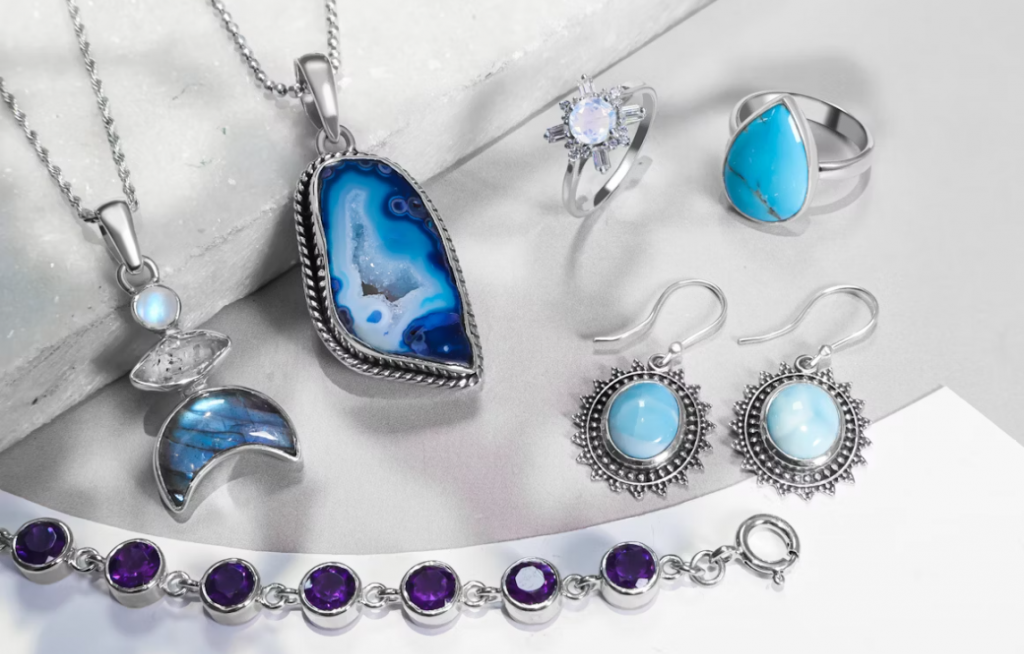
    Bold layering with gemstones, pearls, and statement chains is perfect for glamorous occasions. Combining different textures elevates the outfit to luxurious sophistication.


    Necklace Materials and Care Tips

    Gold, Silver, and Plated Chains

    Gold is durable and ideal for everyday layering. Silver may tarnish and requires regular cleaning. Plated chains need gentle handling to avoid wear.

    Pearls and Natural Gemstones

    Pearls and gemstone chains are delicate. Avoid contact with cosmetics or sweat, and store them separately to prevent damage.

    Maintenance and Cleaning Techniques

    Use soft cloths to clean chains. Avoid harsh chemicals. For pearls, a damp cloth is ideal, and regular storage in jewelry boxes preserves their quality.


    Common Mistakes to Avoid

    Overlapping Lengths or Crowded Chains

    Layering should create depth, not clutter. Repeating the same lengths can lead to tangling and visual chaos.

    Conflicting Styles in a Single Outfit

    Mixing highly contrasting styles may appear messy. For formal occasions, avoid pairing casual leather or bohemian chains with elegant jewelry.


    Celebrity and Influencer Layering Examples

    International Celebrity Inspiration

    Celebrities like Kate Blanchett and Bella Hadid use layering to highlight neckline features, providing diverse inspiration for styling your own layers.

    Social Media Influencers’ Tips

    Instagram and TikTok influencers often demonstrate the “mix-and-highlight” method, showing how to layer for everyday outfits effectively.


    Matching Necklaces with Other Accessories

    Coordinating with Earrings and Rings

    Match necklace metals or tones with earrings and rings to create a cohesive look. A well-coordinated accessory ensemble enhances overall impact.

    Necklace and Clothing Neckline Alignment

    V-necks pair well with long or Y-shaped necklaces. Round necklines suit shorter layered chains. Ensure chains aren’t hidden under clothing for maximum effect.


    DIY and Custom Layering Ideas

    Creating Your Own Layered Combinations

    Repurpose old chains to design your own layered set. Experiment with textures, lengths, and pendants to reflect personal style.

    Custom Jewelry Brand Recommendations

    Brands like Tiffany & Co., Pandora, and Mejuri offer customization, allowing you to craft perfectly tailored layered combinations based on neck type and personal preference.


    Layering Necklaces for Different Seasons and Occasions

    Seasonal Style Adjustments

    Summer favors lightweight chains and pearls, while winter allows for chunkier, longer layers. Adjust colors and textures seasonally.

    Occasion-Specific Layering Strategies

    Casual, date night, and party outfits each benefit from different layering approaches. Comfort and visual balance remain the key factors.


    Conclusion and Fashion Advice

    Layering necklaces is more than a styling choice—it’s a way to showcase individuality. By mastering length variation, material mixing, color contrast, and occasion-specific layering, anyone can achieve a fashion-icon-worthy look. Remember: depth, coordination, and subtle highlights are the three golden rules for necklace layering.


    FAQs

    Q1: How many necklaces should a beginner start layering with?
    A1: Start with two different lengths, then gradually experiment with three or more chains.

    Q2: What necklace lengths work best for layering?
    A2: Collar/choker (16–18 in.), medium (20–24 in.), and long (28+ in.) chains are ideal.

    Q3: Can I mix different materials in a layered look?
    A3: Yes, but balance is key. Use neutral chains as transitions between metals, leather, or gemstones.

    Q4: Is layering necklaces appropriate for work?
    A4: Yes, but choose simple metallic chains to maintain a professional appearance.

    Q5: How do I clean pearls or gemstone necklaces?
    A5: Wipe gently with a damp cloth, avoid chemicals, and store in jewelry boxes.

    Q6: How should necklaces be matched with earrings and rings?
    A6: Choose matching metals or tones to create a coordinated and polished look.
  • 5 Jewelry Trends That Will Elevate Your Look in 2024

    5 Jewelry Trends That Will Elevate Your Look in 2024

    Introduction: Why Jewelry Trends Matter in Fashion

    Fashion comes and goes, but jewelry always tells a story. It defines character, style, and emotion—often without a single word.
    In 2024, jewelry is not just about sparkle; it’s about statement. The focus is shifting toward self-expression, sustainability, and timeless elegance that speaks volumes in simplicity.

    From Classic to Contemporary: The Evolution of Jewelry

    Once a symbol of status, jewelry has evolved into an emblem of individuality. The modern wearer chooses meaning over price tags, blending craftsmanship with personal identity.

    2024 Aesthetic Keywords: Individuality, Sustainability, and Modern Luxury

    Whether you’re into everyday wear or red-carpet glam, 2024’s trends emphasize subtle power and conscious beauty.


    Trend #1: The Minimalist Gold Revival

    Quiet Luxury—The Power of Simplicity

    Minimalism is making a major comeback. Think sleek lines, refined finishes, and pieces that whisper sophistication. Gold jewelry, in particular, is leading the “quiet luxury” movement—subtle, timeless, and effortlessly chic.

    How to Style: From Office to Evening

    Pair a slim gold chain with your work blazer, or layer delicate rings for a refined evening look. Minimalist gold transitions seamlessly from professional to playful.

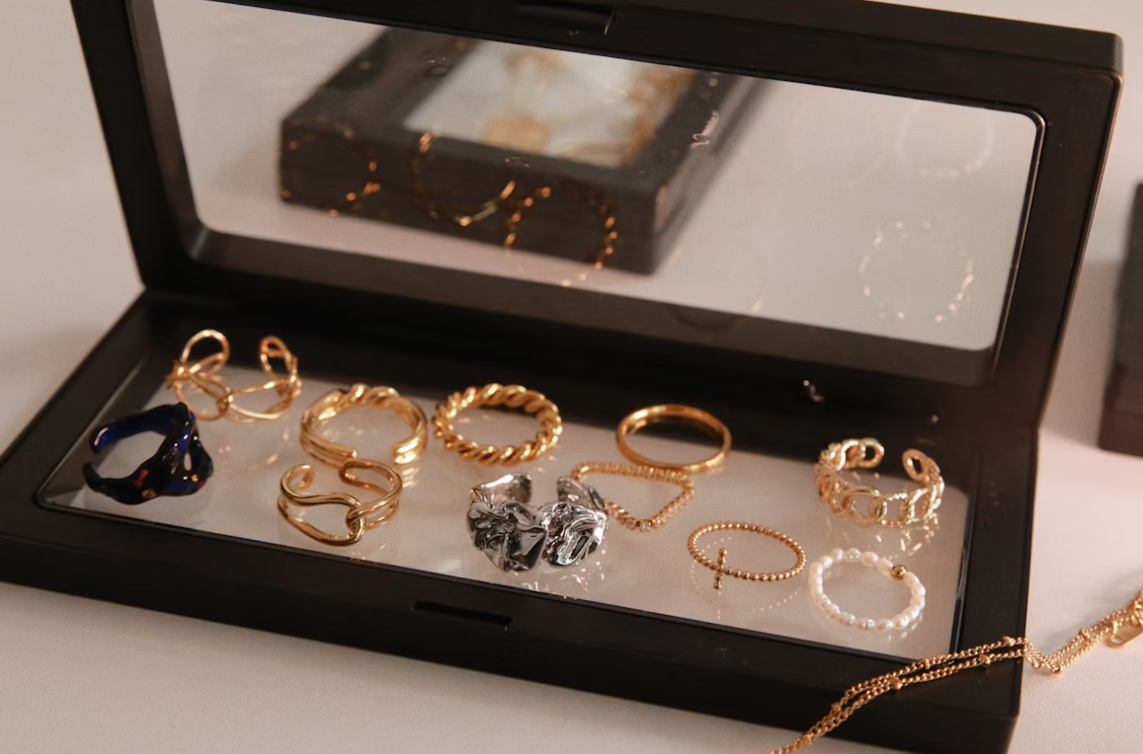
    Must-Have Pieces: Thin Hoops, Simple Chains, and Layered Rings

    These essentials add polish to any outfit without overdoing it. A minimalist gold hoop, for example, instantly elevates even a plain white tee.


    Trend #2: Color Gemstone Expression

    Jewelry as an Emotional Extension

    2024 celebrates color. Gemstones are no longer just ornaments—they reflect moods and emotions. Each hue tells a story, making jewelry deeply personal.

    Trending Gemstones: Sapphire, Topaz, and Green Tourmaline

    Blue sapphire exudes calm authority, yellow topaz radiates optimism, and green tourmaline channels balance and healing. These stones are the emotional palette of the year.

    How to Pick the Gemstone That Matches Your Mood

    Ask yourself: What energy do I want to attract today? That answer will guide your gemstone choice better than any trend list.


    Trend #3: Nature-Inspired Elegance

    The Rise of Organic Shapes: Leaves, Shells, and Blossoms

    Designers are embracing nature’s imperfections. Jewelry inspired by organic forms—flowing lines, asymmetrical petals, and textured shells—captures natural beauty in its rawest form.

    Material Innovation: Pearls Meet Recycled Minerals

    Pearls, a long-standing symbol of grace, are being reinvented with sustainable materials like recycled gold and minerals. It’s luxury with a conscience.

    The Balance Between Eco-Awareness and Aesthetics

    Eco-conscious consumers are no longer sacrificing beauty for ethics—nature-inspired pieces now deliver both.


    Trend #4: Sculptural & Futuristic Designs

    Breaking Boundaries: Where Art Meets Technology

    The future is bold, abstract, and architectural. With 3D printing and cutting-edge metallurgy, jewelry is transforming into wearable art.

    The Material Revolution: Titanium, Resin, and Experimental Gems

    Forget traditional metals—lightweight yet durable materials like titanium and resin are redefining design possibilities.

    Best For: Bold and Avant-Garde Style Lovers

    If you’re someone who views fashion as self-expression, these futuristic pieces will make your wardrobe pop with originality.


    Trend #5: Modern Vintage Fusion

    The Return of Retro Glamour: Pearls, Emeralds, and Antique Craftsmanship

    Vintage aesthetics are back—but reinvented. Designers are fusing nostalgic elements with contemporary settings, creating timeless yet modern appeal.

    How to Combine Vintage Vibes with Modern Outfits

    Pair an heirloom pearl necklace with a crisp white shirt or style a vintage emerald ring with leather—contrast is the new elegance.

    From Runway to Street: Celebrities Leading the Way

    From Zendaya to Margot Robbie, A-listers are blending old-school glam with 2024’s sleek minimalism, setting the tone for the modern vintage movement.


    How to Choose and Match Trendy Jewelry

    Matching Metal Tones with Skin Undertones

    Warm undertones glow with yellow gold, while cooler tones shine in silver or platinum. Rose gold flatters nearly everyone.

    Styling by Occasion: Minimal for Work, Bold for Nights Out

    Keep it refined during the day—like gold studs—and switch to vibrant gemstones or statement cuffs for the evening.

    The “Less is More” Philosophy

    Don’t overload. Let one standout piece carry the spotlight for a cleaner, more elegant impression.


    2024 Jewelry Consumer Trends: Sustainability Meets Technology

    The Rise of Lab-Grown Diamonds and Conscious Luxury

    Lab-grown diamonds are no longer just alternatives—they’re the future. Identical in sparkle and structure, they offer guilt-free brilliance at a lower cost.

    Blockchain Innovation and Transparent Sourcing

    Thanks to blockchain, brands now provide full transparency—tracing gems from mine to market. Trust and traceability have become the new gold standard.


    Jewelry as Self-Expression: Beyond Accessory

    Your Jewelry Tells Your Story

    Every piece you wear communicates who you are. Jewelry is your silent signature—a reflection of confidence, creativity, and intent.

    Redefining Power and Independence Through Style

    Today’s women don’t wait to receive jewelry—they choose it. That autonomy transforms jewelry from decoration into declaration.


    Conclusion: Tell Your Story Through Jewelry in 2024

    From minimalist gold to vibrant gemstones and eco-chic designs, 2024’s jewelry trends are all about authenticity. The right piece doesn’t just complete your outfit—it amplifies your voice.
    So go ahead—curate, combine, and create. Let your jewelry speak before you do.


    FAQs

    1. What jewelry pieces are worth investing in 2024?
    Minimalist gold and lab-grown diamond pieces are both timeless and trend-forward—great for daily wear or long-term investment.

    2. What’s the difference between lab-grown and natural diamonds?
    They’re chemically identical; lab-grown diamonds are simply created sustainably in controlled environments.

    3. How do I care for colored gemstone jewelry?
    Avoid sunlight exposure and harsh chemicals. Clean gently with a soft, damp cloth.

    4. Who can wear minimalist gold jewelry?
    Everyone. It’s versatile, elegant, and complements any outfit—from business suits to casual wear.

    5. How can I verify if a jewelry brand is sustainable?
    Look for certifications, transparent sourcing policies, and eco-friendly materials like recycled gold.

    6. How to mix vintage jewelry with modern outfits?
    Combine contrasts: pair pearls with denim or antique rings with tailored blazers for a chic, updated look.

  • 5 Common Skincare Mistakes That Could Be Ruining Your Skin

    5 Common Skincare Mistakes That Could Be Ruining Your Skin

    Introduction: Skincare Isn’t as Simple as It Seems

    Have you ever invested time and money into skincare, only to see minimal improvement—or worse, worsening skin? Often, the problem isn’t the products themselves but the common mistakes we make while using them. Skincare might seem simple, but there are hidden traps that can sabotage your results.

    Why Skincare Mistakes Are So Common

    The beauty industry is overflowing with information, and marketing constantly promotes “instant results.” This encourages the misconception that more products or more steps automatically equal better skin. In reality, the lack of proper knowledge and blindly following trends often causes more harm than good.

    The Hidden Reasons Behind Frequent Skin Problems

    Beyond genetics and environmental factors, poor skincare habits—like over-cleansing, neglecting sun protection, or misusing products—are major contributors to acne, sensitivity, and premature aging.


    Mistake 1: Over-Cleansing Your Skin

    Is Washing Your Face More Often Really Better?

    Many people believe that the cleaner your face, the healthier your skin. In fact, over-cleansing can damage your skin barrier, causing dryness, irritation, and even rebound oiliness.

    The Risks of Over-Cleansing

    • Compromised Skin Barrier: Natural oils protect your skin, and excessive washing strips them away.
    • Loss of Moisture: Frequent washing accelerates water loss, leaving skin tight and dehydrated.
    • Microbial Imbalance: Over-cleansing disrupts skin’s natural microbiome, increasing sensitivity and acne.

    How to Tell if You’re Over-Cleansing

    If your skin feels tight, stings, or produces excess oil soon after washing, it’s likely being over-cleansed.

    Proper Cleansing Methods and Frequency

    • Wash twice daily (morning and evening).
    • Use gentle cleansers suitable for your skin type.
    • Keep water temperature around 30–35°C to avoid irritation.

    Mistake 2: Neglecting Sunscreen

    The Hidden Dangers of UV Exposure

    UV rays not only cause tanning but also lead to dark spots, fine lines, and even skin cancer. Many people assume sunscreen is only necessary in summer, but UV exposure happens year-round.

    Sunscreen Isn’t Just for Summer

    Even on cloudy days or indoors near windows, UVA rays can penetrate glass and damage your skin. Daily sunscreen application is non-negotiable.

    How to Choose the Right Sunscreen

    • SPF: SPF 30 for daily use, SPF 50+ for prolonged outdoor activity.
    • PA Rating: PA++ or higher for effective UVA protection.
    • Texture: Choose light water-based formulas for oily skin and richer creams for dry skin.

    Tips for Building a Consistent Sunscreen Routine

    • Apply 20 minutes before going outside.
    • Reapply every 2–3 hours, especially after sweating or swimming.
    • Complement sunscreen with hats, sunglasses, and protective clothing for full coverage.

    Mistake 3: Misusing or Over-Mixing Skincare Products

    Risks of Layering Skincare Products Improperly

    Blindly layering multiple products doesn’t enhance results—it can irritate your skin. High concentrations of acids, vitamin C, or retinoids used together may compromise your skin barrier.

    Ingredients That Should Never Be Mixed

    • Vitamin C + AHA/BHA: Can cause excessive irritation.
    • Retinol + Salicylic Acid: May lead to dryness and flaking.
    • Multiple exfoliating products: Increases redness and sensitivity.

    How to Combine Skincare Products Safely

    • Identify basic products: cleanser, toner, moisturizer, sunscreen.
    • Use active ingredients at separate times (e.g., vitamin C in the morning, retinol at night).
    • Track your routine to avoid conflicts.

    Why a Consistent Skincare Routine Matters

    Following a structured routine—cleanse → tone → serum → moisturizer → sunscreen—helps maximize efficacy while minimizing risks. Adjust products according to skin type and season.


    Mistake 4: Ignoring Your Skin’s Water-Oil Balance

    The Myth of “Dry vs. Oily Skin”

    Many assume oily skin doesn’t need hydration and dry skin doesn’t need oil control. In reality, maintaining water-oil balance is critical for all skin types.

    Signs Your Water-Oil Balance Is Off

    • Excess oil or tight dryness.
    • Frequent breakouts, blackheads, or dull complexion.
    • Makeup smudging or uneven application.

    How to Restore Water-Oil Balance

    • Use gentle cleansers and moisturizers that address both hydration and oil control.
    • Incorporate hydrating masks and lightweight oil-control serums.
    • Avoid excessive exfoliation to prevent over-stimulation of oil glands.

    Recommended Habits and Products

    • Layer a lightweight lotion under a moisturizer for different skin zones.
    • Use water-based mists for on-the-go hydration and oil control.
    • Adjust skincare based on climate and seasonal changes.

    Mistake 5: Lack of Patience and Consistency

    Skincare Takes Time

    Skincare is not a “quick fix.” Constantly switching products in search of instant results can backfire and damage the skin.

    The “Change Products Quickly” Trap

    Many abandon products too soon after minor irritation or a short testing period. Skin typically requires 4–8 weeks to show noticeable improvement.

    How to Track Skincare Results Properly

    • Test each product for at least a month.
    • Record changes in breakouts, dryness, or oiliness.
    • Take photos to compare progress objectively.

    How to Build a Long-Term Skincare Plan

    • Set morning and evening routines and stick to them.
    • Adjust products seasonally or as your skin ages.
    • Maintain healthy lifestyle habits to complement skincare.

    Conclusion: Correct Skincare Starts with Awareness

    Skincare is both a science and an art. Avoiding common mistakes, understanding your skin type, and establishing a consistent, long-term plan are key to achieving healthy, radiant skin. Remember, effective skincare is an investment, not a quick fix.


    FAQs

    Q1: How Many Times Should I Wash My Face Daily?
    Twice daily—morning and night—is enough; over-washing can damage the skin.

    Q2: Can Sunscreen Replace a Makeup Primer?
    No. Sunscreen protects against UV rays, while primers shield from dust and improve makeup application.

    Q3: Can I Layer as Many Skincare Products as I Want?
    No. Incompatible ingredients may irritate skin; follow a scientific routine.

    Q4: How Can Sensitive Skin Avoid Skincare Mistakes?
    Use gentle, low-irritant products, avoid over-exfoliation, and don’t switch products too frequently.

    Q5: How Long Until Skincare Products Show Results?
    Most products need at least 4–8 weeks for visible results; patience is key.

    Q6: Do Oily Skin Types Need Moisturizer?
    Yes. Proper hydration helps regulate oil production and maintain balance.

  • How to Build a Skincare Routine That Works – Start Today!

    How to Build a Skincare Routine That Works – Start Today!

    If you’ve ever felt overwhelmed by endless skincare advice, you’re not alone. With so many products and opinions out there, it can be hard to know where to start. The truth is—building a skincare routine doesn’t have to be complicated. All you need is the right understanding, consistency, and products that suit your skin. Let’s break it down step-by-step.


    1. Why a Skincare Routine Matters

    1.1 Skincare is Not Luxury—It’s Self-Management

    Skincare isn’t just about looking good—it’s about taking care of your body’s largest organ. Healthy skin protects you from pollution, bacteria, and UV damage. Think of it as maintaining your car: regular care prevents bigger problems down the road.

    1.2 The Long-Term Benefits of Consistent Skincare

    A consistent routine can improve your skin texture, prevent premature aging, and boost your confidence. The earlier you start, the better your long-term results will be.


    2. Know Your Skin Type

    2.1 The Four Basic Skin Types

    1. Dry Skin – Lacks moisture and feels tight.
    2. Oily Skin – Shiny with enlarged pores.
    3. Combination Skin – Oily in the T-zone, dry on the cheeks.
    4. Sensitive Skin – Easily irritated or red.

    2.2 How to Identify Your Skin Type

    Wash your face, don’t apply anything for 30 minutes, then observe:

    • Tight and flaky? Dry.
    • Shiny all over? Oily.
    • Shiny T-zone only? Combination.
    • Red or itchy? Sensitive.

    2.3 Tailoring Your Routine to Your Skin’s Needs

    Once you know your type, you can choose products that balance oil, hydration, and protection.


    3. The Core Three-Step Skincare Rule

    3.1 Cleansing: The Foundation of Healthy Skin

    A good cleanser removes dirt and oil without stripping moisture. Opt for a gentle formula—harsh cleansers can cause irritation and dryness.

    3.2 Moisturizing: The Secret to Hydration

    Moisturizers seal in hydration and strengthen your skin barrier. Look for ingredients like hyaluronic acid or ceramides for long-lasting moisture.

    3.3 Sunscreen: The Ultimate Anti-Aging Weapon

    Daily sunscreen use is non-negotiable. UV rays are responsible for up to 80% of visible aging. Even indoors, blue light from screens can harm your skin.

    Morning and Evening Skincare Order

    Morning: Cleanser → Toner → Serum → Moisturizer → Sunscreen
    Evening: Makeup remover → Cleanser → Serum → Moisturizer → Optional mask or treatment


    4. Advanced Skincare: Targeted Treatments

    4.1 How to Use Serums Effectively

    Serums deliver concentrated ingredients that tackle issues like dullness, fine lines, or acne. Use only a few drops—less is more.

    4.2 Masks, Exfoliants, and Special Care Products

    Use exfoliants once or twice a week to remove dead skin cells. Clay masks help with oil control, while hydrating masks restore moisture balance.

    4.3 Anti-Aging Essentials After 25

    Your mid-20s mark the decline of collagen production. Add antioxidants (like Vitamin C) and retinol to your routine for prevention.


    5. Building a Personalized Skincare System

    5.1 Start with the Basics

    You only need three essentials: a cleanser, moisturizer, and sunscreen. Build from there based on your skin goals.

    5.2 How to Layer Multiple Products

    Always apply from thinnest to thickest texture—toner, serum, moisturizer, then sunscreen.

    5.3 Seasonal Skincare Adjustments

    In summer, go for lightweight formulas; in winter, switch to richer creams.


    6. Common Skincare Mistakes to Avoid

    6.1 The “Expensive Means Better” Trap

    High price doesn’t equal high performance. The key lies in ingredient effectiveness, not the label.

    6.2 Over-Switching Products

    Give new products at least four weeks to show results. Changing too often can cause breakouts and sensitivity.

    6.3 The Risks of DIY Skincare

    Homemade masks can harbor bacteria or cause irritation. Leave the chemistry to professionals.


    7. The Science Behind Skincare: Ingredients Matter

    7.1 Key Active Ingredients: Hyaluronic Acid, Vitamin C, Retinol

    • Hyaluronic Acid: Deep hydration
    • Vitamin C: Brightens and fights free radicals
    • Retinol: Stimulates collagen and smooths fine lines

    7.2 How to Read an Ingredient List

    The first five ingredients make up most of the formula—pay attention to them. Avoid harsh alcohols and artificial fragrances.

    7.3 Ingredient Pairings and What to Avoid

    Never mix retinol with acids; pair Vitamin C with sunscreen for extra protection.


    8. How to Evaluate If Your Routine Works

    8.1 Timeframes and Visible Results

    Most products need 4–8 weeks to show visible improvement. Be patient—consistency is key.

    8.2 When to Adjust Products

    If you notice breakouts, dryness, or redness, simplify your routine and reintroduce products one by one.

    8.3 Why You Should Keep a Skincare Journal

    Tracking helps identify what truly benefits your skin and prevents repeating mistakes.


    9. Men’s Skincare: The Overlooked Category

    9.1 What Makes Men’s Skin Different

    Men’s skin is thicker, oilier, and prone to larger pores due to higher testosterone levels.

    9.2 A Simple Yet Effective Routine for Men

    Cleanse → Tone → Moisturize → Sunscreen.
    Simplicity works best for long-term consistency.


    10. The Future of Skincare: Tech and Personalization

    10.1 AI Skin Analysis and Custom Solutions

    AI-based apps can now scan your skin and suggest tailored routines—skincare meets technology.

    10.2 The Rise of Minimalist Skincare

    The “less is more” movement promotes fewer but smarter products to minimize irritation.

    10.3 Sustainable Beauty and Eco-Friendly Trends

    Brands are moving toward refillable packaging and biodegradable materials to reduce waste.


    11. Consistency Is Key: Turning Skincare into a Lifestyle

    11.1 Building a Sustainable Routine

    Consistency matters more than perfection. Even a simple routine, done daily, outperforms a complex one done occasionally.

    11.2 The Link Between Skincare, Diet, and Mental Health

    Healthy skin starts from within. Eat nutrient-rich foods, sleep well, and manage stress—they all reflect on your face.


    12. Conclusion and Action Plan

    12.1 Designing Your Ideal Routine

    There’s no one-size-fits-all routine. Your ideal skincare is the one that fits your needs, lifestyle, and comfort.

    12.2 Start Small, Stay Consistent

    Pick three essentials—cleanser, moisturizer, sunscreen—and start today. Skincare success is built one day at a time.


    Conclusion

    Skincare isn’t magic—it’s science, patience, and discipline. Once you understand your skin, choose products wisely, and stick to your routine, visible results will follow. Remember, the best time to start caring for your skin is now.


    FAQs

    1. Do I really need a multi-step skincare routine?
    Not necessarily. Start simple, then build up as your skin adapts.

    2. Can oily skin skip moisturizer?
    No. Dehydration causes more oil production. Use lightweight, oil-free formulas.

    3. How should I adjust my skincare in different seasons?
    Use lighter textures in summer and richer ones in winter.

    4. Do I need sunscreen on cloudy days?
    Absolutely. UV rays penetrate clouds and windows.

    5. Which is more important: serum or moisturizer?
    They serve different purposes—serum targets issues, moisturizer seals hydration.

    6. How do I care for my skin during sensitive periods?
    Simplify your routine, avoid active ingredients, and focus on barrier repair.

  • Beauty Budget Optimization: Spend Smart, Glow More

    Beauty Budget Optimization: Spend Smart, Glow More

    Title:
    Want to Afford Better Skincare? Start by Optimizing Your Savings

    Beauty lovers know the struggle: premium skincare and cosmetics can transform your results—but they often come with a premium price tag.

    So how do smart shoppers afford high-end beauty products without overspending?

    Simple: they make their money work harder.

    That’s why more beauty enthusiasts in the Netherlands are using Raisin NL (https://www.raisin.nl) to grow their beauty budgets effortlessly.

    More Interest = More Beauty Choices

    With Raisin NL, you can:

    • Compare high-yield savings accounts
    • Pick trusted European partner banks
    • Earn much higher returns than with typical Dutch banks
    • Grow your beauty fund automatically

    Imagine earning extra interest every month—just for leaving your money in a smarter place.

    That extra savings could go toward:

    • High-end moisturizers
    • Serums that actually deliver
    • Beauty devices
    • Spa treatments
    • Holiday gift sets

    Beauty Is an Investment—So Treat It Like One

    Skincare takes consistency, and so does financial growth. Raisin NL gives you a simple way to build a stronger beauty budget without sacrifice.

    Try smarter saving and enjoy more of the beauty products you love: https://www.raisin.nl

  • The Secret to Flawless Makeup: 5 Products Every Woman Needs

    The Secret to Flawless Makeup: 5 Products Every Woman Needs

    Introduction: The Art and Science of Makeup
    Makeup may look simple on the surface, but it’s actually a combination of art and science. You might spend ten minutes on your daily routine, yet the “flawless” result depends not only on skill but also on the products you choose. Why do two people following the same steps get completely different results? Often, it’s all in the products. Choosing wisely can give every woman a perfect finish.

    1. Effective Base Makeup: The Foundation of Perfect Skin

    Choosing the Right Foundation or Cushion


    Your base makeup is the soul of your look. A foundation or cushion that suits your skin type can make it appear naturally flawless. Dry skin benefits from moisturizing foundations, while oily skin requires oil-control formulas.

    Concealing Pores and Imperfections
    Concealer is not just for pimples—it hides pores and uneven skin tone. Lightly tapping the product rather than rubbing ensures a natural finish.

    How to Choose Products Based on Skin Type
    Different skin types have different needs. Dry skin focuses on hydration, oily skin on oil control and staying power.

    Balancing Coverage and Lightweight Finish
    High-coverage foundations can feel heavy. The key is using concealer only where needed while keeping other areas light for a natural effect.

    2. Setting Products: Keeping Your Makeup Flawless All Day

    Differences Between Loose Powder, Pressed Powder, and Setting Spray
    Loose powder controls oil, pressed powder enhances smoothness, and setting spray locks makeup while adding radiance.

    Adjusting Your Routine for Different Seasons
    Summer requires oil-controlling powders, while winter benefits from hydrating sprays.

    Combining Oil Control and Hydration
    For combination skin, apply powder only in oily areas, then lightly mist the whole face with a hydrating spray for lasting comfort.

    3. Highlight & Contour: The Secret to Sculpted Features

    Using Light and Shadow to Shape Your Face
    Highlighter and contour instantly create dimension. Highlight cheekbones, nose bridges, and forehead to define facial structure.

    Powder, Liquid, and Cream Options
    Powder highlighters suit oily skin, liquid formulas hydrate dry skin, and cream products create a luminous effect.

    Avoiding Over-Contouring for Beginners
    New users often overdo contouring. Start light, then gradually build depth to avoid a heavy appearance.

    4. Eye Makeup Essentials: Make Your Eyes Stand Out

    Choosing and Combining Eyeshadows
    Neutral tones are ideal for daily wear, smoky shades for evening events. Using 3–4 colors creates natural depth.

    Eyeliner and Mascara Techniques
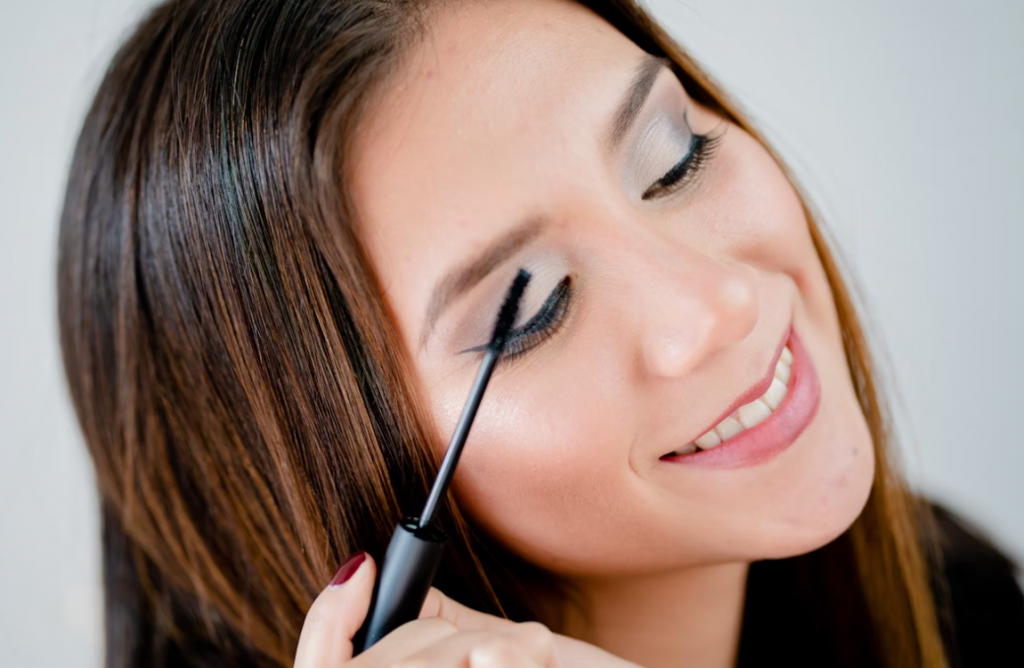
    Eyeliner defines the shape, while mascara adds length and volume. Small details dramatically change your eye expression.

    Tips to Add Depth and Dimension
    Brighten inner corners or lightly smudge the lower lash line to create a more open, alert look.

    5. Lip Products: The Key to a Polished Look

    Choosing Lipstick, Lip Gloss, and Lip Liners
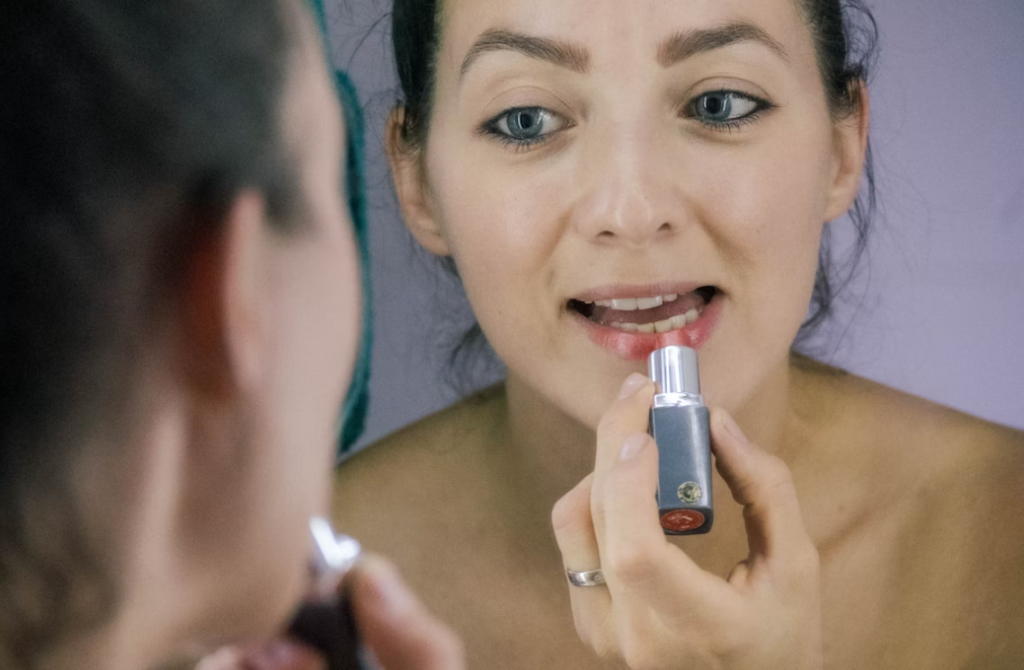
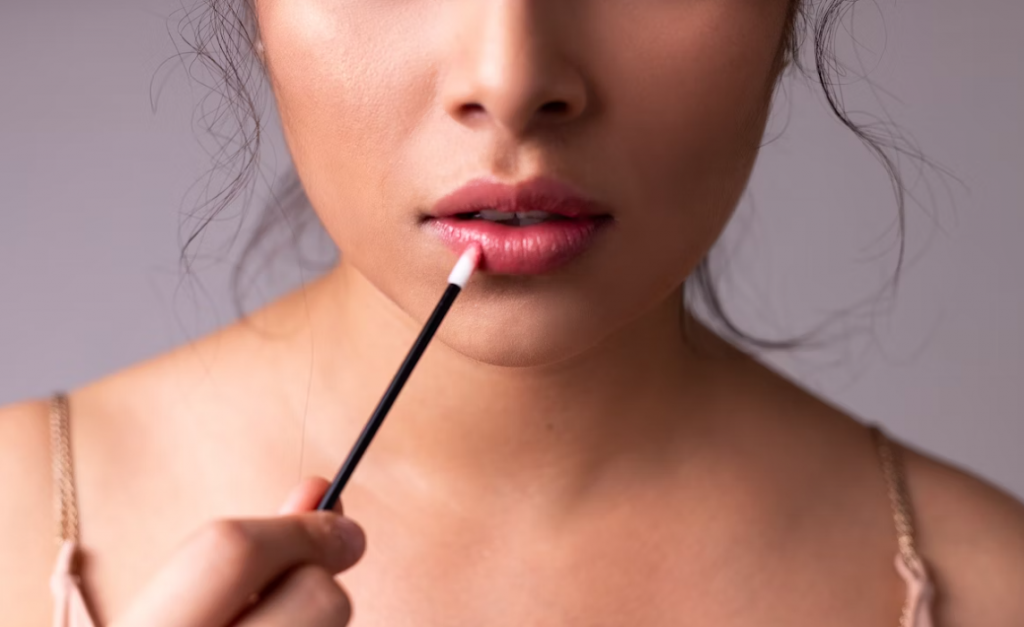
    Lip liner defines shape; lipstick or gloss adds color and polish. Choose shades that complement your overall makeup and skin tone.

    Matching Lip Colors with Different Makeup Styles
    Daily looks favor nude or soft pink shades, evening looks work well with deep reds or berries for a bolder effect.

    Tips for Long-Lasting Lip Color
    Apply a lip balm first, blot lightly with tissue, then layer lipstick to increase staying power.

    Pro Tips: Maximizing the Effect of These 5 Products

    Tools: Brushes, Sponges, and Fingers
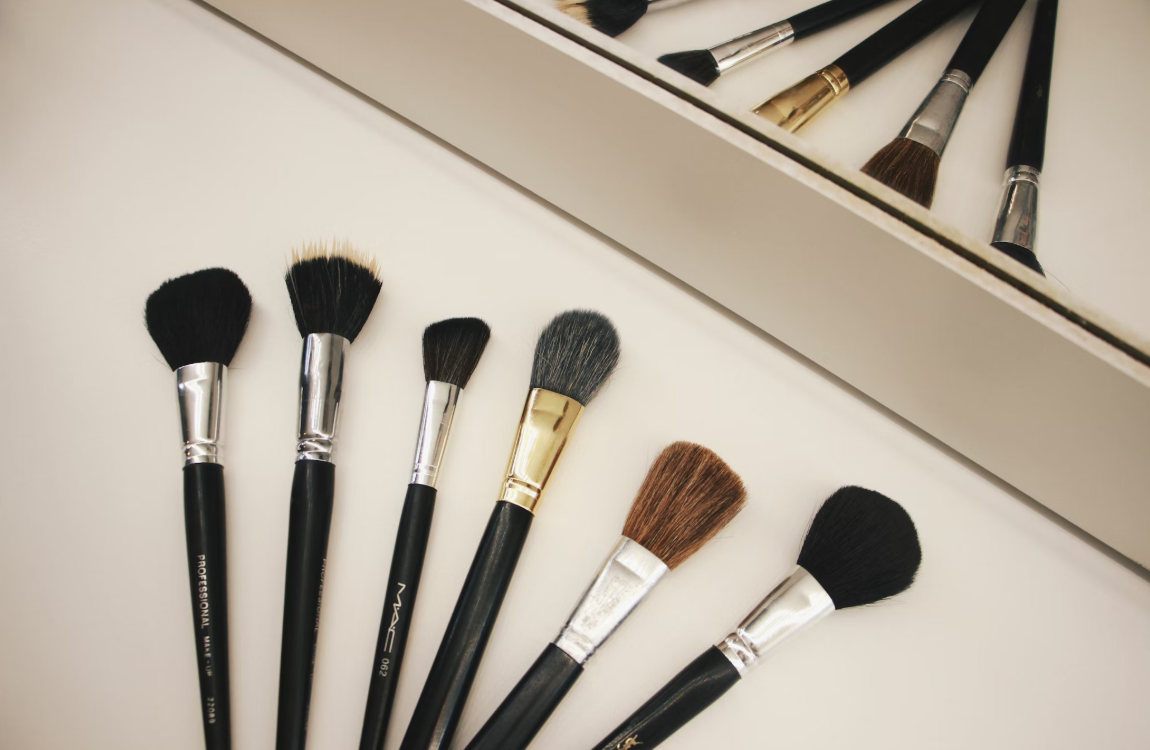
    Different products require different tools. Use a beauty sponge for foundation, blush brushes for color, and fingertips for highlighter for a natural finish.

    The Importance of Application Order
    Follow this order: base → setting → contour → eyes → lips. It saves time and ensures makeup lasts longer.

    Adjusting for Daily vs. Evening Makeup
    Daytime makeup should be light and natural; evening makeup can use stronger eye shadow and highlighter for more depth and glow.

    Conclusion: Flawless Makeup Is Science, Not Magic
    Flawless makeup isn’t a secret—it’s about understanding and strategy. Master these 5 essential products, adjust for skin type, occasion, and season, and every woman can achieve perfect results. Investing in high-quality basics is the smartest beauty investment you can make.

    FAQs

    1. Are these products suitable for all skin types?
      Each product suits certain skin types; always consider your skin before purchasing.
    2. How can beginners avoid makeup mistakes?
      Start with basic product usage, apply gradually, and avoid using too many products at once.
    3. Does price affect product effectiveness?
      Price doesn’t always equal effectiveness, but high-quality, reliable formulas often produce better results.
    4. How should products be adjusted for different seasons?
      Summer: focus on oil control; Winter: focus on hydration. Adjust products and amounts accordingly.
    5. What’s the difference between daily and professional makeup?
      Daily makeup emphasizes natural, lightweight finishes; professional makeup prioritizes staying power and polish.
    6. Which of the five products is most important?
      Base makeup is foundational—without it, other products’ effects diminish.
  • 5 Common Beauty Mistakes You Might Be Making – Fix Them Now!

    5 Common Beauty Mistakes You Might Be Making – Fix Them Now!

    Introduction: How Everyday Habits Can Sabotage Your Glow

    You might think your skincare routine is solid—but what if some of your daily “beauty rituals” are secretly working against you? The truth is, many people fall into subtle habits that slowly damage the skin barrier, speed up aging, or reduce product effectiveness.
    This guide exposes the five most common beauty mistakes and shows you how to fix them with practical, science-backed solutions. Let’s make your routine smarter—not harder.


    Mistake #1: Over-Exfoliating

    Why It Happens: The “More Is Better” Myth

    Exfoliation removes dead skin cells and reveals a brighter complexion, but doing it too often—or using the wrong products—strips your natural barrier. Many people assume more exfoliation equals smoother skin, but it usually leads to irritation and redness instead.

    The Science Behind Skin Barrier Damage

    The outermost layer of your skin (the stratum corneum) acts like a “brick wall” that locks in moisture. Over-exfoliating weakens this layer, causing increased transepidermal water loss (TEWL) and triggering inflammation.

    Common Warning Signs

    • Tightness, stinging, or redness after cleansing
    • Frequent breakouts or flaky patches
    • Skin feels dry yet oily (a sign of barrier dysfunction)

    How to Fix It: A Balanced Exfoliation Routine

    • Frequency: 1–2 times per week for most; once every two weeks for sensitive skin.
    • Go Gentle: Opt for low-concentration acids (like lactic acid or salicylic acid).
    • Aftercare: Always follow with hydrating and repairing ingredients—think ceramides, glycerin, or panthenol.

    Physical vs. Chemical Exfoliants

    • Physical: Avoid coarse scrubs; choose microfine powders if needed.
    • Chemical: AHA (glycolic, lactic) and BHA (salicylic acid) can smooth without abrasion when used properly.

    Mistake #2: Misusing or Skipping Sunscreen

    Common Errors

    The most frequent sunscreen blunders include:

    • Using SPF only on sunny days
    • Applying too little
    • Forgetting to reapply during the day

    Even indoor lighting and computer screens emit light that contributes to premature aging.

    How UV Damage Builds Up Over Time

    UVA rays penetrate deeply, breaking down collagen and accelerating wrinkles. UVB rays cause sunburn and DNA damage. Both are culprits behind pigmentation and loss of elasticity.

    Quick Fixes: Proper Application and Product Selection

    • SPF 30+ is the bare minimum, SPF 50+ for outdoor activities.
    • Apply a full finger-length of sunscreen for the face.
    • Reapply every 2 hours, especially after sweating or swimming.

    Sunscreen Tips by Skin Type

    • Oily: Choose oil-free, gel or fluid formulas.
    • Dry: Go for moisturizing creams.
    • Sensitive: Use mineral-based sunscreens (zinc oxide or titanium dioxide).

    Mistake #3: Combining Incompatible Skincare Ingredients

    How Ingredient Conflicts Damage the Skin

    Mixing powerful actives without understanding their chemistry can cause irritation or neutralize their effects. For instance, Vitamin C (acidic) and Retinol (sensitive to pH changes) don’t mix well together in one routine.

    How to Build a Safe, Effective Skincare Routine

    • Time separation: Use Vitamin C in the morning and Retinol at night.
    • Simplify: Layer no more than 3–4 products at once.
    • Patch test: Always test new products for 48 hours on your wrist or behind your ear.

    Ingredient Compatibility Chart

    IngredientPairs Well WithAvoid Combining With
    Vitamin CNiacinamide, SunscreenHigh-strength acids
    RetinolCeramides, PeptidesAHAs, BHAs (same night)
    Acids (AHA/BHA)HydratorsRetinol (same routine)
    NiacinamideAlmost everythingNone significant

    Mistake #4: Not Removing Makeup Before Bed

    The Long-Term Damage

    Sleeping with makeup is one of the worst skincare sins. Residue clogs pores, causes inflammation, and interferes with your skin’s natural nighttime repair. Even “breathable” foundations contain particles that stress the skin overnight.

    The Right Cleansing Routine

    1. Double cleanse: Start with cleansing oil/balm → follow with a mild foaming cleanser.
    2. Hydrate after cleansing: Your skin’s natural oils need replacement immediately after washing.

    Myth-Busting: More Cream Doesn’t Mean Faster Repair

    Overloading thick creams suffocates the skin. Choose lightweight products rich in repairing agents like ceramides, peptides, and panthenol instead.


    Mistake #5: Ignoring Your Neck, Hands, and Lifestyle Details

    Why These Areas Age Faster

    The neck and hands have thinner skin and fewer oil glands, making them prone to dryness, fine lines, and pigmentation. Yet they’re often left out of skincare routines.

    Lifestyle Fixes That Boost Skin Health

    • Pillowcases: Switch them regularly to prevent bacteria buildup.
    • Diet: Eat antioxidant-rich foods (berries, leafy greens); reduce sugar to slow collagen glycation.
    • Sleep posture: Avoid pressing one side of your face against the pillow every night.

    Simple Habits That Help

    • Apply your facial skincare down to your collarbones.
    • Use SPF on hands daily.
    • Massage upward on the neck with light pressure to promote circulation.

    Building a Science-Backed Skincare Routine

    Morning Routine

    1. Gentle cleanser
    2. Hydrating serum (hyaluronic acid or niacinamide)
    3. Lightweight moisturizer
    4. Broad-spectrum sunscreen (SPF 30+)

    Night Routine

    1. Makeup remover + cleanser
    2. Targeted treatment (Retinol, exfoliating acids—alternate days)
    3. Repairing moisturizer

    Weekly Treatments

    • 1x/week hydrating or soothing mask
    • Adjust actives based on season (less acid use during dry winter months)

    Troubleshooting & Self-Check List

    If Your Skin Reacts Badly

    Stop all active ingredients immediately. Use barrier-repair creams (ceramides, shea butter, petrolatum) until the skin calms down.

    Allergy vs. Sensitivity

    • Allergy: Redness, swelling, or hives—requires medical attention.
    • Sensitivity: Mild burning or tightness that fades within minutes.

    Conclusion: Small Fixes, Big Transformations

    True beauty isn’t about using more—it’s about using smarter.
    By avoiding these five common mistakes, you’ll not only protect your skin barrier but also enhance the performance of every product you use. Think of skincare as a long-term partnership: when you treat your skin with respect, it rewards you with glow, balance, and resilience.


    FAQs

    Q1: Do I really need sunscreen indoors?
    Yes. UVA rays and blue light from windows and screens still affect your skin. Daily protection prevents premature aging.

    Q2: Can I use Vitamin C and Retinol together?
    It’s best to separate them—Vitamin C in the morning for protection, Retinol at night for repair.

    Q3: How often should I exfoliate?
    Most skin types do well with once a week; oily or acne-prone skin may handle twice. Less is more.

    Q4: Does oily skin need moisturizer?
    Absolutely. Oily skin often overproduces oil due to dehydration. Use a lightweight, oil-free formula.

    Q5: How can I tell if I’m over-exfoliating?
    If your skin feels tight, stings after applying products, or looks shiny but flaky, take a break and focus on hydration.

    Q6: What’s the one skincare habit with the biggest payoff?
    Daily sunscreen use—hands down. It prevents wrinkles, discoloration, and long-term collagen damage better than any other product.

  • The Art of Time — Why More People Choose Citizen Watches

    The Art of Time — Why More People Choose Citizen Watches

    When it comes to wristwatches, it’s not just about telling time — it’s about expressing who you are. Among countless brands, Citizen Watch stands out as a symbol of innovation, craftsmanship, and sustainability. With over a century of Japanese watchmaking excellence, Citizen has redefined what a modern timepiece should be: reliable, beautiful, and environmentally responsible.

    A Legacy of Innovation

    Founded in 1918, Citizen has been synonymous with precision and technology. Over the decades, the brand has led the industry with groundbreaking ideas — from the world’s first multi-band atomic timekeeping watches to its revolutionary Eco-Drive technology. Citizen’s mission has always been clear: to create watches that not only look good but also make the world a little better.

    Eco-Drive Technology: Powered by Light, Driven by Purpose

    One of Citizen’s most remarkable achievements is Eco-Drive — a solar-powered technology that converts any light, natural or artificial, into energy. Once charged, these watches can run for months, even in complete darkness.
    No battery changes. No waste. Just pure, sustainable performance.

    For those who value eco-friendly innovations, an Eco-Drive watch is more than a timepiece — it’s a statement about living responsibly in a fast-paced world.

    Design That Matches Every Lifestyle

    From sleek, minimalist designs to bold chronographs, Citizen offers a watch for every personality.

    • The Promaster series caters to adventurers and divers.
    • The Atomic Timekeeping line suits business professionals who demand precision.
    • The Elegant Eco-Drive collection brings sophistication to daily wear.

    Whether you’re dressing for a meeting or a weekend getaway, there’s a Citizen that fits seamlessly into your lifestyle.

    The Perfect Gift for Every Occasion

    A Citizen watch is a timeless gift. Whether you’re celebrating an anniversary, graduation, or a new milestone, its combination of craftsmanship and sentiment makes it truly special. Plus, with free shipping and warranty coverage on the official Citizen Watch website, buying authentic has never been easier.

    Why Choose Citizen?

    • 100+ years of Japanese craftsmanship
    • Eco-Drive light-powered movement
    • Durable materials and water resistance
    • Modern yet timeless designs
    • Trusted by millions worldwide

    Final Thoughts

    Citizen watches are not just instruments of time — they’re companions in life. Each tick reflects precision, care, and innovation born from a century of excellence.

    Explore your perfect watch today at Citizen Watch Official Store and experience the art of time, reimagined.

  • Beginner’s Guide to Flawless Contouring – Learn in 5 Minutes

    Beginner’s Guide to Flawless Contouring – Learn in 5 Minutes

    Want to make your face look more sculpted and your features pop in photos? Contouring is the secret weapon of makeup—it’s the step that can transform a flat face into a dimensional masterpiece. Don’t worry; it’s not as intimidating as it seems. With just 5 minutes, you can master simple and practical techniques that bring your makeup to life.


    1. Why Contouring is the Soul of Makeup

    Core Purpose: Sculpting Defined Features

    Contouring is essentially the art of light and shadow. By strategically placing darker and lighter shades, you can visually reshape your face—making the nose appear straighter, the jaw sharper, and the cheekbones higher. Think of it as sculpting with makeup!

    Why Beginners Find Contouring Challenging

    Most tutorials seem overly complex: precise lines, multiple layers, and face shape-specific rules. The secret? It’s all about placement and intensity, not product quantity. Follow these steps, and it’s surprisingly easy.


    2. Preparing for Contouring

    Understand Your Face Shape

    Contouring is not one-size-fits-all. Round, square, long, and oval faces all require different approaches. Look in the mirror, identify your face shape, and apply the appropriate technique.

    Essential Tools Checklist

    Contour Stick vs Contour Powder

    Cream sticks are beginner-friendly and easy to control. Powders are better for oily skin or long-lasting makeup.

    Makeup Sponge vs Brush

    Brushes allow precise contour lines, while a damp beauty sponge softens edges for a natural finish. Combining both gives the best result.


    3. 5-Minute Basic Contouring Technique

    Step 1: Create Shadows for Definition

    Apply contour to the hollows of your cheeks, jawline, and sides of your nose to slim and sculpt the face.

    Step 2: Highlight Key Areas for Dimension

    Apply highlighter to the forehead center, nose bridge, chin, and under-eye triangles to mimic natural light reflection.

    Step 3: Blend for a Natural Look

    Use a damp sponge to gently press and blend, erasing harsh lines and creating a seamless finish.

    Step 4: Set Your Contour for Longevity

    Sweep translucent powder over your face to control shine and lock in layers.


    4. Contouring Tips for Different Face Shapes

    Round Face: Lengthen Proportions

    Focus on the cheeks and jawline with vertical shadows to slim and elongate.

    Square Face: Soften Angular Lines

    Contour the jaw corners and highlight the center to create softer angles.

    Long Face: Shorten Vertical Depth

    Minimize nose bridge highlight, add shadow to forehead and chin to compress vertical length visually.

    Oval Face: Balance Light and Shadow

    With naturally proportional features, light highlighting is enough to enhance dimensions.


    5. Common Contouring Mistakes & How to Fix Them

    Overly Harsh Lines

    Apply little by little, blending as you go to avoid “muddy” results.

    Wrong Placement of Light & Shadow

    Shadow belongs under cheekbones, highlighter on natural high points.

    Choosing the Wrong Product Texture

    Dry skin? Cream contour. Oily skin? Powder. Mix textures if needed.


    6. 5 Pro Contouring Tips from Makeup Artists

    1. Use Natural Light – Reflects real skin tones and shadow placement.
    2. Build Gradually – Multiple thin layers are more natural than one thick application.
    3. C-Shaped Highlight – Sweep from brow bone to cheekbone for healthy glow.
    4. Mix Cream & Powder – Adds depth and dimension.
    5. Connect Blush with Contour – Creates seamless transitions.

    7. Recommended Contour Products for Beginners

    Drugstore Options

    • Maybelline Master Contour Stick – Easy, versatile, and beginner-friendly.
    • NYX Wonder Stick – Affordable, natural shades.
    • e.l.f. Contour Palette – Fine powder, easy to blend.

    High-End Options

    • NARS Laguna Bronzer – Contour classic.
    • Fenty Beauty Match Stix – Excellent shade matching.
    • Charlotte Tilbury Contour Wand – Creamy, natural glow finish.

    8. Advanced Tips: Contouring for Photography

    Use Camera Lighting to Enhance Contours

    In photos, slightly stronger contour helps features stand out on camera.

    Adjust Intensity for Different Occasions

    Daily makeup? Light contour. Night or event? Slightly stronger to define features.


    9. Trending Styles: From Heavy to “Barely There” Contouring

    The Rise of Korean Natural Contouring

    Soft shadows and subtle highlights emphasize natural skin texture and glow.

    Western Contouring’s Bold Precision

    Still favors strong shadows for defined, sculpted features.


    10. Post-Contour Skincare & Removal Tips

    Deep Cleansing to Avoid Clogged Pores

    Most contour products are high in pigment or oils. Double cleansing prevents breakouts.

    Choose Skincare-Infused Foundations

    Products with hyaluronic acid or vitamin C help maintain skin health under makeup.


    11. Quick Recap: 5-Minute Contour Formula

    Shadow → Highlight → Blend → Set
    Follow these four steps, and you’ll have a naturally sculpted face in minutes.


    12. Conclusion: Turn Contouring into Your “Face Magic”

    Contouring isn’t about changing your face—it’s about enhancing your best features. With 5 minutes of practice, you’ll see a natural transformation, boosting confidence in every light and every photo.


    FAQs

    1. What’s the difference between contour and highlight?
    Contour creates shadows to slim or sculpt; highlight brightens raised areas for dimension.

    2. Can I contour without professional tools?
    Yes! Your fingers or a beauty sponge can work. Blending is key.

    3. Should beginners use cream or powder contour?
    Cream is easier to control; powder suits oily skin or experienced users.

    4. How do I pick the right contour shade?
    1–2 shades darker than your skin tone is natural. Too dark looks muddy; too light has no effect.

    5. Do I need contouring for everyday work makeup?
    Light contouring enhances your features subtly, making you appear fresh and polished.

  • Financial Self-Care for Beauty Lovers

    Financial Self-Care for Beauty Lovers

    Title:
    The New Beauty Trend in 2025: Financial Self-Care with Raisin NL

    We often talk about self-care in terms of masks, serums, and relaxation rituals. But there’s a growing trend among beauty-focused consumers:
    financial self-care—taking control of your money to support a happier, less stressful lifestyle.

    And the easiest starting point?
    Switching to smarter, higher-return savings with Raisin NL.

    Why Beauty Communities Are Talking About Raisin NL

    Because it helps you:

    • Save effortlessly
    • Earn higher interest
    • Set financial goals for beauty, wellness, and life
    • Feel more in control of your spending

    A Better Beauty Budget Starts Here

    Whether you’re saving for a luxury foundation, a full skincare routine, or a professional treatment, Raisin NL makes it easier and faster to reach those goals.

    Self-care should extend beyond your skin. Start nurturing your financial confidence today.

    👉 Discover better saving options at https://www.raisin.nl