
Author: globopicks

  • How to Make Your Beauty Routine More Effective in Just 10 Minutes

    How to Make Your Beauty Routine More Effective in Just 10 Minutes


    Introduction — When Time Is Tight, Beauty Can Still Shine

    Ever stare at the clock in the morning and think, “If only I had 10 more minutes…”?
    Between rushing to work, meetings, and errands, beauty routines often get pushed aside. But who says looking good requires endless time? With the right strategy, you can achieve glowing, polished skin and a flawless look — all in just 10 minutes.


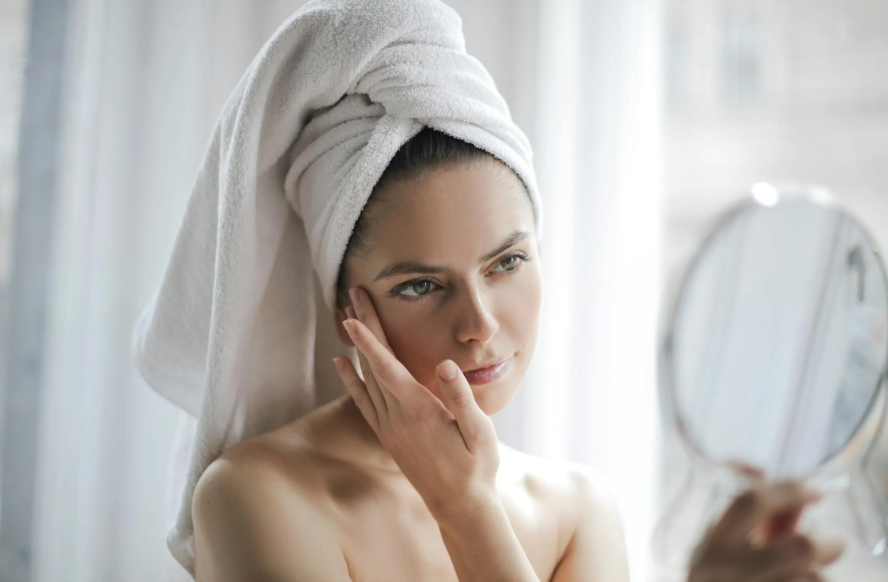
    Step 1: Streamline Your Skincare Routine
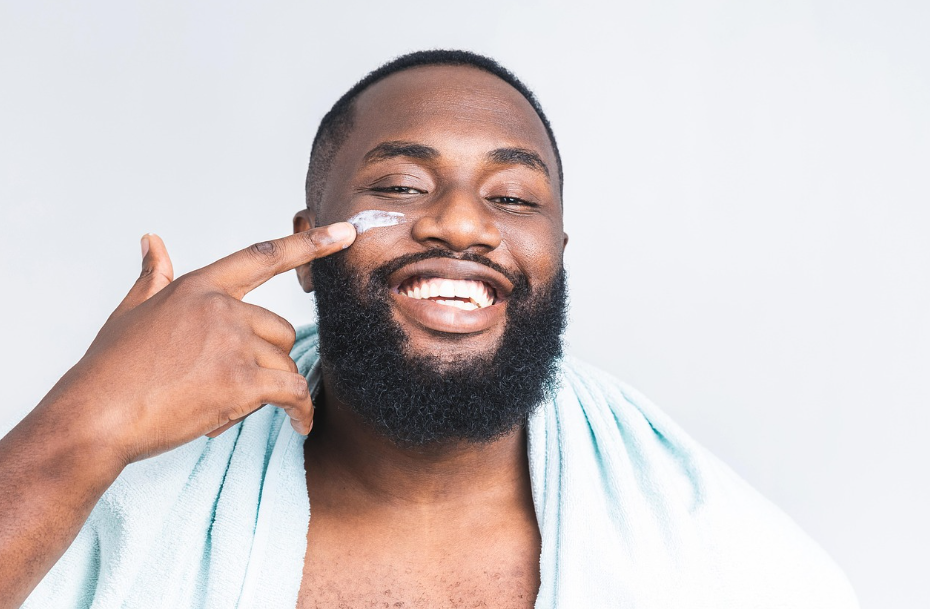
    Quality Over Quantity: Less Is More

    Forget the “seven-step skincare” myth. The key to efficient skincare lies in precision, not layers. A powerful serum can do more than three mediocre products combined.

    Multi-Functional Products Are Your Secret Weapon

    Opt for moisturizers with SPF, serums with anti-aging properties, or tinted creams that hydrate and cover at once. Each product should work harder, so you don’t have to.

    Lightweight Hydration for Quick Absorption

    Heavy creams slow you down and make your makeup slide. Instead, choose lightweight gels or emulsions that sink in fast and prep your skin for smooth foundation.


    Step 2: Build a Strong Makeup Base

    Why Primer Is Non-Negotiable

    A good primer helps makeup last longer, smooths texture, and controls oil — saving you from touch-ups later. It’s like prepping a canvas before painting.

    Hands vs. Tools — Which Saves More Time?

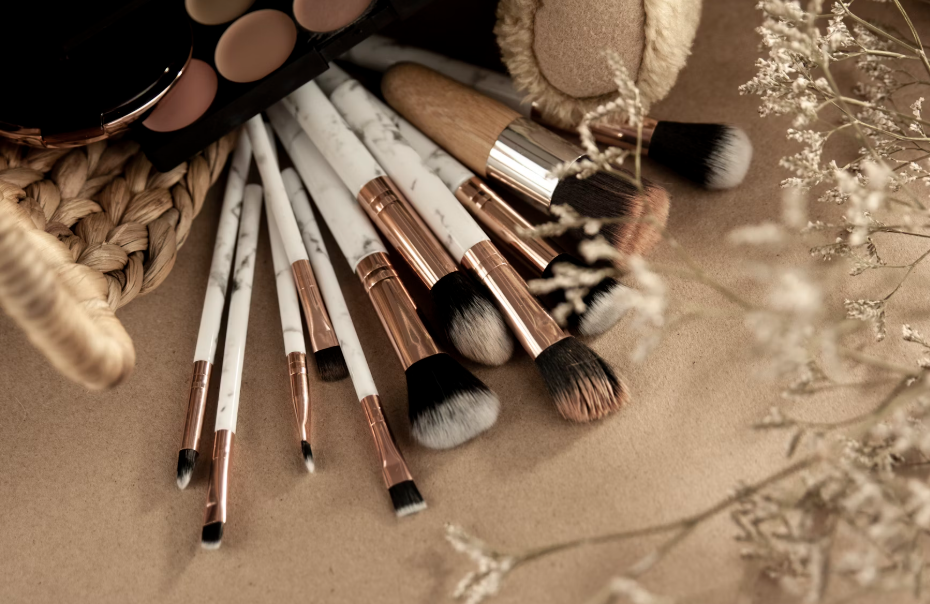
    Using your fingers is faster, but beauty sponges or brushes often blend better and use less product. The trick? Slightly damp your sponge for faster, seamless blending.


    Step 3: The 10-Minute Makeup Gold Routine
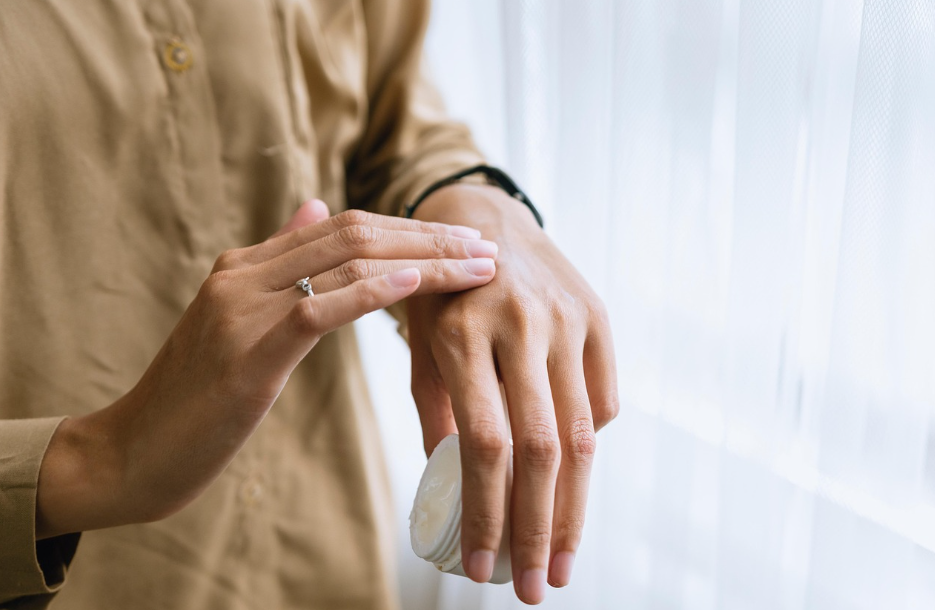
    Use Cushion Foundation or BB Cream

    These multitaskers offer coverage, hydration, and SPF — and take half the time of traditional liquid foundations.

    Focus on Brows and Lashes

    Even with minimal makeup, defined brows and curled lashes instantly make you look awake and confident.
    Tip: A brown brow pencil looks softer and more natural than black.

    A Touch of Blush and Lip Tint

    Choose a lip-and-cheek tint for a fresh, healthy glow. It’s the easiest way to look put-together with one quick step.


    Step 4: Hybrid Products That Save You Time

    Tinted Moisturizer — Skincare Meets Coverage

    It moisturizes while offering light coverage, perfect for busy mornings or casual days.

    Lip and Cheek Tint — Two-in-One Perfection

    One product that doubles your efficiency and gives a cohesive, natural finish.

    SPF-Infused Foundation — Sun Protection Simplified

    Skip separate sunscreen layers by choosing a foundation with SPF — effortless and effective.


    Step 5: Use Smart Beauty Tools to Boost Efficiency

    Electric Facial Brushes

    They remove dirt and makeup residue in seconds, improving absorption without wasting time.

    Nano Mist Sprayers

    Need an instant refresh? Three seconds of mist revives tired skin and keeps your makeup fresh all day.

    Smart Mirrors and AI Skin Analysis

    Modern tech can scan your skin and recommend personalized products — saving you hours of trial and error.


    Step 6: Different Strategies for Morning and Night

    Morning: Focus on Protection

    Your morning routine should guard against UV rays, pollution, and stress. Hydration, sunscreen, and lightweight makeup are key.

    Evening: Focus on Repair

    At night, let your skin recover. Spend 10 minutes massaging with a nourishing serum or sleeping mask — your skin will thank you in the morning.


    Step 7: Choosing High-Performance Products

    Simple Ingredients ≠ Simple Results

    Avoid overcomplicated formulas. Look for key ingredients like niacinamide, hyaluronic acid, and peptides — they’re efficient, powerful, and skin-friendly.

    The Rise of “Lazy-Girl” Skincare

    Minimalist skincare isn’t about neglect — it’s about smart efficiency. One product can now deliver hydration, anti-aging, and protection all at once.


    Step 8: Time-Saving Beauty Hacks

    Multitasking Like a Pro

    Apply a face mask while blow-drying your hair. Let your moisturizer absorb while brewing coffee. Small overlaps save minutes daily.

    The Golden Order of Application

    Follow this sequence for best results: skincare → base → brows/eyes → lips/cheeks. It’s the perfect blend of speed and impact.


    Step 9: Inner Health — The True Secret to Lasting Beauty

    Beauty from Within

    Balanced nutrition is your best beauty investment. Vitamin C, omega-3s, and collagen-rich foods boost your natural glow far better than makeup alone.

    Sleep: The Ultimate Skincare Treatment

    A solid 7 hours of sleep does more for your complexion than any luxury cream ever could.


    Step 10: Sustainable and Minimalist Beauty

    The “Less Is More” Philosophy

    The world is embracing simplicity. Streamlined routines are not only time-saving but also better for your skin barrier.

    Eco-Friendly Habits

    Choose brands with refillable packaging, clean ingredients, and sustainable practices. True beauty respects both you and the planet.


    Conclusion: Build Your Own 10-Minute Beauty Philosophy

    Beauty isn’t about how long you spend — it’s about how smartly you spend it. By simplifying your steps, picking efficient products, and using the right tools, you can radiate confidence in just 10 minutes a day.
    Efficiency doesn’t mean sacrificing quality — it means mastering the art of effortless beauty.


    FAQs

    Q1: Is it really possible to complete skincare and makeup in 10 minutes?
    Yes! With the right order, multi-use products, and smart tools, 10 minutes is more than enough.

    Q2: What are the best products for a “lazy” beauty routine?
    Try tinted moisturizers, SPF creams, and lip-and-cheek tints — they’re quick and multitasking.

    Q3: How can I make my makeup last all day?
    Use a primer, lightweight base, and setting spray. Avoid over-layering products.

    Q4: What’s a perfect 10-minute routine for busy mornings?
    Cleanse, moisturize with SPF, apply BB cream, fill brows, curl lashes, add lip tint — done.

    Q5: Does simplifying skincare harm the skin?
    Not at all. In fact, fewer but more effective products help maintain a healthy skin barrier.

    Q6: How should I adjust the 10-minute method based on skin type?
    Oily skin should focus on oil control; dry skin should emphasize hydration; combination skin can use different products for each area.
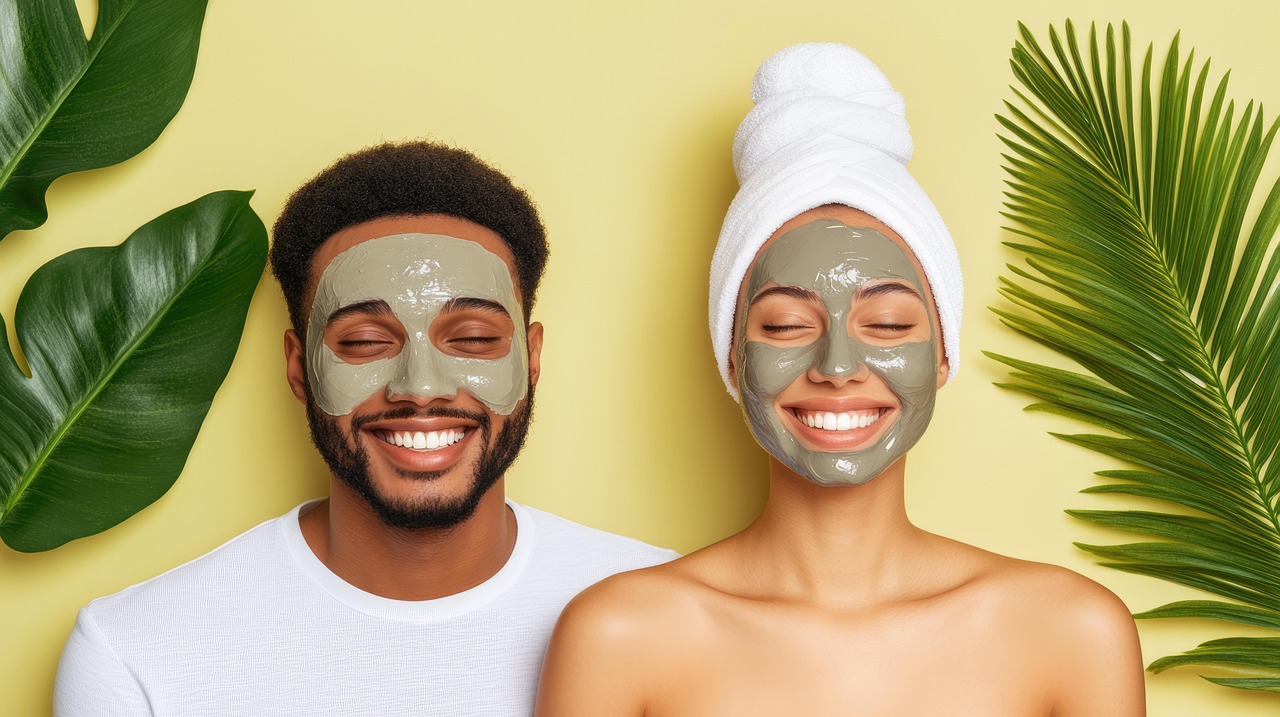

  • Is Your Skincare Routine Missing This Key Step? Here’s What You Need

    Is Your Skincare Routine Missing This Key Step? Here’s What You Need

    Skincare routines have become more than just a trend—they are essential to maintaining healthy, youthful skin. However, many people overlook one crucial step in their daily routine. Could you be missing the key to unlocking glowing, smooth skin? If your skincare regimen doesn’t include exfoliation, it might be time to re-evaluate.

    In this article, we will explore why exfoliation should be a non-negotiable part of your skincare routine, how it benefits your skin, and how to do it properly to avoid mistakes.


    Understanding the Basics of a Skincare Routine

    Before we dive into the world of exfoliation, it’s important to review the basic steps of a solid skincare routine.

    Cleansing: The Essential First Step

    Cleansing is the foundation of any skincare regimen. It removes dirt, oil, makeup, and impurities that can clog your pores. A clean face allows the rest of your skincare products to penetrate deeper and work more effectively.

    Toning: Balancing Your Skin

    Toners are often used after cleansing to restore the skin’s natural pH balance, remove any lingering impurities, and prepare the skin for moisturizer.

    Moisturizing: Hydrating for Healthy Skin

    Moisturizing keeps your skin hydrated and prevents dryness. It helps to maintain the skin’s natural barrier and can prevent issues like flakiness and irritation.


    The Missing Step in Your Skincare Routine

    You might have a solid routine in place, but if you’re not exfoliating, you’re likely missing out on a step that could take your skin to the next level.

    What Most People Overlook

    Exfoliation is often forgotten because many people believe that cleansing and moisturizing are enough. However, exfoliating is necessary to remove the buildup of dead skin cells, which can make your skin look dull and uneven.

    Why This Step is Crucial

    Exfoliation is like spring cleaning for your face. It sloughs away the dead skin that accumulates on the surface, revealing fresh, glowing skin underneath. Without it, your other skincare products won’t work as effectively because they can’t penetrate deeply enough.


    The Power of Exfoliation

    Exfoliation is a game-changer for your skin, but it’s important to understand what it actually does and how it benefits you.

    What Exfoliation Does for Your Skin

    Exfoliating clears away dead skin cells, unclogs pores, and promotes cell turnover. This results in smoother, brighter, and more youthful skin. It also helps to prevent breakouts by keeping your pores clear.

    Types of Exfoliation: Physical vs. Chemical

    There are two main types of exfoliation: physical and chemical.

    • Physical exfoliation uses scrubs, brushes, or tools to physically remove dead skin. While effective, it can be too harsh if done incorrectly.
    • Chemical exfoliation uses acids like AHAs (alpha-hydroxy acids) and BHAs (beta-hydroxy acids) to dissolve dead skin cells. It’s typically gentler and more effective for those with sensitive skin.

    How to Choose the Right Exfoliator

    Different skin types require different exfoliation methods. Here’s how to choose the right one for you.

    For Oily Skin

    If you have oily skin, you’ll benefit from a stronger exfoliant, such as a salicylic acid (BHA) product. It can help to deeply cleanse your pores and reduce excess oil production.

    For Sensitive Skin

    Those with sensitive skin should opt for gentler exfoliants, such as lactic acid or mild scrubs with soft granules. Avoid harsh physical exfoliants that can cause irritation or redness.

    For Dry Skin

    If your skin is dry, look for exfoliators with hydrating ingredients, like glycolic acid or enzymes, which help to slough off dead skin without stripping moisture.


    Benefits of Exfoliating Regularly

    Exfoliation offers numerous benefits that can transform your skin.

    Removing Dead Skin Cells

    By removing dead skin cells, exfoliation gives your skin a fresh, smooth surface, making it look more radiant and youthful.

    Boosting Product Absorption

    Exfoliating regularly helps your skincare products to absorb better, meaning they will work more effectively.

    Promoting a Glowing Complexion

    When you exfoliate, you encourage cell turnover, which promotes a brighter and more even complexion over time.


    Common Exfoliation Mistakes to Avoid

    While exfoliation is beneficial, there are some common mistakes people make.

    Over-Exfoliating

    Exfoliating too frequently can strip the skin’s natural barrier, causing irritation, redness, and dryness. Stick to 1-3 times a week, depending on your skin type.

    Using Harsh Scrubs

    Harsh physical scrubs with large, coarse particles can cause microtears in your skin, leading to long-term damage. Opt for a gentle scrub or a chemical exfoliant.


    How Often Should You Exfoliate?

    The frequency of exfoliation depends on your skin type and the exfoliant you’re using.

    Exfoliating Based on Your Skin Type

    • Oily skin can benefit from exfoliating 2-3 times a week.
    • Sensitive skin should exfoliate once a week.
    • Dry skin can exfoliate once or twice a week to avoid further dryness.

    Seasonal Changes and Exfoliation

    Your exfoliation needs may change with the seasons. In colder months, you may need to exfoliate less frequently to avoid irritation caused by dry air.


    The Right Time to Exfoliate in Your Skincare Routine

    When should you exfoliate? The best time to exfoliate is after cleansing, but before toning and moisturizing.

    Morning vs. Night Exfoliation

    Exfoliating at night gives your skin the opportunity to renew while you sleep. However, morning exfoliation can also work if you’re preparing your skin for makeup.

    Prepping Your Skin for the Next Step

    Exfoliation primes your skin, allowing your toner, serum, and moisturizer to work more effectively.


    Other Key Steps to Complement Exfoliation

    Exfoliating is just one part of the puzzle. After exfoliation, make sure you hydrate and protect your skin.

    Hydrating After Exfoliation

    After exfoliating, always apply a moisturizer to lock in hydration. Your skin will be more receptive to moisturizing ingredients post-exfoliation.

    Using Sunscreen to Protect Fresh Skin

    Exfoliation can make your skin more sensitive to the sun. Always apply sunscreen to protect your skin from harmful UV rays.


    Conclusion

    Exfoliation is often the missing piece in many people’s skincare routines. By adding this crucial step, you can unlock smoother, brighter, and healthier skin. Choose the right exfoliant for your skin type, use it regularly, and make sure to follow up with hydration and sun protection. Your skin will thank you for it.


    FAQs

    1. How often should I exfoliate if I have sensitive skin?
      For sensitive skin, exfoliate once a week with a gentle exfoliant like lactic acid or mild scrubs.
    2. Can exfoliating help with acne?
      Yes, exfoliating helps to remove dead skin and prevent clogged pores, reducing the likelihood of acne.
    3. Is it okay to exfoliate every day?
      No, over-exfoliating can damage the skin’s barrier. Stick to 1-3 times per week based on your skin type.
    4. What are the benefits of exfoliation for anti-aging?
      Exfoliation helps to promote cell turnover, reducing the appearance of fine lines and wrinkles while revealing smoother skin.
  • How to Find Your Perfect Shade of Red Lipstick – Expert Tips Inside

    How to Find Your Perfect Shade of Red Lipstick – Expert Tips Inside

    Finding the perfect red lipstick isn’t as simple as picking the first tube you see on the shelf. Red lipstick is a timeless classic, but with so many shades, textures, and formulations, how do you know which one works best for you? Whether you’re looking to make a bold statement or add a pop of color to your everyday makeup routine, the right red lipstick can elevate your look. Let’s dive into expert tips to help you discover your perfect red.

    Understanding Different Types of Red Lipstick

    Red lipstick comes in various shades, from classic reds to deeper, warmer tones. Here’s an overview of the different types of red lipsticks available:

    Classic True Red

    A true red is a universally flattering color, often described as a bold, neutral red. It’s perfect for those who want a timeless, vibrant shade that works for almost every occasion.

    Warm-Toned Reds

    Warm reds have underlying orange, brick, or brown hues. These shades give off a cozy, inviting vibe and are especially flattering on people with warm undertones in their skin.

    Cool-Toned Reds

    Cool-toned reds have a bluish or purplish base. They tend to look more striking and dramatic, especially on those with cool undertones. These shades also have a more modern, chic vibe.

    Light and Dark Reds

    Light red lipsticks are perfect for casual looks, giving off a soft and fresh appearance. On the other hand, deep red lipsticks are bold and sophisticated, ideal for formal events or evening outings.

    Choosing the Right Red Lipstick for Your Skin Tone

    Choosing a red lipstick that complements your skin tone is key to getting the best result. Here’s how to match the right red with your undertones:

    Red Lipsticks for Cool Undertones

    If you have cool undertones (think pink, red, or blue hues), choose reds that have a blue or purple base. These shades will help enhance your natural complexion and create a striking contrast against your skin.

    Red Lipsticks for Warm Undertones

    For those with warm undertones (yellow, golden, or peachy hues), opt for red shades that lean toward orange or brown. These tones will harmonize with your complexion, creating a balanced and warm look.

    Red Lipsticks for Neutral Undertones

    Lucky for those with neutral undertones (neither too warm nor too cool), you can wear almost any red. From the traditional bright red to deeper, berry tones, the choice is yours!

    How Lipstick Texture Affects Color Payoff

    The texture of a lipstick greatly impacts its finish, longevity, and how vibrant the color appears. Let’s break down the key types of lipstick textures:

    Matte vs. Glossy Lipsticks

    Matte lipsticks are bold and long-lasting but can sometimes feel dry. They are perfect for achieving a powerful, statement-making look. Glossy lipsticks, on the other hand, add shine and moisture, which makes them perfect for a fresh, youthful look, but they may not last as long.

    The Velvet Lipstick Appeal

    Velvet lipsticks offer the best of both worlds. They provide a soft, matte finish while still feeling comfortable and creamy. This texture is perfect for those who want a sophisticated yet comfortable option.

    Picking the Right Red Lipstick for Different Occasions

    Red lipstick isn’t just for evenings out—there’s a perfect red for every occasion. Here’s how to choose:

    Red Lipsticks for Everyday Looks

    For a more natural, day-to-day look, opt for a red that isn’t too bold or deep. Light reds or warm reds with a creamy or glossy texture are great choices for everyday wear.

    Red Lipsticks for Formal and Evening Events

    Deep red or classic red lipsticks are perfect for special occasions or evening events. These shades are rich and sophisticated, making them ideal for adding elegance and drama to your look.

    Expert Tips for Choosing the Perfect Red Lipstick

    Choosing the right red lipstick can be overwhelming, but with these expert tips, you’ll be able to find your perfect match.

    The Importance of Swatching

    Swatching is one of the most crucial steps when choosing a lipstick. Always try before you buy. Test the lipstick on your lips (not just your wrist) and in different lighting to ensure it’s the right shade for you.

    Lipstick Application Tips

    To make your red lipstick last longer, outline your lips with a lip liner before filling them in with lipstick. This will prevent bleeding and create a sharper, more defined lip look.

    Top Red Lipstick Brands to Try

    Here are some of the best red lipsticks across various price ranges:

    High-End Brands

    • Dior: Known for its luxurious feel and bold shades, Dior’s red lipsticks are iconic and a favorite among makeup enthusiasts.
    • Chanel: Chanel red lipsticks are elegant and refined, offering a beautiful finish that works for all skin tones.

    Drugstore Brands

    • Maybelline: A great choice for those looking for affordable yet high-quality reds. Maybelline’s formula offers a wide range of red hues suitable for every skin tone.
    • L’Oréal: L’Oréal’s red lipsticks offer rich, lasting color at a more accessible price point.

    Conclusion

    Finding the perfect red lipstick is about more than just picking a color off the shelf. It’s about understanding your skin tone, experimenting with different textures, and selecting the right shade for each occasion. By following the tips above, you’ll be able to confidently choose a red lipstick that flatters your complexion and fits your personal style.

    Frequently Asked Questions (FAQs)

    1. How do I know which red lipstick is right for me?
      • The best way to find your perfect shade is to swatch several shades in natural lighting. Pay attention to how the color complements your skin tone.
    2. Can red lipstick look too harsh?
      • Red lipstick can look bold, but with the right shade and texture, it can complement any look, whether you’re aiming for a soft everyday look or a bold evening statement.
    3. How can I make red lipstick last longer?
      • Use a lip liner to define your lips before applying lipstick. This helps prevent feathering and increases the longevity of your lipstick.
    4. What is the best red lipstick for a formal event?
      • Deep red or classic red shades work best for formal events, giving off an elegant and sophisticated vibe.
    5. Can I wear red lipstick during the day?
      • Yes! Just choose a softer red or a warm-toned red and pair it with a natural makeup look for daytime wear.
  • Beautify Your Life: How Smart Savings Can Fund Your Dream Lifestyle with Raisin NL

    Beautify Your Life: How Smart Savings Can Fund Your Dream Lifestyle with Raisin NL

    Imagine funding your beauty essentials and self-care experiences without guilt. With Raisin NL, your money can grow effortlessly, giving you the freedom to enjoy life and look fabulous.

    Why Women Love Raisin NL:

    • High-interest returns: Maximize your savings potential
    • Flexible accounts: Options that fit your lifestyle and goals
    • Secure & transparent: Confidence in every investment

    Raisin NL empowers women to grow wealth through high-yield savings accounts and curated European investments. Whether saving for luxury skincare, makeup collections, or wellness retreats, the platform ensures your money works harder so you can indulge responsibly.

    Invest in your future and your beauty lifestyle. Sign up for Raisin NL today and watch your savings grow while you enjoy the life—and beauty—you deserve!

  • The Best Accessories to Complete Any Look – 5 Must-Have Pieces

    The Best Accessories to Complete Any Look – 5 Must-Have Pieces

    Introduction

    When it comes to fashion, accessories are the secret weapon that can transform any outfit from basic to stunning. Whether you’re dressing up for a formal event or simply adding some flair to a casual look, the right accessories can make all the difference. But what makes accessories so powerful? Well, it’s their ability to personalize your style, showcase your personality, and add that perfect finishing touch. In this article, we’ll explore five must-have accessories that can help you complete any look, no matter the occasion.


    1. Watches – Timeless Elegance

    The Versatility of a Good Watch

    A well-chosen watch is more than just a timepiece—it’s an essential accessory that exudes sophistication and style. Watches have been a staple of fashion for centuries, and their enduring appeal is a testament to their versatility. Whether you’re dressing up for a formal dinner or keeping it casual for a weekend brunch, a good watch can complement any outfit.

    The key is finding the right style that suits your personality and the occasion. For instance, a sleek, minimalist watch with a leather strap can enhance a business suit, while a bold, oversized watch adds a touch of masculinity to a casual look.

    Choosing the Right Watch for Your Style

    When selecting a watch, consider the design, material, and functionality. A classic analog watch works for most occasions, while digital watches are perfect for more laid-back settings. Additionally, think about the strap material—metal bands exude formality, while leather or fabric straps give a more relaxed vibe. The right watch can elevate your style and be a conversation starter.


    2. Sunglasses – A Statement of Style

    Function and Fashion Combined

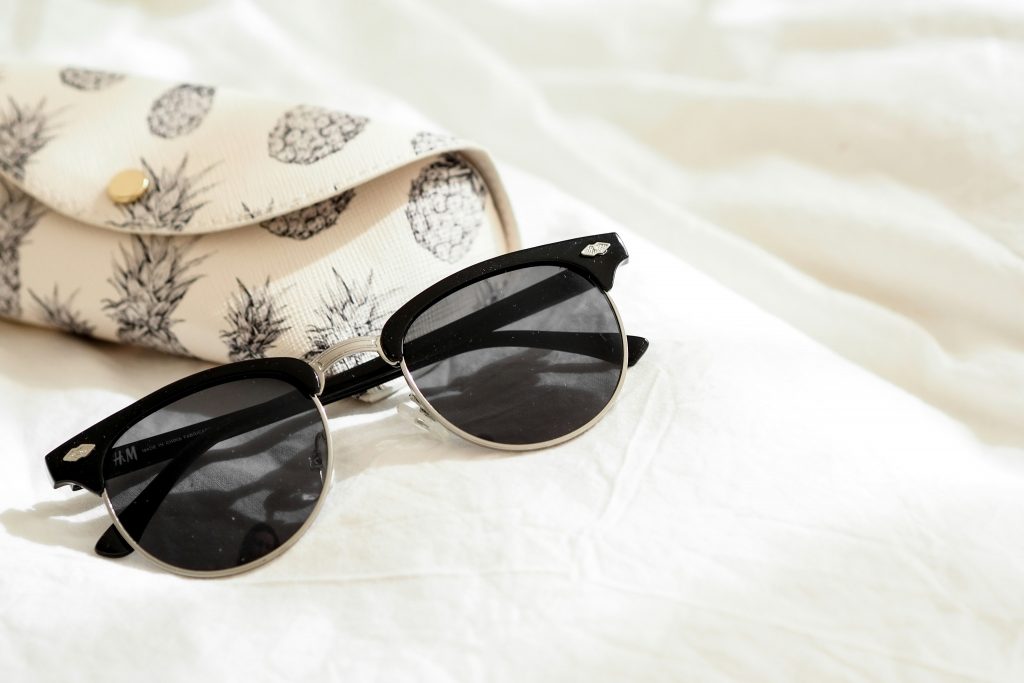
    Sunglasses are the perfect blend of practicality and fashion. Not only do they protect your eyes from harmful UV rays, but they also help you make a bold statement. A great pair of sunglasses can instantly elevate any outfit, whether you’re wearing a chic summer dress or a laid-back t-shirt and jeans combo.

    How to Choose Sunglasses That Suit Your Face Shape

    When it comes to sunglasses, one size does not fit all. The key to finding the right pair is choosing a shape that complements your face. Round frames work well for square faces, while angular frames help balance out round faces. If you have an oval face, you’re in luck—almost any style will suit you!

    Additionally, don’t be afraid to experiment with different colors and materials to find the pair that best reflects your style.


    3. Handbags – Practical and Stylish

    The Must-Have Handbag Styles

    A handbag isn’t just a practical necessity—it’s also a fashion statement. From the classic tote to the versatile crossbody, handbags come in various styles that can be paired with almost any outfit. A neutral-colored handbag, like black or beige, is a timeless option that complements almost everything in your wardrobe. On the other hand, bold, statement bags in vibrant colors or unique textures can add personality to a simple outfit.

    How to Match Your Handbag with Different Outfits

    Matching a handbag with your outfit is all about balance. If you’re wearing a loud, patterned outfit, opt for a more subdued handbag to avoid overwhelming your look. Conversely, if your outfit is neutral or monochrome, don’t be afraid to use your handbag as an opportunity to add a pop of color or texture.


    4. Jewelry – Adding Sparkle and Personality

    Essential Jewelry Pieces to Own

    Jewelry has the power to reflect your personality and add a unique touch to any outfit. There are a few staple pieces that everyone should have in their jewelry collection: a simple pair of stud earrings, a delicate necklace, a statement ring, and a versatile bracelet. These items are timeless and can be worn with almost anything, from casual wear to evening attire.

    How to Layer Jewelry Without Overdoing It

    Layering jewelry is an art, and finding the right balance is key. To layer without going overboard, stick to a few pieces in similar tones or materials. For example, pairing a thin gold necklace with matching stud earrings and a simple bracelet can create a refined, coordinated look. When it comes to rings, don’t pile them all on one finger—keep it balanced by distributing them across your hands.


    5. Scarves and Shawls – The Ultimate Finishing Touch

    Versatility of Scarves and Shawls

    Scarves and shawls are incredibly versatile accessories that can add warmth, style, and flair to any outfit. Whether it’s a chunky knit scarf for the winter or a lightweight silk scarf for the summer, these accessories serve both functional and fashionable purposes. A scarf can be wrapped around your neck, draped over your shoulders, or even tied to your handbag for a touch of style.

    How to Style Scarves for Different Occasions

    Scarves can be styled in countless ways, depending on the occasion. For formal events, opt for silk or satin scarves in neutral colors and wrap them elegantly around your neck. On more casual outings, experiment with larger, cozier scarves in knit or wool fabrics. You can also use scarves to add a pop of color or print to a monochromatic outfit.


    Conclusion

    Accessories are more than just finishing touches—they are essential elements that complete your look and express your personal style. From watches that add elegance to handbags that serve both form and function, the right accessories can transform an outfit from ordinary to extraordinary. So, next time you’re putting together an outfit, don’t forget to consider the power of accessories. After all, they might be the secret ingredient that takes your look to the next level.


    FAQs

    1. What are the best accessories for a professional setting?
    For a professional look, opt for minimalist, classic accessories like a simple watch, stud earrings, and a leather handbag.

    2. How can I style accessories without overdoing it?
    The key is balance. Choose one or two statement pieces and keep the rest of your accessories simple and subtle.

    3. What is the best way to store and care for my accessories?
    Store your accessories in a dry, cool place. For jewelry, use velvet-lined boxes or pouches to avoid scratches. For bags, keep them in dust bags to preserve their shape.

    4. Can accessories elevate a casual outfit?
    Yes, accessories can completely transform a casual outfit. A stylish handbag, statement sunglasses, or layered jewelry can make a casual look appear more put-together.

    5. Are there any accessories that work well for both men and women?
    Yes! Watches, sunglasses, and scarves are unisex accessories that can be styled to suit anyone’s look.

    6. How do I choose accessories that reflect my personal style?
    Choose accessories that resonate with your taste—whether that’s bold, minimalist, or vintage-inspired. Let your personality shine through in the pieces you select.

  • Elevate Your Active Lifestyle with tasc Performance: Sustainable Comfort Meets Style

    Elevate Your Active Lifestyle with tasc Performance: Sustainable Comfort Meets Style

    In today’s fast-paced world, having activewear that combines comfort, style, and functionality is no longer just for workouts—it’s a statement of your lifestyle. Whether you’re hitting the gym, practicing yoga, or simply going about your day, tasc Performance offers apparel that supports every movement.

    Sustainable Fashion, Comfort You Can Feel

    tasc Performance clothing is crafted with premium bamboo fibers, providing unmatched softness and breathability. Compared to traditional clothing, bamboo naturally wicks away moisture, keeping you dry during intense workout sessions. Plus, their environmentally-friendly production ensures that every piece of men and women athletic wear you choose contributes to a more sustainable planet.

    Complete Activewear for Every Occasion

    From pants and shirts to tops and accessories, tasc Performance has you covered. Every item is designed to balance athletic performance with everyday style, seamlessly fitting into your active life.

    • Men & Women: Styles that suit everyone, making fitness a shared experience with family and friends.
    • Workout Ready: Flexible designs perfect for running, yoga, or strength training.
    • Lifestyle Friendly: Comfortable and stylish enough to wear beyond the gym.

    Why Choose tasc Performance?

    Modern fitness enthusiasts understand that fitness is more than a routine—it’s self-care. tasc Performance merges durability, comfort, and sustainability, empowering you to look and feel your best. From tops to pants, shirts to accessories, every piece supports your active lifestyle while maintaining effortless style.

    Start elevating your workout and daily wear with tasc Performance, your go-to activewear brand that champions comfort, sustainability, and style.

  • The Best Products for Sensitive Skin – 5 Must-Haves for a Calm Complexion

    The Best Products for Sensitive Skin – 5 Must-Haves for a Calm Complexion

    Introduction

    Does your skin freak out at the slightest touch? Does redness, tightness, or burning sensations show up more often than not? If yes, then you know the struggle of managing sensitive skin. But here’s the good news—you can absolutely tame the chaos. You just need the right products in your corner.

    In this guide, we’ll walk you through the five best must-haves for sensitive skin, why they work, and how to use them effectively. Backed by science and dermatological advice, these picks are all about calming, protecting, and restoring your skin’s balance.

    Why Sensitive Skin Needs Special Care

    Unlike other skin types, sensitive skin isn’t just about dryness or oiliness—it’s about vulnerability. It reacts faster and more severely to triggers like fragrances, temperature shifts, and even water. So choosing the wrong product? That can spell disaster.

    What Defines a “Must-Have” Product?

    For us, a “must-have” product is one that is gentle, effective, non-irritating, and plays a vital role in protecting your skin barrier. From cleansers to sunscreen, we’ve handpicked essentials that soothe without compromise.


    Understanding Sensitive Skin

    Common Symptoms and Triggers

    Let’s start by decoding the enemy. Sensitive skin is usually marked by:

    • Redness and blotchiness
    • Stinging or burning
    • Dry patches and flakiness
    • Tightness after cleansing

    These can be triggered by environmental changes, over-exfoliation, pollution, harsh chemicals, or even stress.

    Skin Type vs. Skin Condition

    Here’s where it gets interesting: sensitive skin can be both a skin type (inherent) and a skin condition (acquired). This means even oily or combination skin can develop sensitivity. Misdiagnosis often leads to poor product choices.

    Importance of Minimalist Skincare Routines

    When your skin is on high alert, simplicity is your best friend. The fewer ingredients and steps, the lower the risk of reaction.


    Product 1: Gentle Cleanser

    Key Ingredients to Look For

    • Ceramides to strengthen the skin barrier
    • Glycerin for hydration
    • Non-foaming agents to avoid stripping oils

    Why Harsh Surfactants Are a No-Go

    Most drugstore cleansers contain sulfates—great for foam, bad for your face. They tear down your skin’s natural defenses and leave it feeling raw.

    Recommended Option: CeraVe Hydrating Facial Cleanser

    This cult-favorite is fragrance-free, pH-balanced, and loaded with ceramides and hyaluronic acid. It cleanses without that dreaded tightness afterward.


    Product 2: Alcohol-Free Toner

    Soothing Botanicals that Work

    Sensitive skin responds well to ingredients like:

    • Centella Asiatica (aka cica)
    • Licorice root extract
    • Aloe vera

    Recommended Option: Klairs Supple Preparation Unscented Toner

    This toner balances pH and boosts absorption of other products. Plus, no fragrance, no essential oils—just hydration and calm.


    Product 3: Lightweight Moisturizer

    Barrier Support and Hydration Boosters

    Look for:

    • Niacinamide (anti-inflammatory)
    • Squalane (skin-identical moisturizer)
    • Fatty alcohols (good ones like cetyl or stearyl alcohol)

    Recommended Option: Vanicream Moisturizing Cream

    A no-nonsense cream that’s thick but non-greasy. Dermatologist-approved, free from irritants, and loved by eczema-prone users.


    Product 4: Fragrance-Free Sunscreen

    Mineral vs. Chemical Filters

    Sensitive skin generally prefers mineral sunscreens—think zinc oxide and titanium dioxide. They sit on top of the skin rather than being absorbed, which reduces chances of irritation.

    Recommended Option: La Roche-Posay Anthelios Mineral SPF 50

    Ultra-light, broad-spectrum protection without the sting. It’s oil-free and suitable for both face and body.


    Product 5: Targeted Treatment Serum

    Calming Actives for Sensitive Skin

    If you’re looking to target redness or uneven texture, go for:

    • Azelaic acid (anti-inflammatory, anti-acne, brightening)
    • Panthenol (vitamin B5, healing)
    • Madecassoside (Centella-derived soothing agent)

    Recommended Option: The Ordinary Azelaic Acid Suspension 10%

    Affordable and effective. This multitasking serum tackles redness, pigmentation, and clogged pores without causing flare-ups.


    Additional Tips for Managing Sensitive Skin

    Patch Testing and Product Layering

    Always patch-test a new product for 48–72 hours. And introduce one product at a time. That way, if your skin reacts, you’ll know exactly what caused it.

    Avoiding Sensory Overload in Skincare

    Too many actives or essential oils? Sensory overload. Sensitive skin thrives on simple, fragrance-free formulas.

    Understanding the “Skin Minimalism” Trend

    The minimalist trend isn’t just aesthetic—it’s skin-saving. Ditch the 10-step routine and stick to 3–5 core products. Less is truly more.


    Conclusion

    Sensitive skin doesn’t have to mean constant discomfort or limited options. With the right lineup—cleanser, toner, moisturizer, sunscreen, and serum—you can build a soothing routine that protects, heals, and empowers your skin every single day.

    Remember, skincare isn’t about perfection. It’s about consistency, patience, and listening to what your skin needs. Start simple. Stay gentle. And enjoy the journey to a calmer, healthier complexion.


    FAQs

    1. Can sensitive skin ever become less reactive over time?
    Yes, with consistent barrier-repairing routines and avoidance of known irritants, sensitivity can decrease significantly.

    2. Is fragrance always bad for sensitive skin?
    Not always, but it’s a common trigger. If you’re unsure, always opt for fragrance-free until you know your skin’s boundaries.

    3. Can I still exfoliate if I have sensitive skin?
    Yes—but gently. Use mild chemical exfoliants like lactic acid, and limit to once a week or less.

    4. How long should I try a new product before judging it?
    Give it at least 2 weeks unless it causes immediate irritation. Skin needs time to adjust.

    5. Are natural skincare products always better for sensitivity?
    Not necessarily. “Natural” doesn’t equal non-irritating. Essential oils and plant extracts can be very reactive.

    6. What should I avoid completely with sensitive skin?
    Common culprits include alcohol, sulfates, synthetic fragrance, essential oils, and overly strong actives like retinoids (unless guided by a derm).

  • 5 Tips for Long-Lasting Makeup – No Touch-Ups Needed!

    5 Tips for Long-Lasting Makeup – No Touch-Ups Needed!


    1. Introduction: Why Long-Lasting Makeup Matters

    Let’s be honest – no one wants to spend 45 minutes perfecting their makeup only to watch it fade by lunch. Whether it’s a 9-to-5 grind or a weekend brunch, you deserve a look that doesn’t melt, smudge, or vanish.

    Confidence Starts with a Flawless Face
    Makeup that lasts gives you one less thing to worry about. No mirror checks, no emergency powdering – just pure, all-day confidence.

    The Modern Woman’s Expectations
    Today’s beauty standards demand more from our products. Lightweight, breathable, but still durable? It’s not too much to ask – if you know how to prep and apply smartly.


    2. Tip #1: Prep Like a Pro – The Power of Skincare and Priming

    A Long-Lasting Look Starts Beneath the Makeup
    Think of your skin as the canvas. If it’s oily, flaky, or unbalanced, no makeup will sit right – let alone stay on.

    Hydration and Oil Control Matter


    Use a lightweight moisturizer to hydrate dry patches and a balancing toner to control excess oil. Balance is everything.

    Choose the Right Primer for Your Skin Type
    A primer isn’t optional. Oily skin? Go matte. Dry skin? Choose a hydrating primer.

    Hydrating vs. Mattifying Primers

    • Hydrating: Contains glycerin or hyaluronic acid.
    • Mattifying: Includes silica or clay to absorb oil.
      Apply only a pea-sized amount – less is more!

    3. Tip #2: Build a Lightweight Yet Durable Base

    Foundation Isn’t Just About Coverage
    Pick a formula labeled as “longwear” or “transfer-resistant.” Full coverage is unnecessary if the product sticks.

    Texture and Layering Techniques
    Use thin layers instead of caking on one heavy coat. Build coverage strategically.

    Tools Make a Difference

    • Sponges: Great for blending and absorb excess product.
    • Brushes: Give precision and control.
    • Fingers: Good for warming cream products but not ideal for longwear.

    Sponge vs. Brush vs. Fingers
    For the longest wear? Use a damp beauty sponge – it presses product in and removes excess.


    4. Tip #3: Master the Art of Setting Your Makeup

    Lock It In, or It Will Slip Away
    If you don’t set your makeup, expect creases, fading, and unevenness – especially in hot weather.

    Setting Powder vs. Setting Spray

    • Setting Powder: Best for oily zones like the T-zone.
    • Setting Spray: Adds longevity and reduces powderiness.

    Area-Specific Setting Methods
    Set oily areas with powder and dry areas with spray. This hybrid method gives a balanced finish.

    The “Less Is More” Rule
    Avoid baking unless absolutely necessary. Over-powdering can age the look and crack the base.


    5. Tip #4: Smudge-Proof Eye Makeup That Lasts All Day

    Eyes Are the First to Break Down
    Oil from lids, sweat, and blinking make eyeshadow and liner prone to creasing and smearing.

    Eye Primer Is Non-Negotiable
    Use a translucent or tinted eye primer to grip shadow and control oil.

    Eyeliner Choices That Resist Smudging
    Go for waterproof gel or liquid liners. Avoid creamy pencils unless set with shadow.

    Waterproof Mascara Tricks

    • Curl lashes before applying
    • Use tubing mascaras for no-flake, no-smudge wear
    • Don’t layer too much – two coats max!

    6. Tip #5: Lip Color That Actually Lasts

    It’s Not Just About the Lipstick
    Lipstick will fade if lips are dry or if there’s no prep.

    Prepping the Lips
    Exfoliate gently and apply a waxy balm. Let it sink in, then blot before color.

    Layering and Blotting Techniques

    • Apply a lip liner all over
    • Add lipstick
    • Blot with tissue
    • Reapply
      This technique builds a stain that holds all day.

    Best Long-Wear Textures

    • Satin matte and semi-matte offer longevity without drying
    • Avoid glossy or oily formulas if longwear is the goal

    7. Habits That Sabotage Your Makeup Longevity

    Your Routine Might Be the Culprit

    • Touching your face
    • Not blotting oil before powder
    • Using incompatible products

    Diet and Skincare Missteps
    Sugar and dairy can increase oil production. Harsh exfoliants before makeup can also ruin texture.


    8. High-Tech Makeup Innovations for 2025

    What’s New in Makeup That Stays Put

    • Micro-pigment dispersion for even application
    • Longwear capsules that burst over time for consistent color

    Longwear Capsules and Smart Formulas
    These innovative formulas release pigments gradually, preventing patchiness and fading.


    9. Timing Is Everything – Why Application Order Matters

    Mistakes in Sequence Can Ruin Wear Time
    Apply cream products before powder. Let skincare absorb fully before layering foundation.

    Wait Time Between Steps
    Rushing through layers can cause slipping and uneven texture. Take your time – your face will thank you.


    10. Your Final Minute Before Leaving: Lock the Look

    Finishing Sprays and Targeted Setting
    Seal everything in with a setting spray. For high-friction areas (like under your mask), gently press in translucent powder.

    Press and Seal Method
    Lightly press a tissue over the face, then reapply a mist. This seals without adding layers.


    11. All-Day Strategies Without Reapplying

    How to Look Fresh Without a Makeup Bag

    • Blotting papers over powder
    • Lip balm + a little lipstick dab for a fresh lip

    Strategic Lip Touch-Ups Only
    Skip full face checks. Refresh lips and mist your face if needed – that’s it.


    12. Conclusion: Don’t Rely on Touch-Ups – Rely on Technique

    Makeup longevity is not magic – it’s a series of small, smart choices. With the right prep, products, and tools, you can walk out the door knowing your look will hold, no matter what the day throws at you.


    FAQs

    1. Is setting spray better than setting powder?
    They work differently. Powder controls oil, spray locks everything in. Best results come from using both.

    2. Why does my foundation separate during the day?
    It may be due to excess oil, incompatible skincare, or not letting layers dry properly.

    3. What kind of lipstick lasts the longest?
    Matte or semi-matte liquid lipsticks with layering and blotting techniques offer top performance.

    4. Can I skip primer if I’m in a rush?
    You can, but you’ll likely notice less wear time. Even a quick pore-filling primer makes a difference.

    5. Is baking still necessary in 2025?
    Not really. Most modern techniques favor light pressing over heavy baking, which can look dry or cakey.

    6. How do I stop mascara from smudging under my eyes?
    Try tubing mascaras or apply a light layer of translucent powder under the eyes to absorb moisture.

  • Lifestyle/GRWM Review

    Lifestyle/GRWM Review

    From Bare Face to Spotlight Glow: How nugs.net Supercharges Your GRWM Routine

    Intro
    A flawless base, a precise wing, a glass-skin finish—your GRWM is part artistry, part ritual. But there’s a secret step many overlook: sound. The right soundtrack sharpens focus, fuels creativity, and sets the mood. After testing live shows on nugs.net (a streaming platform dedicated to concert recordings and videos), my routine felt faster, more fun, and far more me. Here’s how to turn your makeup time into a mini backstage moment.

    Why Live Music Beats Regular Playlists for GRWM

    • Real energy, real pace: Live sets build momentum and help you flow from step to step.
    • Mood you can feel: Crowd warmth + stage dynamics = instant confidence boost.
    • Zero boredom: Each track evolves—perfect for keeping you present during detail work.

    The 20-Minute “Glow-Show” GRWM (Synced to a Live Set)

    0:00–3:00 — Skin Prep (Opening track)
    Cleanse, mist, and layer a hydrating serum. Let the opener set your tempo—steady, unhurried.

    3:00–7:00 — Base & Brows (First chorus)
    Blend your complexion products as the chorus hits. Brow shaping lands right after—follow the downbeat for even strokes.

    7:00–12:00 — Eyes (Guitar solo moment)
    Use the instrumental stretch for precision: crease work, liner wings, and inner-corner pop.

    12:00–17:00 — Sculpt & Glow (Beat drop)
    Cream contour, blush, highlighter. Tap along to the rhythm for seamless diffusion.

    17:00–20:00 — Lips & Set (Final chorus)
    Lip line + fill, then mist to lock in. Snap a photo—yes, you’re stage-ready.

    Pro tip: If you struggle with over-blending, pause during quiet bridges to step back and check symmetry.


    Room-by-Room Beauty Atmosphere

    • Vanity/Desk: Small smart speaker or near-field monitor for detailed work.
    • Bathroom: Humidity-friendly Bluetooth speaker; keep devices away from steam.
    • Full-length Mirror Area: Cast concert videos to TV—hair volume practically styles itself when the crowd roars.

    Curate Your “Signature Sound” on nugs.net

    • By mood: Jazz for calm, indie for airy focus, rock for bold liner days, acoustic for soft glam.
    • By tempo: Slower sets for skincare; higher energy for glam looks and hair tools.
    • By length: Save 20–30-minute sets for weekday routines; full concerts for special-occasion glam.

    Who Will Love This

    • Precision lovers (liner, cut crease, graphic eye).
    • Creatives who want their look to match their mood.
    • Busy beauty fans who need flow without the “What should I play?” pause.

    Final Take

    Your GRWM is performance art—let it sound like one. With live sets on nugs.net, you’ll get flow, focus, and a confidence lift that shows up on camera and IRL.

  • Is Your Beauty Routine Missing This Key Step? Here’s Why It Matters

    Is Your Beauty Routine Missing This Key Step? Here’s Why It Matters


    The Skincare Step Everyone Skips

    Let’s be real: how many of us jump from washing our face straight to applying our serum? If that’s you, you’re skipping the most important step—skin prep. It’s not just a fancy trend or an extra product step; it’s the foundational move that determines how effective the rest of your routine actually is.


    What Is It?

    Skin prep is everything that happens after cleansing and before applying your treatment products like serums or creams. It includes balancing your skin’s pH, lightly exfoliating, and rehydrating to make your skin more absorbent. In short: it’s what tells your skin, “Hey, get ready—good stuff is coming!”


    Why It’s Ignored

    There are a few reasons people skip this step. Time constraints. Misinformation. Or the belief that a simple “cleanse and moisturize” routine is enough. Add in the rise of skin minimalism and people think fewer steps are always better. But sometimes, simplification means sacrificing results.


    What Is Skin Prep, Really?


    Beyond Basic Cleansing

    Cleansing removes dirt, oil, and makeup—but it also alters your skin’s natural pH. And guess what? If your skin isn’t at the optimal pH (around 5.5), your skincare products won’t absorb properly. That’s where skin prep comes in—to restore balance and open the door to your actives.


    The Science of Prepping Your Skin

    Your skin has a barrier—a natural defense system that protects you from pollution, bacteria, and moisture loss. Prepping your skin strengthens this barrier. When done right, it enhances the delivery and effectiveness of ingredients like retinol, vitamin C, and peptides.


    Why Skin Prep Makes or Breaks Your Routine


    Unlocking Ingredient Absorption

    You could be using the best products in the world, but if your skin isn’t prepared to absorb them? You’re wasting your money. Skin prep allows your pores to open slightly, softens the skin’s surface, and ensures your serums sink in instead of sitting on top.


    Supercharging Your Actives

    Imagine pouring water onto dry, cracked soil. It doesn’t soak in—it runs off. But damp, tilled soil? It drinks it up. That’s your skin before and after prepping. It’s particularly important for actives like:

    • Vitamin C: More stable and effective on balanced, hydrated skin.
    • Retinol: Absorbs better and causes less irritation when applied after prepping.
    • Hyaluronic Acid: Needs moisture to bind—prepping makes that possible.

    Step-by-Step: How to Prep Your Skin Like a Pro


    Step 1 – Cleanse Smart, Not Harsh
    Use a pH-balanced, non-stripping cleanser. Ditch the foaming ones if they leave your skin tight.

    Step 2 – Exfoliate Wisely
    Use a gentle chemical exfoliant (like lactic acid or PHA) 2–3 times a week. Avoid physical scrubs unless they’re super mild.

    Step 3 – Use a Balancing Toner
    Look for ingredients like glycerin, rose water, and green tea extract. Avoid alcohol-heavy astringents.

    Step 4 – Apply an Essence or Primer Mist
    Essences are often overlooked but powerful. They plump your skin and improve penetration of heavier products.


    Common Mistakes You Might Be Making

    • Over-washing your face: Twice a day is enough.
    • Using harsh scrubs daily: You’re damaging your barrier, not helping it.
    • Skipping prep if you have oily skin: Oily skin still needs hydration—otherwise, it produces more oil to compensate.
    • Confusing hydration with moisturization: You need both! Hydration = water, moisturization = oil.

    Prep for Every Skin Type


    Oily Skin Needs Hydration Too
    If you’re oily, you might think you don’t need extra steps. Wrong. Hydration reduces oil production by signaling to your skin that it’s already moisturized.

    Dry Skin Needs Layered Moisture
    Prepping with hydrating toners and essences allows dry skin to absorb emollients better, locking in moisture.

    Sensitive Skin Needs Simplicity
    Stick to fragrance-free, alcohol-free products and use a minimalist approach—prep doesn’t have to be complicated.


    Skin Prep and Your Makeup Routine


    Primer Starts with Skincare

    Most people think primer is a makeup step. It’s not. It starts in your skincare routine—with skin prep. Hydrated, exfoliated skin makes a smoother canvas for foundation.

    Smooth, Long-Lasting Foundation

    Prepping prevents your makeup from clinging to dry patches or breaking apart. It extends wear time and gives a natural glow—even before you apply any highlighter.


    Skin Prep and Lifestyle Choices


    How Diet and Stress Affect Prep

    What you eat and how you manage stress shows up on your skin. Skin prep can help you manage visible signs of fatigue, breakouts, and dehydration—but only to a point. Healthy habits enhance your skincare routine from the inside out.

    Consistency Is Everything

    Doing it once a week won’t cut it. Like brushing your teeth, skin prep needs to be part of your daily routine to truly work.


    2025 Beauty Trends: Skin Prep Is In


    Skinimalism & Skin Cycling

    These trends focus on giving your skin what it needs only when it needs it. Skin prep fits perfectly: a flexible, foundational step you adapt based on your skin’s daily condition.

    Functional Prep Products in the Spotlight

    From hydrating mists infused with peptides to toners that double as mild exfoliants, the skincare industry is elevating prep products to main-character status.


    What the Experts Say


    Dermatologists on Prepping

    “Most skincare fails not because of the serum, but because the skin wasn’t ready to receive it.” – Dr. H. Lin, dermatologist

    Estheticians Reveal Their Secrets

    “When my clients start prepping correctly, we see visible improvements in texture, hydration, and glow within weeks.” – J. Morales, licensed esthetician


    Real-Life Transformation: My Before & After


    Before I started prepping my skin, I thought I had “resistant” skin. Turns out, I had blocked skin. Within two weeks of daily prep, my serums absorbed better, my breakouts calmed, and my skin tone evened out. Foundation application? A dream.


    Final Thoughts: Don’t Skip the First Step


    Skin prep isn’t optional. It’s the unsung hero of glowing skin. If you want your routine to work smarter—not harder—start with this step. It only takes a few minutes, but the payoff is huge. Make it a habit, and your skin will thank you every single day.


    FAQs About Skin Prep


    Q1: Can I skip prepping in the morning?
    Yes—but only if your skin feels balanced. Otherwise, a light toner or mist can still help refresh and hydrate your face.

    Q2: Is toner really necessary?
    A hydrating toner is one of the best ways to balance your pH and prep your skin post-cleansing.

    Q3: Can I prep and still keep a minimalist routine?
    Absolutely. Skin prep can be as simple as cleanse + tone + mist—just make sure you’re not applying actives to dry, unbalanced skin.

    Q4: What’s the best prep product for sensitive skin?
    Look for formulas with centella asiatica, panthenol, or oat extract. Avoid fragrances and alcohol.

    Q5: Should I exfoliate every day?
    No. 2–3 times a week max—daily exfoliation can strip your barrier and make skin more reactive.

    Q6: Does prepping help with acne?
    Yes. Proper prep reduces clogged pores, balances oil, and enhances absorption of acne-fighting ingredients like salicylic acid.