Category: Skincare

  • Summer Skincare Essentials: How to Keep Your Skin Comfortable in Heat and Humidity

    Summer Skincare Essentials: How to Keep Your Skin Comfortable in Heat and Humidity

    Summer can change how even a familiar skincare routine feels. Heat, humidity, sweat, stronger sun exposure, air conditioning, and more time outdoors can leave skin feeling oily in some areas, dry in others, or simply less comfortable than usual.

    A good summer skincare routine does not require replacing every product you own. The goal is to use lightweight layers, cleanse without stripping the skin, protect exposed areas from the sun, and adjust your routine according to how your skin actually responds.

    Notice How Your Skin Changes in Summer

    Humidity can make the skin feel more oily or sticky because sweat and surface oils do not evaporate as quickly. Sunscreen, makeup, and pollution may also mix with perspiration, creating a heavier feeling by the end of the day.

    At the same time, air conditioning, swimming, frequent cleansing, and sun exposure can contribute to dryness or sensitivity. It is possible to experience both shine and dehydration, so oily-looking skin does not always need aggressive drying products.

    Pay attention to changes such as increased congestion, tightness after cleansing, more visible redness, or products that suddenly feel too rich. Adjust one part of the routine at a time rather than replacing everything immediately.

    Cleanse Away Sweat Without Overwashing

    A gentle cleanser can remove sunscreen, makeup, sweat, and daily buildup without leaving the face feeling tight. Gel and low-foaming cleansers often feel refreshing in warm weather, while cream cleansers may remain more comfortable for dry or sensitive skin.

    Cleanse in the evening and after significant sweating. Washing repeatedly throughout the day may disrupt the skin’s protective barrier and cause additional dryness or irritation. After light perspiration, rinsing with lukewarm water or gently blotting the face may be sufficient.

    If you wear water-resistant sunscreen or heavier makeup, consider using a cleansing balm, oil, or micellar water first. Follow with your regular gentle cleanser to remove any remaining residue.

    Avoid very hot water and rough cleansing brushes. Heat and friction can make already flushed or sensitive summer skin feel more uncomfortable.

    Use a Lightweight Summer Moisturizer

    Skin still needs moisture during hot and humid weather, even when it produces more oil. Instead of skipping moisturizer entirely, consider changing the texture or amount you apply.

    Lightweight lotions, gel creams, and fluid moisturizers can provide hydration without feeling heavy. Ingredients such as glycerin, hyaluronic acid, panthenol, squalane, and ceramides may help support comfortable, hydrated skin.

    Apply moisturizer in a thin layer while the skin is slightly damp. If your sunscreen is moisturizing enough, it may be able to replace a separate daytime cream. At night, use a little more moisturizer only where your skin feels dry.

    People with combination skin can use different amounts on different areas. Apply a lighter layer through the forehead, nose, and chin, then add more around the cheeks or other dry areas.

    Make Daily Sunscreen the Priority

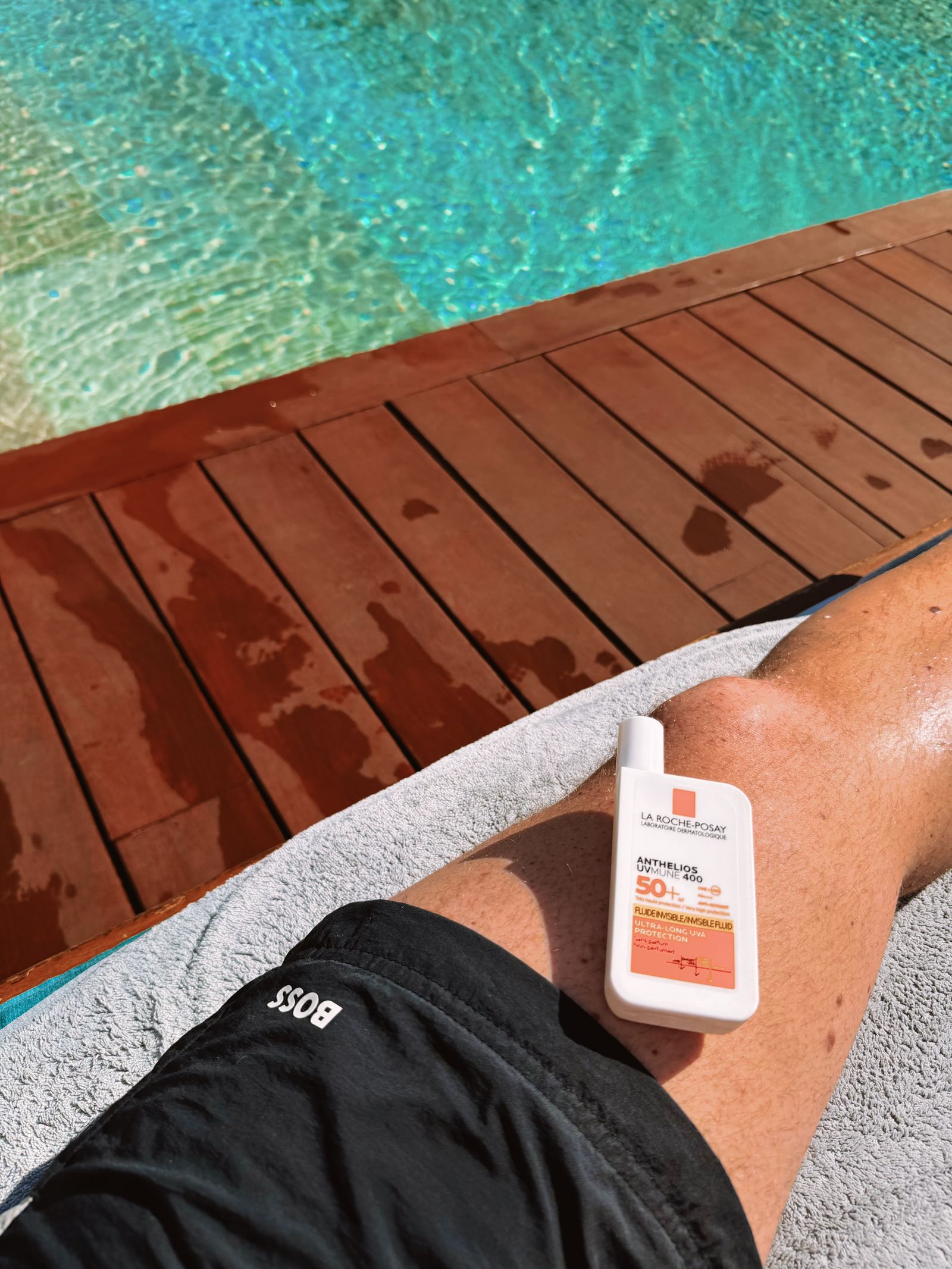
    Broad-spectrum sunscreen is one of the most important summer skincare essentials. Apply it to the face, neck, ears, chest, and any other exposed areas before going outdoors.

    Choose a sunscreen that feels comfortable enough to use consistently. Fluids, gels, lightweight lotions, and matte formulas may suit oily or humid-weather routines, while creamier products may feel better on dry skin.

    Use a generous, even layer and allow it to settle before applying makeup. Reapply according to the product directions, especially after swimming, heavy sweating, or towel drying.

    Sunscreen works best as part of a broader sun-protection approach. Seek shade when practical and consider hats, sunglasses, and lightweight clothing that covers exposed skin. These measures can make protection easier during long periods outdoors.

    Keep Makeup Light and Comfortable

    Heavy layers of foundation, concealer, powder, and setting products may feel uncomfortable in humid weather. A skin tint, tinted sunscreen, or light foundation applied only where needed can create a more breathable finish.

    Use concealer selectively around the eyes, nose, or individual marks. Cream blush and long-wearing brow products can add definition without requiring a full face of makeup.

    If shine develops during the day, press a clean tissue or blotting paper onto the skin before adding powder. Applying powder directly over sweat and oil can create a heavy or uneven texture.

    Choose makeup labeled water-resistant when you need additional staying power, but remove it thoroughly at the end of the day. Avoid sharing products or applicators, particularly in warm conditions where bacteria can multiply more easily.

    Exfoliate Carefully in Heat and Humidity

    Exfoliation may help with rough texture or clogged-looking pores, but summer is not a reason to use stronger products more frequently. Sweat, sun exposure, swimming, and repeated cleansing can already leave the skin more vulnerable to irritation.

    If your skin tolerates exfoliation, use a gentle product once or twice a week rather than layering several exfoliating ingredients. Salicylic acid may be worth considering for oily or congestion-prone areas, while lactic acid can provide milder exfoliation for some dry skin types.

    Do not exfoliate sunburned, irritated, or freshly shaved skin. Follow exfoliating products with moisturizer and be especially consistent with sun protection.

    If you already use a retinoid, benzoyl peroxide, or prescription treatment, avoid adding new active ingredients without considering how they interact. A dermatologist can help with persistent acne, irritation, or other ongoing concerns.

    Manage Sweat and Outdoor Activities

    Sweat itself is part of the body’s cooling process, but leaving a mixture of sweat, sunscreen, and makeup on the skin for long periods may feel uncomfortable. After exercise, gently cleanse or rinse the face and change out of damp clothing when possible.

    Use a clean towel to blot rather than rub perspiration. Repeated friction can contribute to redness, particularly around the hairline, nose, and areas where clothing or equipment touches the skin.

    Keep frequently used items clean, including hats, sunglasses, phone screens, makeup brushes, and reusable face towels. These objects regularly come into contact with the skin and can collect oil, sunscreen, and sweat.

    For the body, choose breathable clothing and shower after intense activity. A gentle body wash can remove buildup, while a lightweight lotion can help prevent dryness caused by frequent showering.

    Care for Skin After Swimming

    Chlorinated pool water and salt water may leave skin feeling dry or tight. Rinse your face and body with fresh water after swimming, then apply moisturizer while the skin is still slightly damp.

    Reapply sunscreen after swimming according to its directions, even if the product is labeled water-resistant. Water resistance lasts for a limited amount of time and does not make sunscreen waterproof.

    If your hairline or shoulders tend to break out during summer, rinse away conditioner, sunscreen, and styling-product residue carefully. Change out of wet swimwear when practical to reduce prolonged friction and moisture against the skin.

    Sunburned skin should be treated gently. Avoid exfoliants, retinoids, fragranced products, and aggressive scrubbing while the skin recovers. Severe blistering, significant swelling, fever, or other concerning symptoms require medical advice.

    Prepare a Small Summer Skincare Kit

    A few portable essentials can make outdoor days more comfortable without requiring a large bag. Choose products based on where you are going and how long you expect to be outside.

    A practical summer kit might contain:

    • A travel-size sunscreen for reapplication
    • A protective lip balm with SPF
    • Blotting papers or clean tissues
    • Sunglasses and a hat
    • A clean hair tie or clip
    • A lightweight hand or body lotion

    Do not leave skincare and makeup products in a very hot car or in direct sunlight for extended periods. Heat may affect their texture, packaging, and stability. Follow the storage directions on the label.

    Keep the Routine Simple and Flexible

    A basic morning routine can consist of gentle cleansing or rinsing, lightweight moisturizer when needed, and broad-spectrum sunscreen. Makeup can be added in thin layers afterward.

    In the evening, remove sunscreen and makeup thoroughly, cleanse gently, apply any treatment product you already tolerate, and finish with moisturizer.

    On especially hot or active days, focus on cleansing, hydration, and sun protection rather than adding more treatments. If your skin becomes irritated, temporarily simplify the routine until it feels comfortable again.

    Seasonal skincare works best when it remains flexible. A lightweight routine may suit humid days, while more moisturizer may be useful after swimming, travel, or spending several hours in air conditioning.

    Final Thoughts

    Summer skincare essentials should help your skin feel protected and comfortable without creating heavy layers. Gentle cleansing, lightweight moisturizer, consistent sunscreen, careful exfoliation, and simple post-swim care can address many common warm-weather concerns.

    Watch how your skin responds to heat and humidity, then make small adjustments rather than rebuilding your entire routine. The best summer skincare routine is the one you can comfortably follow both at home and on busy days outdoors.

    FAQs

    Should I skip moisturizer when it is humid?

    Not necessarily. Try a lighter lotion or gel cream, apply a smaller amount, or allow a moisturizing sunscreen to serve both purposes during the day.

    How often should I wash my face in summer?

    Cleanse in the evening and after significant sweating. A gentle morning cleanse or water rinse may also be appropriate, but repeated washing throughout the day can cause irritation.

    What type of sunscreen is best for humid weather?

    Look for a broad-spectrum formula with a texture you enjoy using, such as a fluid, gel, or lightweight lotion. Water-resistant sunscreen is useful for swimming and heavy sweating.

    Can I exfoliate more often when my skin feels oily?

    More frequent exfoliation may cause irritation and barrier damage. Start once or twice weekly, follow the product directions, and reduce use if the skin becomes red, tight, or uncomfortable.

    How should I reapply sunscreen over makeup?

    Gently blot sweat and excess oil first, then apply a sunscreen product intended for facial reapplication. Make sure you use enough product to provide even coverage.

    Why does my skin feel dry even when the weather is humid?

    Air conditioning, sun exposure, swimming, frequent cleansing, and insufficient moisturizing can all contribute. Use a gentle cleanser and apply a lightweight moisturizer to slightly damp skin. RECOMMENDED WORDPRESS TAG: Summer Skincare Routine

  • Body Skincare Basics: How to Build a Routine for Softer, Smoother-Looking Skin

    Body Skincare Basics: How to Build a Routine for Softer, Smoother-Looking Skin

    Body skincare does not need to involve a crowded shelf or a long routine. A few consistent habits can help skin feel more comfortable and look softer, smoother, and better cared for from the shoulders down.

    The most effective body skincare routine usually begins with gentle cleansing, regular moisturizing, thoughtful exfoliation, and sun protection for exposed areas. The products matter, but how and when you use them often makes an equally important difference.

    Understand What Your Body Skin Needs

    The skin on your body can have different needs from the skin on your face. Areas such as the elbows, knees, heels, and hands may become dry or rough more easily, while the chest and back may be more prone to oiliness or clogged pores.

    Before buying products, notice how your skin feels throughout the day. Tightness after showering may suggest that your cleanser, water temperature, or bathing habits are too drying. Rough patches may benefit from consistent moisturizing or careful exfoliation. Persistent itching, painful cracking, or an unexplained rash should be evaluated by a qualified dermatologist or healthcare professional.

    Your routine should also reflect your climate, activity level, and preferences. Someone living in a humid environment may prefer a lightweight lotion, while dry winter weather may make a richer cream more comfortable.

    Begin With Gentle, Effective Cleansing

    A good body cleanser should remove sweat, sunscreen, and everyday buildup without leaving the skin feeling stripped. Look for a mild body wash, cleansing oil, or fragrance-free bar that feels comfortable after rinsing.

    Very hot water can contribute to dryness, especially when showers are long. Choose warm water and keep bathing time reasonable. You do not need to scrub every area aggressively; hands or a soft washcloth are often sufficient for daily cleansing.

    Focus cleanser on areas where sweat, odor, or product buildup tends to collect. Less oily areas, such as the arms and lower legs, may not need the same amount of cleanser every day, particularly if the skin is dry or sensitive.

    If you exercise, swim, or wear water-resistant sunscreen, showering afterward can help remove residue. Use a gentle cleanser rather than trying to compensate with harsh scrubbing.

    Build a Body Skincare Routine Around Moisturizer

    Moisturizing is one of the most useful steps for softer, smoother-looking skin. Apply body lotion or cream shortly after bathing, ideally while the skin is still slightly damp. This helps hold surface moisture in place and can reduce the tight feeling that sometimes develops after a shower.

    Lotions are lightweight and easy to spread, making them practical for warm weather or normal skin. Creams and body butters have richer textures that may suit dry areas or colder seasons. Ointments provide a more protective layer and can be useful on very dry elbows, heels, or hands.

    Helpful moisturizing ingredients may include:

    • Glycerin and hyaluronic acid, which attract water
    • Ceramides, which support the skin’s protective barrier
    • Squalane and plant oils, which help soften the skin
    • Shea butter, which provides a richer, cushioning texture
    • Petrolatum, which helps reduce moisture loss

    You do not need all of these ingredients in one product. Choose a formula you enjoy applying consistently. A basic moisturizer used regularly is generally more useful than an elaborate product that remains unopened.

    Exfoliate Without Overdoing It

    Exfoliation can help improve the appearance of rough texture by removing some of the dead cells from the skin’s surface. However, frequent or aggressive exfoliation may cause dryness, irritation, or increased sensitivity.

    Physical exfoliation uses textured products such as scrubs, brushes, or exfoliating cloths. If you prefer this method, use light pressure and avoid scrubbing irritated, sunburned, or recently shaved skin.

    Chemical exfoliating body products may contain ingredients such as lactic acid, glycolic acid, or salicylic acid. Lactic acid can be worth considering for dry, rough texture, while salicylic acid may be useful for oily or clogged areas. Begin slowly and follow the product directions.

    For many people, exfoliating once or twice a week is enough. You may need less if your skin is dry or sensitive. Do not combine multiple exfoliating products in the same session, and stop if you notice persistent stinging, redness, or discomfort.

    Give Rough Areas More Targeted Care

    Elbows, knees, heels, and hands often benefit from a slightly richer approach. Apply your regular moisturizer first, then add a thin layer of ointment or balm to particularly dry areas.

    For rough heels, use a foot cream consistently and wear comfortable socks after application if that feels practical. Avoid cutting or aggressively filing thickened skin, since this can cause injury. Painful cracks or persistent foot problems may require professional advice, especially for people with diabetes or circulation concerns.

    For small bumps on the upper arms or thighs, a body lotion containing lactic acid, salicylic acid, or urea may help improve the appearance of texture over time. Introduce the product gradually and avoid using it immediately after shaving if your skin is easily irritated.

    Hand cream is useful after washing and before bed. Keep a small tube near the sink, on your desk, or in your bag so application becomes a natural part of the day.

    Make Shaving More Comfortable

    Shaving can temporarily leave skin feeling smoother, but poor technique may contribute to dryness, razor burn, or ingrown-looking bumps. Begin by softening the hair with warm water, then apply a shaving gel, cream, or another product designed to provide slip.

    Use a clean, sharp razor and avoid repeatedly passing over the same area. Shaving in the direction of hair growth may feel gentler, although individual results vary. Rinse the skin carefully and apply a fragrance-free moisturizer afterward.

    Avoid exfoliating aggressively immediately before or after shaving. If you use an exfoliating body lotion, consider applying it on non-shaving days until you understand how your skin responds.

    Replace blades regularly and allow the razor to dry between uses. A dull or unclean blade can make shaving less comfortable and increase irritation.

    Protect Exposed Body Skin From the Sun

    Sunscreen is not only for the face. The neck, chest, shoulders, arms, hands, and legs may receive significant sun exposure depending on your clothing and daily activities.

    Apply a broad-spectrum sunscreen to exposed skin before spending time outdoors. Use enough product to cover the area evenly, and remember easily missed places such as the tops of the feet, backs of the hands, ears, and shoulders.

    Reapply according to the product directions, particularly after swimming, heavy sweating, or towel drying. Clothing, hats, and shade can provide additional protection and may be easier than repeatedly applying sunscreen over large areas.

    Consistent sun protection can help reduce sunburn and limit the appearance of uneven tone and premature skin aging over time.

    Adjust the Routine With the Seasons

    Body skin may need different textures throughout the year. During warm, humid weather, a lightweight lotion or gel cream may feel more comfortable. In winter, consider switching to a richer cream and applying it more generously to dry areas.

    Indoor heating, cold wind, swimming pools, and frequent showering can all affect how the skin feels. Rather than replacing your entire routine, adjust one step at a time. You might shorten showers, change to a gentler cleanser, or apply moisturizer more consistently.

    Seasonal changes can also affect exfoliation tolerance. If the skin becomes dry or sensitive, reduce exfoliation and focus on barrier-supportive moisturizing until it feels comfortable again.

    Create a Routine You Can Maintain

    A practical body skincare routine can remain very simple:

    1. Cleanse gently during your shower or bath.
    2. Apply moisturizer while the skin is slightly damp.
    3. Use sunscreen on exposed areas during the day.
    4. Add exfoliation once or twice weekly if your skin tolerates it.
    5. Treat especially dry areas with a richer cream or ointment.

    Place products where you naturally use them. Keep moisturizer near the shower, hand cream beside the sink, and sunscreen close to the clothes or bag you reach for before leaving home.

    Give new products time to work and introduce them individually. Changing several parts of the routine at once can make it difficult to identify what is helping or causing irritation.

    Final Thoughts

    Body skincare basics are built on consistency rather than complexity. Gentle cleansing, regular moisturizing, careful exfoliation, comfortable shaving practices, and protection for exposed skin can support a softer, smoother-looking appearance.

    Begin with cleanser, moisturizer, and sunscreen, then add targeted products only when they serve a clear purpose. A body skincare routine that fits naturally into your day is far more likely to become a lasting habit.

    FAQs

    How often should I moisturize my body?

    Once daily is a practical starting point, especially after bathing. Very dry areas may benefit from another application during the day or before bed.

    Should body lotion be applied to wet or dry skin?

    Apply it to slightly damp skin after gently patting away excess water. This can help hold surface moisture in place while still allowing the product to spread comfortably.

    How often should I exfoliate my body?

    Once or twice a week may be sufficient for many people. Dry or sensitive skin may need less, while the product instructions should guide the use of chemical exfoliants.

    Can I use facial skincare products on my body?

    You can, but facial products are often more expensive for large areas. Body formulas are generally designed to spread easily and may contain ingredients better suited to rougher or drier areas.

    What can help with rough elbows and knees?

    Apply a rich moisturizer consistently and consider a product containing urea or lactic acid if your skin tolerates it. Avoid aggressive scrubbing, which may worsen irritation.

    When should I consult a dermatologist about body skin?

    Seek professional advice for persistent itching, painful cracking, bleeding, swelling, a spreading rash, signs of infection, or concerns that do not improve with gentle care. RECOMMENDED WORDPRESS TAG: Body Skincare Routine

  • How to Build a Simple Skincare Routine That You Will Actually Stick To

    How to Build a Simple Skincare Routine That You Will Actually Stick To

    A simple skincare routine is often more useful than a shelf full of products you only use once or twice. The goal is not to follow every beauty trend or create a complicated ritual. It is to choose a few dependable steps that feel good on your skin and fit naturally into your day.

    If you have ever bought products with great intentions, then stopped using them after a week, you are not alone. A routine becomes sustainable when it is clear, comfortable, and realistic. Learning how to build a simple skincare routine starts with understanding what your skin needs most and letting go of the pressure to do everything at once.

    Start With Your Everyday Needs

    Before choosing products, think about your current skin and your actual routine. Does your skin feel tight after cleansing? Does it become shiny during the day? Do you usually wear makeup, sunscreen, or both? These simple observations can help you choose products with more purpose.

    You do not need to identify every possible concern before getting started. Begin with one goal that feels most important to you. It may be keeping your skin comfortable in dry weather, finding a routine that works under makeup, or simply creating a calmer evening habit.

    Your schedule matters too. A routine that takes a few minutes in the morning and evening is much easier to maintain than one with many steps. Choose products you can use on busy weekdays, relaxed weekends, and tired nights. Consistency is more valuable than an impressive-looking collection.

    The Essential Steps in a Simple Skincare Routine

    For many people, a simple skincare routine can begin with three core categories: cleanser, moisturizer, and sunscreen. These steps create a useful foundation before you add anything more targeted.

    Choose a Gentle Cleanser

    Cleansing removes makeup, sunscreen, sweat, and daily buildup. The best cleanser is not necessarily the strongest one. It should leave your skin feeling fresh and comfortable rather than tight or stripped.

    If your skin tends to feel dry or sensitive, a creamy or low-foaming cleanser may feel more comfortable. If you have oilier skin, a lightweight gel cleanser can offer a clean finish without feeling heavy. Pay attention to how your skin feels after washing. Discomfort is often a sign that a product may be too harsh for regular use.

    Use a Moisturizer That Feels Right

    Moisturizer can be useful for every skin type, including oily and combination skin. It helps support a comfortable skin feel and can make the rest of your routine more pleasant.

    • Lightweight gels and lotions may feel comfortable in humid weather or on oilier skin.
    • Creamier textures may suit dry skin or colder seasons.
    • Fragrance-free formulas can be worth considering if your skin is easily irritated.

    There is no need to choose the richest formula if you dislike how it feels. A moisturizer you enjoy applying every day is often a better choice than one that sits unused in your bathroom cabinet.

    Make Sunscreen Part of Your Morning

    Sunscreen is an important daytime step for people who spend time outdoors or near daylight. Choose a broad-spectrum sunscreen that feels comfortable enough to wear regularly. A fluid, gel, cream, or tinted formula may suit different preferences and routines.

    Apply sunscreen as the final step of your morning skincare routine, before makeup. When you expect extended outdoor exposure, follow the product directions for reapplication. The most practical option is usually the one that layers well with your other products and does not make you want to skip it.

    Keep Your Morning Routine Short

    Morning skincare does not need to be elaborate. A simple routine can help your skin feel fresh and ready for the day without adding stress to an already busy morning.

    1. Cleanse gently or rinse with lukewarm water, depending on what feels comfortable for your skin.
    2. Apply moisturizer if your skin needs it.
    3. Finish with sunscreen.

    Some people enjoy using a hydrating serum in the morning, especially when their skin feels dry or looks tired. This can be a useful addition, but it should support your routine rather than make it feel complicated. Start with the essentials first, then add an extra step only when you know why you want it.

    Create a Calming Evening Routine

    Your evening routine is a chance to remove the day and give your skin a clean, comfortable reset before bed. It does not need to be long to feel restorative.

    Start by removing makeup, sunscreen, and daily buildup. If you wear heavier makeup or water-resistant sunscreen, you may prefer to use a cleansing balm, oil cleanser, or makeup remover before your regular cleanser. This can help your second cleanse feel gentle rather than overly aggressive.

    After cleansing, apply your moisturizer. If you are using one targeted product, such as a hydrating serum, apply it before your moisturizer unless the product directions suggest otherwise. Keeping the rest of the routine simple makes it easier to notice whether a new product suits your skin.

    Add New Products Slowly

    Once your basic routine feels easy to follow, you can consider adding a product for a specific reason. This may be extra hydration, a smoother skin feel, occasional blemishes, or a more even-looking complexion.

    The key is to add one new product at a time. Introducing several formulas at once can make it difficult to understand what your skin likes and what may be causing discomfort. It can also turn a simple routine into a confusing one.

    If you want more hydration, a gentle serum may be worth considering. If you are interested in exfoliation, start carefully and avoid layering multiple strong exfoliating products in the same routine. For persistent irritation, painful breakouts, or ongoing skin concerns, consult a qualified dermatologist for guidance that fits your individual needs.

    Make Your Routine Easy to Remember

    A good routine should work even when life is busy. Keep your core products somewhere easy to see and reach. If your moisturizer is hidden in a drawer and your sunscreen is in another room, each step becomes easier to postpone.

    Try linking skincare to habits you already have. You might apply your evening moisturizer after brushing your teeth or keep sunscreen beside your makeup bag. These small connections can make the routine feel automatic over time.

    It also helps to let go of perfection. Missing a night does not mean you have failed. Simply return to your usual steps the next time. A steady routine that allows for real life is more sustainable than one that feels strict or demanding.

    Common Mistakes to Avoid

    One common mistake is buying too many products before you know what your skin needs. New launches can be exciting, but an overloaded routine may become expensive, difficult to maintain, and harder to understand.

    Another mistake is changing products too quickly. Your skin often needs time to adjust to a new texture or formula. Switching everything after a few uses can make it difficult to tell which products are actually working well for you.

    It is also easy to choose products because they are popular online rather than because they fit your own needs. Trends can offer inspiration, but your skincare routine should be based on comfort, consistency, and the way your skin responds.

    Final Thoughts

    Knowing how to build a simple skincare routine is really about creating a few useful habits you can maintain. Start with a gentle cleanser, a moisturizer that feels comfortable, and sunscreen for the daytime. Once those steps feel natural, you can add targeted products with more confidence.

    A simple skincare routine does not need to be perfect to be worthwhile. Keep it practical, pay attention to how your skin feels, and choose products that make everyday care feel easier rather than more complicated.

    FAQs

    How long should a simple skincare routine take?

    A basic morning or evening routine can take only a few minutes. Keeping your core steps simple makes the habit easier to follow consistently.

    Do I need different products for morning and night?

    Not always. Many people use the same cleanser and moisturizer twice a day. Sunscreen is mainly a daytime step, while a targeted treatment may fit better into an evening routine.

    Can oily skin use moisturizer?

    Yes. Oily skin can still benefit from moisture. A lightweight gel or lotion may feel more comfortable than a richer cream.

    When should I add a serum?

    Add a serum after your cleanser, moisturizer, and sunscreen routine feels consistent. Choose one with a clear purpose and introduce it gradually.

    Is it okay to rinse with water instead of cleansing in the morning?

    For some people, especially those with dry or sensitive skin, a lukewarm water rinse may feel sufficient in the morning. Others prefer a gentle cleanse. Choose the option that leaves your skin feeling comfortable.

    What should I do if a new product irritates my skin?

    Stop using the new product and return to a gentle routine with cleanser, moisturizer, and sunscreen. If irritation continues or feels severe, consult a qualified dermatologist.

  • 5 Common Skincare Mistakes That Could Be Ruining Your Skin

    5 Common Skincare Mistakes That Could Be Ruining Your Skin

    Introduction: Skincare Isn’t as Simple as It Seems

    Have you ever invested time and money into skincare, only to see minimal improvement—or worse, worsening skin? Often, the problem isn’t the products themselves but the common mistakes we make while using them. Skincare might seem simple, but there are hidden traps that can sabotage your results.

    Why Skincare Mistakes Are So Common

    The beauty industry is overflowing with information, and marketing constantly promotes “instant results.” This encourages the misconception that more products or more steps automatically equal better skin. In reality, the lack of proper knowledge and blindly following trends often causes more harm than good.

    The Hidden Reasons Behind Frequent Skin Problems

    Beyond genetics and environmental factors, poor skincare habits—like over-cleansing, neglecting sun protection, or misusing products—are major contributors to acne, sensitivity, and premature aging.


    Mistake 1: Over-Cleansing Your Skin

    Is Washing Your Face More Often Really Better?

    Many people believe that the cleaner your face, the healthier your skin. In fact, over-cleansing can damage your skin barrier, causing dryness, irritation, and even rebound oiliness.

    The Risks of Over-Cleansing

    • Compromised Skin Barrier: Natural oils protect your skin, and excessive washing strips them away.
    • Loss of Moisture: Frequent washing accelerates water loss, leaving skin tight and dehydrated.
    • Microbial Imbalance: Over-cleansing disrupts skin’s natural microbiome, increasing sensitivity and acne.

    How to Tell if You’re Over-Cleansing

    If your skin feels tight, stings, or produces excess oil soon after washing, it’s likely being over-cleansed.

    Proper Cleansing Methods and Frequency

    • Wash twice daily (morning and evening).
    • Use gentle cleansers suitable for your skin type.
    • Keep water temperature around 30–35°C to avoid irritation.

    Mistake 2: Neglecting Sunscreen

    The Hidden Dangers of UV Exposure

    UV rays not only cause tanning but also lead to dark spots, fine lines, and even skin cancer. Many people assume sunscreen is only necessary in summer, but UV exposure happens year-round.

    Sunscreen Isn’t Just for Summer

    Even on cloudy days or indoors near windows, UVA rays can penetrate glass and damage your skin. Daily sunscreen application is non-negotiable.

    How to Choose the Right Sunscreen

    • SPF: SPF 30 for daily use, SPF 50+ for prolonged outdoor activity.
    • PA Rating: PA++ or higher for effective UVA protection.
    • Texture: Choose light water-based formulas for oily skin and richer creams for dry skin.

    Tips for Building a Consistent Sunscreen Routine

    • Apply 20 minutes before going outside.
    • Reapply every 2–3 hours, especially after sweating or swimming.
    • Complement sunscreen with hats, sunglasses, and protective clothing for full coverage.

    Mistake 3: Misusing or Over-Mixing Skincare Products

    Risks of Layering Skincare Products Improperly

    Blindly layering multiple products doesn’t enhance results—it can irritate your skin. High concentrations of acids, vitamin C, or retinoids used together may compromise your skin barrier.

    Ingredients That Should Never Be Mixed

    • Vitamin C + AHA/BHA: Can cause excessive irritation.
    • Retinol + Salicylic Acid: May lead to dryness and flaking.
    • Multiple exfoliating products: Increases redness and sensitivity.

    How to Combine Skincare Products Safely

    • Identify basic products: cleanser, toner, moisturizer, sunscreen.
    • Use active ingredients at separate times (e.g., vitamin C in the morning, retinol at night).
    • Track your routine to avoid conflicts.

    Why a Consistent Skincare Routine Matters

    Following a structured routine—cleanse → tone → serum → moisturizer → sunscreen—helps maximize efficacy while minimizing risks. Adjust products according to skin type and season.


    Mistake 4: Ignoring Your Skin’s Water-Oil Balance

    The Myth of “Dry vs. Oily Skin”

    Many assume oily skin doesn’t need hydration and dry skin doesn’t need oil control. In reality, maintaining water-oil balance is critical for all skin types.

    Signs Your Water-Oil Balance Is Off

    • Excess oil or tight dryness.
    • Frequent breakouts, blackheads, or dull complexion.
    • Makeup smudging or uneven application.

    How to Restore Water-Oil Balance

    • Use gentle cleansers and moisturizers that address both hydration and oil control.
    • Incorporate hydrating masks and lightweight oil-control serums.
    • Avoid excessive exfoliation to prevent over-stimulation of oil glands.

    Recommended Habits and Products

    • Layer a lightweight lotion under a moisturizer for different skin zones.
    • Use water-based mists for on-the-go hydration and oil control.
    • Adjust skincare based on climate and seasonal changes.

    Mistake 5: Lack of Patience and Consistency

    Skincare Takes Time

    Skincare is not a “quick fix.” Constantly switching products in search of instant results can backfire and damage the skin.

    The “Change Products Quickly” Trap

    Many abandon products too soon after minor irritation or a short testing period. Skin typically requires 4–8 weeks to show noticeable improvement.

    How to Track Skincare Results Properly

    • Test each product for at least a month.
    • Record changes in breakouts, dryness, or oiliness.
    • Take photos to compare progress objectively.

    How to Build a Long-Term Skincare Plan

    • Set morning and evening routines and stick to them.
    • Adjust products seasonally or as your skin ages.
    • Maintain healthy lifestyle habits to complement skincare.

    Conclusion: Correct Skincare Starts with Awareness

    Skincare is both a science and an art. Avoiding common mistakes, understanding your skin type, and establishing a consistent, long-term plan are key to achieving healthy, radiant skin. Remember, effective skincare is an investment, not a quick fix.


    FAQs

    Q1: How Many Times Should I Wash My Face Daily?
    Twice daily—morning and night—is enough; over-washing can damage the skin.

    Q2: Can Sunscreen Replace a Makeup Primer?
    No. Sunscreen protects against UV rays, while primers shield from dust and improve makeup application.

    Q3: Can I Layer as Many Skincare Products as I Want?
    No. Incompatible ingredients may irritate skin; follow a scientific routine.

    Q4: How Can Sensitive Skin Avoid Skincare Mistakes?
    Use gentle, low-irritant products, avoid over-exfoliation, and don’t switch products too frequently.

    Q5: How Long Until Skincare Products Show Results?
    Most products need at least 4–8 weeks for visible results; patience is key.

    Q6: Do Oily Skin Types Need Moisturizer?
    Yes. Proper hydration helps regulate oil production and maintain balance.

  • How to Build a Skincare Routine That Works – Start Today!

    How to Build a Skincare Routine That Works – Start Today!

    If you’ve ever felt overwhelmed by endless skincare advice, you’re not alone. With so many products and opinions out there, it can be hard to know where to start. The truth is—building a skincare routine doesn’t have to be complicated. All you need is the right understanding, consistency, and products that suit your skin. Let’s break it down step-by-step.


    1. Why a Skincare Routine Matters

    1.1 Skincare is Not Luxury—It’s Self-Management

    Skincare isn’t just about looking good—it’s about taking care of your body’s largest organ. Healthy skin protects you from pollution, bacteria, and UV damage. Think of it as maintaining your car: regular care prevents bigger problems down the road.

    1.2 The Long-Term Benefits of Consistent Skincare

    A consistent routine can improve your skin texture, prevent premature aging, and boost your confidence. The earlier you start, the better your long-term results will be.


    2. Know Your Skin Type

    2.1 The Four Basic Skin Types

    1. Dry Skin – Lacks moisture and feels tight.
    2. Oily Skin – Shiny with enlarged pores.
    3. Combination Skin – Oily in the T-zone, dry on the cheeks.
    4. Sensitive Skin – Easily irritated or red.

    2.2 How to Identify Your Skin Type

    Wash your face, don’t apply anything for 30 minutes, then observe:

    • Tight and flaky? Dry.
    • Shiny all over? Oily.
    • Shiny T-zone only? Combination.
    • Red or itchy? Sensitive.

    2.3 Tailoring Your Routine to Your Skin’s Needs

    Once you know your type, you can choose products that balance oil, hydration, and protection.


    3. The Core Three-Step Skincare Rule

    3.1 Cleansing: The Foundation of Healthy Skin

    A good cleanser removes dirt and oil without stripping moisture. Opt for a gentle formula—harsh cleansers can cause irritation and dryness.

    3.2 Moisturizing: The Secret to Hydration

    Moisturizers seal in hydration and strengthen your skin barrier. Look for ingredients like hyaluronic acid or ceramides for long-lasting moisture.

    3.3 Sunscreen: The Ultimate Anti-Aging Weapon

    Daily sunscreen use is non-negotiable. UV rays are responsible for up to 80% of visible aging. Even indoors, blue light from screens can harm your skin.

    Morning and Evening Skincare Order

    Morning: Cleanser → Toner → Serum → Moisturizer → Sunscreen
    Evening: Makeup remover → Cleanser → Serum → Moisturizer → Optional mask or treatment


    4. Advanced Skincare: Targeted Treatments

    4.1 How to Use Serums Effectively

    Serums deliver concentrated ingredients that tackle issues like dullness, fine lines, or acne. Use only a few drops—less is more.

    4.2 Masks, Exfoliants, and Special Care Products

    Use exfoliants once or twice a week to remove dead skin cells. Clay masks help with oil control, while hydrating masks restore moisture balance.

    4.3 Anti-Aging Essentials After 25

    Your mid-20s mark the decline of collagen production. Add antioxidants (like Vitamin C) and retinol to your routine for prevention.


    5. Building a Personalized Skincare System

    5.1 Start with the Basics

    You only need three essentials: a cleanser, moisturizer, and sunscreen. Build from there based on your skin goals.

    5.2 How to Layer Multiple Products

    Always apply from thinnest to thickest texture—toner, serum, moisturizer, then sunscreen.

    5.3 Seasonal Skincare Adjustments

    In summer, go for lightweight formulas; in winter, switch to richer creams.


    6. Common Skincare Mistakes to Avoid

    6.1 The “Expensive Means Better” Trap

    High price doesn’t equal high performance. The key lies in ingredient effectiveness, not the label.

    6.2 Over-Switching Products

    Give new products at least four weeks to show results. Changing too often can cause breakouts and sensitivity.

    6.3 The Risks of DIY Skincare

    Homemade masks can harbor bacteria or cause irritation. Leave the chemistry to professionals.


    7. The Science Behind Skincare: Ingredients Matter

    7.1 Key Active Ingredients: Hyaluronic Acid, Vitamin C, Retinol

    • Hyaluronic Acid: Deep hydration
    • Vitamin C: Brightens and fights free radicals
    • Retinol: Stimulates collagen and smooths fine lines

    7.2 How to Read an Ingredient List

    The first five ingredients make up most of the formula—pay attention to them. Avoid harsh alcohols and artificial fragrances.

    7.3 Ingredient Pairings and What to Avoid

    Never mix retinol with acids; pair Vitamin C with sunscreen for extra protection.


    8. How to Evaluate If Your Routine Works

    8.1 Timeframes and Visible Results

    Most products need 4–8 weeks to show visible improvement. Be patient—consistency is key.

    8.2 When to Adjust Products

    If you notice breakouts, dryness, or redness, simplify your routine and reintroduce products one by one.

    8.3 Why You Should Keep a Skincare Journal

    Tracking helps identify what truly benefits your skin and prevents repeating mistakes.


    9. Men’s Skincare: The Overlooked Category

    9.1 What Makes Men’s Skin Different

    Men’s skin is thicker, oilier, and prone to larger pores due to higher testosterone levels.

    9.2 A Simple Yet Effective Routine for Men

    Cleanse → Tone → Moisturize → Sunscreen.
    Simplicity works best for long-term consistency.


    10. The Future of Skincare: Tech and Personalization

    10.1 AI Skin Analysis and Custom Solutions

    AI-based apps can now scan your skin and suggest tailored routines—skincare meets technology.

    10.2 The Rise of Minimalist Skincare

    The “less is more” movement promotes fewer but smarter products to minimize irritation.

    10.3 Sustainable Beauty and Eco-Friendly Trends

    Brands are moving toward refillable packaging and biodegradable materials to reduce waste.


    11. Consistency Is Key: Turning Skincare into a Lifestyle

    11.1 Building a Sustainable Routine

    Consistency matters more than perfection. Even a simple routine, done daily, outperforms a complex one done occasionally.

    11.2 The Link Between Skincare, Diet, and Mental Health

    Healthy skin starts from within. Eat nutrient-rich foods, sleep well, and manage stress—they all reflect on your face.


    12. Conclusion and Action Plan

    12.1 Designing Your Ideal Routine

    There’s no one-size-fits-all routine. Your ideal skincare is the one that fits your needs, lifestyle, and comfort.

    12.2 Start Small, Stay Consistent

    Pick three essentials—cleanser, moisturizer, sunscreen—and start today. Skincare success is built one day at a time.


    Conclusion

    Skincare isn’t magic—it’s science, patience, and discipline. Once you understand your skin, choose products wisely, and stick to your routine, visible results will follow. Remember, the best time to start caring for your skin is now.


    FAQs

    1. Do I really need a multi-step skincare routine?
    Not necessarily. Start simple, then build up as your skin adapts.

    2. Can oily skin skip moisturizer?
    No. Dehydration causes more oil production. Use lightweight, oil-free formulas.

    3. How should I adjust my skincare in different seasons?
    Use lighter textures in summer and richer ones in winter.

    4. Do I need sunscreen on cloudy days?
    Absolutely. UV rays penetrate clouds and windows.

    5. Which is more important: serum or moisturizer?
    They serve different purposes—serum targets issues, moisturizer seals hydration.

    6. How do I care for my skin during sensitive periods?
    Simplify your routine, avoid active ingredients, and focus on barrier repair.

  • Is Your Skincare Routine Missing This Key Step? Here’s What You Need

    Is Your Skincare Routine Missing This Key Step? Here’s What You Need

    Skincare routines have become more than just a trend—they are essential to maintaining healthy, youthful skin. However, many people overlook one crucial step in their daily routine. Could you be missing the key to unlocking glowing, smooth skin? If your skincare regimen doesn’t include exfoliation, it might be time to re-evaluate.

    In this article, we will explore why exfoliation should be a non-negotiable part of your skincare routine, how it benefits your skin, and how to do it properly to avoid mistakes.


    Understanding the Basics of a Skincare Routine

    Before we dive into the world of exfoliation, it’s important to review the basic steps of a solid skincare routine.

    Cleansing: The Essential First Step

    Cleansing is the foundation of any skincare regimen. It removes dirt, oil, makeup, and impurities that can clog your pores. A clean face allows the rest of your skincare products to penetrate deeper and work more effectively.

    Toning: Balancing Your Skin

    Toners are often used after cleansing to restore the skin’s natural pH balance, remove any lingering impurities, and prepare the skin for moisturizer.

    Moisturizing: Hydrating for Healthy Skin

    Moisturizing keeps your skin hydrated and prevents dryness. It helps to maintain the skin’s natural barrier and can prevent issues like flakiness and irritation.


    The Missing Step in Your Skincare Routine

    You might have a solid routine in place, but if you’re not exfoliating, you’re likely missing out on a step that could take your skin to the next level.

    What Most People Overlook

    Exfoliation is often forgotten because many people believe that cleansing and moisturizing are enough. However, exfoliating is necessary to remove the buildup of dead skin cells, which can make your skin look dull and uneven.

    Why This Step is Crucial

    Exfoliation is like spring cleaning for your face. It sloughs away the dead skin that accumulates on the surface, revealing fresh, glowing skin underneath. Without it, your other skincare products won’t work as effectively because they can’t penetrate deeply enough.


    The Power of Exfoliation

    Exfoliation is a game-changer for your skin, but it’s important to understand what it actually does and how it benefits you.

    What Exfoliation Does for Your Skin

    Exfoliating clears away dead skin cells, unclogs pores, and promotes cell turnover. This results in smoother, brighter, and more youthful skin. It also helps to prevent breakouts by keeping your pores clear.

    Types of Exfoliation: Physical vs. Chemical

    There are two main types of exfoliation: physical and chemical.

    • Physical exfoliation uses scrubs, brushes, or tools to physically remove dead skin. While effective, it can be too harsh if done incorrectly.
    • Chemical exfoliation uses acids like AHAs (alpha-hydroxy acids) and BHAs (beta-hydroxy acids) to dissolve dead skin cells. It’s typically gentler and more effective for those with sensitive skin.

    How to Choose the Right Exfoliator

    Different skin types require different exfoliation methods. Here’s how to choose the right one for you.

    For Oily Skin

    If you have oily skin, you’ll benefit from a stronger exfoliant, such as a salicylic acid (BHA) product. It can help to deeply cleanse your pores and reduce excess oil production.

    For Sensitive Skin

    Those with sensitive skin should opt for gentler exfoliants, such as lactic acid or mild scrubs with soft granules. Avoid harsh physical exfoliants that can cause irritation or redness.

    For Dry Skin

    If your skin is dry, look for exfoliators with hydrating ingredients, like glycolic acid or enzymes, which help to slough off dead skin without stripping moisture.


    Benefits of Exfoliating Regularly

    Exfoliation offers numerous benefits that can transform your skin.

    Removing Dead Skin Cells

    By removing dead skin cells, exfoliation gives your skin a fresh, smooth surface, making it look more radiant and youthful.

    Boosting Product Absorption

    Exfoliating regularly helps your skincare products to absorb better, meaning they will work more effectively.

    Promoting a Glowing Complexion

    When you exfoliate, you encourage cell turnover, which promotes a brighter and more even complexion over time.


    Common Exfoliation Mistakes to Avoid

    While exfoliation is beneficial, there are some common mistakes people make.

    Over-Exfoliating

    Exfoliating too frequently can strip the skin’s natural barrier, causing irritation, redness, and dryness. Stick to 1-3 times a week, depending on your skin type.

    Using Harsh Scrubs

    Harsh physical scrubs with large, coarse particles can cause microtears in your skin, leading to long-term damage. Opt for a gentle scrub or a chemical exfoliant.


    How Often Should You Exfoliate?

    The frequency of exfoliation depends on your skin type and the exfoliant you’re using.

    Exfoliating Based on Your Skin Type

    • Oily skin can benefit from exfoliating 2-3 times a week.
    • Sensitive skin should exfoliate once a week.
    • Dry skin can exfoliate once or twice a week to avoid further dryness.

    Seasonal Changes and Exfoliation

    Your exfoliation needs may change with the seasons. In colder months, you may need to exfoliate less frequently to avoid irritation caused by dry air.


    The Right Time to Exfoliate in Your Skincare Routine

    When should you exfoliate? The best time to exfoliate is after cleansing, but before toning and moisturizing.

    Morning vs. Night Exfoliation

    Exfoliating at night gives your skin the opportunity to renew while you sleep. However, morning exfoliation can also work if you’re preparing your skin for makeup.

    Prepping Your Skin for the Next Step

    Exfoliation primes your skin, allowing your toner, serum, and moisturizer to work more effectively.


    Other Key Steps to Complement Exfoliation

    Exfoliating is just one part of the puzzle. After exfoliation, make sure you hydrate and protect your skin.

    Hydrating After Exfoliation

    After exfoliating, always apply a moisturizer to lock in hydration. Your skin will be more receptive to moisturizing ingredients post-exfoliation.

    Using Sunscreen to Protect Fresh Skin

    Exfoliation can make your skin more sensitive to the sun. Always apply sunscreen to protect your skin from harmful UV rays.


    Conclusion

    Exfoliation is often the missing piece in many people’s skincare routines. By adding this crucial step, you can unlock smoother, brighter, and healthier skin. Choose the right exfoliant for your skin type, use it regularly, and make sure to follow up with hydration and sun protection. Your skin will thank you for it.


    FAQs

    1. How often should I exfoliate if I have sensitive skin?
      For sensitive skin, exfoliate once a week with a gentle exfoliant like lactic acid or mild scrubs.
    2. Can exfoliating help with acne?
      Yes, exfoliating helps to remove dead skin and prevent clogged pores, reducing the likelihood of acne.
    3. Is it okay to exfoliate every day?
      No, over-exfoliating can damage the skin’s barrier. Stick to 1-3 times per week based on your skin type.
    4. What are the benefits of exfoliation for anti-aging?
      Exfoliation helps to promote cell turnover, reducing the appearance of fine lines and wrinkles while revealing smoother skin.
  • The Best Products for Sensitive Skin – 5 Must-Haves for a Calm Complexion

    The Best Products for Sensitive Skin – 5 Must-Haves for a Calm Complexion

    Introduction

    Does your skin freak out at the slightest touch? Does redness, tightness, or burning sensations show up more often than not? If yes, then you know the struggle of managing sensitive skin. But here’s the good news—you can absolutely tame the chaos. You just need the right products in your corner.

    In this guide, we’ll walk you through the five best must-haves for sensitive skin, why they work, and how to use them effectively. Backed by science and dermatological advice, these picks are all about calming, protecting, and restoring your skin’s balance.

    Why Sensitive Skin Needs Special Care

    Unlike other skin types, sensitive skin isn’t just about dryness or oiliness—it’s about vulnerability. It reacts faster and more severely to triggers like fragrances, temperature shifts, and even water. So choosing the wrong product? That can spell disaster.

    What Defines a “Must-Have” Product?

    For us, a “must-have” product is one that is gentle, effective, non-irritating, and plays a vital role in protecting your skin barrier. From cleansers to sunscreen, we’ve handpicked essentials that soothe without compromise.


    Understanding Sensitive Skin

    Common Symptoms and Triggers

    Let’s start by decoding the enemy. Sensitive skin is usually marked by:

    • Redness and blotchiness
    • Stinging or burning
    • Dry patches and flakiness
    • Tightness after cleansing

    These can be triggered by environmental changes, over-exfoliation, pollution, harsh chemicals, or even stress.

    Skin Type vs. Skin Condition

    Here’s where it gets interesting: sensitive skin can be both a skin type (inherent) and a skin condition (acquired). This means even oily or combination skin can develop sensitivity. Misdiagnosis often leads to poor product choices.

    Importance of Minimalist Skincare Routines

    When your skin is on high alert, simplicity is your best friend. The fewer ingredients and steps, the lower the risk of reaction.


    Product 1: Gentle Cleanser

    Key Ingredients to Look For

    • Ceramides to strengthen the skin barrier
    • Glycerin for hydration
    • Non-foaming agents to avoid stripping oils

    Why Harsh Surfactants Are a No-Go

    Most drugstore cleansers contain sulfates—great for foam, bad for your face. They tear down your skin’s natural defenses and leave it feeling raw.

    Recommended Option: CeraVe Hydrating Facial Cleanser

    This cult-favorite is fragrance-free, pH-balanced, and loaded with ceramides and hyaluronic acid. It cleanses without that dreaded tightness afterward.


    Product 2: Alcohol-Free Toner

    Soothing Botanicals that Work

    Sensitive skin responds well to ingredients like:

    • Centella Asiatica (aka cica)
    • Licorice root extract
    • Aloe vera

    Recommended Option: Klairs Supple Preparation Unscented Toner

    This toner balances pH and boosts absorption of other products. Plus, no fragrance, no essential oils—just hydration and calm.


    Product 3: Lightweight Moisturizer

    Barrier Support and Hydration Boosters

    Look for:

    • Niacinamide (anti-inflammatory)
    • Squalane (skin-identical moisturizer)
    • Fatty alcohols (good ones like cetyl or stearyl alcohol)

    Recommended Option: Vanicream Moisturizing Cream

    A no-nonsense cream that’s thick but non-greasy. Dermatologist-approved, free from irritants, and loved by eczema-prone users.


    Product 4: Fragrance-Free Sunscreen

    Mineral vs. Chemical Filters

    Sensitive skin generally prefers mineral sunscreens—think zinc oxide and titanium dioxide. They sit on top of the skin rather than being absorbed, which reduces chances of irritation.

    Recommended Option: La Roche-Posay Anthelios Mineral SPF 50

    Ultra-light, broad-spectrum protection without the sting. It’s oil-free and suitable for both face and body.


    Product 5: Targeted Treatment Serum

    Calming Actives for Sensitive Skin

    If you’re looking to target redness or uneven texture, go for:

    • Azelaic acid (anti-inflammatory, anti-acne, brightening)
    • Panthenol (vitamin B5, healing)
    • Madecassoside (Centella-derived soothing agent)

    Recommended Option: The Ordinary Azelaic Acid Suspension 10%

    Affordable and effective. This multitasking serum tackles redness, pigmentation, and clogged pores without causing flare-ups.


    Additional Tips for Managing Sensitive Skin

    Patch Testing and Product Layering

    Always patch-test a new product for 48–72 hours. And introduce one product at a time. That way, if your skin reacts, you’ll know exactly what caused it.

    Avoiding Sensory Overload in Skincare

    Too many actives or essential oils? Sensory overload. Sensitive skin thrives on simple, fragrance-free formulas.

    Understanding the “Skin Minimalism” Trend

    The minimalist trend isn’t just aesthetic—it’s skin-saving. Ditch the 10-step routine and stick to 3–5 core products. Less is truly more.


    Conclusion

    Sensitive skin doesn’t have to mean constant discomfort or limited options. With the right lineup—cleanser, toner, moisturizer, sunscreen, and serum—you can build a soothing routine that protects, heals, and empowers your skin every single day.

    Remember, skincare isn’t about perfection. It’s about consistency, patience, and listening to what your skin needs. Start simple. Stay gentle. And enjoy the journey to a calmer, healthier complexion.


    FAQs

    1. Can sensitive skin ever become less reactive over time?
    Yes, with consistent barrier-repairing routines and avoidance of known irritants, sensitivity can decrease significantly.

    2. Is fragrance always bad for sensitive skin?
    Not always, but it’s a common trigger. If you’re unsure, always opt for fragrance-free until you know your skin’s boundaries.

    3. Can I still exfoliate if I have sensitive skin?
    Yes—but gently. Use mild chemical exfoliants like lactic acid, and limit to once a week or less.

    4. How long should I try a new product before judging it?
    Give it at least 2 weeks unless it causes immediate irritation. Skin needs time to adjust.

    5. Are natural skincare products always better for sensitivity?
    Not necessarily. “Natural” doesn’t equal non-irritating. Essential oils and plant extracts can be very reactive.

    6. What should I avoid completely with sensitive skin?
    Common culprits include alcohol, sulfates, synthetic fragrance, essential oils, and overly strong actives like retinoids (unless guided by a derm).

  • 5 Essential Ingredients for Clear, Bright Skin – Learn What Works

    5 Essential Ingredients for Clear, Bright Skin – Learn What Works

    Glowing skin isn’t just for influencers or skincare addicts — it’s for everyone. But if you’ve ever felt overwhelmed by ingredient lists or confused about what actually works, you’re not alone. This guide breaks down five powerhouse ingredients scientifically proven to help you get clearer, brighter, healthier skin — minus the fluff.


    Why Most Skincare Products Don’t Work (Unless You Know This)

    The Truth Behind Skincare Failures


    Have you ever spent a fortune on a serum only to see zero results? That’s not your fault — many products contain ineffective concentrations or buzzword ingredients that don’t deliver.

    Ingredient Transparency: The Key to Smarter Skincare
    The rise of ingredient-focused brands is a good sign. But unless you understand those labels — concentrations, pH levels, compatibility — you’ll still be guessing.


    1. Vitamin C – The Brightening Powerhouse

    How It Fights Free Radicals and Evens Skin Tone
    Vitamin C is a potent antioxidant that protects skin from environmental damage, fades hyperpigmentation, and boosts collagen. It’s a must-have if dullness or dark spots are your concern.

    Best Practices: Optimal pH, Concentration, and Pairing
    Look for concentrations between 10–20% and a pH around 3.5 for best stability. Bonus tip: pair it with Vitamin E and ferulic acid for enhanced antioxidant power.


    2. Allantoin – The Underrated Soothing Agent

    How It Calms Irritation and Repairs the Skin Barrier
    Allantoin may not sound sexy, but it’s a gentle yet effective ingredient that promotes healing, reduces redness, and strengthens the skin barrier — perfect for sensitive or over-exfoliated skin.

    Sensitive Skin Savior: How to Combine It Safely
    Use Allantoin with exfoliants like salicylic acid or retinol to minimize irritation. It also works beautifully with ingredients like centella asiatica or ceramides.


    3. Niacinamide – The Multitasking Skin Hero

    What Makes It a Game-Changer for Oil, Spots, and Redness
    Niacinamide does it all — it fades dark spots, controls sebum production, reduces redness, and strengthens your skin’s defenses. If you’re only adding one active ingredient to your routine, this is it.

    From Beginners to Experts: Choosing the Right Strength
    Start with 2–5% if you’re new to niacinamide. Higher strengths (up to 10%) work well for oily or acne-prone skin, but watch for irritation.


    4. Salicylic Acid – The Pore-Penetrating Exfoliator

    Why It Works for Acne-Prone and Oily Skin
    This oil-soluble BHA exfoliates deep inside your pores, making it excellent for blackheads, acne, and texture issues.

    How to Avoid Over-Exfoliation and Maximize Results
    Stick with 0.5–2% concentrations, and use it 2–3 times a week. Avoid layering it with other strong acids or retinoids unless your skin is very tolerant.


    5. Hyaluronic Acid – The Ultimate Hydration Magnet

    Different Molecular Weights: What They Really Do
    High-molecular HA stays on the surface to plump and smooth, while low-molecular HA penetrates deeper to hydrate from within. A mix of both gives the best result.

    Layering Techniques: Combine Without Conflict
    Apply hyaluronic acid on damp skin, then lock it in with a moisturizer. It pairs well with almost everything — vitamin C, retinol, peptides — you name it.


    Putting It All Together: A Routine That Works

    Morning vs. Evening: What Goes When

    • Morning: Vitamin C + Hyaluronic Acid + Sunscreen
    • Evening: Niacinamide + Salicylic Acid (alternate nights) + Allantoin or a gentle moisturizer

    What to Mix and What to Avoid
    Avoid pairing high-strength acids with retinol or vitamin C unless you’re experienced. Stick to one or two actives at a time and build up slowly.


    Ingredients Alone Won’t Save You – Lifestyle Still Matters

    Sleep, Diet, and Skincare: The Synergistic Triangle
    No ingredient can outdo poor sleep or a junk-food diet. Hydrate well, sleep at least 7 hours, eat your greens — your skin will thank you.

    Real Progress Takes Time and Patience
    Most actives take 4–8 weeks to show visible changes. Don’t jump ship too early. Skincare is a marathon, not a sprint.


    Conclusion: Be an Ingredient-Savvy Skincare Consumer

    Marketing won’t give you results — science will. Focus on ingredients that are proven to work, in effective concentrations, and suited to your skin type. The five essentials we’ve covered today are a rock-solid foundation for anyone aiming for clear, bright, and truly healthy skin.


    FAQs – Your Most Asked Questions Answered

    Q1: Can I use niacinamide and vitamin C together?
    Yes! Modern formulations allow them to coexist peacefully. If irritation occurs, use them at different times of day.

    Q2: Is salicylic acid safe for sensitive skin?
    It can be, in low concentrations (0.5%) and limited usage (1–2 times per week), followed by a barrier-repair cream.

    Q3: Do I need to wear sunscreen with vitamin C?
    Absolutely. Vitamin C increases sun sensitivity — skipping SPF defeats its purpose.

    Q4: What’s better for calming – allantoin or centella asiatica?
    Both are excellent. Allantoin excels in repair; centella is better for calming inflammation. Use them together if possible.

    Q5: Can I use hyaluronic acid every day?
    Yes, and you should! Just remember to apply it on damp skin and seal it with a moisturizer.

    Q6: How do I know if a product has enough of an active ingredient?
    Look for percentage labels. If it’s not listed, check the ingredient’s position — the higher it is on the list, the more it contains.

  • Winter Skincare Tips: 7 Ways to Keep Your Skin Hydrated and Healthy

    Winter Skincare Tips: 7 Ways to Keep Your Skin Hydrated and Healthy


    Introduction

    Winter’s chill might be cozy for sweaters and hot cocoa, but it’s a nightmare for your skin. Ever wonder why your face feels tighter than your jeans after Thanksgiving dinner? That’s the cold, dry air sucking the life (and moisture) out of your skin.

    Your skin’s natural barrier is compromised during winter, thanks to low humidity, harsh winds, and indoor heating. So if you want to avoid the dreaded winter flake-fest, you need to upgrade your skincare game. Let’s break down seven science-backed, dermatologist-approved ways to keep your skin hydrated and healthy all winter long.


    Tip 1: Switch to a Hydrating Cleanser

    Avoiding Harsh Surfactants

    That foaming face wash you loved in summer? It’s probably your skin’s worst enemy right now. Harsh cleansers with sulfates strip your skin’s natural oils, leaving it dry and prone to irritation.

    Ingredients to Look for in a Winter Cleanser

    Instead, opt for gentle, non-foaming cleansers with ingredients like:

    • Glycerin – attracts moisture
    • Hyaluronic Acid – plumps and hydrates
    • Panthenol – soothes and repairs

    Think of it as the first line of defense: a cleanser that cleans without overdoing it.


    Tip 2: Layer Moisture, Don’t Just Slather It

    The Logic Behind the “Hydration Sandwich” Method

    Moisturising isn’t just about slapping on a thick cream. It’s about building layers—like a lasagna (yes, skincare can be deliciously complex). The “hydration sandwich” involves applying products in a specific order to seal in moisture.

    Step-by-Step Layering Technique

    1. Start with a damp face (mist or toner works)
    2. Apply a humectant like hyaluronic acid
    3. Follow with a nourishing serum or lightweight lotion
    4. Seal everything with a rich moisturiser or facial oil

    Best Types of Humectants, Emollients, and Occlusives

    • Humectants: Hyaluronic Acid, Glycerin
    • Emollients: Squalane, Jojoba Oil
    • Occlusives: Petrolatum, Shea Butter

    Get these right, and your skin will stay bouncy and hydrated, not tight and flaky.


    Tip 3: Use a Humidifier Indoors

    Combatting Indoor Heating and Dry Air

    Central heating might feel heavenly, but it’s a silent skin-killer. It zaps moisture from the air—and your skin.

    How a Humidifier Supports Your Skin Barrier

    A humidifier maintains indoor humidity between 40–60%, creating a skin-friendly environment. Your barrier function stays intact, meaning fewer cracks, less redness, and no more flaking like a croissant.


    Tip 4: Upgrade to a Richer Moisturiser

    When Your Lightweight Lotion Won’t Cut It

    That featherweight gel moisturiser? Leave it for spring. In winter, your skin needs a richer, more emollient formula to fight moisture loss.

    Ingredients That Lock in Moisture

    Look for these all-stars:

    • Ceramides – strengthen the skin barrier
    • Squalane – mimics your skin’s natural oils
    • Shea Butter – deeply nourishing and occlusive
    • Niacinamide – reduces inflammation and enhances hydration

    Pick a cream that feels luxurious without clogging your pores.


    Tip 5: Don’t Skip SPF—Yes, Even in Winter

    Why UV Rays Are Still Harmful in Cold Months

    Just because it’s cloudy doesn’t mean you’re safe. Up to 80% of UV rays penetrate clouds and bounce off snow, increasing your exposure.

    Choosing a Sunscreen That Suits Dry Winter Skin

    Go for sunscreens that double as moisturisers. Look for:

    • Zinc Oxide or Titanium Dioxide – for gentle mineral protection
    • Hydrating formulas – with aloe, hyaluronic acid, or vitamin E

    Wearing SPF daily is non-negotiable—no matter the season.


    Tip 6: Exfoliate—But Do It Gently

    The Right Balance: Removing Flakes vs. Damaging the Skin

    Flaky skin makes you want to scrub it off, right? Don’t. Over-exfoliating damages the skin barrier, leading to more dryness.

    Recommended Exfoliation Frequency in Winter

    Once a week is enough for most people. Sensitive skin? Try once every 10 days.

    Best Exfoliating Ingredients for Sensitive Winter Skin

    • Lactic Acid – hydrating AHA that gently resurfaces
    • PHA (Polyhydroxy Acids) – mild, ideal for reactive skin
    • Enzymes – like papain and bromelain, from fruits

    Less is more when it comes to winter exfoliation.


    Tip 7: Nourish from Within

    Hydration Starts Internally: Drink More Water

    Your skin reflects your internal hydration status. Drink at least 2 litres of water daily—and don’t forget herbal teas or warm lemon water as winter-friendly options.

    Skin-Loving Foods for Winter

    What you eat matters. Focus on:

    • Omega-3s (salmon, walnuts, chia seeds) for barrier support
    • Antioxidants (berries, leafy greens) to fight inflammation
    • Vitamin C and E – for skin repair and glow

    Your skincare routine starts on your plate.


    Bonus Tips: Extra TLC for Lips, Hands, and Feet

    Why These Areas Suffer the Most

    They’re exposed, have fewer oil glands, and often neglected. No wonder they’re the first to crack.

    Barrier-Repairing Treatments for Neglected Zones

    • Lips: Use balms with lanolin or beeswax, and avoid licking
    • Hands: Apply hand cream after every wash; wear gloves outdoors
    • Feet: Apply thick cream at night and wear cotton socks to lock it in

    Conclusion

    Winter skincare isn’t just about avoiding dryness—it’s about preserving your skin’s health and glow year-round. With the right strategies—hydrating cleansers, proper layering, richer moisturisers, and internal nourishment—you can face winter head-on with skin that’s smooth, supple, and radiant. Remember, consistency is your best friend in the battle against cold-weather skin woes.


    FAQs

    Can I use my summer skincare products in winter?

    Not all of them. You’ll likely need to swap lighter products for richer, more hydrating options to meet winter’s demands.

    What’s the best time to apply moisturiser during winter?

    Right after cleansing or showering—when your skin is still damp—to lock in moisture more effectively.

    Is it okay to exfoliate more to remove flaky skin?

    No—over-exfoliating can worsen dryness and irritation. Stick to once a week or less.

    Are natural oils good substitutes for moisturisers?

    They’re great as occlusives but not hydrators. Use them to seal in moisture after applying a water-based product.

    How do I prevent chapped lips in winter?

    Avoid licking your lips, use a nourishing balm with lanolin or shea butter, and exfoliate gently once a week.

    Should I change my skincare routine if I have oily skin in winter?

    Yes. Even oily skin can get dehydrated. Use gel-based hydrators and non-comedogenic moisturisers to maintain balance.

  • 5 Simple Ways to Style Statement Jewelry for Any Event

    5 Simple Ways to Style Statement Jewelry for Any Event

    Introduction – Why Statement Jewelry Is the Star of Your Outfit

    Ever notice how one accessory can completely transform an outfit? That’s the magic of statement jewelry. It’s not just about sparkle or size—it’s about expressing your personality and owning your presence. Whether you’re dressing for brunch or a black-tie gala, the right piece can elevate your entire look.

    What qualifies as statement jewelry?

    Statement jewelry includes pieces that are bold, unique, and eye-catching. Think chunky necklaces, oversized earrings, dramatic cuffs, or brightly colored rings. These pieces aren’t meant to blend in—they’re meant to lead the look.

    Why does it matter in fashion styling?

    Because when styled right, statement jewelry can speak louder than the outfit itself. It tells a story. It draws the eye. And most importantly—it helps you stand out without saying a word.


    Rule #1 – Balance Bold Jewelry with Simple Outfits

    Let your accessories shine without competing with your clothes

    Here’s the golden rule: if your jewelry is bold, your outfit should be chill. Clean silhouettes, neutral tones, and minimal patterns are your best friends when you want your jewelry to steal the show.

    Example: All-black turtleneck + oversized gold earrings

    It’s a fashion classic. The simplicity of the turtleneck provides the perfect stage for bold, metallic earrings. It’s sleek, smart, and effortlessly stylish.


    Rule #2 – Choose One Focal Point Only

    Don’t go full sparkle from head to toe

    It’s tempting to wear that fabulous cuff and that beaded necklace and those chandelier earrings—but please don’t. Your look needs breathing room.

    Focus on either earrings, a necklace, or a bracelet

    Pick one area to highlight. If you’re wearing statement earrings, skip the necklace. If your necklace is a showstopper, opt for studs or no earrings at all. Focus draws attention. Clutter confuses.


    Rule #3 – Match Your Jewelry to the Occasion

    Formal events: Elegance with subtle drama

    A structured dress and a bold crystal necklace? Yes. A floor-length gown with oversized vintage earrings? Definitely. Just keep it intentional—let the jewelry enhance your look, not overpower it.

    Casual outings: Playful but not overpowering

    Lunch dates or coffee runs are great times to wear fun acrylic earrings, a colorful resin cuff, or a quirky pendant. Keep it light and breezy.

    Night parties: Go all out and shine bright

    Metallic chokers, layered chains, gemstone-studded hoops—nighttime is the perfect excuse to go bold and bring the drama.


    Rule #4 – Color Coordination is Key

    Metallic tones vs. outfit shades: What works and what clashes

    Cool colors (blues, purples) work well with silver-toned metals. Warm colors (reds, browns, yellows) love gold or rose gold. Gunmetal and matte black? Those go with everything.

    Smart ways to pair colored gemstones

    Use the color wheel. Complementary colors (like blue and orange) create contrast that pops. Analogous colors (like green and teal) keep it harmonious.


    Rule #5 – Make It Personal: Express Your Style

    Know your jewelry personality

    Are you drawn to geometric lines or boho beads? Do you love classic pearls or edgy chains? Your choice of jewelry should reflect you, not just a runway trend.

    Don’t blindly follow trends—own your look

    Sure, trends are fun. But confidence is timeless. Whether you’re layering vintage brooches or rocking a single sculptural ring, make sure it feels right for you.


    Bonus Tips – Mastering Layering Without Looking Messy

    Layered necklaces: Mixing lengths and textures

    Start with a choker, add a mid-length pendant, and finish with a long chain. Varying textures—metal, pearls, leather—add interest without bulk.

    Stacked rings and bracelets: How to avoid overkill

    Mix thick and thin bands, combine matte and glossy finishes, and always leave at least one finger or wrist bare for balance.


    Pro Tip – Match Earrings to Face Shape for Maximum Impact

    Round, long, heart-shaped faces and what suits them

    • Round face: Long, linear earrings elongate the face.
    • Long face: Wide or round earrings add width and balance.
    • Heart-shaped face: Chandelier earrings or teardrops complement the narrow chin.

    Length, material, and weight considerations

    Lightweight materials (like resin or wood) are perfect for comfort. Avoid heavy pieces that tug or stretch.


    Syncing Your Statement Jewelry with Hair and Makeup

    Bold lips + metallic earrings = power combo

    Red lips and gold hoops? Chef’s kiss. It’s strong, timeless, and full of confidence.

    Hairstyles that complement standout accessories

    • Updos: Showcase earrings and chokers.
    • Side parts: Balance asymmetrical jewelry.
    • Loose waves: Pair with vibrant studs or chunky rings for a laid-back glam vibe.

    What’s Hot in 2025: The Top Jewelry Trends to Know

    Oversized hoops are making a comeback

    Big, bold, and unapologetic—hoops in every shape are back in style, from sculptural ovals to twisted textures.

    Enamel and vintage-inspired designs are trending

    Colorful enamel pieces, antique-style lockets, and art deco motifs are dominating runways and Instagram feeds alike.


    Influencer Inspiration: How Celebs and Stylists Rock Statement Jewelry

    How Kendall Jenner nails it with just one necklace

    One simple gold chain paired with a strapless dress—Kendall proves that minimal can still be a statement when the proportions and styling are just right.

    Street style & social media hacks for everyday glam

    Fashion influencers love mixing high and low—pairing Zara jewelry with designer looks, layering thrift finds, and styling bold pieces with plain tees. It’s not about price, it’s about attitude.


    Conclusion – Speak Through Your Jewelry, Shine as You Are

    Statement jewelry isn’t about being loud—it’s about being heard. It’s your way of saying, “Here I am,” without needing to say a word. From subtle rebellion to all-out glam, bold jewelry lets you tell your story with sparkle, edge, and confidence. So go ahead—let your accessories speak up for you.


    Frequently Asked Questions (FAQs)

    1. Can I wear statement jewelry for everyday looks?

    Absolutely! Choose smaller-scale pieces or simplify the rest of your outfit to make them more daytime-friendly.

    2. Does jewelry need to match clothing colors?

    Not exactly, but they should complement. Think harmony, not strict matching.

    3. How do I avoid looking cheap with bold accessories?

    Focus on quality materials and clean finishes. Less plastic, more polish.

    4. Are there seasonal rules for statement jewelry?

    Yes—light, colorful pieces work best in summer; heavier, metallic or dark-toned ones shine in winter.

    5. Which affordable brands offer stylish statement pieces?

    Check out BaubleBar, Madewell, Zara, and & Other Stories for budget-friendly bold accessories.

    6. Can men wear statement jewelry too?

    Of course. From chunky chains to bold rings, men’s statement jewelry is thriving in modern fashion.