Category: Skincare

  • How to Minimize Pores: The Best Skincare Products for Smooth Skin

    How to Minimize Pores: The Best Skincare Products for Smooth Skin


    Introduction – Are Large Pores Really That Big of a Deal?

    Let’s be honest—seeing large pores in the mirror can be a real confidence killer. They make your skin look textured, oily, and uneven. But here’s the thing: everyone has pores. They’re natural, necessary, and frankly, not the enemy. Still, when they become overly visible, it’s often a sign your skin needs a little TLC. This guide is your deep dive into why pores enlarge, what you can do about them, and which skincare products in 2025 are actually worth your time and money.


    What Causes Enlarged Pores?

    Overactive Sebaceous Glands

    If your skin produces excess oil, your pores can stretch to allow it to escape. Over time, this oil mixes with dead skin and dirt, clogging the pore and making it even more visible.

    Aging and Collagen Loss

    As we age, collagen production decreases. Collagen keeps our skin firm. Less of it means looser skin and more prominent pores.

    Poor Skincare Habits

    Harsh cleansers, skipping moisturizer, or forgetting sunscreen? All can disrupt your skin’s barrier and contribute to enlarged pores.

    Environmental Stressors

    UV rays, pollution, and free radicals break down collagen and elastin, weakening the structure around your pores and making them sag or stretch.


    Can You Actually Shrink Pores? Let’s Talk Science

    What “Minimizing” Really Means

    No product can truly shrink your pores permanently. What you can do is make them appear smaller by keeping them clean, reducing oil production, and firming up the skin around them.

    Temporary vs. Long-Term Improvements

    Mattifying primers or toners can temporarily tighten the look of pores. Long-term improvement comes from ingredients that promote collagen, control sebum, and improve skin texture.

    Skincare vs. Professional Treatments

    Skincare lays the foundation. But for dramatic results, professional treatments like microneedling, laser therapy, or chemical peels offer a boost. Combine both for the best outcome.


    The Golden Skincare Routine for Pore Care

    Step 1: Gentle Cleansing

    Use a sulfate-free, low-pH cleanser. Foaming cleansers with salicylic acid are great for oily skin. The goal is to unclog without stripping.

    Step 2: Toners for Balance

    Look for toners with witch hazel, niacinamide, or even glycolic acid. They help tighten pores and prep the skin for what’s next.

    Step 3: Targeted Serums

    This is where the real magic happens. Serums packed with niacinamide, retinol, or peptides can refine your texture and regulate oil.

    Step 4: Lightweight Moisturizers

    Hydration matters—even for oily skin. Choose non-comedogenic gels or creams that support the skin barrier without clogging pores.

    Step 5: Daily Sunscreen Protection

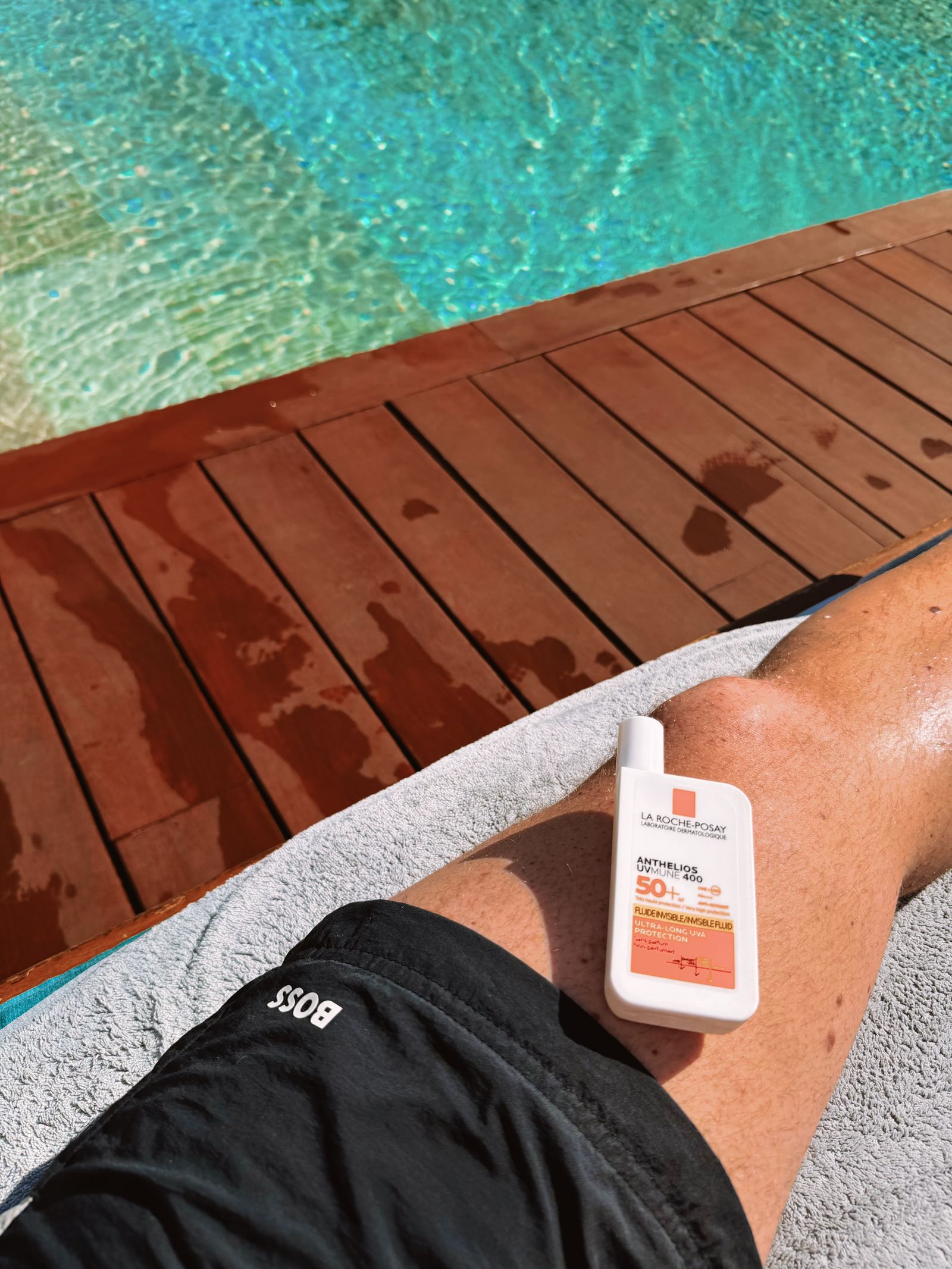
    This is non-negotiable. UV damage = faster aging = bigger pores. Go for lightweight, broad-spectrum SPF 30 or higher.


    Ingredients That Actually Work

    Retinol

    A powerhouse for refining skin, increasing cell turnover, and boosting collagen. Great for long-term improvement.

    Salicylic Acid

    Oil-soluble and perfect for penetrating deep into pores to remove gunk. Ideal for acne-prone or oily skin.

    Niacinamide

    Versatile and gentle. It controls oil, reduces redness, and tightens pores over time.

    AHAs (Glycolic, Lactic Acid)

    Help exfoliate dead skin cells on the surface, revealing smoother, brighter skin beneath.

    Carbonated or Clay-Based Cleansers

    These can deep-clean and absorb oil, giving the appearance of smaller pores.


    Top 12 Skincare Products to Minimize Pores in 2025

    Best Cleansers

    • CeraVe Foaming Facial Cleanser – Great for oily skin.
    • EltaMD Gentle Cleanser – Non-drying and suitable for all skin types.

    Top-Rated Toners

    • Paula’s Choice 2% BHA Liquid Exfoliant – A cult favorite for a reason.
    • Kiehl’s Calendula Herbal Extract Toner – Soothes while balancing.

    Effective Pore-Refining Serums

    • The Ordinary Niacinamide 10% + Zinc 1% – Budget-friendly, powerful.
    • La Roche-Posay Retinol B3 Serum – Retinol without irritation.

    Hydrating, Non-Clogging Moisturizers

    • Neutrogena Hydro Boost Water Gel – Lightweight hydration.
    • Clinique Dramatically Different Gel – Keeps oil at bay.

    Best Lightweight Sunscreens

    • ISDIN Eryfotona Actinica SPF 50+ – Fast-absorbing and protective.
    • Supergoop! Unseen Sunscreen SPF 40 – Great under makeup.

    How to Choose Products Based on Skin Type

    Oily Skin

    Look for mattifying products with salicylic acid or clay.

    Dry Skin

    Stick to hydrating ingredients like hyaluronic acid or ceramides. Avoid alcohol-based toners.

    Combination Skin

    Balance is key. Use a mild exfoliant and layer lightweight hydrating products.

    Sensitive Skin

    Avoid fragrance and harsh actives. Start with lower concentrations of niacinamide or PHAs.


    Daily Habits That Affect Your Pores

    Sleep, Diet & Hydration

    Lack of sleep and poor diet = inflammation and increased oil. Drink water, sleep 7-8 hours, and cut back on sugar.

    Hidden Germ Hotspots

    Your phone screen, pillowcases, and makeup brushes can harbor bacteria. Clean them regularly to avoid breakouts.


    5 Things You Should Never Do If You Have Large Pores

    1. Over-Exfoliating – You’re damaging the skin barrier.
    2. Using Harsh Alcohol-Based Products – Causes dryness and rebound oiliness.
    3. Sleeping with Makeup On – Leads to congestion.
    4. Picking or Squeezing Pimples – Can permanently stretch the pore.
    5. Skipping Sunscreen – Accelerates aging and pore enlargement.

    Advanced Pore Care Tips

    Using LED Light Therapy

    Blue light kills acne-causing bacteria. Red light boosts collagen. Use a home device 2–3 times a week.

    Combining Physical & Chemical Exfoliants Smartly

    Don’t double up too often—alternate and observe how your skin responds.

    Weekly Deep-Cleansing Masks

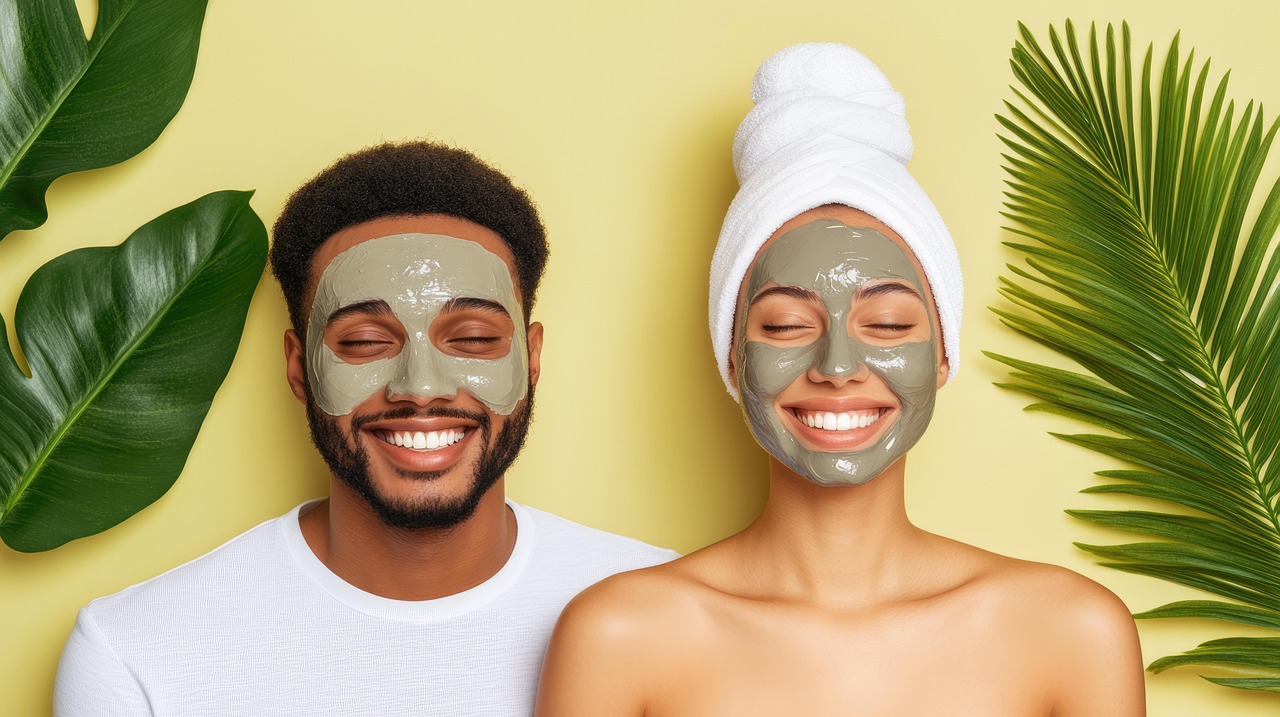
    Clay or carbon masks once a week help reset your skin and shrink the look of pores.


    Long-Term Strategy: Be Patient, Not Perfect

    Why Consistency Beats Quick Fixes

    There’s no overnight miracle. Stick to a routine for at least 8 weeks before judging results.

    Tracking Results with a Skincare Journal

    Take weekly photos and jot down any changes. You’ll be surprised how much progress you miss when you only look day to day.


    Conclusion – Smooth Skin Is a Journey, Not a Destination

    You don’t need “poreless” skin to have healthy, beautiful skin. It’s about control, consistency, and smart choices. With the right ingredients, a little patience, and good habits, smoother, more refined skin is totally achievable. Your pores may never disappear—but they’ll definitely stop bothering you.


    FAQs

    Q1: Can pores actually shrink?
    Not permanently. But they can be tightened and look smaller with consistent care.

    Q2: Is retinol safe for daily use?
    Yes, once your skin builds tolerance. Start slow—2-3 times a week, then increase.

    Q3: How long does it take to see results?
    Typically 4–8 weeks. Real improvements take time.

    Q4: Are pore strips good or bad?
    They provide instant results but can damage skin over time. Use sparingly.

    Q5: Can men and women use the same products?
    Absolutely. Pore issues aren’t gendered—just skin type-dependent.

    Q6: Does diet really affect pores?
    Yes. High-sugar, high-dairy diets may trigger oil production and breakouts.

  • This One Trick Will Completely Change Your Beauty Game

    This One Trick Will Completely Change Your Beauty Game

    Introduction

    The beauty industry is constantly evolving, with new products, trends, and hacks emerging every day. While some promise overnight transformations, others offer long-term solutions that truly change the way we look at skincare. Among these trends, there’s one trick that’s been quietly revolutionizing the beauty game—skincare layering. Whether you’re a skincare novice or a beauty expert, understanding and mastering this technique can be the key to unlocking healthier, more radiant skin.

    The Concept of Beauty Transformation

    Beauty routines are deeply personal, and everyone is looking for that one breakthrough product or technique to change their game. With countless lotions, serums, and oils on the market, it can be hard to separate the gimmicks from the truly transformative. Skincare layering, however, is not just another fleeting trend; it’s a practical approach that addresses multiple skin concerns at once. The idea is simple: layer your products in a specific order to enhance the effects and absorption of each one.

    What Makes This Trick Different?

    Unlike other trends that offer a one-size-fits-all solution, skincare layering focuses on customization. It allows you to tailor your routine based on your skin’s unique needs, whether you’re dealing with dryness, aging, acne, or pigmentation. This method has been around for a while, but it’s gained significant traction recently due to its simplicity and effectiveness. So, what’s so special about it?

    While other beauty hacks promise instant results, skincare layering builds long-term benefits by allowing your skin to truly absorb and reap the rewards of each product, one layer at a time.

    The Trick: Skincare Layering

    Understanding Skincare Layering

    At its core, skincare layering is all about applying multiple products in a specific sequence to maximize their efficacy. The process begins with lightweight products and ends with heavier ones, allowing each layer to penetrate your skin before the next one is applied.

    This method is rooted in the idea that skin absorbs products differently depending on their texture and consistency. By layering, you ensure each product has the best chance of working its magic.

    The Science Behind It

    The science of skincare absorption is complex, but the principle is simple: lighter products, like serums and toners, are absorbed more quickly than heavier creams. If you apply them out of order, you risk blocking the absorption of lighter formulas with thicker creams. Layering products in the right sequence ensures that active ingredients penetrate deeply into your skin, allowing them to work more effectively.

    Benefits of Skincare Layering

    Improved Product Absorption

    One of the key benefits of skincare layering is enhanced absorption. When applied in the correct order, lighter products such as serums can penetrate deep into the skin, delivering their active ingredients where they’re needed most. This allows each product to work in harmony, improving the overall effectiveness of your routine.

    Customized Routine for Your Skin Type

    Layering gives you the flexibility to customize your routine. Whether you need extra hydration, anti-aging effects, or treatment for acne, you can select products that specifically address your skin’s needs. The ability to mix and match products gives you a more personalized approach to skincare, which is key to achieving glowing, healthy skin.

    The Best Products for Layering

    Key Products to Use in Your Layering Routine

    To make skincare layering work, you’ll need a few essentials in your arsenal. Start with a good cleanser to remove impurities, followed by a toner or essence to balance your skin. Then, incorporate serums or treatments to target specific concerns, and finish with a moisturizer to lock everything in.

    The Right Order of Application

    The order of application is crucial. A typical skincare layering routine might look like this:

    Cleanser
    Toner or Essence
    Serum
    Treatment (if needed)
    Moisturizer
    Sunscreen (in the morning)
    Allow a few minutes between each layer to ensure proper absorption.

    Common Mistakes to Avoid in Layering

    Overloading with Too Many Products

    More doesn’t always mean better. While it’s tempting to try every product you own, overloading your skin with too many layers can lead to clogged pores, irritation, or even breakouts. Stick to a minimalist approach, using only the products your skin truly needs.

    Not Allowing Enough Time Between Layers

    Applying product after product without allowing enough time for absorption can dilute the benefits of each one. Give each layer a few minutes to sink into the skin before adding the next, ensuring that each product is fully absorbed and effective.

    How This Trick Transforms Your Skin

    Even after just a few days of skincare layering, you may notice your skin feeling more hydrated, plump, and luminous. The immediate benefits can be seen as soon as the next morning, making this trick one that keeps giving.

    Long-Term Impact

    With consistent use, layering can significantly improve skin texture, tone, and overall health. Fine lines may appear smoother, pigmentation may fade, and the skin will look healthier and more radiant over time.

    Conclusion

    Skincare layering is a powerful yet simple trick that can completely change your beauty routine. It offers a customizable, results-driven approach that’s suitable for all skin types. Whether you’re new to skincare or a seasoned enthusiast, this technique has the potential to unlock a new level of radiance. The best part? It’s an easy habit to integrate into your daily routine, and the rewards are well worth the effort.

    FAQs
    Can I use this trick if I have sensitive skin?
    Yes, layering can work for sensitive skin too. Just make sure to choose products that are gentle and formulated for sensitive skin.

    How many layers are too many when layering skincare products?
    While it varies by skin type, generally, 5-7 layers should be sufficient. Focus on essential products that address your skin’s needs.

    What’s the difference between layering and traditional skincare routines?
    Traditional routines often involve applying products all at once, while layering emphasizes the order and absorption of each product.

    How long does it take to see results with skincare layering?
    Short-term results can appear within a few days, but the long-term benefits can take several weeks to become fully visible.

    Can this trick work with all skincare brands?
    Yes, as long as the products are compatible with each other and suited for your skin type. Just make sure the products don’t conflict with each other in terms of ingredients.

    Is it necessary to use every product in your skincare routine for layering?
    No, you don’t have to use every product. Focus on the essentials and what works best for your skin’s unique needs.

  • These 6 Skincare Habits Are Ruining Your Skin – Here’s How to Fix Them

    These 6 Skincare Habits Are Ruining Your Skin – Here’s How to Fix Them

    When it comes to skincare, many of us unknowingly fall into habits that could be doing more harm than good. While we might be following advice or adopting the latest beauty trends, certain habits could be sabotaging our skin’s health in ways we don’t even realize. Fortunately, with a bit of understanding and small adjustments, you can fix these issues and restore your skin’s natural glow.

    Habit #1: Over-Cleansing Your Skin

    Cleansing is a crucial step in any skincare routine, but many people go overboard. If you’re cleansing your face more than twice a day or using harsh, drying cleansers, you’re stripping your skin of its natural oils. This can lead to increased dryness, irritation, and even more breakouts.

    The Solution: Gentle Cleansing Routine

    The key to good cleansing is moderation. Use a gentle, non-stripping cleanser that won’t leave your skin feeling tight. For most people, cleansing twice a day—once in the morning and once before bed—is enough. If you have dry or sensitive skin, consider using a cream-based cleanser or a hydrating gel that won’t disrupt your skin’s natural balance.

    Habit #2: Skipping Sunscreen (Even on Cloudy Days)

    It’s easy to think that sunscreen is only necessary when it’s sunny, but that’s a dangerous misconception. UV rays can damage your skin even on cloudy days, leading to premature aging, wrinkles, and an increased risk of skin cancer.

    The Solution: Sunscreen Application Made Easy

    To protect your skin year-round, apply sunscreen with broad-spectrum protection every day, even when the sun is hiding behind clouds. Make sure your sunscreen is SPF 30 or higher and apply it 15 minutes before sun exposure. For maximum protection, reapply every two hours, especially if you’re sweating or swimming.

    Habit #3: Using Harsh Exfoliators

    Exfoliating helps remove dead skin cells, but over-exfoliating can do more harm than good. Harsh physical scrubs or overuse of chemical exfoliants can damage the skin barrier, causing redness, irritation, and increased sensitivity.

    The Solution: How to Exfoliate Safely

    Opt for gentle exfoliants, such as chemical exfoliators with AHAs or BHAs, that work without abrasion. Exfoliate once or twice a week, depending on your skin’s needs. Pay attention to how your skin reacts—if you notice irritation, scale back. Also, remember that exfoliating should be done at night, as your skin’s barrier is more vulnerable during the day.

    Habit #4: Neglecting to Moisturize

    A common misconception is that oily skin doesn’t need moisturizer, but this couldn’t be further from the truth. Even oily skin can become dehydrated, which leads to more oil production and potential breakouts.

    The Solution: Hydration for All Skin Types

    Moisturizing is essential for everyone, regardless of skin type. Look for a lightweight, non-comedogenic moisturizer if you have oily skin, or a richer cream if your skin is dry. Be sure to moisturize after cleansing to lock in hydration and prevent your skin from becoming dehydrated throughout the day.

    Habit #5: Picking at Pimples

    Picking at pimples might feel satisfying in the moment, but it’s one of the worst things you can do for your skin. It leads to scarring, increases inflammation, and can actually make the acne worse.

    The Solution: Stop Picking, Start Treating

    Rather than picking at your acne, try using targeted treatments like benzoyl peroxide or salicylic acid. If you need immediate relief, consider using a pimple patch that absorbs excess oil and promotes healing. Remember, patience is key—popping pimples can lead to long-lasting marks that take much longer to heal than the pimple itself.

    Habit #6: Not Getting Enough Sleep

    We all know that sleep is crucial for overall health, but it’s especially important for skin. Lack of sleep can cause your skin to look dull, tired, and more prone to wrinkles. During deep sleep, your body repairs itself, including the skin.

    The Solution: Prioritize Rest for Radiant Skin

    Aim for 7-9 hours of sleep each night to give your skin time to regenerate. To improve your sleep quality, develop a relaxing nighttime routine and avoid screens before bed. A well-rested body and mind will reflect in your glowing skin, so make sleep a priority!

    Conclusion

    Your skincare habits might be the culprit behind the skin issues you’re facing, but the good news is that fixing them is simpler than you think. By correcting these six habits—over-cleansing, skipping sunscreen, using harsh exfoliators, neglecting moisturizer, picking pimples, and not getting enough sleep—you can improve your skin health significantly. Remember, consistency is key, and your skin will thank you for it.

    FAQs

    1. What is the best skincare routine for oily skin?
      • For oily skin, use a gentle cleanser, exfoliate with salicylic acid, and opt for an oil-free moisturizer. Don’t skip sunscreen, as it helps balance oil production.
    2. Can stress affect your skin’s health?
      • Yes, stress can lead to breakouts, dryness, and other skin issues. Managing stress through exercise, meditation, and proper skincare can help.
    3. How often should I use sunscreen?
      • Apply sunscreen daily, even on cloudy days. Reapply every two hours if you’re outdoors for extended periods.
    4. What are some natural remedies for acne?
      • Tea tree oil, honey, and green tea have natural anti-inflammatory properties that can help soothe acne-prone skin.
    5. Can I moisturize without using a separate serum?
      • Yes, a good moisturizer can provide adequate hydration without the need for a separate serum, but serums may offer additional benefits like anti-aging or brightening depending on your skin concerns.

  • 7-Day Skincare Challenge: Get Clear, Radiant Skin in Just One Week

    7-Day Skincare Challenge: Get Clear, Radiant Skin in Just One Week

    Are you ready to transform your skin in just one week? A consistent skincare routine can work wonders, but committing to a seven-day challenge can help jump-start visible improvements. Whether you’re looking to combat acne, achieve a more even skin tone, or simply get that coveted glow, this challenge is designed for you. In just seven days, you’ll learn how to cleanse, hydrate, and treat your skin, making it clearer and more radiant. Let’s dive in!

    Introduction: Why a 7-Day Skincare Challenge?

    Why commit to a 7-day skincare challenge? In today’s busy world, it can be difficult to maintain a consistent skincare routine. But taking just a few minutes each day to care for your skin can have a profound impact. A week-long challenge gives you the opportunity to focus on key skincare steps, address specific skin concerns, and see results. It’s a manageable timeframe that yields noticeable improvements while establishing healthy habits for the future. Plus, who doesn’t love a glow-up?

    Day 1: Cleansing for a Fresh Start

    The first step to any great skincare routine is cleansing. Cleansing is essential to remove dirt, excess oils, makeup, and pollutants that build up on your skin throughout the day. A clean face ensures your skin can absorb the next steps of your skincare routine properly.

    When choosing a cleanser, consider your skin type:

    • Oily skin: Look for foaming cleansers that help control excess oil.
    • Dry skin: Opt for creamy or oil-based cleansers that won’t strip away moisture.
    • Sensitive skin: Choose fragrance-free, gentle cleansers with calming ingredients like aloe vera.

    Day 2: Exfoliation for Smooth Skin

    Exfoliation is your skin’s secret weapon to achieve smooth, glowing skin. It removes dead skin cells, unclogs pores, and promotes cell turnover, revealing fresh skin beneath. The key is to exfoliate without overdoing it.

    • Physical exfoliants: These contain small, gritty particles that scrub away dead skin. Be careful with abrasive scrubs as they can irritate sensitive skin.
    • Chemical exfoliants: Products with AHAs (alpha-hydroxy acids) or BHAs (beta-hydroxy acids) provide a more gentle exfoliation and can be ideal for those with sensitive skin.

    Make sure to exfoliate gently, especially if your skin is on the sensitive side. Don’t exfoliate more than twice a week to avoid irritating your skin.

    Day 3: Hydration – Locking in Moisture

    Day 3 is all about hydration. Hydrating your skin is one of the most important steps to achieving a healthy, glowing complexion. Hydrated skin looks plumper, feels smoother, and shows fewer signs of fine lines and wrinkles.

    • Gel moisturizers: Ideal for oily skin as they hydrate without feeling heavy.
    • Cream moisturizers: Best for dry skin as they lock in moisture for longer periods.
    • Oils: Facial oils provide deep nourishment and are great for dry or mature skin.

    Hydrate your skin immediately after cleansing to lock in moisture. For extra hydration, look for products containing hyaluronic acid, a powerhouse ingredient that attracts and retains water.

    Day 4: The Power of Serums

    On Day 4, introduce serums into your routine. Serums are lightweight, fast-absorbing liquids packed with concentrated active ingredients that target specific skin concerns like acne, pigmentation, and fine lines.

    • Vitamin C serums: Brighten and even out skin tone.
    • Retinol serums: Reduce the appearance of wrinkles and promote cell turnover.
    • Niacinamide serums: Calm inflammation and reduce redness.

    Apply serums after your moisturizer for maximum absorption. Always choose a serum that fits your skin’s unique needs.

    Day 5: Targeted Treatments for Problem Areas

    By Day 5, focus on targeted treatments. If you suffer from acne, pigmentation, or fine lines, it’s time to treat these concerns head-on. Spot treatments, masks, and treatment serums can help address specific issues.

    • Acne: Look for salicylic acid-based spot treatments.
    • Pigmentation: Products with vitamin C or licorice extract help brighten dark spots.
    • Fine lines: Consider using peptides or retinol-based treatments to promote collagen production.

    Apply these treatments directly to the problem areas, and give them time to work their magic.

    Day 6: Sunscreen – Your Best Skin Protector

    Day 6 is all about sunscreen, the one step that can’t be skipped. Sunscreen is your number one defense against premature aging, pigmentation, and skin cancer. UV rays can damage your skin even on cloudy days, so wearing sunscreen is a must—every day.

    • SPF 30 or higher: Choose a sunscreen with at least SPF 30 for daily use.
    • Broad-spectrum protection: Ensure your sunscreen protects against both UVA and UVB rays.
    • Non-comedogenic formulas: For acne-prone skin, opt for sunscreen that won’t clog pores.

    Apply sunscreen every morning, even if you’re staying indoors. Reapply every two hours if you’re out in the sun.

    Day 7: Skin Mask – The Final Step to Radiance

    On Day 7, treat your skin to a mask. Face masks are a great way to give your skin a boost of hydration, nourishment, or detoxification.

    • Clay masks: Great for oily or acne-prone skin, as they absorb excess oil.
    • Hydrating masks: Perfect for dry or dull skin, helping to plump and hydrate.
    • Sheet masks: Convenient and packed with ingredients to address various skin concerns.

    Masks work best when applied after a clean, exfoliated face, so make sure you’ve prepped your skin properly.

    Conclusion: Your Radiant Skin Awaits

    Congratulations! After completing the 7-day skincare challenge, you should notice some visible changes: clearer, more radiant skin, a smoother texture, and a healthier complexion overall. The key to long-term skin health is consistency. While this challenge provides a boost, make sure to maintain a balanced skincare routine to continue seeing benefits.

    FAQs

    1. How long will it take to see results from a skincare challenge?
      • Many people see noticeable improvements after just a few days, but optimal results typically appear after 1-2 weeks.
    2. Can I mix different skincare products on different days?
      • Yes, you can mix products, but make sure they complement each other. Avoid combining too many strong actives (like retinol and vitamin C) on the same day.
    3. What if my skin reacts to a product during the challenge?
      • If you experience irritation or breakouts, stop using the product immediately. Try to identify the culprit and replace it with a gentler alternative.
    4. How often should I exfoliate in my regular skincare routine?
      • Exfoliating 1-3 times a week is usually sufficient, depending on your skin type.
    5. Can I adjust the routine for sensitive skin?
      • Absolutely. For sensitive skin, opt for gentler formulations like fragrance-free cleansers and mild exfoliators, and always patch-test new products.
  • The Best Skincare Routine for Oily Skin – 5 Steps to Matte Perfection

    The Best Skincare Routine for Oily Skin – 5 Steps to Matte Perfection


    Introduction

    If you’re struggling with oily skin, you’re not alone. Oily skin is a common concern for many, and while it may have its advantages (hello, fewer wrinkles), it can also lead to shine, clogged pores, and breakouts if not properly managed. Finding the right skincare routine is key to controlling excess oil and achieving that matte perfection you’re looking for. Let’s break down the five essential steps that can help you regain control of your oily skin, without compromising hydration or protection.


    Understanding Oily Skin

    Before diving into the steps, it’s important to understand why your skin produces oil in the first place. Oily skin occurs when your sebaceous glands produce more sebum than necessary. While oil helps protect your skin, excessive amounts can cause clogged pores, acne, and an overly shiny complexion.

    Factors like genetics, hormonal fluctuations, diet, and environmental changes can all contribute to oil production. Understanding the root causes of oily skin will help you target your skincare routine to balance oil production and maintain a healthy complexion.


    Step 1: Cleanse with a Gentle, Oil-Free Cleanser

    The first step in any skincare routine is cleansing. For oily skin, you need a gentle, oil-free cleanser that can remove excess sebum without stripping the skin of its natural moisture. Harsh cleansers can trigger more oil production, leading to even shinier skin.

    Look for a foaming or gel-based cleanser with a formula that’s non-comedogenic (won’t clog pores). Ingredients like salicylic acid or tea tree oil can be helpful in cutting through oil while preventing acne. It’s essential to cleanse twice a day—morning and evening—to keep your skin clear and balanced.


    Step 2: Exfoliate Regularly to Prevent Clogged Pores

    Exfoliation is essential to prevent buildup of dead skin cells and excess sebum, both of which can clog pores and contribute to breakouts. However, with oily skin, it’s easy to over-exfoliate. Too much exfoliation can irritate the skin, leading to even more oil production.

    Chemical exfoliants like salicylic acid or glycolic acid are particularly effective for oily skin because they penetrate deep into the pores and help remove oil and debris. Physical exfoliants, like scrubs, can be used but should be chosen carefully to avoid micro-tears in the skin. Exfoliate 2-3 times per week to keep your skin smooth and free of blockages.


    Step 3: Use a Mattifying Toner

    Toners play an important role in balancing oily skin. A mattifying toner helps control excess oil production by refining pores and removing any remaining traces of dirt or oil after cleansing. Look for toners that contain ingredients like witch hazel, salicylic acid, or niacinamide, which can regulate oil production and soothe the skin.

    To apply a toner, soak a cotton pad and gently swipe it over your face, focusing on oil-prone areas like the T-zone. Avoid using a toner that contains alcohol, as it can dry out the skin and trigger more oil production.


    Step 4: Apply a Lightweight, Oil-Free Moisturizer

    Moisturizing oily skin may seem counterintuitive, but it’s an important step in your routine. Even oily skin needs hydration to maintain its barrier function and prevent the skin from overproducing sebum in response to dehydration.

    Choose a lightweight, oil-free moisturizer with a gel-based or water-based formula. These types of moisturizers hydrate the skin without making it greasy. Products containing hyaluronic acid or glycerin are excellent options because they draw moisture into the skin without adding oil.


    Step 5: Use a Broad-Spectrum Sunscreen Daily

    Sunscreen is a must, no matter your skin type, but finding a formula that works for oily skin can be tricky. Opt for a broad-spectrum sunscreen with a matte finish or gel-based consistency. These sunscreens absorb excess oil while providing protection from harmful UVA and UVB rays. If you have oily skin, choose a non-comedogenic sunscreen to avoid clogged pores and breakouts.

    Remember to reapply sunscreen throughout the day, especially if you’re exposed to the sun for prolonged periods. A good SPF will help protect your skin from sun damage, which can lead to premature aging and even more oil production.


    Additional Tips for Oily Skin Care

    Aside from the five main steps, here are some additional tips to keep your oily skin under control:

    1. Hydrate from the Inside Out: Drink plenty of water to keep your skin hydrated. Dehydrated skin can lead to overcompensation by producing more oil.
    2. Watch Your Diet: Eating a diet rich in vegetables, fruits, and healthy fats can help balance oil production. Avoid greasy foods and excess sugar that may exacerbate oiliness.
    3. Sleep Well: Poor sleep can disrupt hormone levels and increase oil production. Aim for at least 7-8 hours of sleep each night.
    4. Don’t Over-Treat: It’s easy to get caught up in the latest acne treatments, but using too many active ingredients at once can irritate the skin and worsen oiliness. Stick to a simple, effective routine and avoid overloading your skin with harsh products.

    Conclusion

    A good skincare routine for oily skin doesn’t have to be complicated. By following these five simple steps—cleansing, exfoliating, toning, moisturizing, and using sunscreen—you can keep your skin balanced, matte, and clear. With the right products and consistency, you can manage oily skin and achieve the complexion you’ve always wanted. Remember, patience is key. Stick to your routine, and you’ll start seeing improvements.


    FAQs

    1. How often should I exfoliate if I have oily skin?
      Exfoliate 2-3 times a week. Over-exfoliating can irritate your skin and increase oil production.
    2. Can oily skin be over-moisturized?
      Yes, it can. Choose an oil-free moisturizer and avoid heavy creams that can clog pores.
    3. Should I use a different moisturizer in the summer versus winter?
      Yes, in summer, opt for a lighter gel-based moisturizer, while in winter, you can use a slightly richer product if needed.
    4. How do I choose the right sunscreen for oily skin?
      Look for oil-free, non-comedogenic, and mattifying sunscreens to keep your skin protected without making it greasy.
    5. Can oily skin lead to acne?
      Yes, excess oil can clog pores and lead to acne. Proper cleansing and exfoliation are key to preventing breakouts.
  • 10 Skincare Tips for Flawless, Glowing Skin

    10 Skincare Tips for Flawless, Glowing Skin

    Achieving flawless, glowing skin isn’t just about using the latest products; it’s about understanding your skin and adopting the right practices. Here are ten essential skincare tips to help you achieve that radiant complexion.

    Understanding Your Skin Type

    Importance of Knowing Your Skin Type

    Before you dive into skincare routines, it’s crucial to identify your skin type. This knowledge ensures that you choose products tailored to your specific needs, preventing potential irritation and enhancing effectiveness.

    Common Skin Types

    • Oily: Shiny appearance with enlarged pores.
    • Dry: Flaky, rough texture with tightness.
    • Combination: Oily in some areas and dry in others.
    • Sensitive: Easily irritated and prone to redness.

    The Foundation of Skincare: Cleansing

    Choosing the Right Cleanser

    Your cleanser should be suitable for your skin type. If you have oily skin, look for gel-based cleansers; for dry skin, creamy cleansers work best. This step is vital to remove dirt and impurities without stripping natural oils.

    The Cleansing Routine

    Cleanse your face twice a day—morning and night. This practice helps maintain clarity and prevent breakouts. Remember to be gentle; harsh scrubbing can cause more harm than good.

    Hydration is Key

    Importance of Moisturizing

    Hydration is essential for all skin types, even oily skin. A good moisturizer locks in moisture, keeping your skin plump and radiant.

    Best Ingredients for Hydration

    Look for ingredients like hyaluronic acid and glycerin, which attract moisture. For drier skin, opt for creams with ceramides to repair the skin barrier.

    Sun Protection: A Must

    Why Sunscreen is Essential

    UV rays can prematurely age your skin, leading to wrinkles and pigmentation. Daily sunscreen application is non-negotiable for healthy skin.

    Choosing the Right SPF

    Select a broad-spectrum SPF of at least 30. Don’t forget to reapply every two hours if you’re outdoors!

    Exfoliation for Radiance

    Types of Exfoliation

    Exfoliation can be physical (scrubs) or chemical (acids). While physical exfoliants can be too abrasive for sensitive skin, chemical exfoliants like AHAs and BHAs can provide a gentle yet effective alternative.

    How Often Should You Exfoliate?

    Aim for 1-2 times a week. Over-exfoliating can lead to irritation and damage your skin’s protective barrier.

    The Power of Serums

    What Are Serums?

    Serums are concentrated formulas designed to target specific skin concerns, such as dark spots or fine lines.

    Key Ingredients to Look For

    Vitamin C is fantastic for brightening, while retinol helps with aging. Choose serums based on your skin’s needs.

    Diet and Lifestyle Impact

    Foods for Healthy Skin

    A diet rich in antioxidants, vitamins, and healthy fats supports skin health. Incorporate fruits, vegetables, and omega-3 fatty acids for optimal results.

    Importance of Sleep and Stress Management

    Never underestimate the power of sleep! Aim for 7-9 hours per night, and practice stress management techniques like yoga or meditation to keep your skin glowing.

    Regular Skin Assessments

    When to See a Dermatologist

    If you notice persistent issues like acne or unusual spots, consult a dermatologist. Regular skin check-ups can catch problems early.

    Self-Assessment Tips

    Learn to identify changes in your skin’s texture or tone. This awareness will help you adapt your routine as needed.

    Consistency is Crucial

    Building a Routine

    Establish a daily skincare routine tailored to your skin type. Consistency is key to seeing improvements.

    Adapting to Changes in Skin

    Your skin’s needs may change with the seasons or as you age. Be ready to adjust your routine accordingly.

    Conclusion

    Flawless, glowing skin is achievable with the right knowledge and practices. By understanding your skin type, establishing a consistent routine, and making informed choices about products, you can enhance your natural beauty and maintain healthy skin for years to come.

    FAQs

    How often should I change my skincare products?

    It’s best to assess your skin every few months. If your skin is reacting negatively or if products aren’t working, consider switching.

    Can I use multiple products at once?

    Yes, layering products can be effective, but be mindful of ingredient compatibility to avoid irritation.

    What’s the best time to apply skincare products?

    Apply your products after cleansing, preferably on slightly damp skin to enhance absorption.

    Are natural products better for my skin?

    Not necessarily. It’s essential to consider ingredients and formulations rather than just the label.

    How long does it take to see results from a skincare routine?

    Typically, it can take 4-6 weeks to see noticeable results, depending on your skin type and concerns.

  • Dealing with Common Skincare Concerns: Solutions and Tips

    Dealing with Common Skincare Concerns: Solutions and Tips

    Introduction

    Dealing with common skincare concerns is essential for maintaining healthy and radiant skin. This article explores effective solutions and tips for addressing various skincare issues, ensuring you achieve your skincare goals with confidence.

    Understanding Acne and Breakouts

    Acne and breakouts can be caused by factors such as hormonal changes and excess oil production. Implementing a consistent skincare routine involving gentle cleansing and targeted treatments can help manage and prevent breakouts effectively.

    Managing Dry and Flaky Skin

    Dryness and flakiness often result from a lack of hydration and moisture in the skin. Using hydrating serums, moisturizers rich in ceramides, and incorporating gentle exfoliation can restore moisture levels and improve skin texture.

    Combatting Aging Signs

    Signs of aging, such as fine lines and wrinkles, require proactive skincare approaches. Utilizing retinoids, antioxidant-rich creams, and SPF protection can diminish signs of aging and promote youthful-looking skin.

    Treating Hyperpigmentation

    Hyperpigmentation, caused by sun exposure or hormonal changes, can be treated with ingredients like vitamin C, niacinamide, and exfoliating acids. Consistent use of these treatments and sun protection can help fade dark spots and achieve a more even complexion.

    Handling Sensitive Skin

    Sensitive skin reacts to harsh ingredients and environmental triggers. Opting for fragrance-free, hypoallergenic skincare products and patch testing new products can minimize irritation and maintain skin barrier integrity.

    Dealing with Oily Skin

    Excessive oil production can lead to clogged pores and acne. Balancing oily skin involves using oil-free moisturizers, salicylic acid-based cleansers, and mattifying products to control shine without stripping the skin.

    Addressing Uneven Skin Tone

    Uneven skin tone can be caused by sun damage or post-inflammatory hyperpigmentation. Incorporating brightening serums, gentle exfoliation, and SPF protection can help achieve a more radiant and uniform complexion.

    Managing Under-eye Circles

    Under-eye circles, caused by genetics or lack of sleep, can be treated with hydrating eye creams, cold compresses, and adequate rest. Using concealers with peach or salmon undertones can also camouflage dark circles effectively.

    Skincare Routine for Combination Skin

    Combination skin requires a tailored approach to address both dry and oily areas. Using a gentle cleanser, balancing toner, lightweight moisturizer for oily zones, and richer creams for dry areas can maintain balance and hydration.

    Conclusion

    Addressing common skincare concerns effectively is crucial for achieving healthy, glowing skin. By understanding the causes and implementing targeted solutions and tips, you can enhance your skincare routine and enjoy visible improvements in your skin’s appearance.


    4-6 Unique FAQs After The Conclusion

    1. What are the best skincare products for sensitive skin?
      • Look for products labeled hypoallergenic and fragrance-free, containing soothing ingredients like aloe vera and oat extract.
    2. How can I prevent breakouts without drying out my skin?
      • Use non-comedogenic products and gentle cleansers with salicylic acid or benzoyl peroxide, followed by oil-free moisturizers.
    3. What ingredients should I look for to combat aging signs?
      • Retinoids, peptides, hyaluronic acid, and antioxidants such as vitamin C and E are effective in reducing fine lines and wrinkles.
    4. Is it possible to treat hyperpigmentation naturally?
      • Natural remedies like licorice extract, kojic acid, and vitamin C can help lighten dark spots, but consistency and sun protection are key.
    5. How can I determine my skin type for choosing the right skincare products?
      • Assess your skin throughout the day: oily areas by midday and dryness after cleansing. This helps tailor your skincare regimen effectively.
    6. What daily habits can improve overall skin health?
      • Drink plenty of water, get sufficient sleep, maintain a balanced diet rich in antioxidants and omega-3 fatty acids, and always wear SPF sunscreen.
  • Sunscreen and Skin Health: A Crucial Connection

    Sunscreen and Skin Health: A Crucial Connection

    Introduction

    In the world of skincare, one product consistently stands out as a non-negotiable in maintaining healthy skin: sunscreen. The connection between sunscreen and skin health is one that cannot be overstated, as it serves as the first line of defense against harmful ultraviolet (UV) radiation. Sunscreen plays a pivotal role in preserving skin’s youthful appearance while protecting it from potentially life-threatening conditions like skin cancer.

    Understanding Sunscreen

    Before diving into the numerous benefits of sunscreen, it’s essential to understand what sunscreen is and how it works.

    What Is Sunscreen?

    Sunscreen is a topical product designed to shield the skin from the sun’s harmful UV rays. It contains a combination of ingredients that either absorb, reflect, or scatter sunlight, preventing it from penetrating the skin.

    Key Ingredients in Sunscreen

    The effectiveness of sunscreen lies in its active ingredients, which include substances like zinc oxide and titanium dioxide for physical sunscreens, and avobenzone and octocrylene for chemical sunscreens.

    SPF Explained

    The Sun Protection Factor (SPF) is a measure of how effectively sunscreen can protect the skin from UVB rays, the type of radiation that causes sunburn. Higher SPF values provide greater protection, but no sunscreen can block 100% of UV rays.

    How Sunscreen Protects the Skin

    The damage caused by the sun’s UV radiation is both immediate and cumulative, making sunscreen an essential tool in any skincare routine.

    UV Radiation and Skin Damage

    UV radiation comes in two forms: UVA and UVB. While UVB rays are responsible for sunburn, UVA rays penetrate deeper into the skin and are the primary cause of premature aging. Both types of radiation can lead to skin cancer over time.

    Preventing Skin Cancer

    Regular use of sunscreen has been proven to significantly reduce the risk of developing skin cancer, including melanoma, the deadliest form of skin cancer.

    Types of Sunscreens

    There are various types of sunscreens available, each offering different forms of protection.

    Physical Sunscreens

    Physical sunscreens, often referred to as mineral sunscreens, contain ingredients like zinc oxide and titanium dioxide that create a physical barrier on the skin, reflecting UV rays away from the surface.

    Chemical Sunscreens

    Chemical sunscreens, on the other hand, absorb UV radiation and convert it into heat, which is then released from the skin. These sunscreens tend to be lighter and less visible on the skin compared to physical sunscreens.

    Broad-Spectrum Sunscreens

    Broad-spectrum sunscreens protect against both UVA and UVB rays, making them the most comprehensive option for daily use.

    Sunscreen and Premature Aging

    Exposure to the sun’s UV rays accelerates the aging process by breaking down collagen and elastin in the skin, leading to wrinkles, fine lines, and hyperpigmentation.

    Sunscreen as an Anti-Aging Solution

    By blocking these harmful rays, sunscreen not only prevents visible signs of aging but also protects the skin from long-term damage that could otherwise lead to more serious conditions.

    The Importance of Daily Sunscreen Use

    Many people believe that sunscreen is only necessary during the summer or at the beach. However, the sun’s rays are just as harmful on cloudy days and in cooler months.

    Why Sunscreen is Necessary Year-Round

    UVA rays, which penetrate clouds and windows, are present all year long, making daily sunscreen use a crucial part of any skincare regimen.

    Benefits of Regular Application

    Regular application of sunscreen helps maintain an even skin tone, prevents dark spots, and protects against sunburn, all while reducing the risk of skin cancer.

    Common Sunscreen Mistakes

    Even the best sunscreen won’t work effectively if not used properly. Here are some common mistakes people make when using sunscreen.

    Not Applying Enough

    A common mistake is applying too little sunscreen. To get the full SPF protection, it’s essential to use a generous amount.

    Missing Key Areas of the Body

    Often, areas like the ears, back of the neck, and feet are forgotten during application, leaving them vulnerable to sun damage.

    Choosing the Right Sunscreen for Your Skin Type

    With so many options available, it’s important to choose a sunscreen that suits your skin type.

    Sunscreen for Oily Skin

    For those with oily skin, look for sunscreens labeled as “oil-free” or “non-comedogenic” to avoid clogging pores.

    Sunscreen for Sensitive Skin

    People with sensitive skin should opt for sunscreens with physical blockers like zinc oxide, which are less likely to cause irritation.

    Environmental Impact of Sunscreen

    As awareness about environmental sustainability grows, more consumers are concerned about the impact of sunscreen on marine ecosystems.

    Harmful Ingredients in Sunscreens

    Certain chemicals found in sunscreens, such as oxybenzone and octinoxate, have been shown to harm coral reefs and marine life.

    Reef-Safe Sunscreens

    Reef-safe sunscreens avoid these harmful ingredients and are formulated to protect both your skin and the environment.

    Sunscreen Myths and Misconceptions

    Despite the widespread availability of sunscreen, several myths persist that can put people’s skin at risk.

    “Dark Skin Doesn’t Need Sunscreen”

    A common misconception is that people with darker skin tones don’t need sunscreen. While melanin provides some protection against UV rays, it’s not enough to prevent skin cancer or premature aging.

    “You Don’t Need Sunscreen on Cloudy Days”

    Even on cloudy days, up to 80% of UV rays can penetrate the clouds, making sunscreen a year-round necessity.

    Sunscreen Innovations and Trends

    The sunscreen industry is constantly evolving, with new products offering enhanced protection and convenience.

    The Rise of Mineral Sunscreens

    Mineral sunscreens have gained popularity due to their natural ingredients and less irritating formulas, making them a great choice for sensitive skin.

    Water-Resistant Sunscreens

    Water-resistant sunscreens are ideal for outdoor activities like swimming and hiking, providing longer-lasting protection.

    Conclusion

    Sunscreen is more than just a beach essential; it’s a critical component of skin health. By protecting against harmful UV rays, sunscreen helps prevent skin cancer, premature aging, and sunburn, making it a must-have in everyone’s daily routine. As more people become aware of the importance of sun protection, innovations in sunscreen technology continue to improve the safety and effectiveness of these products, making it easier than ever to protect your skin while enjoying the outdoors.

    FAQs

    1. How Often Should I Reapply Sunscreen?
      Sunscreen should be reapplied every two hours, or more often if you’re swimming or sweating.
    2. Can Sunscreen Expire?
      Yes, sunscreen can expire. Always check the expiration date, as expired sunscreen loses its effectiveness.
    3. Is SPF 30 Enough for Daily Use?
      SPF 30 is generally sufficient for daily use, but higher SPF is recommended for extended outdoor exposure.
    4. What’s the Best Sunscreen for Children?
      Look for sunscreens specifically formulated for children, with gentle ingredients and broad-spectrum protection.
    5. Does Sunscreen Block Vitamin D?
      While sunscreen reduces the skin’s ability to produce vitamin D, most people still get enough from their diet and minimal sun exposure.
  • Glamorous Red Carpet Makeup Inspiration

    Glamorous Red Carpet Makeup Inspiration

    Red carpet appearances have always captivated the world, not just for the glamorous outfits but also for the flawless and striking makeup looks that celebrities wear. Whether it’s the iconic cat eye or the timeless red lip, these looks are designed to capture the spotlight and define the season’s beauty trends. In this article, we’ll explore the inspiration behind red carpet makeup, break down key techniques, and show you how to achieve these looks for your own glamorous moments.

    The Significance and Trends of Red Carpet Makeup

    The Evolution of Red Carpet Makeup

    The history of red carpet makeup is intertwined with the evolution of Hollywood glamour. In the golden age of cinema, stars like Marilyn Monroe and Audrey Hepburn popularized makeup styles that became synonymous with beauty and sophistication. From bold red lips to the delicate flick of an eyeliner, these looks have transcended time to remain iconic.

    Current Red Carpet Makeup Trends

    Today, red carpet makeup is more diverse and personalized than ever. From natural, glowing complexions to dramatic smoky eyes, each celebrity uses makeup to express their individual style. Trends such as bold, dark lipsticks and glowing, dewy skin have taken center stage, showcasing a perfect blend of personal flair and modern beauty innovations.

    Analysis of Classic Red Carpet Looks

    The Power of Cat Eye Makeup

    The cat eye is one of the most enduring red carpet makeup styles. By accentuating the shape of the eye with a bold eyeliner, this look adds both sophistication and drama. Whether paired with nude lips or a vibrant red, the cat eye creates an unmistakable air of mystery and allure.

    Red Lips: The Timeless Symbol of Glamour

    Nothing says “classic Hollywood” quite like a bold red lip. Whether it’s a bright crimson or a deep burgundy, red lips are the ultimate statement of confidence and elegance. This timeless choice complements a variety of skin tones and can instantly elevate any red carpet look, making it a go-to choice for many stars.

    Essential Techniques for Red Carpet Makeup

    Creating a Flawless Base

    The foundation of any great red carpet makeup look is a flawless base. To achieve this, start with a primer to smooth the skin, followed by a high-coverage foundation that matches your skin tone. Conceal any blemishes or dark circles, and set the base with a light dusting of translucent powder to ensure your makeup stays put throughout the event.

    Highlighting and Contouring Tips

    Contouring and highlighting play a crucial role in sculpting the face for a more defined and polished look. Apply contour to the hollows of the cheeks, temples, and jawline to create depth. Highlight the high points of the face—such as the cheekbones, brow bone, and bridge of the nose—to add brightness and a youthful glow. This technique brings out the natural structure of the face while enhancing the overall makeup look.

    Perfecting Eye Makeup Designs

    The eyes are often the focal point of red carpet makeup. Smoky eyes, metallic shadows, or soft neutral tones—each design can make a powerful impact. The key is to blend well and use colors that complement your outfit and skin tone. Finish with a volumizing mascara and, if you want to go all out, a pair of fluttery false lashes to enhance your eyes’ natural beauty.

    Contemporary Celebrity Makeup Looks

    The Comeback of Dark Lipsticks

    Dark, moody lip colors have made a significant comeback on the red carpet. Shades like deep plums, burgundies, and even blacks are being embraced by celebrities looking to add an edge to their look. These dark tones pair beautifully with minimalist eye makeup, allowing the lips to become the centerpiece of the face.

    The Natural Glow and Nude Makeup

    On the other end of the spectrum, many stars opt for a more natural, glowing complexion. Nude makeup, which focuses on enhancing natural beauty rather than covering it up, has become increasingly popular. With a light foundation, a hint of blush, and soft neutral eyeshadows, this look is perfect for those who want to appear effortlessly chic while still polished.

    Red Carpet Makeup for Different Occasions

    Formal Event Makeup: Elegance and Sophistication

    For high-profile events like award shows or galas, the makeup look should reflect elegance and sophistication. A red lip paired with a clean, classic cat eye is a timeless option. Soft blushes and glowing skin complete this graceful look, ensuring that the makeup enhances the beauty of the wearer without overpowering the overall ensemble.

    Party Makeup: Bold and Edgy Choices

    For more casual red carpet events or parties, there’s room to experiment with bolder makeup choices. Bright eyeshadow colors, glitter, and unique eyeliner designs can all make a statement. Paired with a daring lip color, these looks are perfect for those who want to push the boundaries and stand out.

    Choosing the Right Red Carpet Look for Yourself

    Matching Makeup to Skin Tone

    One of the most important aspects of red carpet makeup is selecting colors that complement your skin tone. Warm skin tones work well with orange-based reds and gold-toned highlights, while cooler skin tones benefit from blue-based reds and pink-toned blushes. Choosing the right shades ensures a harmonious look that enhances your natural beauty.

    Adapting Makeup to Face Shape

    Every face is unique, and the way makeup is applied should reflect that. Those with rounder faces can use contouring to create a more angular look, while individuals with long faces can use blush higher on the cheeks to balance their proportions. Tailoring your makeup to your face shape will ensure a more flattering and cohesive result.

    Future Trends in Red Carpet Makeup

    The Rise of Sustainable Beauty

    As sustainability becomes a growing concern in the beauty industry, more celebrities are turning to eco-friendly and cruelty-free products for their red carpet appearances. Brands that prioritize natural ingredients and sustainable packaging are becoming the go-to choice, setting the stage for a more conscious approach to beauty.

    Technology Meets Beauty: The Future of Makeup

    The future of red carpet makeup may also see the fusion of beauty and technology. From AI-powered virtual makeup trials to customizable foundation formulas, technological advancements are making it easier for people to achieve flawless looks with precision. This trend is expected to gain momentum, offering new ways to enhance personal beauty.

    Conclusion

    Red carpet makeup is more than just beauty—it’s a form of self-expression and an integral part of fashion. Whether you prefer bold, dramatic looks or a subtle, natural glow, mastering the techniques of red carpet makeup allows you to channel the glamour of Hollywood stars. By selecting the right products and tailoring your makeup to your features, you can recreate these iconic looks and bring a touch of red carpet magic into your own life.

    FAQs

    1. What is the best way to make my red carpet makeup last all night?
      To ensure long-lasting makeup, use a primer, setting powder, and setting spray to lock everything in place. Waterproof products can also help prevent smudging.
    2. How do I choose the right red lipstick for my skin tone?
      Warm skin tones look great with orange-based reds, while cool skin tones are complemented by blue-based reds. Test a few shades to find your perfect match.
    3. Can I wear bold eye makeup and bold lips together?
      Yes, but balance is key. If you go bold with both, ensure the rest of your makeup is subtle to avoid an overwhelming look.
    4. What is the easiest red carpet look for beginners to try at home?
      A simple cat eye and red lip is a classic, easy-to-try look that works for almost any occasion.
    5. What trends are emerging in red carpet makeup?
      Sustainable beauty and tech-enhanced products, such as AI-assisted makeup tools, are gaining popularity on the red carpet.
  • Caring for Your Skin in Different Seasons

    Caring for Your Skin in Different Seasons

    Introduction

    Skin is our body’s largest organ, and like any other part of our body, it reacts to environmental changes. The changing of the seasons—whether it’s the dry, cold winter or the hot, humid summer—requires us to rethink how we care for our skin. Each season brings its own set of challenges, and adjusting your skincare routine can make all the difference in maintaining a healthy, glowing complexion. But what do we need to do differently in each season? How can we protect our skin from the harsh elements while still keeping it looking its best?

    Winter Skincare

    Winter is notorious for wreaking havoc on our skin, making it feel dry, rough, and irritated. The cold air outside and the heated air indoors strip away our skin’s moisture, leading to dehydration and flakiness.

    Dryness and Dehydration

    In winter, the lack of humidity in the air is one of the main causes of skin dryness. The cold wind and indoor heating can further strip away your skin’s natural oils. This is why it’s crucial to switch to a more hydrating skincare routine during the winter months.

    Moisturizing Strategies

    To combat dryness, opt for richer, thicker moisturizers. Ingredients like hyaluronic acid and ceramides are excellent for locking in moisture. You may also want to layer on hydrating serums beneath your moisturizer. Don’t forget to use a gentle exfoliator to remove dead skin cells, allowing your moisturizer to penetrate better.

    Spring Skincare

    Spring is a time of renewal, but it can also bring skin issues due to increased pollen and allergens. Many people experience sensitivity and flare-ups, such as redness or rashes, during this time of year.

    Dealing with Allergies and Sensitivities

    If your skin is prone to seasonal allergies, spring might be a challenging time. You’ll need to focus on gentle products that soothe the skin, such as those containing chamomile or aloe vera. Avoid harsh exfoliators, as your skin may already be sensitive.

    Lightweight Skincare Products

    With the warming temperatures of spring, your skin might start producing more oil. It’s a good time to switch to lightweight moisturizers and serums that won’t clog your pores. Gel-based formulas work particularly well during this transition.

    Summer Skincare

    Summer comes with its own set of skincare problems, including oiliness, sweat, and sunburn. Your skin’s oil production usually increases in the summer heat, leading to clogged pores and breakouts.

    Managing Oily Skin

    If you have oily or combination skin, summer can be particularly challenging. To avoid a greasy appearance, choose oil-free, non-comedogenic moisturizers and sunscreens. Regular cleansing, ideally with a gentle foaming cleanser, is also crucial to remove sweat and oil buildup.

    Sun Protection

    One of the most important aspects of summer skincare is sun protection. Regardless of your skin type, applying broad-spectrum sunscreen with at least SPF 30 is a must. Reapply it every two hours, especially if you’re swimming or sweating. Remember that UV damage can occur even on cloudy days, so don’t skip this step.

    Fall Skincare

    Fall is a transitional period for your skin, as it recovers from summer’s heat and prepares for winter’s cold. This is the perfect time to address any damage caused by the sun while prepping your skin for the drier months ahead.

    Repairing Summer Damage

    If your skin has suffered from sunspots, fine lines, or dehydration after the summer, fall is the time to repair it. Incorporate antioxidants like vitamin C into your routine to help brighten your skin and fade any pigmentation. You may also want to start using retinoids to promote cell turnover and reduce the appearance of sun damage.

    Preparing for Winter

    Fall is also the time to gradually reintroduce more hydrating products into your skincare regimen. Start using heavier moisturizers and hydrating masks to build up your skin’s moisture barrier before the harsh winter months hit.

    Adjusting Skincare Products

    Our skin’s needs vary not only with the seasons but also with our environment, lifestyle, and age. It’s essential to tailor your products to fit these changes.

    Serums and Moisturizers for Seasonal Needs

    Serums are great for delivering targeted treatments, whether it’s hydration in winter or antioxidants in summer. Layering your products, from thinnest to thickest, ensures your skin absorbs the ingredients it needs most at any given time.

    The Role of Sunscreen Year-Round

    While it’s tempting to skimp on sunscreen during the colder months, the truth is that UV rays can still harm your skin year-round. Look for sunscreens that offer protection against both UVA and UVB rays and include moisturizing properties to avoid winter dryness.

    Concluding Thoughts

    Caring for your skin throughout the year is all about being in tune with its changing needs. By adapting your skincare routine to the seasons, you’ll not only protect your skin but also enhance its natural radiance. Keep in mind that it’s not about completely overhauling your routine with every seasonal shift; small adjustments to your products and habits can go a long way toward maintaining healthy, beautiful skin year-round.

    FAQs

    How do I know when to switch skincare products?
    If you notice your skin feeling excessively dry, oily, or irritated with the change of seasons, it might be time to adjust your routine. Pay attention to how your skin reacts to different weather conditions.

    Is it necessary to change my skincare routine every season?
    While you don’t need to overhaul your entire routine, adjusting key products like your moisturizer, sunscreen, and cleanser can make a big difference.

    Can I use the same sunscreen in winter as in summer?
    Yes, but make sure it’s hydrating enough for the drier months. Sunscreen is essential year-round, as UV rays can cause damage even in winter.

    What ingredients should I avoid in different seasons?
    In winter, avoid alcohol-based toners that can further dry out your skin. In summer, steer clear of heavy, oil-based moisturizers that might clog your pores.

    How can I maintain hydrated skin year-round?
    Hydration is key, no matter the season. Drink plenty of water, use a good moisturizer, and consider incorporating hydrating serums and masks into your routine.