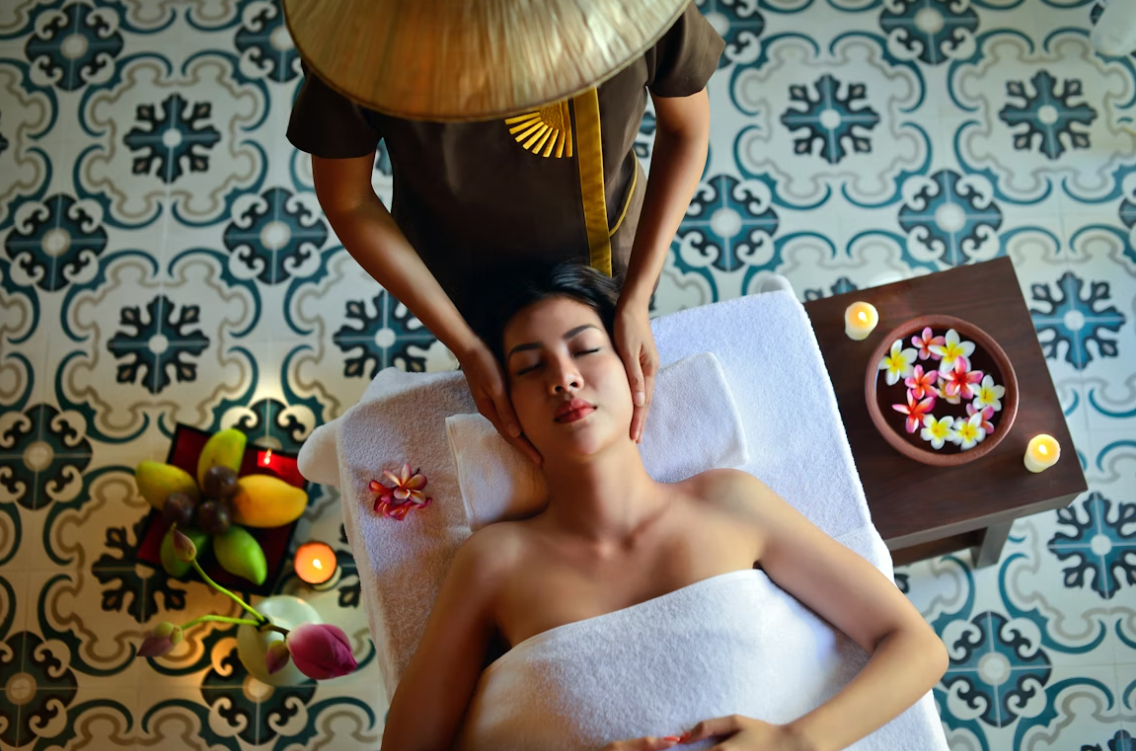
In today’s fast-paced world, a polished appearance can make a powerful statement. Whether you’re heading to work, meeting friends, or just running errands, mastering an effortless everyday makeup routine can help you look and feel your best. This article will guide you through simple steps to achieve a polished look that enhances your natural beauty.
II. Preparing Your Canvas
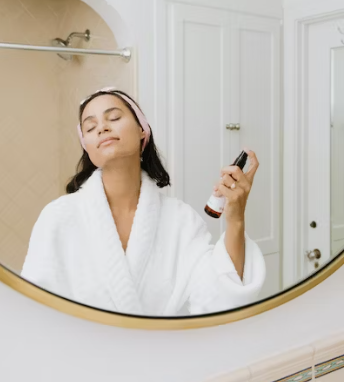
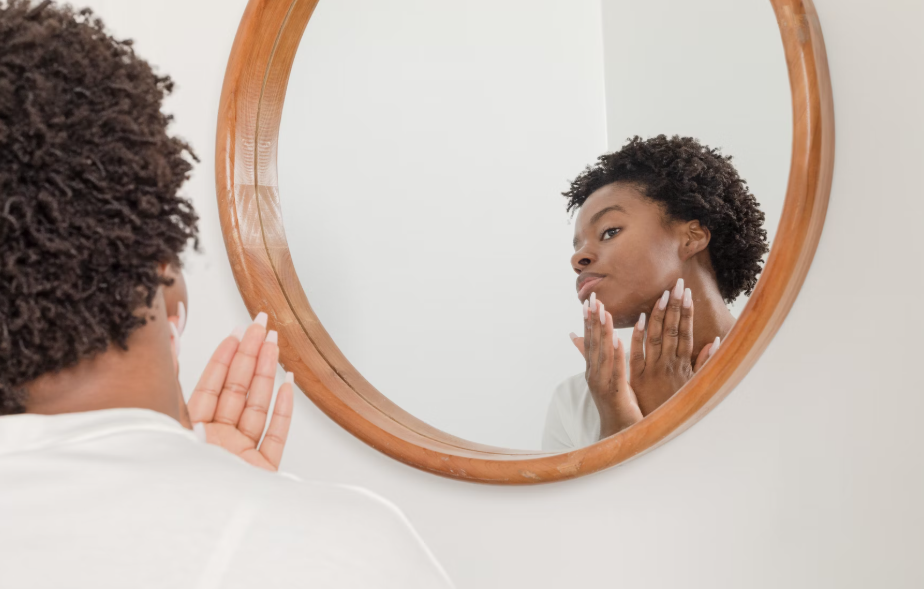
Before applying makeup, it’s crucial to start with a clean and moisturized face. Use a gentle cleanser to remove any dirt or impurities, then apply a lightweight moisturizer to hydrate your skin. This will create a smooth base for your makeup and help it last longer throughout the day.
III. Even Out Your Skin Tone
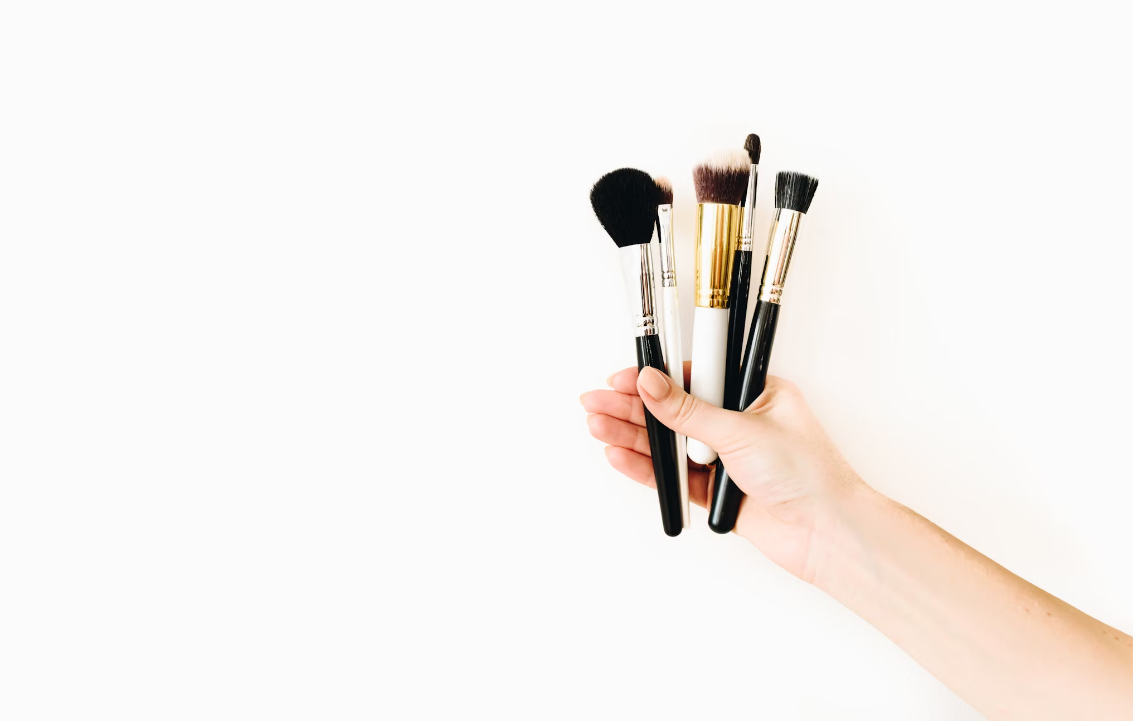
To create a flawless complexion, start by applying a light layer of foundation or tinted moisturizer. Choose a shade that matches your skin tone to avoid a mask-like effect. Use a beauty sponge or foundation brush to blend the product evenly, focusing on areas that need extra coverage, such as redness or blemishes.
IV. Brighten Your Eyes
Eyes are the windows to the soul, so it’s essential to make them pop. Start by applying a neutral eyeshadow shade to your eyelids, then add a slightly darker shade to the crease for depth. Next, apply a coat of mascara to lengthen and define your lashes. For an extra touch, use a white or nude eyeliner on your waterline to make your eyes appear larger and more awake.
V. Define Your Brows
Well-groomed brows can frame your face and enhance your features. Use a brow pencil or powder to fill in any sparse areas, then brush your brows upward for a natural look. Finish by setting them in place with a clear brow gel to keep them looking polished all day.
Handbags have long been an essential accessory for both practical utility and fashion statement. As a ubiquitous item in modern society, they come in a plethora of designs, materials, and styles, catering to various needs and preferences. This article delves into the intricate world of handbags, exploring their diverse types and styles, from functional designs to iconic fashion pieces.
1. Introduction
Handbags serve as more than just vessels to carry personal belongings; they are symbols of style, status, and individuality. Understanding the nuances of handbag types and styles allows individuals to make informed choices that align with their lifestyle and fashion sensibilities.
2. Historical Evolution of Handbags
From ancient pouches used to carry essentials to intricately designed purses of medieval Europe, the evolution of handbags mirrors the societal shifts in fashion and functionality. Over time, handbags have transcended mere utility to become coveted fashion accessories, reflecting cultural and economic trends.
3. Functional Types of Handbags
Tote bags, crossbody bags, satchels, and clutches are among the functional types of handbags that cater to specific needs and occasions. Tote bags offer ample space for daily essentials, while crossbody bags provide hands-free convenience. Satchels blend style with functionality, and clutches add a touch of sophistication to evening ensembles.
4. Fashionable Styles of Handbags
Shoulder bags, hobo bags, backpacks, and bucket bags represent fashionable styles that merge form with function. Shoulder bags exude elegance and versatility, while hobo bags offer a casual-chic aesthetic. Backpacks provide practicality without compromising on style, and bucket bags embody effortless sophistication.
5. Materials Used in Handbag Construction
The choice of materials, such as leather, synthetic materials, fabric, and exotic materials, significantly influences a handbag’s durability, appearance, and price point. Leather exudes luxury and longevity, while synthetic materials offer affordability and versatility. Fabric handbags provide a plethora of design options, and exotic materials add a unique flair to high-end designs.
6. Iconic Handbag Designs
Certain handbag designs have achieved iconic status, transcending trends and becoming timeless classics. The Chanel Classic Flap Bag, Hermès Birkin Bag, Louis Vuitton Speedy, and Gucci Jackie Bag are revered for their impeccable craftsmanship, design aesthetics, and cultural significance.
7. Handbag Trends
Handbag trends are shaped by various factors, including influences from runway fashion, sustainability initiatives, and consumer preferences for customization. Designers continually innovate to meet evolving consumer demands, incorporating sustainable materials, personalized touches, and avant-garde designs into their collections.
8. Factors to Consider When Choosing a Handbag
When selecting a handbag, factors such as purpose, size, material, and budget play crucial roles in making an informed decision. Whether for everyday use or special occasions, choosing the right handbag involves considering practicality, aesthetics, and personal style preferences.
9. Caring for Handbags
Proper maintenance and care are essential to prolonging the lifespan of handbags and preserving their pristine condition. Regular cleaning, appropriate storage, and timely repairs ensure that handbags remain functional and aesthetically pleasing for years to come.
10. The Psychology of Handbags
Handbags often hold symbolic significance beyond their utilitarian purpose, serving as markers of social status, personal identity, and emotional attachment. The psychology behind handbag ownership reveals the complex interplay between cultural norms, individual preferences, and societal perceptions of luxury and fashion.
11. Impact of Celebrities and Influencers
Celebrities and influencers wield significant influence over handbag trends, driving consumer demand and shaping industry narratives through endorsements and social media engagements. Their sartorial choices and public appearances propel certain handbag styles to iconic status, sparking global fervor and emulation.
12. Conclusion
In conclusion, handbags epitomize the fusion of functionality and fashion, serving as indispensable accessories that reflect individual tastes and societal trends. From classic designs to avant-garde creations, the world of handbags continues to evolve, offering endless possibilities for self-expression and style experimentation.
FAQs After The Conclusion
1. How do I determine the authenticity of a designer handbag?
Look for serial numbers, quality craftsmanship, and reputable sellers when purchasing designer handbags.
2. Are designer handbags worth the investment?
While designer handbags may come with a higher price tag, their quality, craftsmanship, and timeless appeal often make them worthy investments.
3. How can I clean my leather handbag without damaging it?
Use a gentle leather cleaner and conditioner, and avoid harsh chemicals or abrasive tools to clean leather handbags effectively.
4. What are some sustainable alternatives to traditional leather handbags?
Sustainable alternatives to traditional leather include vegan leather, recycled materials, and innovative plant-based fabrics.
5. Can I personalize my handbag to make it unique?
Many brands offer customization services, allowing customers to personalize their handbags with monograms, embellishments, and unique color combinations.
6. What should I do if my handbag requires repairs?
Contact the brand or a reputable handbag repair specialist for professional repairs and restoration services to maintain the integrity and value of your handbag.
In the pursuit of flawless, radiant skin, facial masks have emerged as indispensable allies. From luxurious spa treatments to convenient at-home rituals, the benefits of incorporating facial masks into your skincare regimen are manifold. Let’s delve into the types, applications, and the myriad advantages they offer.
1. Introduction
Facial masks have garnered widespread acclaim for their ability to address a plethora of skincare concerns effectively. From revitalizing tired skin to combating acne, these potent formulations offer targeted solutions with tangible results.
2. Types of Facial Masks
Sheet Masks: Infused with serums, these fabric-based masks deliver concentrated ingredients to the skin.
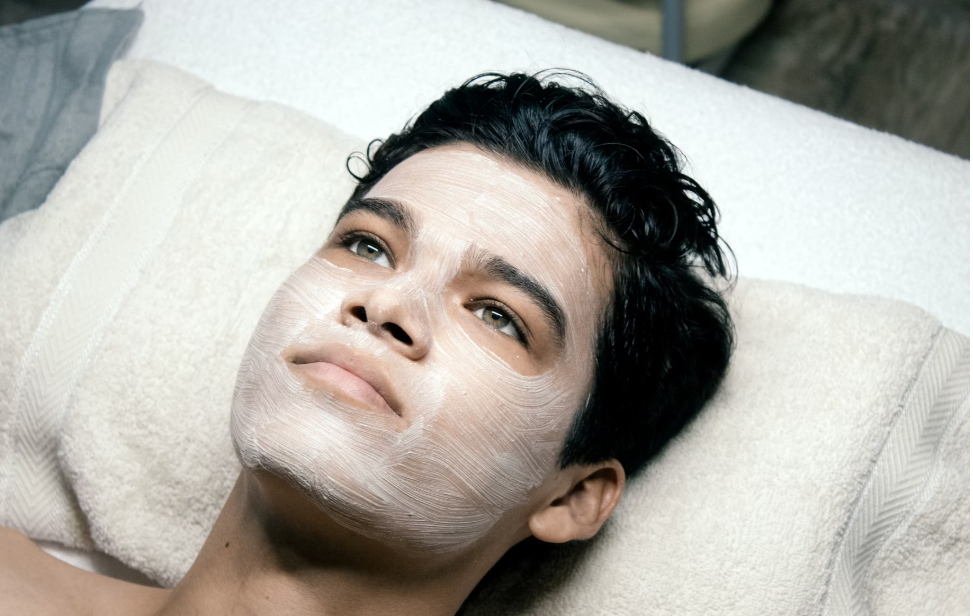
Clay Masks: Known for their deep-cleansing properties, clay masks draw out impurities and excess oil.
Cream Masks: Rich and nourishing, cream masks provide intense hydration and comfort to dry skin.
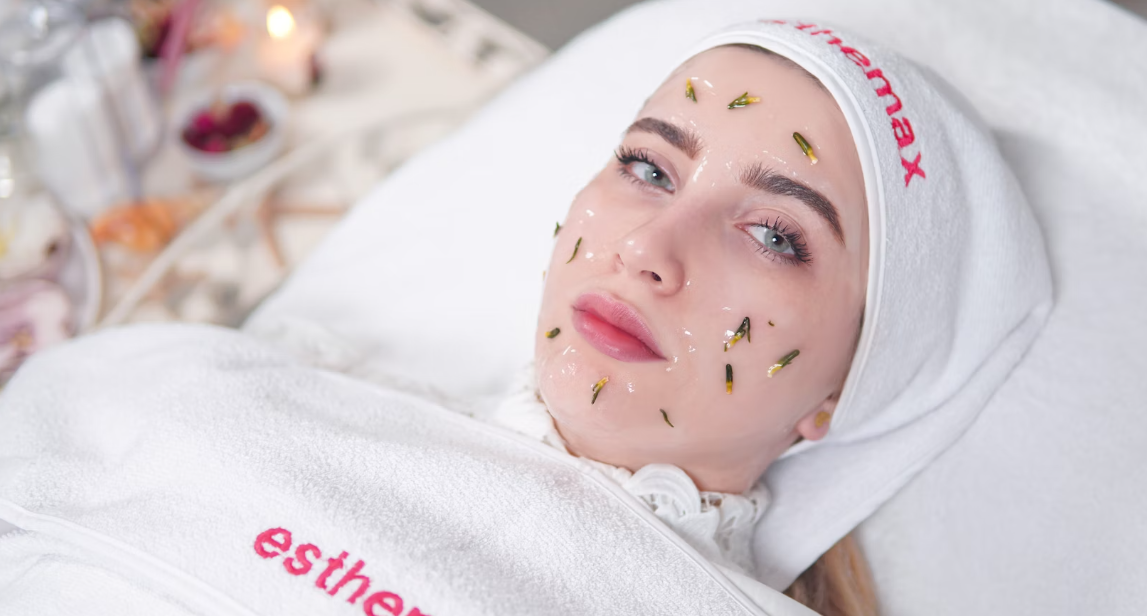
Gel Masks: Lightweight and refreshing, gel masks are ideal for soothing and cooling sensitive skin.
3. Benefits of Using Facial Masks
Cleanses and Unclogs Pores: Facial masks penetrate deeply, purging pores of dirt, oil, and toxins, promoting clearer skin.
Hydrates and Moisturizes: Infused with hydrating agents, masks replenish moisture levels, restoring suppleness and vitality.
Improves Skin Texture and Tone: Regular use refines skin texture, minimizing the appearance of pores and promoting an even complexion.
Provides Relaxation and Stress Relief: Beyond physical benefits, masking fosters relaxation, alleviating stress and tension.
4. Choosing the Right Facial Mask
Selecting the appropriate mask hinges on understanding your skin type and its specific needs. Whether battling excess oil or combating dryness, tailoring your choice ensures optimal results.
5. How to Apply Facial Masks Properly
Achieving maximum efficacy necessitates proper application techniques. Begin with clean skin, evenly distributing the mask, and allowing ample time for absorption.
6. Frequency of Use
While the frequency varies based on individual skin types, experts recommend incorporating masks into your routine 1-3 times per week to maintain optimal skin health.
7. Tips for Maximizing the Benefits
Consistency is paramount in reaping the rewards of facial masks. Pairing with complementary skincare products amplifies results, ensuring a synergistic approach to skincare.
8. Common Misconceptions about Facial Masks
Dispelling myths surrounding facial masks elucidates their true potential, debunking fallacies and empowering users to make informed choices.
9. Potential Risks and Precautions
While generally safe, certain ingredients may trigger adverse reactions in sensitive individuals. Conducting patch tests and adhering to usage guidelines mitigate potential risks.
10. Integration with Skincare Routine
Seamlessly integrating facial masks into your existing skincare regimen augments efficacy, enhancing the overall health and appearance of your skin.
11. Latest Trends in Facial Masks
Innovations in skincare technology continually redefine the landscape of facial masks, introducing novel formulations and delivery systems to cater to evolving consumer preferences.
12. Conclusion
In summation, the benefits of facial masks extend far beyond mere indulgence, offering tangible improvements to skin health and appearance. Embrace the transformative power of masks as a cornerstone of your skincare arsenal, and unlock the radiant complexion you deserve.
FAQs After The Conclusion
How often should I use a facial mask?
Frequency depends on your skin type, but 1-3 times per week is generally recommended for optimal results.
Are there any risks associated with facial masks?
While rare, allergic reactions or irritations may occur. Conduct patch tests and consult with a dermatologist if concerns arise.
Can I use multiple masks in one skincare session?
Layering masks may lead to over-treatment and potential irritation. Stick to one mask per session for best results.
Do facial masks replace regular skincare routines?
No, facial masks complement existing skincare routines, providing targeted treatments to address specific concerns.
Can I leave a facial mask on overnight?
While tempting, leaving a mask on for extended periods can lead to over-drying or irritation. Follow the recommended usage instructions for optimal outcomes.
Can facial masks help with acne?
Yes, certain masks formulated with acne-fighting ingredients can help alleviate breakouts and minimize their recurrence.
In today’s fast-paced world, where beauty standards are constantly evolving, achieving a healthy glow has become a timeless aspiration. While there are numerous products and treatments available promising instant results, the key to radiant skin lies in adopting natural beauty tips that prioritize long-term skin health. Understanding the fundamentals of skincare, nourishing the body from within, and embracing holistic practices are essential steps towards achieving a luminous complexion that emanates from within.
Understanding Skin Health
As the body’s largest organ, the skin serves as a protective barrier against external aggressors such as pollutants and UV radiation. Maintaining its health is crucial not only for aesthetic purposes but also for overall well-being. Healthy skin is characterized by its ability to retain moisture, regulate temperature, and protect against infections. Therefore, investing in skincare routines that nourish and protect the skin is paramount for achieving a radiant complexion.
Diet and Hydration
The old adage “you are what you eat” holds particularly true when it comes to skin health. A balanced diet rich in vitamins, minerals, and antioxidants provides the essential nutrients needed for cellular repair and regeneration. Incorporating fruits, vegetables, lean proteins, and healthy fats into your meals can help support collagen production, improve skin elasticity, and combat oxidative stress. Additionally, staying adequately hydrated by drinking plenty of water throughout the day helps flush out toxins and keeps the skin hydrated from within, contributing to a natural glow.
Skincare Routine
Establishing a consistent skincare routine tailored to your skin type is fundamental for maintaining a healthy complexion. This typically involves a regimen that includes cleansing, exfoliating, moisturizing, and protecting the skin. Cleansing removes dirt, oil, and impurities, while exfoliating sloughs off dead skin cells to reveal a fresh layer of skin underneath. Moisturizing helps maintain the skin’s natural moisture barrier, while applying sunscreen daily protects against UV damage and premature aging.
Sun Protection
One of the most effective ways to preserve skin health and prevent premature aging is by protecting it from harmful UV rays. Overexposure to the sun can lead to sunburn, wrinkles, age spots, and even skin cancer. Therefore, wearing sunscreen with broad-spectrum protection and a minimum SPF of 30 is crucial, even on cloudy days or during the winter months. Additionally, seeking shade, wearing protective clothing, and avoiding peak sun hours can further minimize sun damage and promote a healthy glow.
Natural Remedies
Nature offers a plethora of ingredients renowned for their skincare benefits. Incorporating natural remedies into your beauty routine can provide nourishment and hydration without the use of harsh chemicals. Ingredients such as aloe vera, coconut oil, honey, and green tea possess antioxidant, anti-inflammatory, and antimicrobial properties that promote skin health and vitality. Whether used individually or in combination, these natural ingredients offer gentle yet effective solutions for achieving a radiant complexion.
Physical Activity
Regular exercise not only benefits your physical and mental well-being but also contributes to skin health. Engaging in activities that increase blood circulation, such as brisk walking, jogging, or yoga, helps deliver oxygen and nutrients to the skin cells, promoting a healthy glow. Furthermore, sweating during exercise helps cleanse the pores and expel toxins, resulting in clearer, more radiant skin. Incorporating physical activity into your daily routine is a simple yet powerful way to enhance your complexion and overall health.
Stress Management
The detrimental effects of stress on skin health are well-documented, with chronic stress contributing to a variety of skin conditions, including acne, eczema, and psoriasis. Therefore, prioritizing stress management techniques such as meditation, deep breathing exercises, or yoga is essential for promoting a healthy glow from within. By reducing stress levels, you can minimize the release of cortisol, a hormone known to increase oil production and inflammation in the skin, thereby improving its overall appearance and radiance.
Adequate Sleep
Quality sleep is often referred to as “beauty sleep” for a good reason. During sleep, the body undergoes repair and regeneration processes essential for cellular renewal and skin rejuvenation. Lack of sleep not only leads to dark circles and dull complexion but also accelerates the aging process by impairing collagen production and increasing inflammation. Aim for seven to eight hours of uninterrupted sleep each night to allow your skin ample time to repair and restore itself, resulting in a youthful, glowing complexion.
Avoiding Harmful Habits
Certain lifestyle habits can sabotage your efforts to achieve a healthy glow. Smoking, for instance, exposes the skin to harmful toxins and accelerates the breakdown of collagen, leading to premature aging and dullness. Similarly, excessive alcohol consumption dehydrates the skin, robbing it of essential moisture and nutrients, resulting in a lackluster complexion. By avoiding these harmful habits and adopting healthier alternatives, you can protect your skin’s integrity and maintain its youthful radiance.
Consistency and Patience
Achieving a healthy glow is not an overnight process but rather a journey that requires consistency and patience. While natural beauty tips can help improve your skin’s appearance and vitality, significant results may take time to manifest. Therefore, it’s essential to stay committed to your skincare routine and lifestyle habits, trusting that your efforts will eventually pay off. Remember, consistency is key, and with perseverance, you can attain the radiant complexion you desire.
Conclusion
In a world inundated with beauty products and treatments promising miraculous results, it’s easy to overlook the simple yet effective natural beauty tips that promote long-term skin health. By prioritizing skincare routines, nourishing your body from within, and embracing holistic practices, you can achieve a healthy glow that radiates from the inside out. Remember, beauty is more than skin deep—it’s a reflection of your overall health and well-being.
FAQs After The Conclusion:
Can natural remedies really improve skin health?
Absolutely! Natural ingredients such as aloe vera, coconut oil, and honey are packed with antioxidants and nutrients that nourish and hydrate the skin, promoting a healthy glow.
How long does it take to see results from natural beauty tips?
Results vary depending on individual skin types and concerns. While some may notice improvements within a few weeks, others may require more time and patience for significant changes to occur.
Is sunscreen necessary even on cloudy days?
Yes, UV rays can penetrate through clouds and cause skin damage, so it’s essential to wear sunscreen daily, regardless of the weather conditions.
Can stress really affect skin health?
Absolutely. Chronic stress triggers the release of cortisol, a hormone that can lead to increased oil production, inflammation, and breakouts, adversely affecting skin health.
What role does hydration play in achieving a healthy glow?
Hydration is crucial for maintaining skin health and radiance. Drinking plenty of water helps flush out toxins, regulate oil production, and keep the skin hydrated from within, resulting in a luminous complexion.
Are there any natural ingredients to avoid for certain skin types?
While natural remedies are generally safe, it’s essential to patch-test new ingredients and avoid those known to trigger allergies or sensitivities, especially for individuals with sensitive or reactive skin types.
In today’s world, where skincare products are filled with chemicals and artificial ingredients, natural and DIY skincare remedies have gained popularity for their effectiveness and safety. Natural skincare involves using ingredients derived from nature, such as plants and minerals, to nourish and enhance the skin’s health. DIY skincare, on the other hand, refers to making skincare products at home using natural ingredients. In this article, we will explore the world of natural and DIY skincare remedies, their benefits, and how you can incorporate them into your skincare routine.
Common Skin Issues
Before we delve into natural and DIY remedies, let’s first understand some common skin issues that many people face. Acne, characterized by pimples, blackheads, and whiteheads, is a common skin problem, especially among teenagers. Dry skin is another common issue, which can make the skin look dull and flaky. Aging is a natural process that affects everyone, leading to wrinkles, fine lines, and sagging skin.
Benefits of DIY Skincare Remedies
One of the key benefits of DIY skincare remedies is cost-effectiveness. Making your own skincare products at home can save you money compared to buying expensive commercial products. Additionally, DIY skincare allows you to have full control over the ingredients you use, ensuring that you only use natural and safe ingredients on your skin.
Natural Ingredients for Skincare
There are many natural ingredients that are beneficial for the skin. Honey, for example, is a natural humectant that helps to retain moisture in the skin. Aloe vera has soothing and healing properties, making it ideal for treating sunburns and other skin irritations. Coconut oil is a versatile ingredient that can be used as a moisturizer, cleanser, and even sunscreen. Tea tree oil is another powerful ingredient with antibacterial and anti-inflammatory properties, making it effective against acne.
DIY Face Masks
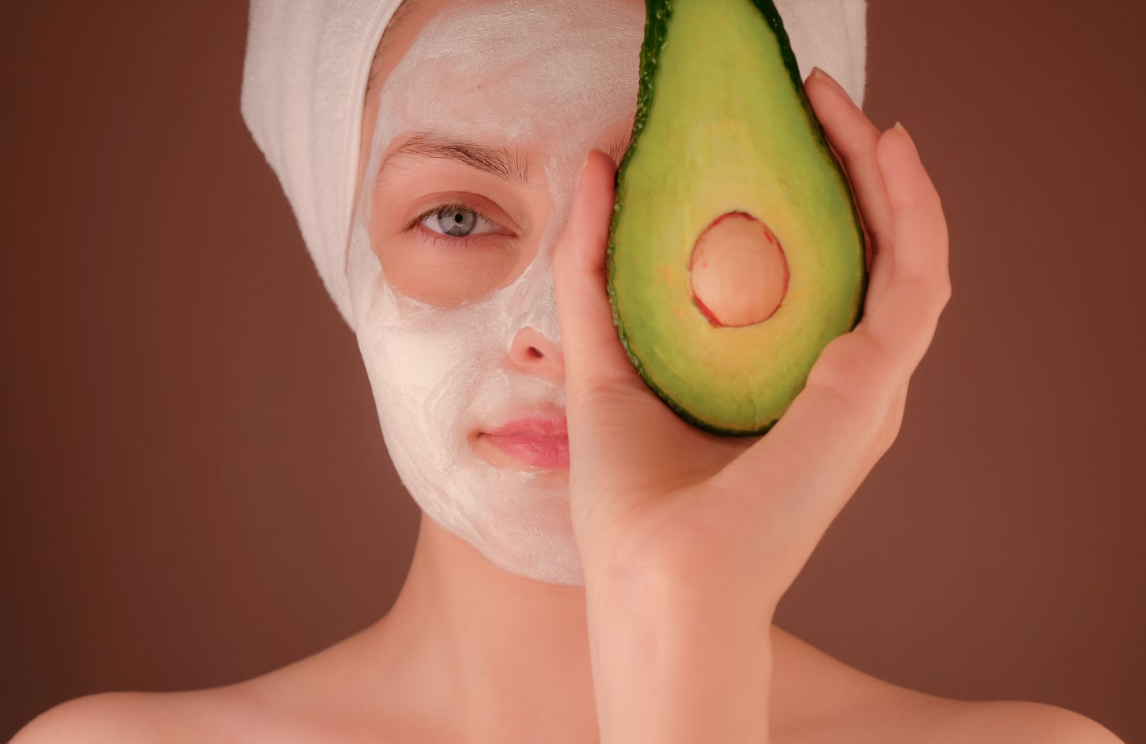
Face masks are a popular skincare treatment that can help to hydrate, nourish, and rejuvenate the skin. There are many DIY face mask recipes that you can try at home using natural ingredients. For example, a honey and cinnamon mask can help to reduce acne and inflammation, while an avocado and honey mask can moisturize and nourish dry skin. An oatmeal and yogurt mask is great for exfoliating the skin and removing dead skin cells.
DIY Scrubs
Exfoliation is an important step in any skincare routine, as it helps to remove dead skin cells and unclog pores. DIY scrubs are easy to make at home and can be customized to suit your skin type. For example, a sugar and coconut oil scrub is gentle enough for sensitive skin, while a coffee scrub can help to invigorate and brighten the skin.
DIY Moisturizers
Moisturizing is essential for keeping the skin hydrated and healthy. DIY moisturizers are often made with natural oils and butters that nourish the skin without clogging pores. Shea butter and cocoa butter are popular ingredients for DIY moisturizers, as they are rich in vitamins and antioxidants that help to protect and repair the skin.
DIY Lip Balms
The lips are often neglected when it comes to skincare, but they also need to be moisturized and protected. DIY lip balms are easy to make at home and can be customized with different flavors and colors. A beeswax and coconut oil lip balm is a simple recipe that can help to keep your lips soft and hydrated, while a shea butter and honey lip balm is soothing and nourishing.
DIY Sunscreens
Protecting your skin from the sun’s harmful rays is important for preventing premature aging and skin cancer. DIY sunscreens can be made with natural ingredients that provide effective sun protection. Raspberry seed oil and carrot seed oil are two natural oils that have natural SPF properties and can be used to make homemade sunscreens.
Safety Precautions for DIY Skincare
While DIY skincare can be safe and effective, it’s important to take some precautions to avoid any adverse reactions. Always do a patch test before using a new ingredient on your skin, especially if you have sensitive skin. Additionally, make sure to store your homemade products properly to prevent contamination and spoilage.
Tips for Effective Skincare Routine
Incorporating natural and DIY skincare remedies into your daily routine can help to improve the health and appearance of your skin. Cleansing, exfoliating, and moisturizing are three key steps in any skincare routine. Cleansing removes dirt, oil, and impurities from the skin, while exfoliating helps to remove dead skin cells and unclog pores. Moisturizing helps to hydrate and nourish the skin, keeping it soft and supple.
Challenges of DIY Skincare
While DIY skincare can be rewarding, it also comes with some challenges. One of the main challenges is the shelf life of homemade products. Since they don’t contain preservatives, they can spoil more quickly than commercial products. Additionally, there is a risk of contamination if proper hygiene practices are not followed.
Eco-Friendly Skincare Practices
In addition to being good for your skin, natural and DIY skincare remedies are also good for the environment. By using sustainable ingredients and recycling packaging, you can reduce your carbon footprint and minimize waste. Look for products that are packaged in recyclable materials and choose ingredients that are ethically sourced.
Incorporating Natural Skincare into Daily Life
Incorporating natural and DIY skincare remedies into your daily life doesn’t have to be difficult. Start by making small changes, such as switching to natural skincare products or making your own skincare products at home
There was an error generating a response
Regenerate
ChatGPT can make mistakes. Consider checking important inform
The quest for youthful skin is a timeless pursuit. As we navigate the ever-expanding landscape of anti-aging skincare, it’s crucial to separate fact from fiction. In this article, we’ll debunk common myths surrounding aging and unveil practical solutions for achieving radiant skin.
Understanding Aging
Aging is a natural process that affects us all. Intrinsic and extrinsic factors play distinct roles in the way our skin ages. While genetics contribute to intrinsic aging, external factors like UV exposure and lifestyle choices can accelerate the process.
Common Myths About Aging
Debunking Myth 1: “You can’t reverse aging”
Contrary to popular belief, recent scientific breakthroughs suggest that certain anti-aging treatments can indeed reverse signs of aging. From innovative skincare ingredients to advanced procedures, the possibilities are evolving.
Debunking Myth 2: “Expensive products are always more effective”
Expensive doesn’t always mean better. Analyzing key ingredients reveals that effective anti-aging solutions can be found at various price points. Understanding the science behind skincare empowers consumers to make informed choices.
Debunking Myth 3: “Natural remedies are always safe and effective”
While natural remedies have their merits, they may not always deliver comprehensive anti-aging benefits. Relying solely on natural solutions may limit the spectrum of active ingredients needed for optimal skin health.
Effective Anti-Aging Ingredients
Retinol, hyaluronic acid, peptides, and antioxidants are among the powerhouse ingredients in anti-aging skincare. Understanding how each ingredient works enables consumers to select products tailored to their specific needs.
Building a Personalized Skincare Routine
There’s no one-size-fits-all solution in skincare. Tailoring a routine based on individual skin type and concerns ensures a more effective and enjoyable experience. Consistency is key when it comes to reaping the benefits of a personalized regimen.
Professional Treatments for Anti-Aging
While at-home skincare routines are essential, there comes a time when professional intervention is beneficial. Dermatological procedures, when performed by experts, can address deeper skin concerns that topical products may not fully resolve.
Lifestyle Factors Impacting Aging
Beyond skincare products, lifestyle factors significantly impact the aging process. A balanced diet, proper hydration, sufficient sleep, and stress management contribute to overall skin health.
The Role of Sunscreen in Anti-Aging
Sunscreen is a non-negotiable component of any anti-aging routine. Understanding the importance of sun protection, choosing the right sunscreen, and applying it effectively are crucial steps in preserving youthful skin.
Real-life success stories provide tangible evidence of the effectiveness of anti-aging solutions. Hearing from individuals who have achieved remarkable results inspires confidence in adopting a proactive skincare approach.
Latest Trends in Anti-Aging Skincare
While staying informed about emerging technologies is essential, it’s equally important to approach trends with caution. Not every new development is a one-size-fits-all solution, and understanding individual skin needs remains paramount.
Conclusion
In conclusion, anti-aging skincare is a nuanced journey. By dispelling common myths and embracing evidence-based solutions, individuals can cultivate radiant and healthy skin at every stage of life. Remember, it’s not about turning back time; it’s about aging gracefully and confidently.
FAQs
Can I reverse aging with skincare?
While complete reversal may not be possible, certain treatments and ingredients can significantly reduce visible signs of aging.
Are expensive skincare products worth the investment?
Not necessarily. Effective ingredients, rather than price tags, determine a product’s efficacy.
How do I build a personalized skincare routine?
Consider your skin type and concerns, and tailor your routine accordingly. Consistency is key.
Do natural remedies guarantee safe and effective anti-aging results?
Natural remedies may have benefits, but relying solely on them may limit the spectrum of active ingredients needed for optimal results.
When should I consider professional treatments for anti-aging?
Professional treatments become relevant when topical products alone cannot address deeper skin concerns effectively.
Introduction Acne is a widespread skin condition that affects millions of people worldwide. This article will delve into the intricacies of acne, its causes, and the numerous treatment options available. Understanding the root causes of acne is crucial in determining the most effective approach to manage and prevent breakouts. In this comprehensive guide, we will discuss the types of acne, the factors that trigger it, and the treatment options, both conventional and natural.
What Is Acne? Acne, scientifically known as acne vulgaris, is a chronic skin disorder that occurs when hair follicles become clogged with oil and dead skin cells. It primarily affects the face, chest, back, and shoulders, where the most sebaceous (oil) glands are found. There are different types of acne, each with its unique characteristics.
Types of Acne Whiteheads and Blackheads: These are non-inflammatory acne lesions characterized by blocked follicles. Whiteheads remain closed, while blackheads are open and exposed to air.
Papules: Small, red, tender bumps caused by inflammation and infection around hair follicles.
Pustules: Similar to papules, but contain pus at their tips.
Nodules: Large, painful lumps occurring deep within the skin.
Cysts: Severe, deep, and painful lesions filled with pus. These often lead to scarring.
Causes of Acne Understanding the root causes of acne is essential for effective treatment. Several factors contribute to the development of acne, and they can vary from person to person.
Hormonal Factors Hormonal fluctuations, especially during puberty, menstruation, pregnancy, or conditions like polycystic ovary syndrome, play a significant role in acne development.
Genetics Family history can influence your susceptibility to acne. If your parents or siblings had acne, you may be more prone to it.
Diet and Lifestyle Dietary choices, such as a high intake of sugary or greasy foods, can worsen acne. Stress, lack of sleep, and certain medications can also be contributing factors.
Factors That Aggravate Acne Several factors can exacerbate acne, including excessive face touching, not cleansing the skin properly, and using harsh skincare products. Understanding what makes your acne worse can help you make lifestyle changes.
Common Myths About Acne There are many misconceptions about acne. We’ll debunk some common myths to ensure you have accurate information about this condition.
The Impact of Acne on Mental Health Acne isn’t just a physical issue; it can significantly impact one’s mental health. We’ll explore the emotional toll acne takes on individuals and offer strategies for coping.
Treatment Options Various treatment options are available to manage and control acne. Your choice of treatment depends on the severity of your condition.
Over-the-Counter Products Over-the-counter (OTC) treatments like cleansers, spot treatments, and creams can be effective for mild cases of acne.
Prescription Medications Dermatologists may prescribe antibiotics, oral contraceptives, or other medications for more severe cases.
Topical Treatments Topical treatments like retinoids and benzoyl peroxide can help unclog pores and reduce inflammation.
Oral Medications Oral medications like isotretinoin are reserved for severe, cystic acne cases and require close monitoring due to potential side effects.
Natural Remedies for Acne Explore holistic and natural approaches to acne treatment, including dietary adjustments and home remedies.
Skincare Routine for Acne-Prone Skin Developing an appropriate skincare routine is crucial for managing acne. We’ll provide a step-by-step guide to help you establish a routine that works for you.
Preventing Acne Learn about the steps you can take to prevent acne breakouts and minimize the risk of scarring.
Professional Procedures for Acne For stubborn cases of acne, dermatologists offer various in-office procedures, such as chemical peels and laser therapy.
Dealing with Acne Scars Acne scars can be emotionally distressing. Discover effective ways to address and reduce the appearance of acne scars.
When to Consult a Dermatologist Know when it’s time to seek professional help from a dermatologist to manage your acne effectively.
Conclusion Understanding the causes and available treatments for acne empowers individuals to take control of their skin health. Whether you’re dealing with occasional breakouts or severe cystic acne, there are strategies and solutions to help you achieve clearer, healthier skin.
FAQs Is acne only a problem for teenagers?
No, acne can affect people of all ages, although it’s more common during adolescence due to hormonal changes.
Are natural remedies as effective as prescription treatments?
Natural remedies can be effective for mild cases, but severe acne often requires prescription medications for better results.
How long does it take to see results from acne treatments?
The time it takes to see improvements varies depending on the treatment used and the severity of the acne. It can range from a few weeks to several months.
Can I pop my pimples to make them go away faster?
Popping pimples can lead to scarring and should be avoided. It’s best to let them heal naturally or consult a dermatologist.
Is acne scarring permanent?
Acne scars can be permanent, but various treatments can reduce their appearance. Consult a dermatologist for the most suitable options.
This comprehensive guide should provide you with the knowledge and tools to understand and manage acne effectively. Remember that everyone’s skin is unique, so finding the right treatment may require some trial and error. If you have severe or persistent acne, it’s advisable to consult a dermatologist for personalized guidance.
Decorté is a high-end skincare and cosmetics brand originating from Japan. Since 1970, it has garnered acclaim not only in Japan but throughout Asia. Decorté places quality at its core, using only the finest ingredients backed by cutting-edge research and technological innovation. The brand’s name is derived from the French word “décor,” signifying the perfect blend of beauty and art.
2. Technological Innovations
Decorté’s commitment to technological innovation drives its exploration and development of vibrant beauty products. Here are some highlights:
Liposome Advanced Repair Serum
This fast-acting eye serum contains moisturizing ingredients released over 24 hours, inspired by 39 years of liposome research. It penetrates deeply, addressing fine lines and dryness, leaving your eye area revitalized.
AQ Emulsion – Brightening
This emulsion has brightening effects, promoting even skin tone and reducing dark spots, resulting in a radiant complexion.
AQ Lotion – Brightening
This brightening toner provides long-lasting hydration, leaving your skin dewy and luminous.
AQ Meliority Radiance Repair Foaming Face Wash
This foaming face wash combines cleansing efficacy with repair benefits, maintaining the skin’s moisture-oil balance.
3. Makeup Collection
Decorté doesn’t stop at skincare; it also offers stunning makeup collections:
Zen Wear Ultra Longwear Multi-Proof Foundation
This long-lasting liquid foundation comes in 40 different shades, ensuring both endurance and a natural finish.
Eye Glow Gem Skin Shadow
This eyeshadow blends the best of powder and cream shadows, creating a unique formula for standout eye makeup.
4. The Art and Science of Beauty
Decorté’s beauty products incorporate Vi-Fusion Essence, Moisture Liposome, and AQ Meliority, providing an exceptional skincare experience. Whether you seek a natural look or want to address specific skin concerns, Decorté has you covered. Let’s introduce this captivating brand to your website readers!
Statement jewelry has been adorning individuals for centuries. In ancient civilizations like Egypt and Mesopotamia, jewelry served not only as ornamentation but also as a status symbol and a form of protection. Intricately crafted pieces made from materials like gold, silver, and precious gemstones were worn by pharaohs, queens, and warriors to showcase power and wealth.
Iconic Moments in Statement Jewelry History
Throughout history, statement jewelry has played a pivotal role in defining eras and making unforgettable statements. From the extravagant pieces worn by Marie Antoinette during the French Revolution to the timeless elegance of Audrey Hepburn’s pearls in “Breakfast at Tiffany’s,” these iconic moments in history remind us of the enduring allure of statement jewelry.
Types of Statement Jewelry
Statement jewelry comes in various forms, each designed to make a different impact. Here are some of the most popular types:
Necklaces
A bold necklace can instantly draw attention to your neckline and elevate even the simplest outfit. Whether it’s a chunky chain, a sparkling pendant, or a colorful beaded masterpiece, the right necklace can transform your look.
Earrings
Earrings frame your face and can be a powerful focal point. From chandelier earrings that add drama to your evening attire to oversized hoops for a casual chic look, there’s an earring style for every occasion.
Bracelets
Stacking bracelets or donning a statement cuff can make your wrists stand out. Mix and match materials and styles to create a personalized wrist party that suits your mood.
Rings
Statement rings are a conversation starter. Whether you prefer a large cocktail ring or an intricate design with gemstones, your hands can tell a story through your choice of rings.
Choosing the Right Statement Jewelry
Selecting the perfect statement piece involves considering various factors, including your personal style, the occasion, and your own physical attributes.
Matching with Your Personal Style
Your statement jewelry should align with your personal style. If you lean towards boho chic, consider pieces with natural stones and organic shapes. If you prefer a more classic look, opt for timeless pieces like pearl necklaces or diamond studs.
Occasion-Appropriate Statement Pieces
Different occasions call for different statement pieces. A dramatic choker might steal the show at a cocktail party, but it might not be suitable for a corporate meeting. Always consider the context in which you’ll be wearing your jewelry.
Considering Skin Tone and Face Shape
Statement jewelry should complement your features. For instance, if you have a heart-shaped face, statement earrings can enhance your cheekbones. Similarly, jewelry with warm-toned gemstones can complement your skin’s undertones.
Materials and Gemstones
The materials used in statement jewelry can significantly impact its overall appeal. Understanding the significance of these materials can help you make informed choices.
Precious vs. Semi-Precious Gemstones
Precious gemstones like diamonds, rubies, and sapphires are revered for their rarity and beauty. Semi-precious gemstones like amethyst, turquoise, and garnet offer a wide range of colors and styles without the high price tag.
Metals and Their Significance
Different metals convey different emotions and aesthetics. Gold is associated with luxury and wealth, while silver offers a sleek and modern look. Rose gold, on the other hand, combines the warmth of gold with a touch of romance.
In the next section, we’ll explore the latest trends in statement jewelry and how you can incorporate them into your wardrobe. Stay tuned as we continue our journey to elevate your style with statement jewelry.
Skincare isn’t just a routine; it’s a commitment to your skin’s health and radiance. Achieving that flawless, glowing complexion requires time, knowledge, and consistency. In this comprehensive guide, we’ll walk you through the steps to build a skincare routine that’s tailored to your skin type and ensures your skin remains healthy and radiant.
Understanding the Importance of a Skincare Routine
A skincare routine is more than just pampering your skin; it’s about maintaining skin health. Regular cleansing, moisturizing, and protection from the sun can prevent various skin issues, including premature aging and acne.
Determining Your Skin Type
Normal Skin
Normal skin is well-balanced, not too oily or too dry. It requires a gentle, hydrating routine to maintain its natural beauty.
Oily Skin
Oily skin tends to produce excess sebum. A proper skincare routine can help control oil production and prevent breakouts.
Dry Skin
Dry skin lacks moisture and can be sensitive. A skincare routine for dry skin focuses on hydration and nourishment.
Combination Skin
Combination skin presents a mix of oily and dry areas. Tailoring your routine to each area’s needs is essential.
Choosing the Right Skincare Products
To build an effective skincare routine, you must choose the right products that suit your skin type.
Cleanser
Cleansing is the foundation of any skincare routine. A gentle cleanser helps remove impurities without stripping your skin’s natural oils.
Toner
A toner restores your skin’s pH balance and preps it for the following products.
Moisturizer
Moisturizers hydrate and lock in moisture, keeping your skin soft and supple.
Sunscreen
Sunscreen is your shield against harmful UV rays, preventing premature aging and skin damage.
Specialized Treatments
Specialized treatments like retinol, hyaluronic acid, or vitamin C can address specific skin concerns.
The Importance of Cleansing
Cleansing in the Morning
Morning cleansing removes sweat and sebum buildup from the night and prepares your skin for the day.
Cleansing at Night
Nightly cleansing removes makeup, pollutants, and accumulated dirt, allowing your skin to breathe.
Double Cleansing
Double cleansing, involving an oil-based cleanser followed by a water-based one, ensures a thorough cleanse.
Balancing Your Skincare Routine
Consistency is key. Divide your skincare routine into morning and evening rituals.
Morning Routine
Morning routines should be light and include cleansing, toning, moisturizing, and sunscreen application.
Evening Routine
Evening routines should focus on deep cleansing, specialized treatments, and moisturizing.
Adding Specialized Treatments
Serums
Serums target specific concerns like fine lines, dark spots, or acne.
Masks
Face masks provide an extra boost of hydration, detoxification, or exfoliation.
Sun Protection
Understanding SPF
Understanding SPF and how to choose the right sunscreen is crucial.
Reapplication
Remember to reapply sunscreen throughout the day, especially if you’re outdoors.
Building a Routine for Different Skin Types
Tailor your routine to your specific skin type for the best results.
Routine for Normal Skin
A simple routine with a focus on hydration is perfect for normal skin.
Routine for Oily Skin
Oily skin benefits from oil-free products and regular exfoliation.
Routine for Dry Skin
Dry skin requires rich, hydrating products and gentle exfoliation.
Routine for Combination Skin
Combination skin needs a balanced approach, addressing both oily and dry areas.
Tips for Consistency
Start Simple
Begin with a basic routine and gradually add products to avoid overwhelming your skin.
Gradual Introduction of New Products
Introduce new products one at a time to monitor their effects.
Patience and Observation
Results take time. Be patient and monitor changes in your skin.
Common Skincare Mistakes to Avoid
Learn about the common mistakes people make in their skincare routines to prevent potential issues.
Monitoring Your Progress
Keeping a Skincare Journal
Maintaining a journal helps track changes in your skin and the products you’ve used.
Conclusion
A well-structured skincare routine is your path to healthy and radiant skin. By understanding your skin type and selecting the right products, you can achieve a complexion that radiates health and beauty.
FAQs
How long does it take to see results from a skincare routine?
Results vary, but most people see improvements in a few weeks to a few months of consistent use.
Can I use natural ingredients in my skincare routine?
Natural ingredients can be beneficial, but it’s essential to understand their effects on your skin.
Is it necessary to use all the recommended products in a skincare routine?
Not necessarily. Start with the basics and add products based on your skin’s needs.
Can I use the same products year-round, or should I change them with the seasons?
You may need to adjust your skincare routine with the seasons to accommodate changing skin conditions.
How often should I exfoliate my skin?
Exfoliation frequency depends on your skin type; typically, once or twice a week is recommended.
Remember, consistency and patience are key to achieving and maintaining healthy, radiant skin. Your skincare routine is an investment in your long-term skin health and beauty.