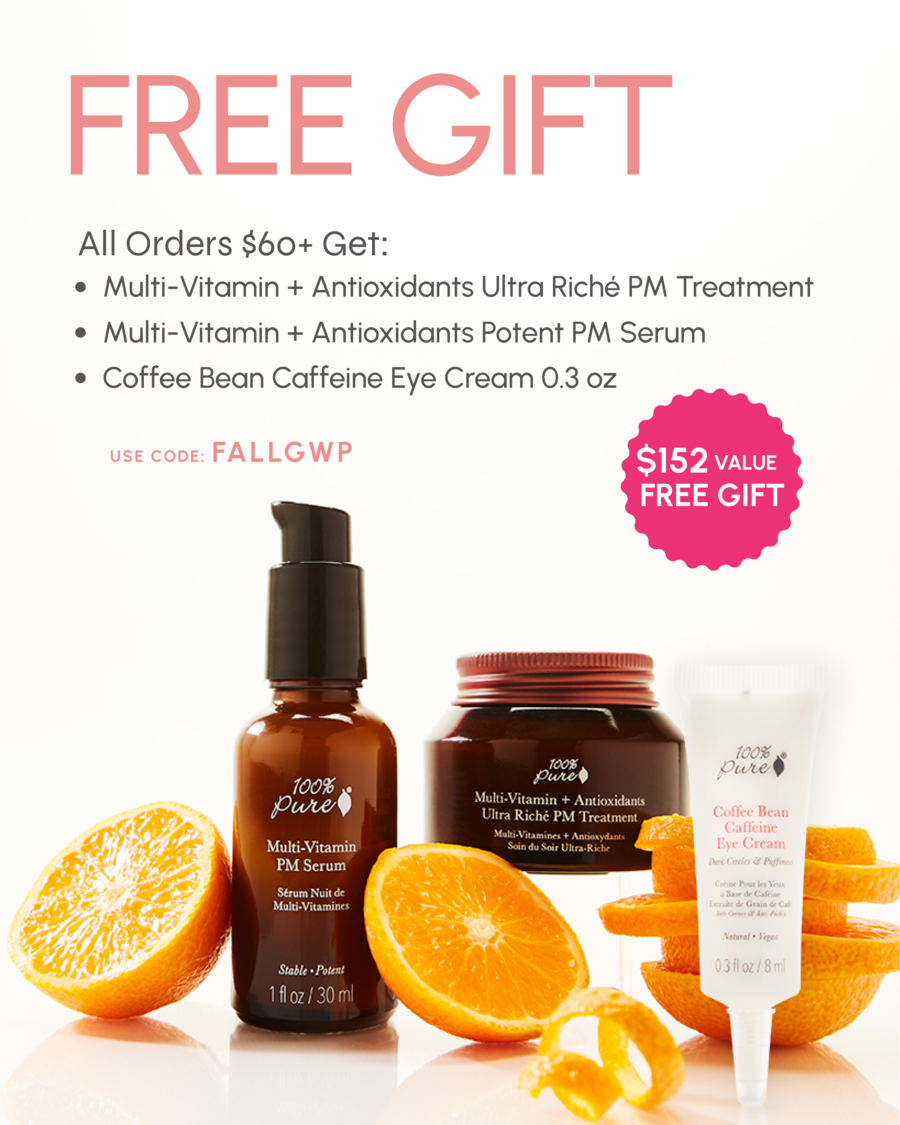
In this fast-paced world, it’s easy to forget what our skin truly needs. Enter 100% PURE, a brand that holds the secret to natural beauty. This article will introduce you to this remarkable brand and why it’s worth your trust.
Part 1: Brand Background
100% PURE is dedicated to providing your skin with the purest, most natural care possible. Since its inception, they have committed to using the purest and most natural ingredients to create the most effective skincare and makeup. At the core of the brand’s philosophy is the belief that everyone should be able to enjoy the gifts of nature, and this is the foundation of their products.
Part 2: Product Highlights
What truly sets 100% PURE products apart is that they contain absolutely no harmful chemicals. This means you can use these products with confidence, knowing they won’t harm your skin. The brand’s product range includes:
Organic Fruit Pigmented Scrub: This scrub blends fresh fruit particles with organic ingredients to gently remove dead skin cells, leaving your skin smooth and radiant.
Pure Fruit Pigmented Foundation: This foundation not only provides long-lasting coverage but also includes antioxidant ingredients to protect your skin from environmental damage.
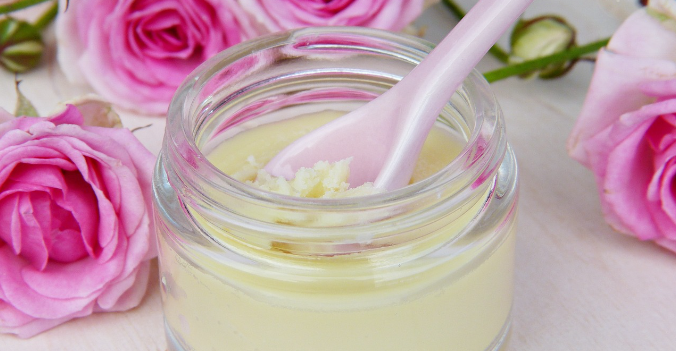
Herbal Moisturizer: 100% PURE’s moisturizer incorporates herbal extracts to deeply hydrate your skin, leaving it looking younger and more radiant.
Part 3: Quality Assurance
100% PURE is renowned for its dedication to quality. Their products undergo rigorous quality checks and adhere to world-class production standards. The brand firmly believes that to achieve the best skincare results, only the finest ingredients should be used, and this is their recipe for success.
Part 4: Why Choose 100% PURE?
Purity: All products are free from harmful chemicals, making them suitable for sensitive skin. Naturality: Ingredients are sourced from nature, improving skin health and appearance. Effectiveness: Products are clinically tested to ensure their efficacy. Conclusion: 100% PURE products are your secret weapon for achieving healthy, beautiful skin. Whether you’re a skincare novice or a seasoned makeup pro, this brand is worth a try. Let the beauty of nature bestow unparalleled gifts upon your skin with 100% PURE.
As the vibrant days of summer start to fade, our skincare routines require a thoughtful shift to tackle the aftereffects of sun-soaked adventures and to brace ourselves for the colder days ahead. The transition between seasons presents an opportunity to repair the damage caused by the summer sun while also preparing our skin for the harshness of winter. In this article, we will delve into the essential steps to seamlessly transition your skincare regimen from the carefree days of summer to the chillier embrace of fall and winter.
Understanding Summer Skin Damage:
The allure of sun-kissed skin often overshadows the potential harm that excessive sun exposure and humidity can cause. As we bid adieu to summer, it’s crucial to acknowledge the toll it may have taken on our skin. From the scorching sunburns that make us wince to the subtle signs of dehydration and hyperpigmentation, our skin deserves a well-rounded recovery plan.
Preparing for Fall: Detox and Repair:
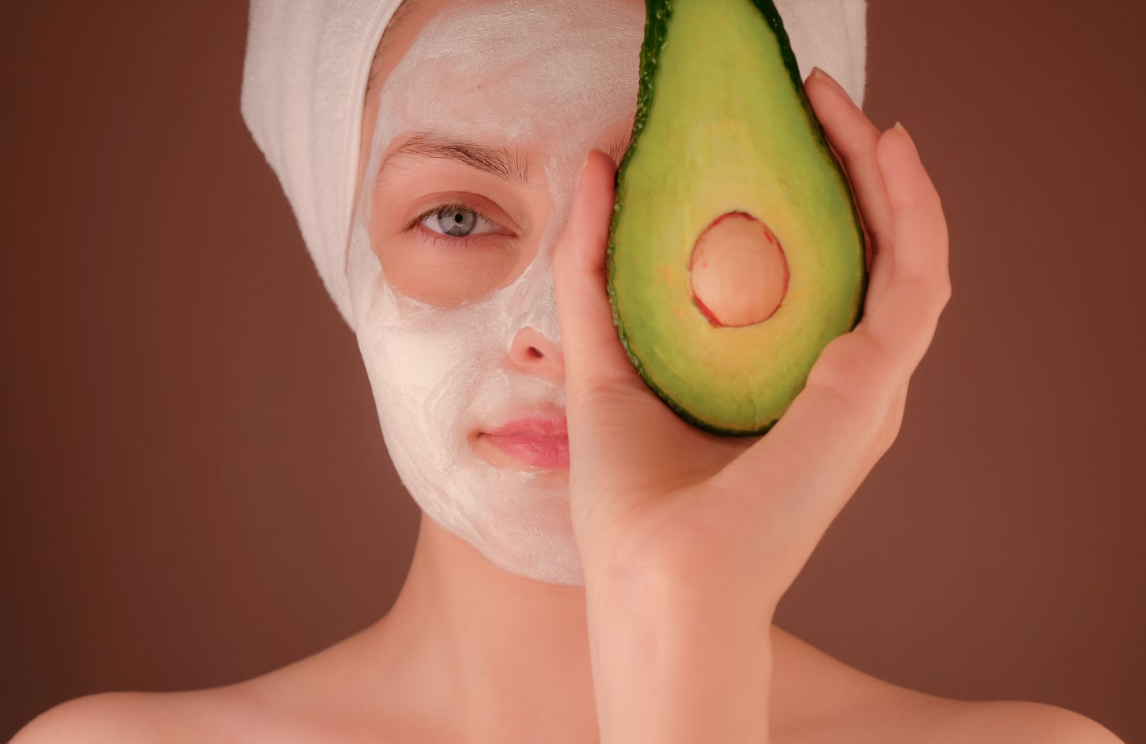
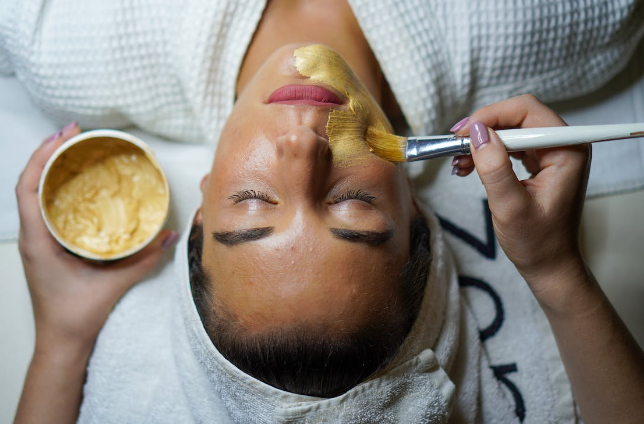
The first step in this seasonal skincare journey is detoxification and repair. After months of sunscreen application and exposure to pollutants, exfoliation becomes the superhero. Gently exfoliating dead skin cells not only promotes a youthful glow but also aids in better absorption of the products that follow. A detoxifying face mask can further assist in rejuvenating the skin.
Hydration is Key:
As the humidity wanes, the skin’s thirst for moisture becomes more apparent. Hydration is the cornerstone of any effective skincare routine. Incorporating hydrating serums enriched with hyaluronic acid can work wonders in retaining moisture, ensuring your skin remains plump and radiant.
Switching to Fall-Friendly Ingredients:
As the temperature drops, our skin craves nourishment without the heaviness. Transitioning to lightweight, non-comedogenic products prevents pore-clogging and breakouts. Ingredients like hyaluronic acid, known for its moisture-retaining properties, and ceramides that fortify the skin barrier, become our best allies.
Addressing Hyperpigmentation and Dark Spots:
The remnants of summer’s fervor often manifest as stubborn hyperpigmentation and dark spots. The magic ingredients to address these concerns are Vitamin C and retinoids. Vitamin C’s brightening prowess and retinoids’ skin renewal abilities make them must-haves in fall skincare.
Preventing and Treating Skin Sensitivity:
As the winds turn crisper, our skin can turn a bit sensitive. Gentle cleansers devoid of harsh chemicals, paired with soothing agents like aloe vera, can pacify any redness or irritation.
Transitioning to Winter: A Layered Approach:
Winter’s arrival brings the need for a more layered approach to skincare. Richer moisturizers come to the forefront, offering a shield against the biting cold. Adding facial oils to your routine provides an extra layer of protection, keeping your skin well-insulated.
Lip and Hand Care:
While we pamper our facial skin, let’s not forget the delicate skin of our lips and hands. The dry air of winter can wreak havoc on these areas, leading to chapping and cracking. Products containing shea butter, beeswax, and nourishing oils can keep your lips and hands soft and supple.
Sunscreen Is Still Essential:
One common misconception is that sunscreen’s role diminishes in colder months. However, harmful UV rays are present year-round, necessitating the continued use of a broad-spectrum sunscreen. This small step can prevent long-term damage and maintain your skin’s health.
Conclusion:
The change in seasons is more than just a shift in temperature – it’s an opportunity to recalibrate our skincare routines. By acknowledging the effects of summer, embracing fall-friendly ingredients, and preparing for winter’s chill, you provide your skin with the care it deserves. As you adjust your regimen, remember that your skin’s needs are unique, so listen to its cues and adapt accordingly. With this newfound knowledge, you’re equipped to embark on a skincare journey that’s both restorative and nurturing.
FAQs (Frequently Asked Questions):
Should I continue using sunscreen in the fall and winter? Absolutely! Sunscreen is a year-round necessity to protect your skin from UV rays and prevent damage.
What’s the best way to address dark spots from summer sun exposure? Incorporating Vitamin C serums and retinoids can help fade dark spots and promote skin renewal.
Is exfoliation safe for sensitive skin during seasonal transitions? Yes, but opt for gentler exfoliation methods and products specifically formulated for sensitive skin.
How can I prevent my lips from getting chapped in colder months? Regularly apply a lip balm enriched with moisturizing ingredients like shea butter and beeswax.
Can I use the same moisturizer year-round? While you can, it’s beneficial to switch to richer moisturizers in winter and lighter ones in warmer months for optimal hydration.
Remember, the key to effective skincare lies in adaptability and consistency. By customizing your routine to the changing seasons, you’ll ensure your skin remains healthy, radiant, and well-protected throughout the year.
As the warm rays of the sun beckon us outdoors during the summer months, it’s essential to prioritize the protection of our skin from the potentially harmful effects of ultraviolet (UV) radiation. The sun’s rays, while invigorating, can cause a range of skin issues, from premature aging to skin cancer. In this comprehensive guide, we’ll delve into the best practices for safeguarding your skin against the summer sun’s powerful embrace.
Understanding Sun Exposure
Before we dive into protective measures, it’s crucial to understand the types of UV rays that reach us and their implications. The sun emits UVA and UVB rays, both of which can cause damage to the skin. UVA rays penetrate deeply, leading to premature aging, while UVB rays primarily affect the outer layers, causing sunburn and contributing to skin cancer development.
Selecting the Right Sunscreen
The cornerstone of sun protection lies in choosing the right sunscreen. Look for products with a high Sun Protection Factor (SPF) rating and broad-spectrum protection. Broad-spectrum sunscreens shield your skin from both UVA and UVB rays, reducing the risk of sunburn and skin damage.
Tailor your sunscreen choice to your skin type. If you have sensitive skin, opt for a mineral-based sunscreen containing zinc oxide or titanium dioxide. For oilier complexions, consider lightweight, non-comedogenic formulas.
Dress for Protection
Your clothing choices can significantly impact your sun protection efforts. When possible, wear long-sleeved shirts, wide-brimmed hats, and pants to cover exposed areas. Some fabrics offer built-in Ultraviolet Protection Factor (UPF), which enhances their ability to block harmful rays.
Accessorize Wisely
Accessorizing thoughtfully can provide added protection. Don a wide-brimmed hat to shield your face, ears, and neck from direct sun exposure. Don’t forget to wear sunglasses with UV protection to safeguard your eyes and the delicate skin around them.
Seeking Shade
While the allure of sunny days is undeniable, spending extended periods in direct sunlight isn’t the best choice for your skin. Seek out shaded areas, especially during peak sun hours between 10 a.m. and 4 p.m. Not only will this offer respite from the heat, but it will also minimize your UV exposure.
Timing Matters
Timing your outdoor activities wisely can make a substantial difference in your sun protection efforts. Outdoor enthusiasts should aim to plan their activities either early in the morning or later in the afternoon to avoid the harshest sun rays.
Stay Hydrated
Sun exposure can lead to dehydration, so staying well-hydrated is essential. Carry a water bottle with you and make a conscious effort to drink water throughout the day. Adequate hydration supports overall skin health and helps counteract the drying effects of the sun.
Caring for Sunburns
Even with the best intentions, sunburns can still occur. If you find yourself with sunburned skin, act promptly. Applying aloe vera gel can soothe discomfort, while over-the-counter pain relievers can help manage pain and inflammation. Severe sunburns warrant medical attention, so be attentive to your body’s signals.
Long-Term Effects of Sun Damage
It’s vital to recognize that the effects of sun damage extend beyond immediate discomfort. Prolonged sun exposure accelerates skin aging, leading to wrinkles, fine lines, and age spots. Moreover, it’s a significant contributor to skin cancer development. Protecting your skin now can have profound implications for your future well-being.
Incorporating Sun Protection into Your Routine
Make sun protection a non-negotiable part of your daily routine. Apply sunscreen as the last step of your skincare regimen, and consider using makeup products with built-in SPF for an added layer of defense. Consistency is key to maintaining healthy skin.
Children and Sun Safety
Children’s delicate skin requires extra care under the sun. Use child-friendly sunscreens with high SPF, and ensure they wear protective clothing. Teach them about the importance of sun safety from a young age to establish lifelong habits.
Myths and Misconceptions about Sun Protection
Dispelling common myths is essential for effective sun protection. Contrary to popular belief, even on cloudy days, UV rays can reach your skin. Additionally, a base tan does not provide substantial protection—relying solely on this notion can be dangerous.
Conclusion
In the pursuit of summer enjoyment, don’t neglect the well-being of your skin. Embrace these best practices for sun protection, and you’ll not only savor the season but also promote your long-term skin health. Shielding your skin from the summer sun’s intensity is an investment in your overall well-being.
FAQs
Can I skip sunscreen on cloudy days? No, UV rays can penetrate clouds, so sunscreen is essential even when it’s overcast.
Is a base tan a safe way to protect my skin? No, a base tan provides minimal protection and can still lead to sun damage.
What’s the difference between UVA and UVB rays? UVA rays penetrate deeply and contribute to aging, while UVB rays primarily cause sunburn.
Can I use any sunscreen on my children? Opt for sunscreens designed for children, as they are formulated to be gentle on their skin.
Is sunscreen necessary if I have darker skin? Yes, people with darker skin tones are still at risk of sun damage and should use sunscreen regularly.
As the chilly winds and dropping temperatures of winter arrive, so do the challenges of maintaining healthy, hydrated skin. The colder months often bring dryness, flakiness, and a dull complexion, making it crucial to adapt our skincare routines to combat these woes effectively.
Understanding Winter Skin Woes
Cold weather can wreak havoc on our skin, robbing it of essential moisture. This leads to a range of skin problems, including tightness, redness, and even painful cracks. The lack of humidity in the air during winter further exacerbates these issues, making hydration strategies paramount.
The Role of Hydration in Skincare
Hydration isn’t just about drinking water; it’s also a cornerstone of healthy skin. Well-hydrated skin is not only more supple and plump but also better equipped to protect itself from external aggressors. Proper hydration ensures that the skin’s barrier function remains intact, preventing moisture loss and maintaining a radiant complexion.
Choosing the Right Winter Moisturizer
Selecting an appropriate winter moisturizer is pivotal. Look for ingredients like hyaluronic acid and glycerin, which attract and retain moisture. Cream-based moisturizers offer a thicker barrier, while lotions are lighter and more suitable for oilier skin types. Don’t forget the SPF; even in winter, UV rays can damage your skin.
Crafting Your Winter Skincare Routine
Gentle cleansing is essential, but avoid harsh products that strip away natural oils. Integrate serums and treatments into your routine to address specific concerns like fine lines and dullness. Layering products can lock in moisture effectively, with the rule of thumb being to apply thinnest to thickest.
Lifestyle Habits for Hydrated Skin
Hydration starts from within. Drinking ample water supports your skin’s moisture levels. Introducing a humidifier indoors helps counteract the dry air produced by heaters. While tempting, hot showers can strip your skin of its natural oils, so opt for lukewarm water instead.
Targeted Skincare for Problem Areas
Facial skin demands special attention. Choose a gentle cleanser and use a hydrating mask weekly. For hands, apply a rich cream and wear gloves in cold weather. Don’t neglect your lips—use a nourishing balm to prevent chapping.
DIY Skincare Remedies for Winter
Kitchen staples can rescue your skin. Create masks from yogurt and honey for hydration, and use sugar scrubs to exfoliate gently. Natural oils like coconut and jojoba make excellent moisturizers.
Protecting Your Skin in Harsh Conditions
Shielding your skin in extreme weather is essential. Apply a protective layer of moisturizer before heading out into cold, windy conditions. Regular exfoliation removes dead skin cells, allowing your moisturizer to penetrate effectively.
Glowing Skin Even in Winter
Radiant skin is achievable with the right approach. Opt for a moisturizing foundation or BB cream for makeup that doesn’t dry your skin. Highlighter can add a touch of luminosity.
Conclusion
Winter skincare demands attention to detail and adjustments to your routine. By prioritizing hydration, choosing suitable products, and maintaining good habits, you can keep your skin healthy and glowing throughout the coldest months.
FAQs About Winter Skincare
How often should I apply moisturizer during winter? Regularly moisturize at least twice a day, especially after cleansing.
Can I use the same skincare products year-round? It’s wise to adjust your routine based on seasonal needs, as winter demands extra hydration.
Are there any specific foods that promote winter skin hydration? Yes, foods rich in omega-3 fatty acids, like salmon and walnuts, support skin health.
Should I exfoliate more frequently in cold weather? Stick to your usual exfoliation routine, typically 1-2 times a week, to avoid overdoing it.
What’s the ideal nighttime skincare routine for winter? Cleanse, apply a hydrating serum, moisturize, and consider using a thicker night cream for added nourishment.
In a world where our skin faces countless challenges, establishing a comprehensive skincare regimen has never been more crucial. Amid the plethora of products available, serums and active ingredients stand out as powerful allies in achieving radiant and healthy skin. Through this journey of discovery, we will unravel the mysteries surrounding serums and delve into how they can elevate your skincare routine.
Understanding Serums and Actives
Skincare aficionados are well acquainted with the buzz surrounding serums and active ingredients, but what exactly are they? Serums are lightweight, fast-absorbing liquids formulated to penetrate the skin deeply with a high concentration of active compounds. These active ingredients, often vitamins, antioxidants, and peptides, are the true workhorses addressing specific skin concerns. Unlike moisturizers that primarily lock in hydration, serums target underlying issues ranging from fine lines and uneven skin tone to hyperpigmentation and dullness.
The Science Behind Effective Serums
The efficacy of serums lies in their scientific formulation. These products undergo rigorous research to ensure that the chosen active ingredients remain stable and potent. Additionally, their smaller molecular structure enhances penetration, allowing them to deliver their benefits at a cellular level. This bioavailability ensures that your skin reaps the rewards promised by the serum.
Identifying Your Skin’s Needs
Before embarking on a serum-based skincare journey, understanding your skin’s unique needs is paramount. Each person’s skin type and concerns are different, necessitating a personalized approach. Are you struggling with acne? Dealing with dryness? Or aiming to combat the signs of aging? Tailoring your serum selection to your specific needs ensures targeted results.
Key Ingredients to Look For
When navigating the realm of serums, knowing your ingredients is like wielding a magic wand. Hyaluronic acid, celebrated for its hydrating prowess, plumps the skin and minimizes fine lines. Vitamin C, a potent antioxidant, brightens and shields the skin from environmental damage. Meanwhile, retinol, a derivative of vitamin A, works wonders in cellular turnover, combating wrinkles and promoting a youthful glow.
Incorporating Serums into Your Routine
Even the most potent serum needs guidance on how to weave itself into your routine. Applying a serum after cleansing and toning but before moisturizing allows it to penetrate effectively. Remember, a little goes a long way due to the concentrated nature of serums. Gently press the serum into your skin, giving it a moment to absorb before moving on to the next step.
Common Mistakes to Avoid
In the eagerness to see results, common mistakes can foil your skincare aspirations. Introducing multiple new products at once can overwhelm your skin and make it hard to pinpoint the source of any adverse reactions. The mantra of “patch testing” can’t be stressed enough. Applying a small amount of the serum to a small area of skin ensures compatibility before a full-face application.
Building a Customized Skincare Regimen
Crafting your skincare routine is akin to creating a curated playlist – each product plays a unique role. For a daytime routine, layering sunscreen over your serum is vital to shield your skin from UV damage. Nighttime, on the other hand, is the perfect stage for serums with retinol or glycolic acid, as your skin naturally regenerates during sleep.
Monitoring and Adjusting Your Regimen
In the ever-changing landscape of your skin, flexibility is key. Regularly evaluate your regimen’s performance. Is your skin responding positively? Are there areas that need extra attention? Flexibility allows you to adjust your routine to suit your skin’s evolving needs.
Understanding Potential Side Effects
Even the most well-formulated serums can trigger adverse reactions in certain individuals. Redness, irritation, or breakouts might occur initially as your skin adjusts. Consulting a dermatologist can provide valuable insights, helping you navigate potential side effects and develop an effective strategy.
DIY Serums vs. Commercial Products
The allure of DIY products can be irresistible, but it’s essential to tread carefully. Commercial serums undergo rigorous testing to ensure their safety and efficacy. While homemade concoctions might sound appealing, they lack the scientific precision that established brands offer.
The Role of Serums in Aging Gracefully
Aging is a natural process, and serums can be your trusted companions on this journey. They can stimulate collagen production, reduce the appearance of fine lines, and enhance the overall texture of your skin. Remember, graceful aging encompasses both skincare and lifestyle choices.
Addressing Misconceptions and Myths
In the ever-evolving world of skincare, myths often overshadow facts. Dispelling these misconceptions is vital for informed choices. No, serums won’t give you overnight results, but consistent use can lead to remarkable improvements over time.
The Ever-Changing Landscape of Skincare
Skincare is a dynamic realm, with innovations appearing regularly. While embracing novel approaches is exciting, it’s essential to remember the foundations – cleanse, moisturize, protect. Combining these basics with the power of serums ensures a holistic approach to skincare.
Conclusion
In the symphony of skincare, serums and active ingredients play pivotal roles in harmonizing your complexion. Armed with the knowledge of their potent benefits and proper usage, you’re poised to transform your skincare regimen. As you embark on this journey, remember that consistency and patience are your steadfast companions in achieving the glowing, healthy skin you desire.
FAQs About Serums and Skincare
1. Can I use multiple serums at once? Absolutely, but it’s best to introduce them gradually and focus on addressing specific concerns.
2. How long does it take to see results from using serums? Results vary, but most people start noticing positive changes within a few weeks to a couple of months.
3. Are natural serums better than synthetic ones? Both can be effective, but what matters most is the formulation, concentration, and compatibility with your skin.
4. Can I skip moisturizer if I’m using a serum? No, serums and moisturizers serve different purposes. Serums provide targeted treatment, while moisturizers lock in hydration.
5. Are serums suitable for sensitive skin? Yes, but opt for serums with soothing ingredients like chamomile and avoid those with harsh chemicals.
Remember, achieving radiant skin is a journey, and serums are your companions along the way.
Sensitive skin can often feel like a blessing and a curse. While it may be more prone to reactions and discomfort, it also has its own unique beauty. In this article, we’ll delve into the world of sensitive skin and explore the best products and strategies to keep it healthy and radiant.
Understanding Sensitive Skin
Sensitive skin is characterized by its heightened reactivity to various stimuli. It’s essential to recognize its signs, which may include redness, itching, burning, or dryness. Triggers for sensitive skin can range from environmental factors to genetics. It’s important to understand what causes your skin to react and how to mitigate those triggers.
Choosing the Right Skincare Products
Selecting the right products is paramount for sensitive skin care. Reading labels and comprehending ingredients is your first line of defense. Opt for products labeled as “hypoallergenic” or “fragrance-free.” Look for soothing ingredients like aloe vera, chamomile, and hyaluronic acid, while avoiding harsh additives such as alcohol and synthetic fragrances.
Cleansing for Sensitive Skin
Cleansing sensitive skin requires a delicate touch. Use a mild, sulfate-free cleanser to remove impurities without stripping away natural oils. Avoid hot water, which can exacerbate sensitivity. Instead, opt for lukewarm water and gently pat your skin dry.
Moisturizing Strategies
Moisturizing is a non-negotiable step in your routine. Choose a moisturizer that’s formulated for sensitive skin and contains ceramides to strengthen the skin barrier. Consider a thicker cream at night and a lighter lotion for the daytime, and apply immediately after cleansing to lock in hydration.
Sun Protection for Sensitive Skin
Shielding your skin from the sun is a must. Opt for a broad-spectrum sunscreen with at least SPF 30. Look for physical blockers like zinc oxide and titanium dioxide, which are less likely to cause irritation.
Makeup and Sensitive Skin
When it comes to makeup, less is more for sensitive skin. Use mineral-based makeup products with fewer ingredients. Prioritize makeup brands that are known for their sensitivity-friendly formulations. Always remove makeup gently before bed to prevent clogged pores and reactions.
Lifestyle Factors and Sensitive Skin
Your lifestyle greatly impacts your skin’s sensitivity. Hydration and a balanced diet rich in antioxidants can enhance your skin’s resilience. Stress and lack of sleep, on the other hand, can trigger flare-ups. Aim for a holistic approach to skincare.
Avoiding Common Irritants
Steer clear of potential irritants in your environment. These can include harsh detergents, heavily fragranced products, and rough fabrics. Opt for fragrance-free detergents, switch to hypoallergenic bedding, and wear soft clothing to minimize friction.
Patch Testing and Introducing New Products
Before incorporating new products into your routine, perform a patch test. Apply a small amount of the product to a discreet area and wait 24 hours to ensure there’s no adverse reaction. Introduce new products gradually, one at a time, to pinpoint the cause of any negative responses.
Consulting a Dermatologist
If sensitivity issues persist, consulting a dermatologist is crucial. A professional can diagnose underlying conditions and recommend suitable treatments and products tailored to your skin’s needs.
Natural Remedies for Sensitive Skin
Nature offers a plethora of remedies for sensitive skin. Ingredients like oatmeal, honey, and chamomile have anti-inflammatory properties. However, always do a patch test before applying any natural remedies to your face.
Managing Specific Skin Conditions
Sensitive skin often goes hand in hand with conditions like eczema and rosacea. For eczema, opt for fragrance-free, hydrating products and avoid known triggers. Rosacea can be managed with gentle cleansers and anti-redness creams.
Building a Personalized Skincare Routine
Crafting a personalized routine is key to managing sensitive skin. Stick to a consistent regimen and observe how your skin responds. Adjustments can be made along the way to optimize results.
Conclusion
Caring for sensitive skin requires patience, understanding, and a commitment to using gentle products and strategies. Embrace your skin’s uniqueness, and remember that with the right approach, you can maintain its health and radiance.
FAQs About Caring for Sensitive Skin
Can I use exfoliants if I have sensitive skin? Exfoliation can be tricky for sensitive skin. Opt for mild exfoliants with natural ingredients and use them sparingly.
Is natural skincare always suitable for sensitive skin? Not always. While many natural ingredients are beneficial, some can still trigger reactions. Patch test before using.
Can stress really affect my skin’s sensitivity? Absolutely. Stress releases hormones that can worsen skin conditions. Practicing stress management techniques can help.
Are expensive skincare products better for sensitive skin? Not necessarily. It’s about the formulation, not the price tag. Look for products with gentle ingredients.
Can I wear makeup if I have sensitive skin? Yes, but choose makeup specifically formulated for sensitive skin. Remove it gently and thoroughly every night.
As the flowers bloom and the temperature rises, it’s not just our homes that could use a spring cleaning – our skin is in need of a refreshing reboot too. Just as we switch out our heavy winter wardrobe for lighter attire, our skincare routine should undergo a transformation to adapt to the changing seasons. Welcome to the world of spring cleaning for your skin, where detoxing and refreshing become essential steps towards achieving a radiant complexion that matches the vibrancy of spring.
Understanding Seasonal Skincare
Seasonal changes impact our skin more than we might realize. Harsh winter conditions can leave our skin feeling dry, flaky, and lackluster. With spring’s arrival, the humidity levels rise, and the sun makes a more prominent appearance. This shift necessitates adjustments to our skincare routine, as our skin’s needs evolve along with the weather. Spring serves as the perfect opportunity to evaluate your current skincare regimen and make necessary tweaks.
Assessing Your Current Routine
Before diving into the realm of spring skincare, take a moment to assess your current routine. Are the products you’ve been using during the winter still serving your skin well? As the climate transitions, certain products that provided much-needed hydration in the cold months might start feeling heavy and greasy. Consider the consistency and efficacy of each product and bid farewell to those that no longer align with your skin’s requirements.
Purging the Old, Embracing the New
As you bid adieu to winter, bid farewell to expired and ineffective skincare products as well. Just as you wouldn’t want to store your heavy coats during the warmer months, your skin deserves the same clutter-free treatment. Properly dispose of products that have reached their expiration date, as using these can lead to skin irritation and adverse reactions.
Choosing the Right Products
Spring is all about lightness and freshness, and your skincare products should reflect that. Opt for lightweight moisturizers and serums that offer hydration without overwhelming the skin. Additionally, consider products with built-in sun protection – a crucial factor as the sun’s rays become stronger. Look for ingredients like hyaluronic acid, which helps retain moisture, and vitamin C, known for its brightening effects.
Cleansing and Exfoliation
Gentle cleansing takes the spotlight in spring. Swap out heavy, oil-based cleansers for milder options that effectively cleanse without stripping the skin’s natural oils. Moreover, exfoliation becomes paramount as you bid farewell to the dullness of winter. Exfoliating helps remove dead skin cells, allowing the fresh, radiant skin underneath to shine through.
Hydration and Nourishment
While hydration is a year-round requirement, spring demands a slightly different approach. Opt for water-based moisturizers that offer a burst of hydration without feeling heavy on the skin. Ingredients like glycerin and hyaluronic acid are your allies in this pursuit. Don’t forget to nourish your skin from within by drinking ample water and consuming water-rich fruits and vegetables.
Targeted Treatments
Spring allergies and increased sensitivity are common concerns during this season. Combat these issues with targeted treatments. Antioxidant-rich products can help soothe inflammation and protect the skin from environmental stressors. Look for ingredients like green tea extract and niacinamide to fortify your skin’s defense mechanisms.
Sun Protection
As the sun gains strength, so should your commitment to sun protection. Make sunscreen a non-negotiable part of your routine. There are two main types of sunscreens: physical and chemical. Physical sunscreens create a protective barrier on the skin, reflecting UV rays, while chemical sunscreens absorb and neutralize UV rays. Choose one that aligns with your preferences and needs.
DIY Skincare Remedies
If you’re inclined toward natural skincare, spring offers a plethora of ingredients for DIY remedies. Harness the power of ingredients like honey, aloe vera, and chamomile to create masks and treatments that soothe and rejuvenate. However, always remember that natural doesn’t always mean gentle – perform patch tests before applying any homemade concoctions.
Holistic Approach to Skin Health
Your skin’s well-being is influenced by more than just the products you apply. A holistic approach involves considering factors like diet and lifestyle. Load up on antioxidant-rich foods like berries, leafy greens, and nuts. Adequate hydration is just as crucial for your skin as it is for your body, so drink plenty of water to maintain that healthy glow.
Incorporating Exercise and Mindfulness
Exercise isn’t just beneficial for your cardiovascular health; it can also do wonders for your skin. Physical activity increases blood circulation, which in turn enhances your skin’s glow. Additionally, stress can wreak havoc on your skin. Practice mindfulness techniques like meditation and deep breathing to keep stress-related skin issues at bay.
Professional Consultation
While adjusting your skincare routine is empowering, it’s important to remember that everyone’s skin is unique. Major changes to your routine should be approached with caution. Seeking advice from a dermatologist can provide personalized insights into the products and routines that will best suit your skin’s needs.
Maintaining Consistency
After fine-tuning your spring skincare routine, consistency is key. Give your skin time to adjust to the new products and regimen. Track your progress and make adjustments as needed. Remember, achieving healthy, glowing skin is a journey that requires dedication and patience.
Conclusion
Spring cleaning isn’t limited to your living space – your skin deserves the same attention and care. As you embrace the rejuvenating spirit of the season, take the opportunity to detox and refresh your skincare routine. By purging the old, embracing the new, and incorporating targeted treatments, hydration, and sun protection, you can welcome the warmer months with a radiant and healthy complexion that reflects the beauty of spring.
FAQs
Can I continue using my winter moisturizer in spring? While some heavy moisturizers might feel too much for spring, you can transition to lighter options that provide hydration without being greasy.
Are DIY skincare remedies safe for everyone? DIY remedies can be effective, but they might not suit all skin types. Always perform patch tests and consult a dermatologist if you’re uncertain.
What’s the difference between physical and chemical sunscreens? Physical sunscreens create a barrier, reflecting UV rays, while chemical sunscreens absorb them. Choose based on your preferences and skin sensitivities.
How long does it take to see results from a new skincare routine? Skin takes time to adapt. Give your new routine a few weeks to show noticeable results, and be consistent for the best outcome.
Is professional consultation necessary for changing my skincare routine? While not mandatory, consulting a dermatologist can provide personalized guidance, especially if you’re making significant changes to your routine.
In today’s bustling world, maintaining a daily skincare routine might seem like an extra task, but it’s far from being an unnecessary luxury. Your skin is your body’s largest organ and a direct reflection of your overall health. Investing time in a proper skincare regimen can yield remarkable long-term benefits. Let’s delve into the essentials of an effective daily skincare routine that will leave your complexion radiant and healthy.
Understanding the Importance of Daily Skincare
Before we dive into the specifics, it’s crucial to comprehend why a daily skincare routine matters. Our skin is exposed to pollutants, UV rays, and environmental stressors daily. A consistent routine acts as a shield, protecting the skin from damage and premature aging.
Step 1: Cleansing Your Face
Cleansing is the cornerstone of any skincare routine. The double cleansing method involves using an oil-based cleanser to remove makeup and debris, followed by a water-based cleanser to cleanse the skin thoroughly. Choosing the right cleanser for your skin type ensures an effective cleanse without stripping away essential oils.
Step 2: Exfoliation for a Fresh Start
Exfoliation is the secret to unveiling fresh, radiant skin. There are two main types: physical exfoliation involving scrubs, and chemical exfoliation utilizing acids. Balance is key, as excessive exfoliation can irritate the skin. Consider your skin’s sensitivity and exfoliate accordingly.
Step 3: Nourishing with Serums and Essences
Serums and essences provide a concentrated dose of nutrients and active ingredients. Ingredients like hyaluronic acid, glycolic acid, and niacinamide address specific concerns. Incorporating vitamin C in your routine can brighten and even out your complexion.
Step 4: Moisturization and Hydration
Hydration is fundamental for healthy skin. Hyaluronic acid is a hydration superhero, capable of holding vast amounts of water. Choosing the right moisturizer for your skin type helps lock in moisture and maintain a supple complexion.
Step 5: Sun Protection
Defending your skin against the sun’s harmful rays is non-negotiable. Opt for a broad-spectrum sunscreen with SPF 30 or higher. Apply it generously and reapply throughout the day, especially if you’re outdoors.
Step 6: Bedtime Skincare Ritual
Your nighttime routine should focus on repair and rejuvenation. Gently remove makeup and cleanse your skin. Night creams enriched with retinol work wonders while you sleep, promoting cell turnover and reducing fine lines.
Step 7: Eye Care and Special Treatments
The delicate skin around the eyes deserves special attention. Combat dark circles and puffiness with eye creams containing peptides and antioxidants. Introducing retinol into your routine can combat signs of aging effectively.
Maintaining Consistency and Patience
Consistency is key when it comes to skincare. Results won’t be immediate, but with time, a consistent routine will yield visible improvements. Patience is your greatest ally on this journey to healthier skin.
Tips for Addressing Specific Skin Concerns
Acne-Prone Skin Care: Salicylic acid and benzoyl peroxide are go-to ingredients. Avoid harsh, abrasive treatments that can exacerbate inflammation.
Aging Gracefully: Hydration and antioxidants are your allies. Look for products with hyaluronic acid and vitamin E to maintain youthful skin.
Achieving that Natural Glow: Exfoliation is pivotal. Consider chemical exfoliants like glycolic acid for a luminous complexion.
Conclusion
A daily skincare routine is not just about pampering; it’s an investment in the health and vitality of your skin. By following these steps and tailoring them to your skin’s unique needs, you’re paving the way for a radiant, youthful complexion that stands the test of time.
FAQs
Can I skip sunscreen on cloudy days? It’s a common misconception. UV rays can penetrate clouds, so sunscreen is essential regardless of the weather.
Is it okay to use multiple serums? Yes, but layer them from thinnest to thickest consistency. Too many products might overwhelm your skin.
When should I start using anti-aging products? Prevention is key. You can start incorporating anti-aging ingredients in your mid-20s to early 30s.
Can I exfoliate if I have sensitive skin? Absolutely, but opt for gentle exfoliants like lactic acid. Start with a patch test to gauge sensitivity.
How can I address both acne and aging concerns? Consider a balanced approach. Use products that contain both acne-fighting ingredients and anti-aging components. If in doubt, consult a dermatologist.
In our fast-paced lives, where time is a precious commodity, it’s easy to overlook the significance of a consistent skincare routine. However, dedicating a few moments to nurture your skin before bedtime can work wonders, as your skin’s natural rejuvenation process is most active during sleep. Welcome to the world of nighttime skincare rituals, where self-care meets science for a radiant and youthful complexion.
Why Nighttime Skincare Matters
Have you ever wondered why sleep is often referred to as “beauty sleep”? It’s not just a figure of speech. While you rest, your skin is hard at work repairing and renewing itself. During the night, cell turnover and collagen production are at their peak, making it an ideal time to apply nourishing skincare products. A well-structured nighttime skincare routine can significantly enhance these processes and help you wake up to a revitalized complexion.
Step-by-Step Nighttime Skincare Ritual
Cleansing: A Fresh Start
The first step to any effective skincare routine is cleansing. Gently remove makeup, dirt, and impurities that accumulate during the day. Opt for a cleanser suitable for your skin type to avoid overstripping your skin’s natural oils.
Toning: Restoring Balance
Toning is often underestimated but plays a crucial role in restoring your skin’s pH balance. It also prepares your skin to absorb the subsequent products more effectively. Look for toners with soothing and hydrating ingredients.
Serum Application: Targeted Treatment
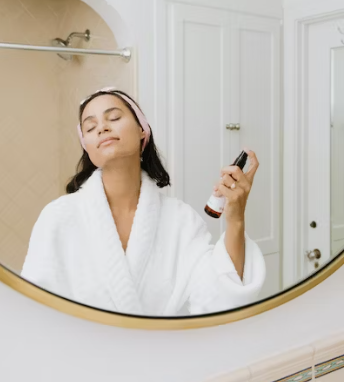
Serums are concentrated formulations designed to address specific skincare concerns. Whether it’s hydration, brightening, or addressing fine lines, serums deliver potent ingredients directly to the skin. Apply them after toning for maximum absorption.
Moisturizing: Locking in Hydration
Apply a nourishing moisturizer to lock in hydration. Night creams are usually richer and thicker, providing your skin with the essential moisture it needs to repair itself overnight.
Eye Cream: Delicate Care
The skin around your eyes is delicate and prone to fine lines. An eye cream enriched with peptides and antioxidants can help diminish puffiness and dark circles.
Lip Care: Keeping Lips Soft
Don’t forget your lips! Apply a lip balm or treatment to keep your lips soft and moisturized throughout the night.
Choosing the Right Products
Selecting the right products for your nighttime skincare routine is crucial. Consider your skin type and any specific concerns you have. Ingredients like hyaluronic acid, retinol, and vitamin C can provide various benefits, so tailor your routine accordingly.
Benefits of Nighttime Skincare
One of the significant advantages of a nighttime skincare routine is that your skin is more receptive to products. As you sleep, your body focuses on repairing and rejuvenating, allowing skincare ingredients to penetrate deeper for optimal results.
Common Mistakes to Avoid
While a good skincare routine can work wonders, overdoing it can lead to adverse effects. Avoid excessive exfoliation, as it can irritate the skin. Equally important is not to skip your nighttime routine, as consistency is key to seeing improvements.
Beauty Sleep and Skin Health
Quality sleep is essential for overall well-being, and its impact on your skin is profound. Poor sleep can lead to increased signs of aging, dark circles, and a dull complexion. To enhance your sleep quality, establish a regular sleep schedule and create a calming bedtime routine.
Incorporating Relaxation Techniques
Stress can take a toll on your skin’s health. Incorporate relaxation techniques into your evening routine, such as meditation or deep breathing exercises. These practices can help reduce stress and promote a sense of tranquility before sleep.
Addressing Aging Concerns
If anti-aging is a primary concern, consider adding products with retinol or peptides to your routine. These ingredients stimulate collagen production, helping to maintain your skin’s youthful appearance.
Hydration from Within
Remember that skincare isn’t only about external care. Drinking plenty of water and maintaining a balanced diet rich in antioxidants can contribute to your skin’s radiance from within.
Personalized Skincare Approaches
While general advice is helpful, everyone’s skin is unique. If you have specific concerns or conditions, consult a dermatologist for personalized guidance. Additionally, adapt your skincare routine based on seasonal changes to provide your skin with the care it needs.
Conclusion
A nighttime skincare ritual isn’t just a trend; it’s a science-backed approach to achieving healthy, glowing skin. By dedicating a few minutes each night to this self-care routine, you’re investing in the long-term health and appearance of your skin. So, embrace the power of beauty sleep and wake up to a refreshed, rejuvenated you.
FAQs (Frequently Asked Questions)
Can I use the same products for my morning and nighttime routines?While some products can be used in both routines, it’s essential to consider the specific needs of each routine. Nighttime products tend to be richer and more focused on repair and rejuvenation.
Is it necessary to use an eye cream at night if I already use one in the morning?Yes, using an eye cream at night is beneficial because it provides extra hydration and nourishment during the skin’s rejuvenation phase.
Can I skip the toning step if I’m short on time?Toning is essential as it restores your skin’s pH balance and preps it for better product absorption. If time is an issue, opt for a multitasking toner.
How long should I wait between applying different skincare products?It’s recommended to wait around 30 seconds to a minute between applying different products. This allows each product to absorb properly into the skin.
Are natural ingredients better for nighttime skincare?Natural ingredients can be beneficial, but what matters most is choosing products that are well-suited to your skin type and concerns, regardless of whether they’re natural or synthetic.
Remember, your nighttime skincare routine is a form of self-care. Embrace it, enjoy it, and let it become a soothing part of your daily life. Your skin will thank you with a radiant and healthy glow.