Category: Beauty

  • Everyday Elegance: Simple Beauty Habits That Help You Look Polished in Minutes

    Everyday Elegance: Simple Beauty Habits That Help You Look Polished in Minutes

    Looking polished does not require a long beauty routine, an overflowing makeup bag, or a perfectly planned wardrobe. Everyday elegance often comes from a handful of simple habits that make your appearance feel intentional while still allowing you to move through the morning without rushing.

    The most useful beauty habits are easy to repeat, adaptable to different schedules, and comfortable enough for real life. By focusing on fresh skin, neat details, flattering color, and a few reliable finishing touches, you can create a polished everyday look in just a few minutes.

    Build a Five-Minute Skincare Foundation

    Makeup tends to look more polished when the skin underneath feels comfortable. Your morning skincare routine does not need several layers. A gentle cleanse or lukewarm-water rinse, moisturizer, and broad-spectrum sunscreen can provide a dependable foundation.

    Choose a moisturizer that suits your skin type and absorbs comfortably without leaving makeup difficult to apply. If your sunscreen provides enough moisture, it may be able to replace a separate daytime cream. Let the final skincare step settle briefly before applying complexion products.

    Pay attention to areas that can make the face look less refreshed, including dry lips and flaky patches around the nose. A small amount of lip balm and moisturizer pressed onto dry areas can make a noticeable difference without adding much time.

    Persistent dryness, irritation, or other skin concerns may need advice from a qualified dermatologist rather than additional cosmetic products.

    Create an Even Base Without Covering Everything

    A polished complexion does not have to be completely flawless. Heavy coverage can require more blending, setting, and maintenance throughout the day. Instead, use a light foundation, skin tint, or concealer only where you want more evenness.

    Begin around the center of the face, where redness and uneven tone are often more noticeable, then blend outward. This keeps the edges light and natural. A damp sponge, compact foundation brush, or clean fingertips can all work, depending on the formula.

    Apply concealer sparingly beneath the eyes, around the nose, or over individual marks. Place a small amount first and build only when needed. Blending the edges carefully usually looks more natural than covering a large area.

    If shine tends to appear during the day, press a little translucent powder onto the forehead, sides of the nose, and chin. Leave the cheeks less powdered so the skin retains some natural dimension.

    Use Multipurpose Color to Look Polished in Minutes

    A touch of color can make the face appear more awake, even when you skip foundation. Cream blush is especially useful because it blends quickly and can create a fresh finish with minimal effort.

    Apply a small amount to the apples of the cheeks, then blend upward toward the temples. Rose, peach, muted berry, and warm pink are versatile options, but the best color is one that resembles your natural flush.

    Some cream products can also be tapped lightly onto the lips for a coordinated look. Only use products specifically approved for both cheeks and lips, since not every formula is designed for multiple areas.

    For subtle definition, sweep a little bronzer around the temples and beneath the cheekbones. Keep the application soft rather than creating sharp contour lines. The goal is to bring warmth and balance back to the face.

    Define Brows and Lashes With a Light Hand

    Brows frame the face and can make a simple look feel finished. Brush them upward and outward with a spoolie, then fill only obvious gaps with a pencil, powder, or tinted brow gel. Short, light strokes usually look more natural than drawing one solid line.

    If your brows already have a full shape, clear gel may be all you need. Concentrate on keeping the hairs neat rather than making both brows perfectly identical.

    Mascara can add definition quickly, especially when applied near the roots of the upper lashes. One careful coat may be enough for daytime. If mascara tends to smudge, consider a tubing or water-resistant formula, depending on your preferences and removal routine.

    For an even faster option, curl the lashes and skip mascara. The lift can help the eyes look more open without adding another product to remove at night.

    Choose One Reliable Lip Combination

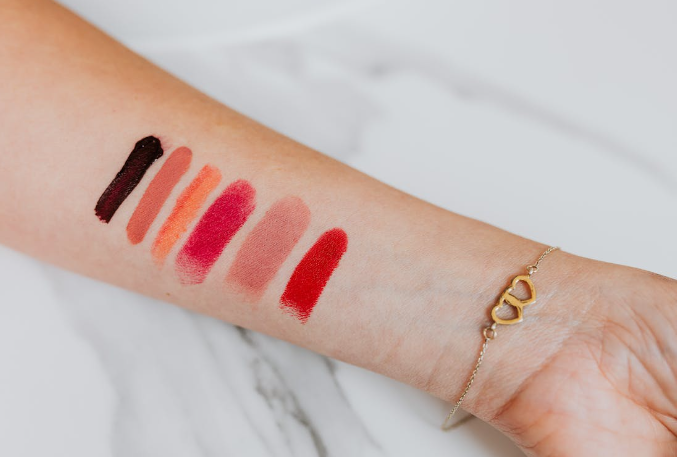
    A dependable lip product can bring the entire face together. Keep one or two shades that work with most of your wardrobe in an easily accessible place. Rosy nude, soft berry, muted coral, and tinted balm are practical everyday choices.

    If you want more definition, use a lip pencil close to your natural lip color. Trace the outline lightly, then soften it inward with a fingertip before adding balm, lipstick, or gloss. This creates shape without a severe border.

    Comfort matters as much as color. A lipstick that requires constant checking may not be the most useful choice for a busy day. Tinted balms, sheer lipsticks, and soft stains are often easier to reapply without a mirror.

    Keeping your preferred lip product in your handbag or near the door removes one decision from the morning routine.

    Keep Hair Neat With a Few Dependable Styles

    Hair does not need to be freshly styled every morning to look intentional. Learning two or three reliable hairstyles can make busy days much easier. A low ponytail, smooth bun, half-up style, or simple clip can work across casual and professional settings.

    Choose accessories that hold the hair securely without constant adjustment. Neutral hair ties, understated clips, and pins close to your hair color can blend into the style, while a polished barrette can serve as a subtle decorative detail.

    For loose hair, concentrate on the areas around the face. Smooth flyaways with a small amount of lightweight styling cream or serum, taking care not to overload the roots. Refreshing the front sections can make the entire hairstyle appear more deliberate.

    Regular trims and gentle haircare can also make simple styles easier to manage, but an everyday polished look does not require perfectly smooth or heat-styled hair.

    Pay Attention to Small Grooming Details

    Everyday elegance often comes from details rather than dramatic beauty techniques. Neatly shaped nails, moisturized hands, tidy brows, and cared-for lips can make a simple outfit feel more complete.

    Your nails do not need polish, but keeping them filed to a consistent length creates a clean appearance. If you enjoy color, sheer pink, soft beige, muted red, and clear polish are versatile options that tend to work with many outfits.

    Fragrance can provide a final personal touch, but use it lightly and consider the setting. One or two sprays may be sufficient, particularly in offices, shared transportation, or enclosed spaces where others may be sensitive to scent.

    Before leaving, take a brief look for easily corrected details such as makeup that needs blending, lipstick on the teeth, or visible powder around the hairline. This quick check is more useful than adding another full step.

    Create a Small Everyday Beauty Kit

    A compact collection of reliable products makes it easier to look polished without searching through a crowded drawer. Keep your daily essentials together in a small tray or makeup bag so they are ready when time is limited.

    A practical everyday kit might include:

    • Moisturizer or moisturizing sunscreen
    • Concealer or a lightweight complexion product
    • Cream blush
    • Brow gel or pencil
    • Mascara
    • Lip balm or a wearable lip color
    • A small comb, hair tie, or clip

    You do not need every item on every day. The purpose of the kit is to reduce decisions and keep the products you use most within reach.

    Review the contents occasionally. Remove expired products, clean applicators, and replace items that no longer suit your skin, coloring, or routine. A smaller collection of dependable essentials is often more efficient than having many similar options.

    Prepare a Few Details the Night Before

    A polished morning can begin the evening before. Set out clothing, check that it is clean and comfortable, and place accessories nearby. This gives you time to notice a missing button, wrinkled fabric, or shoes that need attention.

    You can also prepare beauty essentials by washing reusable tools, locating your preferred hair accessory, and placing your everyday products together. These small actions prevent avoidable delays.

    Try to protect enough time for sleep when possible. Beauty products can add color and definition, but rest has a broader effect on how you feel and carry yourself. A realistic evening routine is often more valuable than an ambitious morning one.

    Final Thoughts

    Everyday elegance comes from repetition rather than perfection. Comfortable skincare, light complexion coverage, flattering cheek color, defined brows, a wearable lip, and neat hair can help you look polished in minutes.

    Choose habits that fit your real schedule and keep your favorite products easy to reach. When your routine is simple enough to repeat, looking put together becomes less of a special effort and more of a natural part of the day.

    FAQs

    What is the fastest way to look more polished?

    Brush and shape your brows, add cream blush, apply a comfortable lip color, and tidy the hair around your face. These steps can create visible definition in only a few minutes.

    Do I need foundation for a polished everyday look?

    No. You can use concealer only where needed or skip complexion coverage entirely. Comfortable skin, blended color, and neat details can still create a finished appearance.

    Which makeup product makes the biggest difference when time is limited?

    Cream blush is especially useful because it adds freshness quickly. Brow gel, mascara, or lip color may have more impact depending on your features and preferences.

    How can I make my routine faster in the morning?

    Keep daily products together, use multipurpose formulas when appropriate, prepare clothing the night before, and limit your routine to products you use consistently.

    How can I look polished without appearing overdressed?

    Use light coverage, softly blended color, neat hair, and understated accessories. Focus on clean details and comfortable textures instead of dramatic makeup or elaborate styling.

    What should I keep in an everyday touch-up bag?

    A lip product, blotting papers or pressed powder, a small comb, hair tie, tissues, and concealer are usually enough. Adjust the contents according to your routine. RECOMMENDED WORDPRESS TAG: Everyday Beauty Routine

  • How to Create a Self-Care Sunday Routine That Feels Restful, Not Complicated

    How to Create a Self-Care Sunday Routine That Feels Restful, Not Complicated

    A self-care Sunday routine should help you feel calmer and more prepared for the week ahead, not leave you with another demanding checklist. The most restorative version is usually simple: a few comforting habits, enough unstructured time, and practical preparation that makes Monday feel a little easier.

    Instead of trying to fit an entire wellness program into one day, choose activities that match your energy, schedule, and actual needs. Your routine can take an hour or unfold gently across the day. What matters is that it feels supportive rather than performative.

    Decide What Rest Actually Means to You

    Rest looks different depending on what has made the previous week tiring. If you have spent several days sitting at a desk, a walk or gentle stretching may feel more restorative than staying on the sofa. If your schedule has been socially demanding, quiet time at home may be exactly what you need.

    Before planning your Sunday, ask yourself one simple question: what would help me feel more like myself today? Your answer might be sleep, movement, nourishing food, an organized room, time away from your phone, or an uninterrupted hour with a book.

    Avoid choosing activities because they look like self-care online. A complicated skincare ritual, perfectly arranged breakfast, or full home reset is not restful if it creates pressure. Build the day around how you want to feel, not how the routine might appear to someone else.

    Start Your Self-Care Sunday Routine Slowly

    If possible, begin the morning without immediately checking email, news, or social media. Even a short pause before looking at a screen can make the day feel less reactive. Open the curtains, drink some water, and give yourself a few minutes to wake up properly.

    You do not need an elaborate morning ritual. Choose one or two gentle activities that help you transition into the day:

    • Make a familiar breakfast or warm drink.
    • Step outside for fresh air or take a short walk.
    • Listen to music while opening the windows.
    • Write down a few thoughts without turning them into goals.
    • Read for ten minutes before checking your phone.

    Keeping the morning flexible makes it easier to follow the routine consistently. If you sleep later than expected, skip a step without treating the day as ruined.

    Create a Simple Beauty and Skincare Ritual

    A relaxed beauty routine can be a pleasant part of Sunday, but it does not need to involve every product you own. Begin with the basics your skin already tolerates: gentle cleansing, moisturizer, and daytime sunscreen when appropriate.

    If you want an extra step, choose only one. This might be a hydrating mask, a warm shower, body lotion, a scalp massage, or time spent shaping and caring for your nails. Select the treatment based on what would feel comfortable rather than what seems most impressive.

    Avoid combining several exfoliants, retinoids, peels, and strong treatments in one session. More products do not necessarily produce better results, and excessive layering can cause dryness or irritation. Persistent or painful skin concerns are best discussed with a qualified dermatologist.

    You can also use Sunday to make weekday beauty routines easier. Wash your makeup brushes, clean your hair tools, organize the products you use most often, or place your morning essentials somewhere convenient. Choose one manageable task instead of reorganizing your entire bathroom.

    Reset One Small Part of Your Space

    A tidy environment can feel calming, but turning Sunday into a full cleaning day may defeat the purpose. Focus on one area that will have the greatest effect on your week.

    You might change the bed linens, clear the bedside table, organize the bathroom counter, or put away clothes that have collected on a chair. Set a short timer if you tend to keep going once you start. Fifteen or twenty minutes can be enough to make a room feel more settled.

    Think of this as creating comfort rather than completing chores. Fresh towels, a clear desk, or an uncluttered nightstand can make daily routines feel smoother without requiring hours of work.

    Choose Food That Feels Nourishing and Easy

    Self-care does not require preparing an elaborate meal plan. Aim for food that is satisfying, realistic, and easy to enjoy. A simple soup, grain bowl, pasta dish, roasted vegetables, or favorite family recipe can feel comforting without creating a crowded kitchen.

    If preparing something for the week would reduce stress, keep it limited. Wash fruit, cook one versatile ingredient, portion a few snacks, or make enough dinner for Monday’s lunch. You do not need to prepare every meal in advance.

    Remember to drink water throughout the day, especially if busy weekends tend to disrupt your usual routine. Tea, sparkling water, or water with fruit can add variety if plain water feels unappealing.

    Make Room for Enjoyment Without Productivity

    One of the most valuable parts of a self-care Sunday routine is time that does not need to accomplish anything. Hobbies and quiet pleasures deserve space even when they do not improve a skill, create content, or complete a goal.

    Choose something that holds your attention without demanding too much from you. Read a novel, watch a familiar film, work on a puzzle, listen to an album, bake something simple, arrange flowers, or sit outside with a drink.

    Try to resist filling every quiet moment with your phone. You do not have to disconnect for the entire day, but creating one screen-free period can help the afternoon feel longer and less fragmented. Place your phone in another room or turn off nonessential notifications for an hour.

    Prepare for Monday Without Letting It Take Over

    A small amount of preparation can reduce Sunday-night worry, but work should not consume the day. Set aside a defined period, such as twenty or thirty minutes, to look at the week ahead.

    Review important appointments, choose a few realistic priorities, and make sure you have what you need for Monday morning. You might prepare an outfit, pack a bag, charge essential devices, or write a short grocery list.

    Avoid creating an overwhelming weekly plan. Identify what truly needs attention and leave space for changes. A schedule that is filled completely before the week begins can make you feel behind before Monday even arrives.

    When the preparation period ends, close your planner or computer. A clear stopping point helps protect the restful part of the evening.

    Build a Calmer Sunday Evening

    The final hours of Sunday can shape how the entire day feels. Choose a few signals that tell your mind the weekend is winding down. Dim the lights, change into comfortable clothes, make a warm drink, or take a shower earlier than usual.

    If racing thoughts tend to appear at bedtime, write down anything you are worried about forgetting. A short list can move those thoughts out of your head without requiring you to solve every problem immediately.

    Prepare your sleeping space so it feels comfortable. Adjust the temperature, put away obvious clutter, and reduce bright screen use when possible. You do not need a perfect evening routine; repeating the same two or three calming actions can be enough.

    Keep the Routine Flexible and Sustainable

    Your Sunday routine should change when your needs change. Some weeks may include a long bath, meal preparation, and an afternoon walk. Other weeks may involve ordering dinner, washing your face, and going to bed early.

    Create a minimum version for low-energy Sundays. It might include drinking water, taking a shower, changing the bed linens, checking Monday’s schedule, and applying moisturizer. Anything beyond that is optional.

    This approach prevents self-care from becoming another standard you feel you have failed to meet. Consistency does not require doing the same routine perfectly every week. It means returning to a few supportive habits when they are useful.

    Final Thoughts

    A restful self-care Sunday routine is built around simplicity, flexibility, and genuine comfort. Choose a slow start, one beauty ritual, one small home reset, an enjoyable activity, and a short period of preparation for Monday.

    Leave plenty of room between those steps. The purpose is not to complete the most impressive routine; it is to finish Sunday feeling cared for, reasonably prepared, and able to enter the new week without unnecessary pressure.

    FAQs

    How long should a self-care Sunday routine take?

    It can take as little as an hour or extend throughout the day. Choose a length that fits your schedule without requiring you to cancel necessary plans or rush through the activities.

    What can I do for self-care when I have very little energy?

    Focus on basic comfort: drink water, eat something nourishing, take a warm shower, apply moisturizer, prepare one item for Monday, and rest without adding extra tasks.

    Does cleaning count as Sunday self-care?

    It can, especially when a cleaner space helps you relax. Keep the task limited to one useful area so cleaning does not take over the entire day.

    How can I stop worrying about Monday on Sunday night?

    Spend a short, defined period reviewing your schedule and writing down essential tasks. Prepare what you need for the morning, then intentionally stop planning and move into a calming activity.

    Do I need to follow the same routine every Sunday?

    No. Adjust the routine according to your energy, responsibilities, and mood. Keeping a simple minimum version can provide consistency without making the day rigid.

    What is the most important part of a self-care Sunday?

    The most important part is choosing something that responds to your actual needs. Rest, movement, organization, connection, and quiet time can all be forms of self-care depending on the week.

  • How to Build a Dermalogica Skincare Routine for Your Skin Type

    How to Build a Dermalogica Skincare Routine for Your Skin Type

    Building a skincare routine can feel more complicated than it needs to be, especially when a brand offers cleansers, exfoliants, serums, moisturizers, and targeted treatments for several different concerns. A well-planned Dermalogica skincare routine does not require every available step. The most practical approach is to begin with a gentle cleanser, an appropriate moisturizer, and daily sunscreen, then add targeted products only when your skin needs them.

    Your skin type helps guide texture and product selection, while your current concerns determine which optional treatments deserve a place in your routine. By keeping those two factors separate, you can create a regimen that feels comfortable, manageable, and easier to follow consistently.

    Disclosure: This article may contain affiliate links. Glamour Glow Hub may earn a commission at no extra cost to you if you make a purchase through these links.

    Understand Your Skin Before Choosing Products

    Before filling your bathroom shelf, pay attention to how your skin behaves on an ordinary day. Skin type generally describes its natural tendency toward dryness, oiliness, or a combination of both. A skin concern, such as dullness, dehydration, uneven-looking tone, sensitivity, or visible fine lines, may occur alongside any skin type.

    For example, oily skin can still feel dehydrated, and dry skin can occasionally experience clogged pores. Choosing every product around a single concern may therefore create an unbalanced routine.

    These general signs can help you identify a starting point:

    • Dry skin: Often feels tight and may look rough or flaky, particularly after cleansing.
    • Oily skin: Develops noticeable shine and may be more prone to congestion.
    • Combination skin: Tends to be oilier through the forehead, nose, and chin while feeling normal or dry elsewhere.
    • Sensitive skin: May react easily to fragrance, strong active ingredients, weather changes, or excessive exfoliation.
    • Balanced skin: Usually feels comfortable without persistent tightness or excess oil.

    Your skin can also change with the season, environment, age, and daily habits. Treat your routine as something adjustable rather than a permanent set of rules. Persistent irritation, painful breakouts, or other ongoing concerns are good reasons to consult a qualified dermatologist.

    The Essential Dermalogica Skincare Routine

    A basic routine has a simple purpose: cleanse the skin, maintain comfortable hydration, and protect it during the day. Once those essentials are working well, you can consider exfoliants or serums for more specific goals.

    Morning routine

    1. Cleanse: Use a small amount of cleanser with lukewarm water. If your skin is very dry or sensitive, a light morning cleanse may be sufficient.
    2. Treat: Apply one optional serum chosen for a specific concern, such as dehydration or dull-looking skin.
    3. Moisturize: Select a texture that leaves your skin comfortable rather than greasy or tight.
    4. Protect: Finish with a broad-spectrum sunscreen and apply it evenly to the face, neck, and other exposed areas.

    Evening routine

    1. Remove makeup and sunscreen: An oil-based precleanser can help dissolve long-wearing products and surface debris.
    2. Cleanse again: Follow with a facial cleanser suited to your skin type.
    3. Use targeted care: Apply a compatible serum or treatment, avoiding too many active formulas in one session.
    4. Moisturize: Complete the routine with a comfortable moisturizer that supports overnight hydration.

    Double cleansing can be helpful after wearing makeup, water-resistant sunscreen, or heavier products, but it is not compulsory for everyone every night. If your skin feels tight afterward, reconsider the cleansers, water temperature, and amount of product you are using.

    Choose Cleansing and Exfoliation Based on Comfort

    A cleanser should remove daily buildup without leaving the face squeaky, stiff, or uncomfortable. Dermalogica offers several cleanser formats, so texture matters as much as the concern listed on the label.

    A lightweight foaming gel may appeal to combination or oily skin, while a creamy or conditioning formula can feel more comfortable on dry skin. Sensitive skin generally benefits from a simple, gentle approach with minimal rubbing. Whichever format you choose, massage it over damp skin without aggressive scrubbing and rinse thoroughly with lukewarm water.

    Exfoliation is an optional step, not a test of how much intensity your skin can tolerate. Powder exfoliants, hydroxy-acid formulas, and other resurfacing products can help improve the appearance of dull or uneven texture, but using several at once may lead to dryness or irritation.

    If you are new to exfoliation, begin less frequently than the maximum suggested use and watch how your skin responds. Avoid applying an exfoliant to sunburned, irritated, recently waxed, or otherwise compromised skin. Daily sunscreen is especially important when exfoliating products are part of your routine.

    You can review the available Dermalogica skincare products and routine options while comparing formulas for your skin type and current concerns.

    Match Moisturizer Texture to Your Skin Type

    The right moisturizer should make your skin feel comfortable without creating unwanted heaviness. A higher price or richer texture does not automatically make a formula more suitable.

    For oily skin, a lightweight lotion, gel cream, or fluid moisturizer may provide sufficient hydration without feeling occlusive. Combination skin may also prefer a lighter layer across the entire face, with a little extra product applied only to drier areas.

    Dry skin often benefits from a creamier moisturizer, particularly in air-conditioned rooms or colder weather. Applying it while the skin is still slightly damp can help reduce the dry feeling that sometimes develops after cleansing.

    Sensitive skin needs a calm, measured routine. Introduce one new formula at a time and avoid assuming that tingling means a product is working. Burning, persistent redness, itching, or swelling are signs to stop using the product and seek appropriate advice if the reaction continues.

    When visible fine lines or loss of firmness are your main concerns, you may prefer a moisturizer designed to leave skin feeling plumper and more nourished. Keep expectations realistic: topical skincare can support hydration and improve the appearance of the skin, but it cannot guarantee structural changes or identical results for everyone.

    Add Targeted Products Without Overloading Your Skin

    Serums and concentrated treatments are most useful when each one has a clear job. Choose one main concern and build around it rather than layering several active ingredients because they are popular.

    • For dehydration: Look for a hydrating serum or mist, followed by moisturizer to help maintain comfort.
    • For dull-looking skin: Consider a brightening or gently exfoliating product, introduced gradually.
    • For uneven-looking tone: Pair a targeted serum with consistent daytime sun protection.
    • For visible signs of aging: Focus on hydration, antioxidant care, an appropriate treatment, and daily sunscreen.
    • For occasional congestion: A clarifying product may help, but excessive cleansing and exfoliation can make the skin feel more irritated.

    Apply products from lighter to richer textures unless the individual directions say otherwise. A watery serum usually goes before a cream, while sunscreen remains the final morning skincare step.

    Patch testing is sensible when introducing a new active formula. Apply it to a small area and monitor your skin before using it across the face. Add only one new product at a time, allowing yourself enough time to notice whether it improves your routine or simply adds complexity.

    Common Routine Mistakes to Avoid

    One of the most common mistakes is changing several products simultaneously. If your skin becomes dry, congested, or irritated, it is then difficult to identify the cause. A slow introduction gives you more useful information.

    Using too much product is another frequent issue. More cleanser does not necessarily clean better, and a thick layer of serum may pill beneath moisturizer or makeup. Start with a modest amount and add more only when the product instructions or coverage require it.

    Other habits worth avoiding include:

    • Washing with very hot water
    • Scrubbing the skin to remove texture
    • Combining multiple exfoliants in the same routine
    • Skipping moisturizer because the skin is oily
    • Applying facial products too close to the eyes unless they are intended for that area
    • Using sunscreen inconsistently
    • Continuing with a product despite persistent irritation

    Consistency usually matters more than having a long routine. Three suitable products used regularly can be more practical than ten formulas that you apply unpredictably.

    Final Thoughts

    A successful Dermalogica skincare routine should suit your skin, schedule, and comfort level. Begin with cleansing, moisturizing, and daytime protection, then introduce one targeted product when you can clearly explain what you want it to do.

    Pay attention to texture, frequency, and how your skin feels after each step. Your routine does not need to be elaborate to feel polished and intentional. The most useful version is one you can follow consistently and adjust when your skin’s needs change.

    Frequently Asked Questions

    How many Dermalogica products do I need for a basic routine?

    A cleanser, moisturizer, and broad-spectrum sunscreen are enough to establish a basic routine. You can add a serum, exfoliant, or precleanser later if it addresses a specific need.

    Should I use Dermalogica products in the morning and at night?

    Cleansing and moisturizing can be appropriate in both routines, depending on your skin. Sunscreen belongs in the morning, while makeup removal and richer moisturizing products are commonly used at night.

    Can I mix Dermalogica with products from other brands?

    Yes. Products do not need to come from one brand, but their ingredients and functions should be compatible. Avoid combining too many exfoliating or potentially irritating formulas at once.

    How do I know if I am over-exfoliating?

    Persistent tightness, stinging, unusual redness, flaking, or increased sensitivity may indicate that your routine is too aggressive. Pause exfoliation and simplify your routine until the skin feels comfortable.

    Is double cleansing necessary every evening?

    Not always. It can be useful after makeup, water-resistant sunscreen, or heavier products. A single thorough cleanse may be enough on lighter-product days or for skin that becomes dry easily.

    How quickly should I add new products?

    Introduce one product at a time rather than starting an entirely new routine in one day. This makes it easier to observe comfort, compatibility, and any unwanted reaction.

  • How to Support Firmer, More Resilient-Looking Skin with Dermalogica

    How to Support Firmer, More Resilient-Looking Skin with Dermalogica

    Firmer, more resilient-looking skin is not created by one dramatic step. It is usually supported by a consistent routine that keeps the skin hydrated, protects its barrier, limits unnecessary irritation, and includes targeted formulas chosen for visible signs of aging. Dermalogica products for firmer-looking skin can fit into that approach, but they work best when the rest of the routine remains balanced.

    Start with gentle cleansing, add one focused serum or moisturizer, and use broad-spectrum sunscreen every morning. This combination is more practical than layering several intensive products at once, especially if your skin is dry, sensitive, or new to active skincare.

    Disclosure: This article may contain affiliate links. Glamour Glow Hub may earn a commission at no extra cost to you if you make a purchase through these links.

    What Firmer, More Resilient-Looking Skin Really Means

    Firmness, elasticity, hydration, and skin-barrier strength are related, but they are not interchangeable. Skin may look smoother and more supple when it is well hydrated, yet hydration alone does not permanently alter its underlying structure.

    Resilient-looking skin generally appears comfortable, flexible, and less visibly affected by temporary dryness. A healthy skin barrier helps hold on to moisture and protects the skin from everyday external stressors. When that barrier becomes disrupted, the face may feel tight, look rough, or react more easily to products that previously felt comfortable.

    Visible changes in firmness can also be influenced by natural aging, sun exposure, dehydration, sleep habits, and environmental conditions. Skincare may help improve the appearance of fine lines, dryness, and uneven texture, but it should not be expected to produce the same results as a medical or professional procedure.

    A sensible firming routine therefore focuses on several supportive goals:

    • Maintaining consistent hydration
    • Supporting the moisture barrier
    • Protecting the skin from daily sun exposure
    • Using targeted ingredients without causing excessive irritation
    • Keeping the routine consistent enough to evaluate

    Build the Routine Around Hydration and Barrier Support

    Dehydrated skin can make fine lines and rough texture appear more noticeable. It can happen to dry, oily, combination, and mature skin, so it is better understood as a temporary condition rather than a fixed skin type.

    Humectant ingredients attract water to the skin, while emollient and barrier-supporting ingredients help the surface feel softer and reduce moisture loss. A balanced moisturizer often combines more than one of these functions.

    Dermalogica Pro-Collagen Banking Water Cream is positioned as a lightweight moisturizer for hydration, visible plumping, and barrier support. Its water-cream texture may appeal to someone who wants more moisture without the dense finish of a traditional rich cream. Dermalogica lists it for dehydrated, normal, combination, and mature skin, although individual comfort can vary.

    Apply moisturizer after cleansing and any lightweight serum. If the product directions permit, using it while the skin is still slightly damp may help create a more comfortable hydrated finish. Avoid leaving the face dripping wet, since that can dilute products and make even application more difficult.

    Very dry skin may need a richer formula, particularly at night or during cold weather. Oily or breakout-prone skin may prefer a smaller amount and should patch test if a new moisturizer feels heavier than usual.

    Dermalogica Products for Firmer-Looking Skin

    When comparing Dermalogica products for firmer-looking skin, decide whether you primarily need hydration, a targeted serum, or both. Two products with similar marketing language may serve different roles in a routine.

    Pro-Collagen Banking Water Cream

    Pro-Collagen Banking Water Cream is a moisturizer rather than a concentrated serum. Dermalogica describes the formula as using a peptide complex, humectants, jojoba ester, red algae, white clover, marine spring water, and biofermented radish root extract. Its intended role is to hydrate, support the skin barrier, and promote a visibly plumper, smoother appearance.

    Use one or two pumps according to the brand’s directions, once or twice daily. It goes after serum and before sunscreen in the morning. At night, it can serve as the final moisturizing step unless your skin needs an additional richer layer.

    Dynamic Skin Strengthening Serum

    Dynamic Skin Strengthening Serum is a lightweight, milky treatment designed to be applied after cleansing and toning but before moisturizer. Dermalogica describes it as suitable for all skin types, with a focus on visible skin aging and barrier strength.

    The formula includes squalane, antioxidants, botanical extracts, and a biomimetic peptide. This type of serum may suit someone who wants a targeted step that layers beneath moisturizer without a greasy finish.

    You do not necessarily need both products. If your main issue is dehydration and you want to keep the routine short, the water cream may be enough. If you already have a moisturizer you enjoy but want a more focused treatment step, the serum may be the more logical addition.

    You can compare Dermalogica skincare for hydration and visible firmness while considering which product category is missing from your current routine.

    How to Layer a Firming Skincare Routine

    Correct layering helps products spread evenly and reduces the chance of pilling under sunscreen or makeup. In most cases, apply products from lighter to richer textures while following any directions printed on the packaging.

    Morning

    1. Cleanser: Wash gently with lukewarm water, avoiding aggressive rubbing.
    2. Mist or toner: Use this only if it adds hydration or comfort to your routine.
    3. Serum: Apply a thin, even layer and allow it to settle.
    4. Moisturizer: Smooth over the face and neck without pulling the skin.
    5. Sunscreen: Finish with broad-spectrum protection on exposed skin.

    Evening

    1. Remove makeup and sunscreen: Use a precleanser when needed.
    2. Cleanse: Follow with a suitable facial cleanser.
    3. Targeted treatment: Apply your chosen serum or active product.
    4. Moisturize: Seal in hydration with a comfortable cream.

    If you use retinol or exfoliating acids, introduce them gradually. Pro-Collagen Banking Water Cream can be applied after these treatments to support hydration, but a moisturizer cannot prevent every possible reaction. Reduce active-product frequency if you experience persistent tightness, stinging, redness, or flaking.

    Do not add a retinoid, exfoliant, firming serum, and new moisturizer on the same evening for the first time. Introducing products separately makes it much easier to identify what your skin tolerates.

    Make the Routine Suit Your Skin Type

    A firming routine should not ignore your skin type. The same product combination can feel elegant on one person and overly rich or stimulating on another.

    • Dry skin: Use a gentle cleanser and consider layering a hydrating serum beneath moisturizer. A richer nighttime cream may be helpful in dry conditions.
    • Combination skin: Apply a lightweight moisturizer evenly, then add a little more only where the face feels dry.
    • Oily skin: Choose light layers and avoid skipping moisturizer entirely. Dehydration and excess surface oil can occur together.
    • Sensitive skin: Keep the routine minimal, patch test new formulas, and introduce one product at a time.
    • Mature skin: Prioritize hydration, comfort, sunscreen, and a manageable targeted treatment rather than using every anti-aging category together.

    Seasonal adjustment matters too. A water cream may feel sufficient during warm, humid weather but need support from a richer product during winter. In a humid climate, thinner layers may sit better beneath makeup and sunscreen.

    Common Mistakes That Can Work Against Your Goals

    Firming skincare often becomes less effective as a routine when enthusiasm leads to overuse. Irritated skin may appear rough, dry, and less even, which is the opposite of the smooth, resilient appearance most people want.

    Avoid these common mistakes:

    • Using several exfoliating formulas in the same routine
    • Applying more product than the directions recommend
    • Rubbing or pulling the skin during application
    • Skipping sunscreen while focusing only on treatment products
    • Changing the entire routine before evaluating one new addition
    • Expecting moisturizer to replace sleep, sun protection, or professional care
    • Continuing to use a product that causes persistent discomfort

    More expensive or concentrated does not automatically mean more suitable. The better choice is the one that fills a genuine gap in your routine and feels comfortable enough to use consistently.

    Final Thoughts

    Supporting firmer, more resilient-looking skin requires a steady combination of hydration, barrier care, targeted ingredients, and daily sun protection. Dermalogica products for firmer-looking skin can provide useful serum and moisturizer options, but you do not need to purchase an entire collection to build a thoughtful routine.

    Choose one product according to its function, introduce it slowly, and pay attention to how your skin feels as well as how it looks. A comfortable, consistent routine will usually serve you better than an overloaded regimen built around quick results.

    Frequently Asked Questions

    Is Pro-Collagen Banking Water Cream a serum or moisturizer?

    It is a moisturizer. Apply it after toner and serum, then follow with sunscreen during the day.

    Can I use Pro-Collagen Banking Water Cream every day?

    Dermalogica directs users to apply it once or twice daily. Begin once a day if you are introducing several new products or if your skin reacts easily.

    Do I need Pro-Collagen Banking Serum and Water Cream together?

    No. The serum is a concentrated treatment, while the water cream provides moisturizing and barrier support. Choose one or both according to what your routine currently lacks and what fits your budget.

    Can oily skin use a water cream?

    A lightweight water cream may suit some oily or combination skin types. Use a modest amount and patch test first if you are prone to congestion or dislike richer finishes.

    Where does Dynamic Skin Strengthening Serum go in a routine?

    Apply it after cleansing and toning and before moisturizer. It can be used in the morning or evening, according to Dermalogica’s directions.

    What should I do if a firming product irritates my skin?

    Stop using the suspected product and simplify your routine to gentle cleansing, moisturizing, and daytime sunscreen. Consult a qualified dermatologist if irritation is severe or persistent.

  • Spring Beauty Refresh: Small Changes That Make Your Everyday Routine Feel New

    Spring Beauty Refresh: Small Changes That Make Your Everyday Routine Feel New

    A spring beauty refresh does not require replacing every product you own or following an entirely new routine. A few thoughtful changes—switching to lighter textures, updating one makeup color, cleaning your tools, and simplifying products that no longer serve you—can make getting ready feel fresh again.

    Start by noticing what feels heavy, repetitive, or inconvenient in your current routine. Then choose small updates that suit your skin, schedule, and personal style. Spring is a natural time to introduce brighter colors and sheerer finishes, but the goal is not to look completely different. It is to make your everyday routine feel easier, more comfortable, and a little more inspiring.

    Begin Your Spring Beauty Refresh With a Simple Edit

    Before adding anything new, take a close look at the products already occupying your bathroom shelves, makeup bag, and vanity. Beauty routines often become cluttered gradually. A nearly empty moisturizer remains in the cabinet, several similar lip colors collect in a drawer, and products that never quite worked continue taking up space.

    Sort everything into three practical groups: products you use regularly, products you occasionally enjoy, and products you consistently avoid. The last group deserves the most attention. If a formula irritates your skin, a shade never looks right, or the packaging makes the product difficult to use, keeping it will not improve your routine.

    Check each item for changes in smell, texture, color, or performance. Follow any expiration or period-after-opening information on the packaging. Eye products and anything applied with fingers deserve particular care because cleanliness matters around sensitive areas.

    Once you finish editing, arrange your daily essentials where they are easy to reach. Store occasional products separately. A smaller, visible selection can help you use what you own and reduce the feeling that you need to purchase an entirely new collection.

    Adjust Your Skincare Textures for Warmer Days

    Seasonal changes can affect how skincare feels, although not everyone needs a completely different routine. If warmer or more humid weather makes your usual products feel heavy, consider changing the texture rather than removing essential steps.

    A rich cream might be replaced with a lighter lotion or gel cream during the day, while remaining useful at night or on dry areas. If your skin still feels comfortable with a richer formula, there is no reason to stop using it simply because the season has changed.

    Keep the routine focused on its basic functions:

    • A gentle cleanser that removes daily buildup without leaving the skin uncomfortably tight
    • A moisturizer suited to your current skin needs
    • Broad-spectrum sunscreen as the final morning skincare step
    • Any targeted products that your skin already tolerates well

    Spring is not the ideal moment to introduce several active ingredients at once. If you change your cleanser, moisturizer, exfoliant, and serum simultaneously, it may be difficult to identify the cause if irritation develops. Add one product at a time and give your skin a chance to adjust.

    Those experiencing persistent dryness, sensitivity, breakouts, or other ongoing concerns can consider consulting a qualified dermatologist for guidance appropriate to their skin.

    Give Your Everyday Makeup a Lighter Finish

    A lighter spring makeup look is less about using fewer products and more about applying them selectively. Instead of covering the entire face with the same amount of base, place coverage only where you want it. A sheer skin tint, light foundation, or carefully blended concealer can create a polished effect while allowing natural skin texture to remain visible.

    If you prefer fuller coverage, you do not need to abandon it. Try applying a thinner first layer and adding more only to areas that need it. Working gradually can prevent makeup from feeling heavy as temperatures rise.

    Powder can also be used strategically. Concentrate it around areas that become shiny or where makeup tends to move, such as the center of the forehead, sides of the nose, and chin. Leaving the outer parts of the face less powdered can preserve a softer finish.

    A common mistake is trying to create freshness by layering multiple luminous products. Dewy primer, radiant foundation, liquid highlighter, and face mist can become excessive when combined. Choose one or two sources of glow and keep the rest of the complexion balanced.

    Introduce One Fresh Color at a Time

    Color is one of the easiest ways to make familiar makeup feel new. You do not need a large seasonal palette; one well-chosen shade can change the mood of your entire look.

    Try replacing a muted winter blush with a soft peach, warm rose, fresh pink, or berry tone applied with a light hand. Cream and liquid blushes can create a diffused effect, while powder blush remains a practical choice for anyone who prefers greater control or a more matte finish.

    Lip color offers another simple update. A tinted balm, sheer lipstick, or comfortable gloss can bring warmth to an otherwise neutral face. If vivid shades feel intimidating, apply your usual lipstick lightly and blend it with a fingertip for a softer stain.

    For the eyes, consider a subtle wash of color rather than a complicated design. Soft bronze, pale gold, taupe, muted lavender, or rosy brown can add interest while remaining wearable. Brown mascara or eyeliner may create a gentler effect than black, although black remains a classic choice when you prefer more definition.

    Keep the overall look cohesive by choosing one focal point. Fresh blush with a neutral lip feels effortless, while a brighter lip pairs well with simple eyes and softly defined skin.

    Refresh the Details That Frame Your Face

    Small grooming adjustments can have a surprisingly noticeable effect because brows, lashes, and hair frame the face. Begin with your eyebrows. Brush them upward and outward before deciding whether they need additional definition. You may find that a clear or tinted brow gel provides enough structure without a full pencil-and-powder routine.

    If you use brow color, concentrate it on sparse areas rather than redrawing the entire shape. Short, light strokes generally look softer than one continuous line. Avoid choosing a shade that is dramatically darker than your natural brow unless a bold result is intentional.

    For lashes, curling them before mascara can make the eyes appear more open. Never use a traditional lash curler after mascara has dried, as lashes may stick to the tool. Replace mascara if its smell or texture changes, and avoid adding water to revive a dried formula.

    Your hairstyle can also feel refreshed without a dramatic cut. Experiment with a different part, a polished low ponytail, a loose bun, or a simple accessory such as a neutral headband or slim barrette. These changes take little time but can make a familiar outfit feel more considered.

    Clean the Tools That Shape Your Results

    Even excellent products can perform poorly when brushes, sponges, and grooming tools are covered in old makeup or residue. A seasonal reset is a useful reminder to clean the items that support your routine.

    Wash reusable makeup brushes with a suitable gentle cleanser, keeping the base of the bristles from becoming overly saturated. Rinse thoroughly, reshape the brush head, and allow it to dry horizontally or with the bristles angled downward. Standing a wet brush upright can allow moisture to collect near the handle.

    Clean reusable makeup sponges regularly and allow them to dry fully in a ventilated area. Replace them if they remain stained, develop an unusual smell, tear, or no longer return to their original texture.

    Remember the less obvious items, too:

    • Eyelash curlers and removable pads
    • Tweezers and facial grooming tools
    • Hairbrushes and combs
    • Makeup bags and storage trays
    • Reusable powder puffs
    • Frequently handled product packaging

    Do not share eye or lip products, and avoid applying makeup directly over an active eye infection or irritated skin. Keeping tools clean may help make application smoother while supporting a more hygienic routine.

    Build a Five-Minute Routine for Busy Mornings

    A refreshed routine should work on ordinary days, not only when you have plenty of time. Create a shorter version of your beauty routine using a handful of dependable products.

    1. Prepare the skin: Apply your usual morning skincare and sunscreen.
    2. Even selectively: Blend concealer or light base only where desired.
    3. Add color: Use one blush that makes your complexion look more awake.
    4. Define: Brush the brows and apply mascara or a soft liner.
    5. Finish: Add a tinted balm, sheer lipstick, or gloss.

    Place these essentials together so you do not have to search through your entire collection. If one multipurpose product works comfortably for your cheeks and lips, it can make the routine even simpler. However, use products only in the areas indicated by their packaging; not every pigment formulated for the face is intended for the eyes or lips.

    Practice the routine once when you are not in a hurry. You can then adjust the order, remove unnecessary steps, and identify which products require too much blending for rushed mornings.

    Final Thoughts

    A successful spring beauty refresh should make your routine feel more enjoyable without creating pressure to replace everything. Edit what you own, adjust skincare textures only where needed, lighten your makeup application, and introduce color through one intentional detail.

    Clean tools and an organized selection of reliable products can be just as refreshing as something new. Choose changes that suit your real mornings, your comfort level, and the look you naturally enjoy. The most effective update is often the one small enough to become part of everyday life.

    Frequently Asked Questions

    Do I need to change my entire skincare routine for spring?

    No. Keep products that remain comfortable and effective for you. Consider lighter textures only if warmer weather makes your current formulas feel too rich or heavy.

    What is the easiest spring makeup update?

    Changing your blush or lip color is usually the simplest option. Try a sheer peach, rose, pink, or berry shade while keeping the rest of your makeup familiar.

    How can I make foundation look lighter without buying a new one?

    Apply a small amount in a thin layer and add coverage only where needed. Use a damp sponge or lightly loaded brush to blend the edges without overworking the product.

    How often should makeup brushes be cleaned?

    Tools used with liquids, creams, or around the eyes generally need more frequent cleaning than lightly used powder brushes. Clean them whenever visible buildup appears and allow them to dry completely.

    Should I throw away makeup I no longer use?

    Discard products that have expired, changed in smell or texture, or caused irritation. Unopened, hygienic products may be donated only if a local organization accepts them.

    How do I refresh my routine without spending much money?

    Reorganize your daily products, clean your tools, try a different application technique, and create new combinations from colors you already own. A fresh routine does not require a large purchase.

  • How to Care for Dry Winter Skin Without Overloading Your Routine

    How to Care for Dry Winter Skin Without Overloading Your Routine

    Dry winter skin often needs more support, but that does not mean your routine has to become complicated. Cold air, indoor heating, low humidity, and long hot showers can leave skin feeling tight, rough, or uncomfortable. Adding too many new products at once, however, may make it harder to understand what your skin actually needs.

    The most effective winter skincare routine is usually built around a few dependable steps: gentle cleansing, consistent moisturizing, daily sun protection, and careful use of targeted products. By adjusting how you use these essentials, you can care for dry winter skin without overwhelming your schedule or your complexion.

    Understand What Winter Is Doing to Your Skin

    Your skin has a natural protective barrier that helps retain moisture and defend against environmental stress. During winter, dry outdoor air and heated indoor spaces can increase moisture loss. Wind, hot water, and harsh cleansers may add to the problem by removing some of the oils that help keep skin comfortable.

    Common signs of winter dryness include tightness after cleansing, flaky areas, increased sensitivity, rough texture, and makeup that no longer sits smoothly. Some people also notice that products they tolerate during warmer months begin to sting or feel irritating.

    These changes do not necessarily mean you need an entirely new routine. In many cases, small adjustments to product texture, cleansing habits, and application order can make a meaningful difference.

    Keep Your Winter Skincare Routine Simple

    A basic routine for dry winter skin can consist of three morning steps and two or three evening steps. This gives the skin consistent support while reducing the chance of irritation from excessive layering.

    Simple Morning Routine

    1. Rinse with lukewarm water or use a gentle cleanser if needed.
    2. Apply moisturizer while the skin is still slightly damp.
    3. Finish with a broad-spectrum sunscreen.

    Simple Evening Routine

    1. Cleanse gently to remove sunscreen, makeup, and daily buildup.
    2. Apply any essential treatment product you already tolerate.
    3. Seal in moisture with a comfortable cream or lotion.

    This foundation may be enough for many people. Hydrating toners, facial oils, masks, and serums can be useful, but they are optional additions rather than requirements.

    Cleanse Without Stripping Away Comfort

    If your skin feels tight immediately after washing, your cleanser or technique may be too aggressive for the season. Look for a mild cream, lotion, or low-foaming cleanser designed to remove buildup without leaving the face feeling squeaky clean.

    Use lukewarm water instead of very hot water, and keep cleansing brief. Massage the product gently over the skin without scrubbing, then pat the face dry with a soft towel. Leaving the skin slightly damp before applying moisturizer can help make the next step feel more effective.

    You may not need cleanser in the morning, especially if your skin is very dry and you cleansed thoroughly the night before. A lukewarm-water rinse may be sufficient. In the evening, cleansing remains important for removing makeup and sunscreen.

    If one cleanse does not remove heavier makeup, use a gentle cleansing balm or oil first, followed by a mild water-based cleanser. Double cleansing should leave the skin clean and comfortable, not tight or irritated.

    Choose a Moisturizer That Supports Dry Winter Skin

    A lightweight moisturizer that works well in summer may not provide enough comfort during colder weather. Winter is often a good time to consider a richer lotion or cream, particularly at night.

    Useful moisturizer ingredients can include glycerin, hyaluronic acid, ceramides, squalane, shea butter, and petrolatum. These ingredients work in different ways. Some attract water, some help soften the skin, and others create a protective layer that slows moisture loss.

    You do not need a product containing every popular ingredient. Pay more attention to how your skin feels several hours after application. A suitable moisturizer should reduce tightness without creating persistent burning, itching, or congestion.

    Apply Moisturizer at the Right Time

    Moisturizer is often most helpful when applied shortly after cleansing. Gently pat away excess water, then apply your product before the skin becomes completely dry. This helps hold some of that surface moisture in place.

    Use enough product to cover the face and neck comfortably, but avoid assuming that a very thick layer is always better. If your skin still feels dry, applying a second thin layer to flaky areas may be more comfortable than coating the entire face heavily.

    Add Hydration Only Where It Helps

    If moisturizer alone is not enough, a simple hydrating serum can be a useful addition. Look for a fragrance-free formula with ingredients such as glycerin, hyaluronic acid, panthenol, or beta-glucan. Apply it to slightly damp skin and follow promptly with moisturizer.

    Hydrating serums are not complete replacements for moisturizer. Some primarily attract water but do not provide enough oil or protection to slow moisture loss. Without a cream or lotion on top, dry skin may still feel uncomfortable later.

    A facial oil can also be considered, but it serves a different purpose. Oils may soften the skin and reduce moisture loss, yet they do not add water on their own. Try pressing one or two drops over moisturizer on especially dry areas rather than adding a heavy layer across the whole face.

    Introduce only one new product at a time. This makes it easier to notice whether it genuinely improves your routine or causes irritation.

    Use Active Ingredients More Carefully

    Retinoids, exfoliating acids, benzoyl peroxide, and other active ingredients may feel more drying during winter. You do not always need to stop them, but you may need to adjust how frequently you use them.

    Consider reducing application from every night to two or three times a week, depending on the product and your skin’s tolerance. Apply treatments only to dry skin unless the product instructions say otherwise, since damp skin can sometimes increase penetration and irritation.

    The moisturizer sandwich method can make certain treatments feel gentler. Apply a light layer of moisturizer, follow with the treatment, and finish with another thin layer of moisturizer. This approach is commonly used with retinoids, although you should follow any professional instructions you have been given.

    Avoid introducing several strong active ingredients at the same time. If your skin is already flaky, burning, or unusually sensitive, simplifying the routine and allowing the barrier to recover may be more useful than adding another exfoliant.

    Protect Your Skin Beyond the Bathroom Shelf

    Your daily habits can influence winter dryness as much as your products. Long, steaming showers may feel comforting, but hot water can leave both facial and body skin more dehydrated. Choose warm water and apply body lotion shortly after bathing.

    A humidifier may help make a heated bedroom or workspace feel less dry. Clean it according to the manufacturer’s directions to prevent buildup. Wearing gloves and protecting your face from strong wind can also reduce exposure to harsh winter conditions.

    Continue using broad-spectrum sunscreen during winter. Ultraviolet radiation is present throughout the year, even when the weather is cold or cloudy. Apply sunscreen as the final step of your morning skincare routine, and reapply when extended outdoor exposure makes it necessary.

    Remember areas that are easy to overlook, including the lips, hands, neck, and around the nose. A plain lip balm, fragrance-free hand cream, and a small amount of protective ointment on vulnerable areas can provide practical support without adding several full-face products.

    Avoid Common Winter Skincare Mistakes

    One common mistake is responding to flaky skin with frequent exfoliation. Flakes can seem like something that needs to be scrubbed away, but aggressive exfoliation may increase sensitivity and make the underlying dryness worse. If you exfoliate, use a gentle product sparingly and pause if the skin becomes uncomfortable.

    Another mistake is changing the entire routine as soon as temperatures fall. Skin needs time to respond, and replacing several products simultaneously can make it difficult to identify what is helping. Begin by changing the cleanser or moisturizer, then evaluate the result before adding anything else.

    Fragrance, essential oils, and heavily scented products may also become less comfortable when the skin barrier is stressed. If your skin feels sensitive, simpler fragrance-free formulas can be worth considering.

    Finally, do not assume that every rough patch is ordinary dryness. Persistent redness, cracking, bleeding, swelling, severe itching, or a rash may require advice from a qualified dermatologist or healthcare professional.

    Final Thoughts

    Caring for dry winter skin does not require a crowded shelf. Begin with gentle cleansing, a supportive moisturizer, and daily sunscreen. Adjust active ingredients carefully, apply products to slightly damp skin, and add only one targeted product when your basic routine is not providing enough comfort.

    A simple winter skincare routine is easier to follow and easier to evaluate. When every product has a clear purpose, you can give your skin the seasonal support it needs without overloading it.

    FAQs

    Should I wash my face twice a day during winter?

    Not everyone needs cleanser twice daily. If your skin is dry, try rinsing with lukewarm water in the morning and using a gentle cleanser at night. Continue cleansing after heavy sweating or when needed to remove makeup and sunscreen.

    Is cream moisturizer better than lotion for dry winter skin?

    Creams are often richer and may reduce moisture loss more effectively, but the best texture is one that feels comfortable and does not cause irritation or unwanted congestion.

    Can I use hyaluronic acid in cold weather?

    Yes. Apply it to slightly damp skin and follow with moisturizer. Using it alone may not provide enough protection for dry skin because it does not replace the moisturizing layer applied afterward.

    How often should I exfoliate dry skin in winter?

    Some people may tolerate gentle exfoliation once a week, while very dry or sensitive skin may need less. Pause exfoliation if you notice burning, increased redness, or worsening flakes.

    Should I stop using retinol during winter?

    Not necessarily. You may be able to reduce the frequency, apply moisturizer before and after it, or temporarily pause during periods of irritation. Follow professional guidance if retinol is part of a prescribed treatment.

    When should winter dryness be checked by a dermatologist?

    Consult a qualified dermatologist if dryness is persistent, painful, severely itchy, cracked, bleeding, or accompanied by a spreading rash or swelling.

  • Beauty Reset for the New Year: Easy Habits for Looking and Feeling More Put Together

    Beauty Reset for the New Year: Easy Habits for Looking and Feeling More Put Together

    A new year can be a useful moment to reset your beauty routine, but it does not need to involve a dramatic makeover or a cart full of new products. The most meaningful changes are often small habits that make you feel more organized, comfortable, and confident in your everyday life.

    A beauty reset for the new year is less about chasing perfection and more about choosing a few routines that support the way you want to feel. With a little editing, a little consistency, and a little more care for the details, it is possible to look more put together without making your mornings feel longer or more complicated.

    Begin Your Beauty Reset With What You Already Own

    Before buying anything new, take a closer look at what is already in your makeup bag, bathroom cabinet, and jewelry box. You may have products you genuinely enjoy but have forgotten to use, as well as items that no longer suit your routine.

    Start by clearing out products that are empty, dried out, damaged, or no longer feel comfortable to use. Then group the items you want to keep into simple categories such as daily skincare, everyday makeup, special-occasion makeup, hair care, and accessories.

    This small edit makes your routine easier to see. When your most useful products are within reach, you are more likely to use them consistently. A tidy space can also make a regular morning routine feel calmer and more intentional.

    Create a Reliable Everyday Skincare Foundation

    Looking polished often begins with skin that feels comfortable. You do not need an elaborate routine to support that feeling. A gentle cleanser, a moisturizer that suits your skin, and sunscreen for daytime can create a dependable foundation.

    Try to focus on how your skin feels rather than expecting a perfect appearance. If your routine leaves your skin feeling tight, overly dry, or irritated, it may be worth simplifying your products or adjusting how often you use certain treatments.

    For the new year, choose one skincare habit that feels realistic. It may be removing makeup before bed, applying moisturizer consistently, or remembering sunscreen before leaving home. One dependable habit can make a bigger difference than adding several unfamiliar products at once.

    Make Your Morning Routine Easier to Follow

    A rushed morning can make even a simple routine feel difficult. The goal is not to wake up much earlier. It is to remove small obstacles that make getting ready feel stressful.

    Keep your everyday essentials together in one place. Your cleanser, moisturizer, sunscreen, favorite lip product, and go-to earrings do not need to be scattered across different drawers. Creating a small daily-use area can save time and help you feel more prepared.

    You can also choose a short version of your beauty routine for busy days. A quick cleanse or rinse, moisturizer, sunscreen, groomed brows, a little concealer, and a lip color you enjoy may be enough to help you feel refreshed without requiring a full makeup look.

    • Keep one everyday lip product in your bag.
    • Choose a makeup base that feels comfortable for several hours.
    • Set out tomorrow’s jewelry or hair accessory the night before.
    • Use a small tray or pouch for products you reach for most often.

    Choose a Signature Look That Feels Like You

    Feeling put together does not require a completely different style. It can be as simple as identifying the details that make you feel most like yourself.

    Perhaps you feel more confident with soft, natural makeup and a polished hairstyle. Maybe a bold lipstick, small gold hoops, or a favorite fragrance helps you feel ready for an important day. Your signature look should be easy enough to repeat and flexible enough to suit different occasions.

    Think about the colors, textures, and accessories you naturally reach for. Instead of copying every new trend, build on the details that already work for you. This creates a more consistent personal style and makes getting dressed feel less like a daily decision.

    Give Your Makeup Bag a Practical Refresh

    A beauty reset is a good opportunity to make your makeup bag more useful. Keep products that match your current skin tone, routine, and style, then remove items you have not touched in months.

    It can help to build a small collection of dependable basics. A complexion product you like, a concealer, mascara, brow product, blush, and one or two lip colors can create many everyday looks. You do not need every category in multiple shades to feel polished.

    Check the condition of your brushes and sponges as well. Cleaning tools regularly can make makeup application feel smoother and more pleasant. If a brush sheds badly or a sponge has become difficult to clean, replacing it may be more useful than purchasing another makeup product.

    Use Accessories to Finish an Outfit With Less Effort

    Accessories can make simple clothing feel more intentional without requiring a major wardrobe change. A pair of earrings, a delicate necklace, a watch, or a structured bag can add a finished feeling to an otherwise casual look.

    Choose a few pieces that work with many outfits rather than saving all your jewelry for special occasions. Small hoops, simple studs, a pendant necklace, or a slim bracelet can become easy daily choices. Keeping these items in a visible, organized place helps you remember to wear them.

    You can also create a few accessory combinations in advance. For example, pair one set of earrings with your favorite neutral makeup look, or choose a necklace that works with both sweaters and open-neckline tops. These small decisions can make busy mornings feel more effortless.

    Build Beauty Habits Around Rest and Care

    A fresh appearance is not only about products. Rest, comfort, and small moments of care can influence how you feel when you look in the mirror. A beauty reset for the new year can include habits that help you slow down and feel more settled.

    Try creating one evening ritual that feels easy to maintain. It might be washing your face before bed, applying hand cream, preparing your outfit for the morning, or taking a few quiet minutes away from your phone. These habits do not need to be elaborate to feel restorative.

    It is also helpful to avoid treating self-care as another task to complete perfectly. Some days you may have time for a longer routine, while other days the basics are enough. A flexible routine is much more likely to last through the year.

    Final Thoughts

    A beauty reset for the new year is not about becoming someone else. It is about making your current routines work better for you. Start by organizing what you own, simplify your daily essentials, and choose details that make you feel comfortable and confident.

    Easy habits can create a more polished feeling over time. When your skincare, makeup, accessories, and daily routines reflect your real life, looking and feeling more put together becomes much easier to maintain.

    FAQs

    What is the easiest way to start a beauty reset?

    Begin by clearing out products you no longer use and organizing your everyday essentials. This gives you a clearer view of what already works for your routine.

    Do I need to buy new beauty products for the new year?

    No. A reset can begin with the products you already own. Only replace items that are empty, no longer suitable, or genuinely missing from your routine.

    How can I look more put together on busy mornings?

    Create a short routine with a few dependable steps, such as moisturizer, sunscreen, groomed brows, a simple lip product, and one accessory you enjoy wearing.

    How often should I clean makeup brushes?

    Brushes used with liquid or cream products often benefit from more frequent cleaning, while brushes used with dry powder products may be cleaned less often. Clean them whenever they begin to feel product-heavy or less effective.

    What accessories are best for everyday wear?

    Choose simple pieces that match many outfits, such as small hoops, studs, a pendant necklace, a slim bracelet, or a watch. Comfort and versatility matter more than following a specific trend.

    How can I keep a beauty routine consistent all year?

    Keep the routine short, visible, and flexible. Choose products you enjoy using, connect the steps to habits you already have, and let the basics be enough on busy days.

  • Beauty Budget Optimization: Spend Smart, Glow More

    Beauty Budget Optimization: Spend Smart, Glow More

    Title:
    Want to Afford Better Skincare? Start by Optimizing Your Savings

    Beauty lovers know the struggle: premium skincare and cosmetics can transform your results—but they often come with a premium price tag.

    So how do smart shoppers afford high-end beauty products without overspending?

    Simple: they make their money work harder.

    That’s why more beauty enthusiasts in the Netherlands are using Raisin NL (https://www.raisin.nl) to grow their beauty budgets effortlessly.

    More Interest = More Beauty Choices

    With Raisin NL, you can:

    • Compare high-yield savings accounts
    • Pick trusted European partner banks
    • Earn much higher returns than with typical Dutch banks
    • Grow your beauty fund automatically

    Imagine earning extra interest every month—just for leaving your money in a smarter place.

    That extra savings could go toward:

    • High-end moisturizers
    • Serums that actually deliver
    • Beauty devices
    • Spa treatments
    • Holiday gift sets

    Beauty Is an Investment—So Treat It Like One

    Skincare takes consistency, and so does financial growth. Raisin NL gives you a simple way to build a stronger beauty budget without sacrifice.

    Try smarter saving and enjoy more of the beauty products you love: https://www.raisin.nl

  • 5 Common Beauty Mistakes You Might Be Making – Fix Them Now!

    5 Common Beauty Mistakes You Might Be Making – Fix Them Now!

    Introduction: How Everyday Habits Can Sabotage Your Glow

    You might think your skincare routine is solid—but what if some of your daily “beauty rituals” are secretly working against you? The truth is, many people fall into subtle habits that slowly damage the skin barrier, speed up aging, or reduce product effectiveness.
    This guide exposes the five most common beauty mistakes and shows you how to fix them with practical, science-backed solutions. Let’s make your routine smarter—not harder.


    Mistake #1: Over-Exfoliating

    Why It Happens: The “More Is Better” Myth

    Exfoliation removes dead skin cells and reveals a brighter complexion, but doing it too often—or using the wrong products—strips your natural barrier. Many people assume more exfoliation equals smoother skin, but it usually leads to irritation and redness instead.

    The Science Behind Skin Barrier Damage

    The outermost layer of your skin (the stratum corneum) acts like a “brick wall” that locks in moisture. Over-exfoliating weakens this layer, causing increased transepidermal water loss (TEWL) and triggering inflammation.

    Common Warning Signs

    • Tightness, stinging, or redness after cleansing
    • Frequent breakouts or flaky patches
    • Skin feels dry yet oily (a sign of barrier dysfunction)

    How to Fix It: A Balanced Exfoliation Routine

    • Frequency: 1–2 times per week for most; once every two weeks for sensitive skin.
    • Go Gentle: Opt for low-concentration acids (like lactic acid or salicylic acid).
    • Aftercare: Always follow with hydrating and repairing ingredients—think ceramides, glycerin, or panthenol.

    Physical vs. Chemical Exfoliants

    • Physical: Avoid coarse scrubs; choose microfine powders if needed.
    • Chemical: AHA (glycolic, lactic) and BHA (salicylic acid) can smooth without abrasion when used properly.

    Mistake #2: Misusing or Skipping Sunscreen

    Common Errors

    The most frequent sunscreen blunders include:

    • Using SPF only on sunny days
    • Applying too little
    • Forgetting to reapply during the day

    Even indoor lighting and computer screens emit light that contributes to premature aging.

    How UV Damage Builds Up Over Time

    UVA rays penetrate deeply, breaking down collagen and accelerating wrinkles. UVB rays cause sunburn and DNA damage. Both are culprits behind pigmentation and loss of elasticity.

    Quick Fixes: Proper Application and Product Selection

    • SPF 30+ is the bare minimum, SPF 50+ for outdoor activities.
    • Apply a full finger-length of sunscreen for the face.
    • Reapply every 2 hours, especially after sweating or swimming.

    Sunscreen Tips by Skin Type

    • Oily: Choose oil-free, gel or fluid formulas.
    • Dry: Go for moisturizing creams.
    • Sensitive: Use mineral-based sunscreens (zinc oxide or titanium dioxide).

    Mistake #3: Combining Incompatible Skincare Ingredients

    How Ingredient Conflicts Damage the Skin

    Mixing powerful actives without understanding their chemistry can cause irritation or neutralize their effects. For instance, Vitamin C (acidic) and Retinol (sensitive to pH changes) don’t mix well together in one routine.

    How to Build a Safe, Effective Skincare Routine

    • Time separation: Use Vitamin C in the morning and Retinol at night.
    • Simplify: Layer no more than 3–4 products at once.
    • Patch test: Always test new products for 48 hours on your wrist or behind your ear.

    Ingredient Compatibility Chart

    IngredientPairs Well WithAvoid Combining With
    Vitamin CNiacinamide, SunscreenHigh-strength acids
    RetinolCeramides, PeptidesAHAs, BHAs (same night)
    Acids (AHA/BHA)HydratorsRetinol (same routine)
    NiacinamideAlmost everythingNone significant

    Mistake #4: Not Removing Makeup Before Bed

    The Long-Term Damage

    Sleeping with makeup is one of the worst skincare sins. Residue clogs pores, causes inflammation, and interferes with your skin’s natural nighttime repair. Even “breathable” foundations contain particles that stress the skin overnight.

    The Right Cleansing Routine

    1. Double cleanse: Start with cleansing oil/balm → follow with a mild foaming cleanser.
    2. Hydrate after cleansing: Your skin’s natural oils need replacement immediately after washing.

    Myth-Busting: More Cream Doesn’t Mean Faster Repair

    Overloading thick creams suffocates the skin. Choose lightweight products rich in repairing agents like ceramides, peptides, and panthenol instead.


    Mistake #5: Ignoring Your Neck, Hands, and Lifestyle Details

    Why These Areas Age Faster

    The neck and hands have thinner skin and fewer oil glands, making them prone to dryness, fine lines, and pigmentation. Yet they’re often left out of skincare routines.

    Lifestyle Fixes That Boost Skin Health

    • Pillowcases: Switch them regularly to prevent bacteria buildup.
    • Diet: Eat antioxidant-rich foods (berries, leafy greens); reduce sugar to slow collagen glycation.
    • Sleep posture: Avoid pressing one side of your face against the pillow every night.

    Simple Habits That Help

    • Apply your facial skincare down to your collarbones.
    • Use SPF on hands daily.
    • Massage upward on the neck with light pressure to promote circulation.

    Building a Science-Backed Skincare Routine

    Morning Routine

    1. Gentle cleanser
    2. Hydrating serum (hyaluronic acid or niacinamide)
    3. Lightweight moisturizer
    4. Broad-spectrum sunscreen (SPF 30+)

    Night Routine

    1. Makeup remover + cleanser
    2. Targeted treatment (Retinol, exfoliating acids—alternate days)
    3. Repairing moisturizer

    Weekly Treatments

    • 1x/week hydrating or soothing mask
    • Adjust actives based on season (less acid use during dry winter months)

    Troubleshooting & Self-Check List

    If Your Skin Reacts Badly

    Stop all active ingredients immediately. Use barrier-repair creams (ceramides, shea butter, petrolatum) until the skin calms down.

    Allergy vs. Sensitivity

    • Allergy: Redness, swelling, or hives—requires medical attention.
    • Sensitivity: Mild burning or tightness that fades within minutes.

    Conclusion: Small Fixes, Big Transformations

    True beauty isn’t about using more—it’s about using smarter.
    By avoiding these five common mistakes, you’ll not only protect your skin barrier but also enhance the performance of every product you use. Think of skincare as a long-term partnership: when you treat your skin with respect, it rewards you with glow, balance, and resilience.


    FAQs

    Q1: Do I really need sunscreen indoors?
    Yes. UVA rays and blue light from windows and screens still affect your skin. Daily protection prevents premature aging.

    Q2: Can I use Vitamin C and Retinol together?
    It’s best to separate them—Vitamin C in the morning for protection, Retinol at night for repair.

    Q3: How often should I exfoliate?
    Most skin types do well with once a week; oily or acne-prone skin may handle twice. Less is more.

    Q4: Does oily skin need moisturizer?
    Absolutely. Oily skin often overproduces oil due to dehydration. Use a lightweight, oil-free formula.

    Q5: How can I tell if I’m over-exfoliating?
    If your skin feels tight, stings after applying products, or looks shiny but flaky, take a break and focus on hydration.

    Q6: What’s the one skincare habit with the biggest payoff?
    Daily sunscreen use—hands down. It prevents wrinkles, discoloration, and long-term collagen damage better than any other product.

  • The Art of Time — Why More People Choose Citizen Watches

    The Art of Time — Why More People Choose Citizen Watches

    When it comes to wristwatches, it’s not just about telling time — it’s about expressing who you are. Among countless brands, Citizen Watch stands out as a symbol of innovation, craftsmanship, and sustainability. With over a century of Japanese watchmaking excellence, Citizen has redefined what a modern timepiece should be: reliable, beautiful, and environmentally responsible.

    A Legacy of Innovation

    Founded in 1918, Citizen has been synonymous with precision and technology. Over the decades, the brand has led the industry with groundbreaking ideas — from the world’s first multi-band atomic timekeeping watches to its revolutionary Eco-Drive technology. Citizen’s mission has always been clear: to create watches that not only look good but also make the world a little better.

    Eco-Drive Technology: Powered by Light, Driven by Purpose

    One of Citizen’s most remarkable achievements is Eco-Drive — a solar-powered technology that converts any light, natural or artificial, into energy. Once charged, these watches can run for months, even in complete darkness.
    No battery changes. No waste. Just pure, sustainable performance.

    For those who value eco-friendly innovations, an Eco-Drive watch is more than a timepiece — it’s a statement about living responsibly in a fast-paced world.

    Design That Matches Every Lifestyle

    From sleek, minimalist designs to bold chronographs, Citizen offers a watch for every personality.

    • The Promaster series caters to adventurers and divers.
    • The Atomic Timekeeping line suits business professionals who demand precision.
    • The Elegant Eco-Drive collection brings sophistication to daily wear.

    Whether you’re dressing for a meeting or a weekend getaway, there’s a Citizen that fits seamlessly into your lifestyle.

    The Perfect Gift for Every Occasion

    A Citizen watch is a timeless gift. Whether you’re celebrating an anniversary, graduation, or a new milestone, its combination of craftsmanship and sentiment makes it truly special. Plus, with free shipping and warranty coverage on the official Citizen Watch website, buying authentic has never been easier.

    Why Choose Citizen?

    • 100+ years of Japanese craftsmanship
    • Eco-Drive light-powered movement
    • Durable materials and water resistance
    • Modern yet timeless designs
    • Trusted by millions worldwide

    Final Thoughts

    Citizen watches are not just instruments of time — they’re companions in life. Each tick reflects precision, care, and innovation born from a century of excellence.

    Explore your perfect watch today at Citizen Watch Official Store and experience the art of time, reimagined.