
Author: globopicks

  • How to Support Firmer, More Resilient-Looking Skin with Dermalogica

    How to Support Firmer, More Resilient-Looking Skin with Dermalogica

    Firmer, more resilient-looking skin is not created by one dramatic step. It is usually supported by a consistent routine that keeps the skin hydrated, protects its barrier, limits unnecessary irritation, and includes targeted formulas chosen for visible signs of aging. Dermalogica products for firmer-looking skin can fit into that approach, but they work best when the rest of the routine remains balanced.

    Start with gentle cleansing, add one focused serum or moisturizer, and use broad-spectrum sunscreen every morning. This combination is more practical than layering several intensive products at once, especially if your skin is dry, sensitive, or new to active skincare.

    Disclosure: This article may contain affiliate links. Glamour Glow Hub may earn a commission at no extra cost to you if you make a purchase through these links.

    What Firmer, More Resilient-Looking Skin Really Means
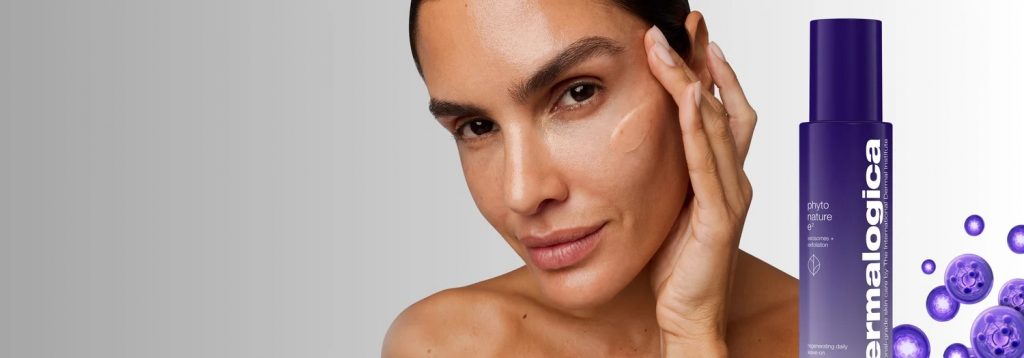
    Firmness, elasticity, hydration, and skin-barrier strength are related, but they are not interchangeable. Skin may look smoother and more supple when it is well hydrated, yet hydration alone does not permanently alter its underlying structure.

    Resilient-looking skin generally appears comfortable, flexible, and less visibly affected by temporary dryness. A healthy skin barrier helps hold on to moisture and protects the skin from everyday external stressors. When that barrier becomes disrupted, the face may feel tight, look rough, or react more easily to products that previously felt comfortable.

    Visible changes in firmness can also be influenced by natural aging, sun exposure, dehydration, sleep habits, and environmental conditions. Skincare may help improve the appearance of fine lines, dryness, and uneven texture, but it should not be expected to produce the same results as a medical or professional procedure.

    A sensible firming routine therefore focuses on several supportive goals:

    • Maintaining consistent hydration
    • Supporting the moisture barrier
    • Protecting the skin from daily sun exposure
    • Using targeted ingredients without causing excessive irritation
    • Keeping the routine consistent enough to evaluate

    Build the Routine Around Hydration and Barrier Support

    Dehydrated skin can make fine lines and rough texture appear more noticeable. It can happen to dry, oily, combination, and mature skin, so it is better understood as a temporary condition rather than a fixed skin type.

    Humectant ingredients attract water to the skin, while emollient and barrier-supporting ingredients help the surface feel softer and reduce moisture loss. A balanced moisturizer often combines more than one of these functions.

    Dermalogica Pro-Collagen Banking Water Cream is positioned as a lightweight moisturizer for hydration, visible plumping, and barrier support. Its water-cream texture may appeal to someone who wants more moisture without the dense finish of a traditional rich cream. Dermalogica lists it for dehydrated, normal, combination, and mature skin, although individual comfort can vary.

    Apply moisturizer after cleansing and any lightweight serum. If the product directions permit, using it while the skin is still slightly damp may help create a more comfortable hydrated finish. Avoid leaving the face dripping wet, since that can dilute products and make even application more difficult.

    Very dry skin may need a richer formula, particularly at night or during cold weather. Oily or breakout-prone skin may prefer a smaller amount and should patch test if a new moisturizer feels heavier than usual.

    Dermalogica Products for Firmer-Looking Skin
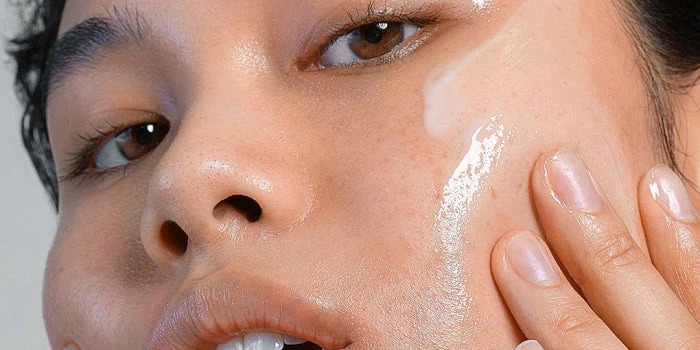
    When comparing Dermalogica products for firmer-looking skin, decide whether you primarily need hydration, a targeted serum, or both. Two products with similar marketing language may serve different roles in a routine.

    Pro-Collagen Banking Water Cream

    Pro-Collagen Banking Water Cream is a moisturizer rather than a concentrated serum. Dermalogica describes the formula as using a peptide complex, humectants, jojoba ester, red algae, white clover, marine spring water, and biofermented radish root extract. Its intended role is to hydrate, support the skin barrier, and promote a visibly plumper, smoother appearance.

    Use one or two pumps according to the brand’s directions, once or twice daily. It goes after serum and before sunscreen in the morning. At night, it can serve as the final moisturizing step unless your skin needs an additional richer layer.

    Dynamic Skin Strengthening Serum

    Dynamic Skin Strengthening Serum is a lightweight, milky treatment designed to be applied after cleansing and toning but before moisturizer. Dermalogica describes it as suitable for all skin types, with a focus on visible skin aging and barrier strength.

    The formula includes squalane, antioxidants, botanical extracts, and a biomimetic peptide. This type of serum may suit someone who wants a targeted step that layers beneath moisturizer without a greasy finish.

    You do not necessarily need both products. If your main issue is dehydration and you want to keep the routine short, the water cream may be enough. If you already have a moisturizer you enjoy but want a more focused treatment step, the serum may be the more logical addition.

    You can compare Dermalogica skincare for hydration and visible firmness while considering which product category is missing from your current routine.

    How to Layer a Firming Skincare Routine

    Correct layering helps products spread evenly and reduces the chance of pilling under sunscreen or makeup. In most cases, apply products from lighter to richer textures while following any directions printed on the packaging.

    Morning

    1. Cleanser: Wash gently with lukewarm water, avoiding aggressive rubbing.
    2. Mist or toner: Use this only if it adds hydration or comfort to your routine.
    3. Serum: Apply a thin, even layer and allow it to settle.
    4. Moisturizer: Smooth over the face and neck without pulling the skin.
    5. Sunscreen: Finish with broad-spectrum protection on exposed skin.

    Evening

    1. Remove makeup and sunscreen: Use a precleanser when needed.
    2. Cleanse: Follow with a suitable facial cleanser.
    3. Targeted treatment: Apply your chosen serum or active product.
    4. Moisturize: Seal in hydration with a comfortable cream.

    If you use retinol or exfoliating acids, introduce them gradually. Pro-Collagen Banking Water Cream can be applied after these treatments to support hydration, but a moisturizer cannot prevent every possible reaction. Reduce active-product frequency if you experience persistent tightness, stinging, redness, or flaking.

    Do not add a retinoid, exfoliant, firming serum, and new moisturizer on the same evening for the first time. Introducing products separately makes it much easier to identify what your skin tolerates.

    Make the Routine Suit Your Skin Type

    A firming routine should not ignore your skin type. The same product combination can feel elegant on one person and overly rich or stimulating on another.

    • Dry skin: Use a gentle cleanser and consider layering a hydrating serum beneath moisturizer. A richer nighttime cream may be helpful in dry conditions.
    • Combination skin: Apply a lightweight moisturizer evenly, then add a little more only where the face feels dry.
    • Oily skin: Choose light layers and avoid skipping moisturizer entirely. Dehydration and excess surface oil can occur together.
    • Sensitive skin: Keep the routine minimal, patch test new formulas, and introduce one product at a time.
    • Mature skin: Prioritize hydration, comfort, sunscreen, and a manageable targeted treatment rather than using every anti-aging category together.

    Seasonal adjustment matters too. A water cream may feel sufficient during warm, humid weather but need support from a richer product during winter. In a humid climate, thinner layers may sit better beneath makeup and sunscreen.

    Common Mistakes That Can Work Against Your Goals

    Firming skincare often becomes less effective as a routine when enthusiasm leads to overuse. Irritated skin may appear rough, dry, and less even, which is the opposite of the smooth, resilient appearance most people want.

    Avoid these common mistakes:

    • Using several exfoliating formulas in the same routine
    • Applying more product than the directions recommend
    • Rubbing or pulling the skin during application
    • Skipping sunscreen while focusing only on treatment products
    • Changing the entire routine before evaluating one new addition
    • Expecting moisturizer to replace sleep, sun protection, or professional care
    • Continuing to use a product that causes persistent discomfort

    More expensive or concentrated does not automatically mean more suitable. The better choice is the one that fills a genuine gap in your routine and feels comfortable enough to use consistently.

    Final Thoughts

    Supporting firmer, more resilient-looking skin requires a steady combination of hydration, barrier care, targeted ingredients, and daily sun protection. Dermalogica products for firmer-looking skin can provide useful serum and moisturizer options, but you do not need to purchase an entire collection to build a thoughtful routine.

    Choose one product according to its function, introduce it slowly, and pay attention to how your skin feels as well as how it looks. A comfortable, consistent routine will usually serve you better than an overloaded regimen built around quick results.

    Frequently Asked Questions

    Is Pro-Collagen Banking Water Cream a serum or moisturizer?

    It is a moisturizer. Apply it after toner and serum, then follow with sunscreen during the day.

    Can I use Pro-Collagen Banking Water Cream every day?

    Dermalogica directs users to apply it once or twice daily. Begin once a day if you are introducing several new products or if your skin reacts easily.

    Do I need Pro-Collagen Banking Serum and Water Cream together?

    No. The serum is a concentrated treatment, while the water cream provides moisturizing and barrier support. Choose one or both according to what your routine currently lacks and what fits your budget.

    Can oily skin use a water cream?

    A lightweight water cream may suit some oily or combination skin types. Use a modest amount and patch test first if you are prone to congestion or dislike richer finishes.

    Where does Dynamic Skin Strengthening Serum go in a routine?

    Apply it after cleansing and toning and before moisturizer. It can be used in the morning or evening, according to Dermalogica’s directions.

    What should I do if a firming product irritates my skin?

    Stop using the suspected product and simplify your routine to gentle cleansing, moisturizing, and daytime sunscreen. Consult a qualified dermatologist if irritation is severe or persistent.

  • 2026 Jewelry Trends: How to Wear Mixed Metals, Pearls, and Statement Pieces

    2026 Jewelry Trends: How to Wear Mixed Metals, Pearls, and Statement Pieces

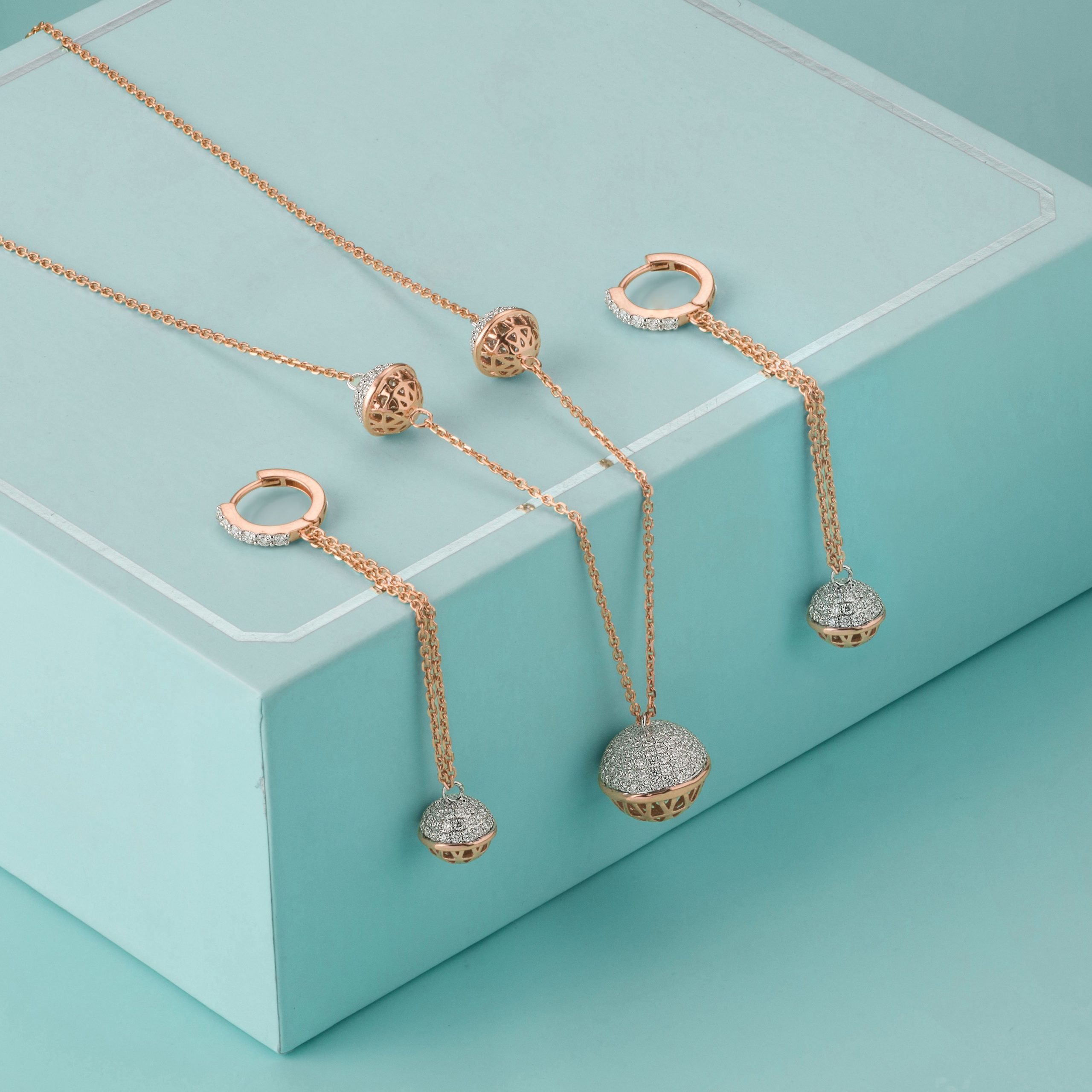
    Jewelry in 2026 is expressive, substantial, and refreshingly flexible. Mixed metals are replacing the old rule that every finish must match, pearls are appearing in irregular and unexpected forms, and statement pieces are becoming more sculptural. The most wearable approach is not to use every trend at once, but to choose one focal point and build a balanced look around it.

    These trends also make it easier to work with jewelry you already own. A silver watch can sit beside a gold bracelet, classic pearl studs can complement a modern chain, and one oversized cuff can give a simple outfit a completely different mood. The goal is personal styling—not creating a jewelry collection that looks copied from a display.

    The Jewelry Mood Defining 2026

    After seasons dominated by delicate layering and carefully matched sets, jewelry is moving toward stronger individual pieces. Layered necklaces and ring stacks have not disappeared, but one substantial design can now create just as much impact as several smaller items.

    Sculptural shapes, organic curves, oversized pendants, bold cuffs, long earrings, and irregular pearls all fit this direction. Even familiar pieces feel more relaxed. Pearls are mixed with chains and textured metals, while silver and gold appear together without needing to be perfectly balanced.

    There is also a growing interest in jewelry that feels collected rather than coordinated. Vintage-inspired rings can sit beside contemporary bands, and polished metal can be paired with beads, leather cords, pearls, or colorful stones. The contrast gives an outfit personality.

    You do not need a large budget to participate. Start with your existing jewelry and experiment with new combinations. A two-tone ring, an irregular pearl pendant, or one sculptural earring design can introduce the trend without requiring an entirely new collection.

    How to Wear Mixed Metals With Intention

    Mixed-metal jewelry is one of the most practical 2026 jewelry trends because it allows gold and silver pieces to share the same outfit. The combination looks most intentional when there is a visible connection between the finishes.

    A two-tone piece can act as a bridge. For example, wear a silver watch and gold bracelet with a ring or chain that contains both colors. This single connecting element makes the contrast look deliberate rather than accidental.

    You can also choose one dominant metal and use the other as an accent. If most of your everyday jewelry is gold, add silver through one cuff, pendant, or pair of earrings. A roughly equal amount of each metal is not necessary.

    Mix Metals Within the Same Jewelry Area

    Instead of wearing gold earrings and a silver bracelet at opposite ends of the outfit, repeat both tones in one area. Stack a slim silver bangle between two gold bracelets, combine silver and gold rings on the same hand, or layer two chains with different finishes.

    Keep at least one element consistent, such as shape, thickness, or overall style. A polished silver hoop will pair more naturally with a polished gold chain than with a heavily oxidized, ornate piece—unless strong contrast is the effect you want.

    Consider Your Clothing Hardware

    Zippers, belt buckles, handbag hardware, and shoe details can become part of the metal mix. You do not have to match them precisely. If your bag has gold hardware and your jewelry is mostly silver, one small gold ring or bracelet can create continuity.

    For professional or understated outfits, limit the combination to two finishes and use clean shapes. For casual and creative settings, textured metals, vintage pieces, and more varied proportions can work beautifully together.

    Make Pearls Feel Modern Rather Than Formal

    Pearls in 2026 are not limited to perfectly matched strands. Baroque shapes, asymmetrical settings, mixed materials, and unexpected proportions make them feel more individual and easier to wear with everyday clothing.

    An irregular pearl pendant on a simple chain works with a T-shirt, open-collar shirt, or knit dress. Pearl drop earrings can soften a tailored blazer, while a single pearl ring adds interest without making the outfit feel traditionally formal.

    To update a classic pearl necklace, layer it with a plain metal chain in a different length. The contrast between the smooth pearls and structured links creates a more relaxed effect. Avoid stacking several necklaces at exactly the same point on the neckline, as they may compete and tangle.

    Pearls also pair well with less expected materials:

    • Chunky chains: Balance softness with a stronger, more contemporary shape.
    • Leather or cord: Give a pearl pendant a casual, artistic quality.
    • Colorful beads: Create a playful look suited to warm-weather outfits.
    • Silver settings: Add a cooler, cleaner finish to traditional pearls.
    • Textured gold: Bring warmth without requiring a perfectly polished appearance.

    If you prefer classic style, begin with pearl studs in a slightly irregular shape or a fine necklace with one pearl. Those small changes feel current while remaining versatile.

    Let One Statement Piece Lead the Outfit

    Statement jewelry is becoming more focused. Rather than wearing a large necklace, dramatic earrings, stacked cuffs, and multiple oversized rings together, choose one piece to establish the mood.

    Sculptural earrings are especially effective because they frame the face and can transform a simple neckline. Consider your hairstyle when selecting them. Long earrings remain visible with an updo or tucked-back hair, while substantial hoops and curved studs work well with loose styles.

    Large cuffs look polished with sleeveless pieces, pushed-up shirt sleeves, and streamlined knitwear. Check the fit carefully: a cuff should feel secure without pinching or sliding continuously around the wrist.

    Oversized pendants work best when they have enough visual space. Wear one over a plain top, an open shirt, or a dress with a simple neckline. The pendant should complement rather than fight with buttons, prints, ruffles, or other decorative details.

    Statement rings can be easier to incorporate because they do not compete directly with the face or neckline. Wear one substantial ring alone, or surround it with slim bands that echo its metal or shape.

    Proportion matters more than size alone. Petite frames can wear bold jewelry, but a slightly open or lightweight design may feel more comfortable than a dense piece. Taller or broader frames do not automatically require oversized jewelry either. Choose a scale that supports your outfit and feels natural when you move.

    Balance Trends With Your Outfit and Occasion

    Jewelry should work with the visual activity of your clothing. A minimal outfit offers space for larger, more detailed pieces, while a patterned dress or embellished top may need quieter accessories.

    Use the neckline as a practical guide:

    • Crew neck: Try a long pendant, statement earrings, or a bold cuff.
    • V-neck: Choose a pendant that follows the shape without falling directly on the edge.
    • Open-collar shirt: Layer a short pearl strand with a fine metal chain.
    • Strapless or off-the-shoulder style: Let sculptural earrings lead, or use one strong necklace.
    • High neckline: Skip the necklace and focus on earrings, bracelets, or rings.

    For Everyday Wear

    Combine a two-tone ring with small hoops, or wear an irregular pearl pendant over a T-shirt or knit top. These choices bring personality without interfering with a practical daily wardrobe.

    For Work

    Choose one controlled statement: medium sculptural earrings, a polished cuff, or a modern pearl necklace. Make sure the piece is comfortable, quiet when you move, and appropriate for your workplace.

    For Evening

    Increase either scale or shine, but not necessarily both. Large matte-metal earrings can look as striking as crystal designs. If the dress has decorative details, place the statement jewelry away from them to avoid visual competition.

    For Special Occasions

    Pearls offer an elegant foundation, while mixed metals prevent the look from feeling overly traditional. A pearl drop earring with a silver-and-gold bracelet can complement formal clothing without resembling a rigid matching set.

    Before leaving home, view the complete outfit from a few steps away. If every accessory demands attention, remove one piece. The strongest jewelry styling often includes a little empty space.

    Choose Materials Carefully and Protect Your Jewelry

    Trend-focused jewelry is available at many price points, but appearance alone does not reveal how a piece will wear. Check whether it is solid metal, sterling silver, gold-filled, vermeil, plated, stainless steel, or another material. Clear descriptions help you understand likely care needs.

    If you experience sensitivities, pay particular attention to earrings and pieces worn close to the skin. Look for specific material information rather than broad phrases such as “high-quality metal.”

    Mixed-metal jewelry should be stored so harder pieces do not scratch softer surfaces. Keep individual items in separate pouches or compartments, and fasten chains before storing them to reduce tangling.

    Pearls require gentle handling. Put them on after applying perfume, hairspray, and lotion, and wipe them carefully with a soft cloth after wearing. Avoid soaking pearl jewelry, as moisture may affect the thread or setting. Store pearls away from pieces with sharp edges.

    Statement jewelry can be surprisingly lightweight, but size may place stress on clasps, posts, and hinges. Check these areas regularly. Avoid forcing an adjustable cuff repeatedly, as frequent bending may weaken the metal.

    Before cleaning any piece, follow the care guidance provided for its specific materials. One cleaning method may be suitable for solid metal but inappropriate for plating, pearls, adhesives, or porous stones.

    Final Thoughts

    The most useful 2026 jewelry trends offer freedom rather than strict rules. Mixed metals allow you to combine pieces that once seemed incompatible. Modern pearls bring softness to casual, tailored, and creative outfits. Sculptural statement pieces make it possible to create impact with a single accessory.

    Begin with jewelry you already enjoy and change the combinations before purchasing something new. Repeat metals intentionally, give bold designs enough visual space, and choose proportions that feel comfortable. Trends are most successful when they expand your personal style instead of replacing it.

    Frequently Asked Questions

    Can I wear gold and silver jewelry together in 2026?

    Yes. Use a two-tone piece as a bridge, or choose one dominant metal and introduce the other through a smaller accent.

    Are pearl necklaces still fashionable in 2026?

    Yes. Irregular pearls, asymmetrical designs, mixed-metal settings, and pearls layered with chains give the classic necklace a more contemporary look.

    How many statement jewelry pieces should I wear at once?

    One is usually enough for an everyday or polished outfit. If combining two, separate them visually—such as bold earrings with a ring—and keep the remaining jewelry simple.

    Do mixed metals need to be evenly balanced?

    No. A mostly gold look with one silver accent can appear just as intentional as an equal mix. Repetition and consistent styling matter more than exact proportions.

    Can petite women wear oversized jewelry?

    Yes. Look for open, curved, or lightweight designs that provide scale without feeling physically heavy or overwhelming the outfit.

    How can I make classic pearl studs look more modern?

    Pair them with a silver cuff, mixed-metal rings, or a contemporary chain necklace. Slightly irregular pearl shapes can also create a less traditional effect.

  • Fresh Spring Makeup Ideas for a Natural, Healthy-Looking Glow

    Fresh Spring Makeup Ideas for a Natural, Healthy-Looking Glow

    Fresh spring makeup is less about covering your features and more about using light, well-placed color to create a rested, healthy-looking glow. Start with comfortable skin preparation, apply complexion products only where you want extra coverage, and choose one or two fresh shades for the cheeks, lips, or eyes.

    The result should still look like you. Natural makeup does not require perfectly clear skin, and glowing makeup does not mean making every part of the face shiny. A balanced mix of sheer coverage, soft definition, and controlled luminosity usually looks more polished—and is often easier to wear as the weather becomes warmer.

    Prepare Your Skin Without Overloading It

    Fresh makeup begins with skin that feels comfortable. A complicated preparation routine is not necessary, especially if several layers cause your base to pill, separate, or move during the day.

    Begin with your usual gentle skincare. If your skin feels drier, a comfortable moisturizer may help foundation blend more evenly. If it becomes oilier in warmer weather, you might prefer a lighter lotion or gel-cream texture. Allow each layer to settle before applying the next one.

    During the day, apply broad-spectrum sunscreen as the final step of your morning skincare. Give it time to form an even layer before beginning your makeup. Rubbing foundation aggressively over sunscreen can disturb both products, so use light pressing or blending motions.

    Primer is optional. A hydrating primer may be useful on areas that tend to look dry, while a smoothing or shine-controlling formula can be placed around the nose, forehead, or other areas where makeup fades quickly. Applying different primers only where they are needed can work better than coating the entire face with one finish.

    If products repeatedly roll into small flakes, the issue may be too many layers, incompatible textures, or insufficient time between steps. Simplify the routine and test one combination at a time.

    Create a Sheer, Even-Looking Complexion

    A natural base does not need to erase freckles, texture, or every variation in skin tone. Its purpose is to make the complexion appear more balanced while preserving dimension.

    Choose a skin tint, light-coverage foundation, or your usual foundation applied in a thinner layer. Begin at the center of the face, where redness and unevenness are often more noticeable, and blend outward. Use less product around the hairline and jaw so the finish fades naturally into the skin.

    For targeted coverage, place concealer only where you want it: around the nose, on individual blemishes, or beneath the eyes. A small brush can provide precise coverage without building a thick layer across a larger area.

    Under the eyes, apply concealer sparingly and concentrate it where darkness is most visible rather than creating a large triangle. Choose a flexible formula and avoid excessive powder, which can make the area look heavier than intended.

    Check your makeup near a window or in neutral lighting before adding more coverage. Bathroom lighting can sometimes make the complexion appear less even than it does in daylight, encouraging unnecessary layers.

    Use Blush to Create a Fresh Spring Makeup Look

    Blush is one of the quickest ways to bring life back to the face. Spring-friendly shades include soft peach, warm rose, clear pink, muted coral, and gentle berry. The most flattering option is the one that works with your skin tone and feels comfortable with the rest of your makeup.

    Cream and liquid blushes can create a sheer, skin-like finish, but they require a light hand. Place a small amount on the back of your hand first, then pick it up with a brush or fingertip. This gives you more control than applying a highly pigmented formula directly to the cheeks.

    Powder blush can look equally fresh when applied with a soft brush in thin layers. Tap away excess product and build the color gradually.

    Placement can subtly change the overall effect:

    • For a lifted appearance: Blend blush slightly upward along the outer cheekbones.
    • For a soft, youthful effect: Place color on the rounded area of the cheeks and diffuse the edges carefully.
    • For a sun-touched look: Sweep a very small amount across the upper cheeks and lightly over the bridge of the nose.
    • For a sculpted finish: Keep the blush higher and avoid bringing it too close to the center of the face.

    Do not feel obligated to follow one placement rule. Face shape, product intensity, and personal preference matter more than a fixed technique.

    Add Controlled Glow in the Right Places

    Healthy-looking glow comes from contrast. If the forehead, nose, cheeks, and chin are all equally reflective, the makeup may appear oily rather than luminous. Keep some areas softly radiant and others more balanced.

    A subtle cream or liquid highlighter can be tapped onto the tops of the cheekbones, above the brow arch, or lightly on the inner corners of the eyes. Choose a formula with a fine sheen if you want a natural effect; visible glitter usually creates a more decorative finish.

    You can also create luminosity without a separate highlighter. A satin-finish foundation, softly reflective blush, or a small amount of facial mist may provide enough glow. Using several radiant products at once can make texture more noticeable, so select the step that gives you the level of light you prefer.

    Powder only where needed. A small brush offers more control than a large face brush and lets you target the sides of the nose, center of the forehead, and chin while leaving the cheekbones fresh.

    If your skin naturally becomes shiny, you can still wear glowing makeup. Keep the luminous products on the outer cheeks and use a light layer of powder through the center of the face. Blotting papers can reduce excess shine later without adding another layer of makeup.

    Choose Soft Color for the Eyes and Lips

    Spring eye makeup can feel fresh without relying on bright pastels. Soft taupe, warm beige, muted rose, peach, bronze, and pale gold can add gentle definition while remaining easy to combine with everyday clothing.

    Apply one shade across the lid and blend the edges for a simple wash of color. A slightly deeper tone close to the lashes can add dimension without creating a full smoky eye. Satin textures catch the light softly, while matte shadows provide understated definition.

    Brown eyeliner often creates a gentler effect than black. Press it close to the upper lashes rather than drawing a thick line, then soften it with a small brush if desired. Black liner remains a good option when you prefer stronger contrast.

    Finish the eyes with curled lashes and a light coat of mascara. Comb through any clumps before the formula dries. For brows, brush the hairs into place and fill only obvious gaps. Heavy, sharply outlined brows may compete with an otherwise airy look.

    On the lips, tinted balms, sheer lipsticks, and comfortable glosses complement natural spring makeup. Try rose, peachy nude, pink-brown, soft coral, or translucent berry. For a blurred finish, apply color to the center of the lips and press it outward with a fingertip.

    If you want the face to feel coordinated, choose lip and cheek colors from the same general family. They do not need to match exactly; a shared warm, cool, or neutral undertone is often enough.

    Adapt the Look to Your Skin Type and Schedule

    Natural-looking makeup is not one fixed formula. The products and techniques should reflect how your skin behaves and how long you need the makeup to last.

    For Dry or Dehydrated-Looking Skin

    Use comfortable skincare and apply base products in thin layers. Limit powder to areas where makeup creases or transfers. If patches remain visible, adding more foundation may emphasize them; gently press the area with a slightly damp sponge instead.

    For Oily or Combination Skin

    Choose lightweight layers and place shine-controlling products strategically. Set the center of the face while preserving a softer finish on the cheeks. Long-wearing makeup can still look natural when applied sparingly.

    For Sensitive or Blemish-Prone Skin

    Avoid introducing several unfamiliar products at once. Use clean tools and remove makeup gently at the end of the day. If irritation or persistent skin concerns occur, discontinue products that appear to cause discomfort and consider consulting a qualified dermatologist.

    For Busy Mornings

    Build the look around five dependable steps: sunscreen, targeted concealer, blush, brow gel or mascara, and tinted lip balm. Keeping these products together can make the routine easier to repeat.

    Common Mistakes That Can Make Fresh Makeup Feel Heavy

    The most common mistake is adding more product before properly blending the first layer. Work with small amounts, step back from the mirror, and evaluate the overall balance before continuing.

    Other issues to watch for include:

    • Using a base shade that does not blend naturally into the neck or surrounding skin
    • Applying too much concealer beneath the eyes
    • Layering luminous primer, radiant foundation, highlighter, and face mist together
    • Choosing blush that is highly pigmented and applying it directly to the face
    • Powdering the entire complexion heavily, then trying to restore glow with more highlighter
    • Using an overly dark brow product with otherwise soft makeup
    • Forgetting to blend around the nose, hairline, ears, and jaw

    Clean brushes and sponges also make a difference. Product buildup can affect blending and color payoff. Wash reusable tools regularly, allow them to dry completely, and replace anything that develops an unusual smell or damaged texture.

    Final Thoughts

    The most wearable fresh spring makeup ideas rely on thoughtful placement rather than a long product list. Prepare the skin comfortably, keep complexion coverage sheer, and use blush to add soft color. A controlled highlight, lightly defined eyes, and a translucent lip shade can complete the look without hiding your natural features.

    Treat these ideas as flexible starting points. Adjust the finish for your skin type, choose colors you genuinely enjoy, and simplify any step that makes the routine feel demanding. A healthy-looking glow should feel polished but believable—like your everyday beauty routine with a little more light and freshness.

    Frequently Asked Questions

    What makeup product makes the biggest difference in a fresh spring look?

    Blush often creates the most immediate change. A sheer peach, rose, pink, or berry shade can bring warmth and dimension to a simple complexion.

    Can I create glowing makeup if I have oily skin?

    Yes. Keep luminous products on the cheekbones and set the forehead, nose, and chin lightly with powder. This preserves contrast without making the entire face reflective.

    Should spring foundation be lighter than winter foundation?

    Your foundation should continue matching your current skin tone. You may prefer a lighter texture or thinner application, but do not intentionally choose a paler shade for spring.

    How can I make full-coverage foundation look more natural?

    Use a small amount, blend it outward from the center of the face, and add a second thin layer only where needed. Avoid applying maximum coverage everywhere.

    Which lipstick colors work well for natural spring makeup?

    Soft rose, peachy nude, pink-brown, coral, and sheer berry are versatile choices. Select a depth and undertone that complement your complexion and blush.

    How can I keep fresh makeup from fading in warmer weather?

    Use thin layers, set areas that become oily, and choose longer-wearing formulas where necessary. Carry blotting papers or a small amount of powder for targeted touch-ups.

  • Spring Beauty Refresh: Small Changes That Make Your Everyday Routine Feel New

    Spring Beauty Refresh: Small Changes That Make Your Everyday Routine Feel New

    A spring beauty refresh does not require replacing every product you own or following an entirely new routine. A few thoughtful changes—switching to lighter textures, updating one makeup color, cleaning your tools, and simplifying products that no longer serve you—can make getting ready feel fresh again.

    Start by noticing what feels heavy, repetitive, or inconvenient in your current routine. Then choose small updates that suit your skin, schedule, and personal style. Spring is a natural time to introduce brighter colors and sheerer finishes, but the goal is not to look completely different. It is to make your everyday routine feel easier, more comfortable, and a little more inspiring.

    Begin Your Spring Beauty Refresh With a Simple Edit

    Before adding anything new, take a close look at the products already occupying your bathroom shelves, makeup bag, and vanity. Beauty routines often become cluttered gradually. A nearly empty moisturizer remains in the cabinet, several similar lip colors collect in a drawer, and products that never quite worked continue taking up space.

    Sort everything into three practical groups: products you use regularly, products you occasionally enjoy, and products you consistently avoid. The last group deserves the most attention. If a formula irritates your skin, a shade never looks right, or the packaging makes the product difficult to use, keeping it will not improve your routine.

    Check each item for changes in smell, texture, color, or performance. Follow any expiration or period-after-opening information on the packaging. Eye products and anything applied with fingers deserve particular care because cleanliness matters around sensitive areas.

    Once you finish editing, arrange your daily essentials where they are easy to reach. Store occasional products separately. A smaller, visible selection can help you use what you own and reduce the feeling that you need to purchase an entirely new collection.

    Adjust Your Skincare Textures for Warmer Days

    Seasonal changes can affect how skincare feels, although not everyone needs a completely different routine. If warmer or more humid weather makes your usual products feel heavy, consider changing the texture rather than removing essential steps.

    A rich cream might be replaced with a lighter lotion or gel cream during the day, while remaining useful at night or on dry areas. If your skin still feels comfortable with a richer formula, there is no reason to stop using it simply because the season has changed.

    Keep the routine focused on its basic functions:

    • A gentle cleanser that removes daily buildup without leaving the skin uncomfortably tight
    • A moisturizer suited to your current skin needs
    • Broad-spectrum sunscreen as the final morning skincare step
    • Any targeted products that your skin already tolerates well

    Spring is not the ideal moment to introduce several active ingredients at once. If you change your cleanser, moisturizer, exfoliant, and serum simultaneously, it may be difficult to identify the cause if irritation develops. Add one product at a time and give your skin a chance to adjust.

    Those experiencing persistent dryness, sensitivity, breakouts, or other ongoing concerns can consider consulting a qualified dermatologist for guidance appropriate to their skin.

    Give Your Everyday Makeup a Lighter Finish

    A lighter spring makeup look is less about using fewer products and more about applying them selectively. Instead of covering the entire face with the same amount of base, place coverage only where you want it. A sheer skin tint, light foundation, or carefully blended concealer can create a polished effect while allowing natural skin texture to remain visible.

    If you prefer fuller coverage, you do not need to abandon it. Try applying a thinner first layer and adding more only to areas that need it. Working gradually can prevent makeup from feeling heavy as temperatures rise.

    Powder can also be used strategically. Concentrate it around areas that become shiny or where makeup tends to move, such as the center of the forehead, sides of the nose, and chin. Leaving the outer parts of the face less powdered can preserve a softer finish.

    A common mistake is trying to create freshness by layering multiple luminous products. Dewy primer, radiant foundation, liquid highlighter, and face mist can become excessive when combined. Choose one or two sources of glow and keep the rest of the complexion balanced.

    Introduce One Fresh Color at a Time

    Color is one of the easiest ways to make familiar makeup feel new. You do not need a large seasonal palette; one well-chosen shade can change the mood of your entire look.

    Try replacing a muted winter blush with a soft peach, warm rose, fresh pink, or berry tone applied with a light hand. Cream and liquid blushes can create a diffused effect, while powder blush remains a practical choice for anyone who prefers greater control or a more matte finish.

    Lip color offers another simple update. A tinted balm, sheer lipstick, or comfortable gloss can bring warmth to an otherwise neutral face. If vivid shades feel intimidating, apply your usual lipstick lightly and blend it with a fingertip for a softer stain.

    For the eyes, consider a subtle wash of color rather than a complicated design. Soft bronze, pale gold, taupe, muted lavender, or rosy brown can add interest while remaining wearable. Brown mascara or eyeliner may create a gentler effect than black, although black remains a classic choice when you prefer more definition.

    Keep the overall look cohesive by choosing one focal point. Fresh blush with a neutral lip feels effortless, while a brighter lip pairs well with simple eyes and softly defined skin.

    Refresh the Details That Frame Your Face

    Small grooming adjustments can have a surprisingly noticeable effect because brows, lashes, and hair frame the face. Begin with your eyebrows. Brush them upward and outward before deciding whether they need additional definition. You may find that a clear or tinted brow gel provides enough structure without a full pencil-and-powder routine.

    If you use brow color, concentrate it on sparse areas rather than redrawing the entire shape. Short, light strokes generally look softer than one continuous line. Avoid choosing a shade that is dramatically darker than your natural brow unless a bold result is intentional.

    For lashes, curling them before mascara can make the eyes appear more open. Never use a traditional lash curler after mascara has dried, as lashes may stick to the tool. Replace mascara if its smell or texture changes, and avoid adding water to revive a dried formula.

    Your hairstyle can also feel refreshed without a dramatic cut. Experiment with a different part, a polished low ponytail, a loose bun, or a simple accessory such as a neutral headband or slim barrette. These changes take little time but can make a familiar outfit feel more considered.

    Clean the Tools That Shape Your Results

    Even excellent products can perform poorly when brushes, sponges, and grooming tools are covered in old makeup or residue. A seasonal reset is a useful reminder to clean the items that support your routine.

    Wash reusable makeup brushes with a suitable gentle cleanser, keeping the base of the bristles from becoming overly saturated. Rinse thoroughly, reshape the brush head, and allow it to dry horizontally or with the bristles angled downward. Standing a wet brush upright can allow moisture to collect near the handle.

    Clean reusable makeup sponges regularly and allow them to dry fully in a ventilated area. Replace them if they remain stained, develop an unusual smell, tear, or no longer return to their original texture.

    Remember the less obvious items, too:

    • Eyelash curlers and removable pads
    • Tweezers and facial grooming tools
    • Hairbrushes and combs
    • Makeup bags and storage trays
    • Reusable powder puffs
    • Frequently handled product packaging

    Do not share eye or lip products, and avoid applying makeup directly over an active eye infection or irritated skin. Keeping tools clean may help make application smoother while supporting a more hygienic routine.

    Build a Five-Minute Routine for Busy Mornings

    A refreshed routine should work on ordinary days, not only when you have plenty of time. Create a shorter version of your beauty routine using a handful of dependable products.

    1. Prepare the skin: Apply your usual morning skincare and sunscreen.
    2. Even selectively: Blend concealer or light base only where desired.
    3. Add color: Use one blush that makes your complexion look more awake.
    4. Define: Brush the brows and apply mascara or a soft liner.
    5. Finish: Add a tinted balm, sheer lipstick, or gloss.

    Place these essentials together so you do not have to search through your entire collection. If one multipurpose product works comfortably for your cheeks and lips, it can make the routine even simpler. However, use products only in the areas indicated by their packaging; not every pigment formulated for the face is intended for the eyes or lips.

    Practice the routine once when you are not in a hurry. You can then adjust the order, remove unnecessary steps, and identify which products require too much blending for rushed mornings.

    Final Thoughts

    A successful spring beauty refresh should make your routine feel more enjoyable without creating pressure to replace everything. Edit what you own, adjust skincare textures only where needed, lighten your makeup application, and introduce color through one intentional detail.

    Clean tools and an organized selection of reliable products can be just as refreshing as something new. Choose changes that suit your real mornings, your comfort level, and the look you naturally enjoy. The most effective update is often the one small enough to become part of everyday life.

    Frequently Asked Questions

    Do I need to change my entire skincare routine for spring?

    No. Keep products that remain comfortable and effective for you. Consider lighter textures only if warmer weather makes your current formulas feel too rich or heavy.

    What is the easiest spring makeup update?

    Changing your blush or lip color is usually the simplest option. Try a sheer peach, rose, pink, or berry shade while keeping the rest of your makeup familiar.

    How can I make foundation look lighter without buying a new one?

    Apply a small amount in a thin layer and add coverage only where needed. Use a damp sponge or lightly loaded brush to blend the edges without overworking the product.

    How often should makeup brushes be cleaned?

    Tools used with liquids, creams, or around the eyes generally need more frequent cleaning than lightly used powder brushes. Clean them whenever visible buildup appears and allow them to dry completely.

    Should I throw away makeup I no longer use?

    Discard products that have expired, changed in smell or texture, or caused irritation. Unopened, hygienic products may be donated only if a local organization accepts them.

    How do I refresh my routine without spending much money?

    Reorganize your daily products, clean your tools, try a different application technique, and create new combinations from colors you already own. A fresh routine does not require a large purchase.

  • Meaningful Jewelry Gift Ideas That Feel Personal Without Being Overdone

    Meaningful Jewelry Gift Ideas That Feel Personal Without Being Overdone

    A meaningful jewelry gift does not need to be expensive, dramatic, or covered in symbols to feel personal. The most thoughtful choices usually reflect something specific about the recipient: the pieces she already wears, a detail from her life, or the way she likes to express herself. A delicate birthstone pendant, an engraved bracelet, or earrings in her favorite metal can say far more than an elaborate design chosen without her style in mind.

    The key is balance. Look for a personal connection that she will recognize, then pair it with a wearable design that fits naturally into her wardrobe. The result should feel considered rather than overly sentimental—and special enough to remind her of you whenever she wears it.

    Start With Her Everyday Jewelry Style

    Before choosing a symbolic detail, pay attention to what she actually wears. Meaning matters, but even the most thoughtful necklace may remain in its box if the color, scale, or style feels unfamiliar.

    Notice whether she usually wears gold, silver, rose gold, or mixed metals. Look at the proportions of her favorite pieces as well. Does she prefer tiny studs and fine chains, or does she enjoy sculptural earrings and substantial rings? Her clothing can offer clues, too. A minimalist wardrobe may suit clean geometric jewelry, while a romantic style may pair naturally with soft shapes, pearls, or subtle floral details.

    If you cannot see her jewelry collection, consider the accessories she wears most often. The hardware on her favorite handbag, watch, belt, or eyeglasses may reveal her preferred metal and general aesthetic.

    • For a minimalist: Choose a slim chain, small pendant, polished stud earrings, or a simple band.
    • For a classic dresser: Consider pearls, understated hoops, a tennis-style bracelet, or a refined locket.
    • For an expressive style: Look for colorful stones, textured metal, artistic shapes, or an interesting charm.
    • For someone practical: Prioritize comfortable, low-maintenance pieces that can be worn regularly.

    Meaningful Jewelry Gift Ideas With Subtle Symbolism

    Symbolic jewelry can feel intimate without becoming overly emotional. The most wearable designs often carry meaning quietly, allowing the recipient to enjoy the piece even when she does not want to explain its story.

    Birthstones are an approachable option because they add color while connecting to a birthday, child, partner, or other loved one. You do not have to choose a large, traditional birthstone setting. A tiny stone set into a pendant, ring, or stud can make the reference feel modern and discreet.

    Initial jewelry offers another simple form of personalization. A single letter may represent her name, a child, or someone important to her. For a subtler interpretation, consider a small engraved initial on the back of a pendant rather than displaying it prominently on the front.

    Other meaningful motifs include stars for guidance, moons for change, knots for connection, and flowers associated with a birth month. Choose a symbol because it relates to her story—not simply because it is labeled “meaningful.”

    Use Engraving With Restraint

    Engraving can transform a simple piece into something unmistakably personal, but limited space calls for careful wording. Short inscriptions tend to feel more elegant and are easier to read.

    Good options include initials, a meaningful date, geographic coordinates, a one- or two-word message, or a phrase that only the two of you understand. A private reference often feels more personal than a broad statement such as “Best Friend Forever.”

    Consider placing the engraving somewhere discreet: inside a ring, on the reverse of a pendant, or beneath a bracelet plate. This keeps the jewelry versatile while giving the recipient a detail she can hold close.

    Before ordering, verify every letter, number, punctuation mark, and date. Personalized jewelry may not be returnable, so it is worth reviewing the engraving twice. Also check the available space. A long phrase can become difficult to read or visually crowded on a small piece.

    Match the Piece to Her Lifestyle and Comfort

    A thoughtful gift should suit the way she lives. Someone who works with her hands may appreciate a necklace or stud earrings more than a raised ring. A woman who cares for young children might prefer smooth pieces without sharp edges or long, delicate chains that can be pulled.

    Think about how often she changes her accessories. If she wears the same jewelry every day, choose a versatile piece in a durable material. If she enjoys building outfits around accessories, a more distinctive design may be welcome.

    Comfort also depends on proportion. Heavy earrings can become uncomfortable over several hours, while an oversized pendant may feel awkward on someone who normally wears fine jewelry. Adjustable chains and bracelets offer helpful flexibility when you are unsure of the exact fit.

    Rings require the most precision. Unless you know her current size, a necklace, bracelet, brooch, or pair of earrings is usually less risky. If you are choosing earrings, confirm that her ears are pierced and note whether she tends to wear studs, hoops, or clip-on styles.

    Choose Materials With Wearability in Mind

    Material affects appearance, comfort, care, and budget. Solid gold and platinum can offer lasting durability, but they are not required for a thoughtful gift. Sterling silver, gold vermeil, gold-filled jewelry, stainless steel, and well-made plated pieces can all be appropriate depending on the recipient’s habits and your budget.

    If she has mentioned metal sensitivities, take that seriously. Look for clear material information rather than relying on vague descriptions such as “premium metal.” Nickel can be uncomfortable for some wearers, particularly in earrings. When you are uncertain, ask discreetly or check the specifications of pieces she already owns.

    Consider maintenance as well. Sterling silver may tarnish and need occasional polishing. Plated finishes can gradually wear, especially when exposed to water, perfume, lotions, and frequent friction. Pearls and some gemstones benefit from gentler handling than durable everyday metals.

    A smaller piece made from a material she trusts may be a better gift than a larger, more decorative option that requires care she is unlikely to provide.

    Make the Presentation Personal, Not Elaborate

    Presentation can add emotional warmth without making the gift feel theatrical. A simple jewelry box, soft pouch, or neatly wrapped package is enough when paired with a sincere note.

    Instead of writing a long explanation, tell her briefly why you chose the piece. You might mention that the stone reminded you of a trip you took together, that the shape reflects her clean personal style, or that the engraving marks a moment you value. This gives the jewelry context while leaving space for her own interpretation.

    Think about the occasion when deciding how much sentiment to include. A birthday gift can be warm and celebratory. An anniversary may invite a more intimate message. For a graduation, promotion, or new beginning, a symbol of confidence or direction can feel especially fitting.

    Avoid placing pressure on the recipient to react in a particular way or wear the piece immediately. Jewelry is personal, and even a carefully selected gift may need to be styled in her own time.

    Common Jewelry Gifting Mistakes to Avoid

    One common mistake is choosing symbolism before considering style. A large heart pendant may express affection, but it will not feel right for someone who exclusively wears modern, geometric pieces. Start with her taste, then introduce meaning through a smaller detail.

    Other missteps include guessing a ring size, overlooking metal sensitivities, and choosing a piece that requires more maintenance than she wants. It is also wise to avoid copying jewelry strongly associated with a past relationship or difficult memory.

    Be careful with gifts that may carry unintended romantic meaning. Rings, lockets, and certain inscriptions can communicate more than friendship in some contexts. When gifting a colleague, newer friend, or extended family member, understated earrings, a simple bracelet, or a small pendant may feel more comfortable.

    Finally, do not assume that higher cost creates greater meaning. Thoughtful selection, suitable proportions, and a genuine connection to her personality are more important than size or price.

    Final Thoughts

    The most meaningful jewelry gift ideas combine personal relevance with everyday wearability. Pay attention to her preferred metals, proportions, lifestyle, and comfort before adding a birthstone, engraving, initial, or symbolic motif. A restrained design often carries emotion more gracefully because it feels like something she would have chosen for herself.

    When the jewelry reflects both her story and her style, it can become a lasting reminder of your relationship without feeling overly elaborate.

    Frequently Asked Questions

    What jewelry is safest to give when I do not know her exact size?

    A pendant necklace with an adjustable chain, stud earrings, or an adjustable bracelet is generally easier to fit than a ring or rigid bangle.

    How can I make jewelry personal without engraving it?

    Choose her birthstone, favorite color, preferred metal, birth-month flower, or a subtle motif connected to a shared memory or personal interest.

    Is initial jewelry too personal for a casual gift?

    Not necessarily. A small initial pendant or charm can work for birthdays and friendships, especially when the design is simple and matches her usual style.

    Should I choose gold or silver jewelry?

    Follow the metal she wears most often. If she regularly mixes metals, a two-tone design can be a flexible alternative.

    What should I engrave on a meaningful jewelry gift?

    Initials, a short date, coordinates, or one or two meaningful words usually fit well. Keep the message concise and verify all details before ordering.

    How should gifted jewelry be cared for?

    Store it separately in a dry pouch or box and keep it away from perfume, lotion, household cleaners, and unnecessary moisture. Follow any care guidance provided for its specific metal or stones.

  • How to Care for Dry Winter Skin Without Overloading Your Routine

    How to Care for Dry Winter Skin Without Overloading Your Routine

    Dry winter skin often needs more support, but that does not mean your routine has to become complicated. Cold air, indoor heating, low humidity, and long hot showers can leave skin feeling tight, rough, or uncomfortable. Adding too many new products at once, however, may make it harder to understand what your skin actually needs.

    The most effective winter skincare routine is usually built around a few dependable steps: gentle cleansing, consistent moisturizing, daily sun protection, and careful use of targeted products. By adjusting how you use these essentials, you can care for dry winter skin without overwhelming your schedule or your complexion.

    Understand What Winter Is Doing to Your Skin

    Your skin has a natural protective barrier that helps retain moisture and defend against environmental stress. During winter, dry outdoor air and heated indoor spaces can increase moisture loss. Wind, hot water, and harsh cleansers may add to the problem by removing some of the oils that help keep skin comfortable.

    Common signs of winter dryness include tightness after cleansing, flaky areas, increased sensitivity, rough texture, and makeup that no longer sits smoothly. Some people also notice that products they tolerate during warmer months begin to sting or feel irritating.

    These changes do not necessarily mean you need an entirely new routine. In many cases, small adjustments to product texture, cleansing habits, and application order can make a meaningful difference.

    Keep Your Winter Skincare Routine Simple

    A basic routine for dry winter skin can consist of three morning steps and two or three evening steps. This gives the skin consistent support while reducing the chance of irritation from excessive layering.

    Simple Morning Routine

    1. Rinse with lukewarm water or use a gentle cleanser if needed.
    2. Apply moisturizer while the skin is still slightly damp.
    3. Finish with a broad-spectrum sunscreen.

    Simple Evening Routine

    1. Cleanse gently to remove sunscreen, makeup, and daily buildup.
    2. Apply any essential treatment product you already tolerate.
    3. Seal in moisture with a comfortable cream or lotion.

    This foundation may be enough for many people. Hydrating toners, facial oils, masks, and serums can be useful, but they are optional additions rather than requirements.

    Cleanse Without Stripping Away Comfort

    If your skin feels tight immediately after washing, your cleanser or technique may be too aggressive for the season. Look for a mild cream, lotion, or low-foaming cleanser designed to remove buildup without leaving the face feeling squeaky clean.

    Use lukewarm water instead of very hot water, and keep cleansing brief. Massage the product gently over the skin without scrubbing, then pat the face dry with a soft towel. Leaving the skin slightly damp before applying moisturizer can help make the next step feel more effective.

    You may not need cleanser in the morning, especially if your skin is very dry and you cleansed thoroughly the night before. A lukewarm-water rinse may be sufficient. In the evening, cleansing remains important for removing makeup and sunscreen.

    If one cleanse does not remove heavier makeup, use a gentle cleansing balm or oil first, followed by a mild water-based cleanser. Double cleansing should leave the skin clean and comfortable, not tight or irritated.

    Choose a Moisturizer That Supports Dry Winter Skin

    A lightweight moisturizer that works well in summer may not provide enough comfort during colder weather. Winter is often a good time to consider a richer lotion or cream, particularly at night.

    Useful moisturizer ingredients can include glycerin, hyaluronic acid, ceramides, squalane, shea butter, and petrolatum. These ingredients work in different ways. Some attract water, some help soften the skin, and others create a protective layer that slows moisture loss.

    You do not need a product containing every popular ingredient. Pay more attention to how your skin feels several hours after application. A suitable moisturizer should reduce tightness without creating persistent burning, itching, or congestion.

    Apply Moisturizer at the Right Time

    Moisturizer is often most helpful when applied shortly after cleansing. Gently pat away excess water, then apply your product before the skin becomes completely dry. This helps hold some of that surface moisture in place.

    Use enough product to cover the face and neck comfortably, but avoid assuming that a very thick layer is always better. If your skin still feels dry, applying a second thin layer to flaky areas may be more comfortable than coating the entire face heavily.

    Add Hydration Only Where It Helps

    If moisturizer alone is not enough, a simple hydrating serum can be a useful addition. Look for a fragrance-free formula with ingredients such as glycerin, hyaluronic acid, panthenol, or beta-glucan. Apply it to slightly damp skin and follow promptly with moisturizer.

    Hydrating serums are not complete replacements for moisturizer. Some primarily attract water but do not provide enough oil or protection to slow moisture loss. Without a cream or lotion on top, dry skin may still feel uncomfortable later.

    A facial oil can also be considered, but it serves a different purpose. Oils may soften the skin and reduce moisture loss, yet they do not add water on their own. Try pressing one or two drops over moisturizer on especially dry areas rather than adding a heavy layer across the whole face.

    Introduce only one new product at a time. This makes it easier to notice whether it genuinely improves your routine or causes irritation.

    Use Active Ingredients More Carefully

    Retinoids, exfoliating acids, benzoyl peroxide, and other active ingredients may feel more drying during winter. You do not always need to stop them, but you may need to adjust how frequently you use them.

    Consider reducing application from every night to two or three times a week, depending on the product and your skin’s tolerance. Apply treatments only to dry skin unless the product instructions say otherwise, since damp skin can sometimes increase penetration and irritation.

    The moisturizer sandwich method can make certain treatments feel gentler. Apply a light layer of moisturizer, follow with the treatment, and finish with another thin layer of moisturizer. This approach is commonly used with retinoids, although you should follow any professional instructions you have been given.

    Avoid introducing several strong active ingredients at the same time. If your skin is already flaky, burning, or unusually sensitive, simplifying the routine and allowing the barrier to recover may be more useful than adding another exfoliant.

    Protect Your Skin Beyond the Bathroom Shelf

    Your daily habits can influence winter dryness as much as your products. Long, steaming showers may feel comforting, but hot water can leave both facial and body skin more dehydrated. Choose warm water and apply body lotion shortly after bathing.

    A humidifier may help make a heated bedroom or workspace feel less dry. Clean it according to the manufacturer’s directions to prevent buildup. Wearing gloves and protecting your face from strong wind can also reduce exposure to harsh winter conditions.

    Continue using broad-spectrum sunscreen during winter. Ultraviolet radiation is present throughout the year, even when the weather is cold or cloudy. Apply sunscreen as the final step of your morning skincare routine, and reapply when extended outdoor exposure makes it necessary.

    Remember areas that are easy to overlook, including the lips, hands, neck, and around the nose. A plain lip balm, fragrance-free hand cream, and a small amount of protective ointment on vulnerable areas can provide practical support without adding several full-face products.

    Avoid Common Winter Skincare Mistakes

    One common mistake is responding to flaky skin with frequent exfoliation. Flakes can seem like something that needs to be scrubbed away, but aggressive exfoliation may increase sensitivity and make the underlying dryness worse. If you exfoliate, use a gentle product sparingly and pause if the skin becomes uncomfortable.

    Another mistake is changing the entire routine as soon as temperatures fall. Skin needs time to respond, and replacing several products simultaneously can make it difficult to identify what is helping. Begin by changing the cleanser or moisturizer, then evaluate the result before adding anything else.

    Fragrance, essential oils, and heavily scented products may also become less comfortable when the skin barrier is stressed. If your skin feels sensitive, simpler fragrance-free formulas can be worth considering.

    Finally, do not assume that every rough patch is ordinary dryness. Persistent redness, cracking, bleeding, swelling, severe itching, or a rash may require advice from a qualified dermatologist or healthcare professional.

    Final Thoughts

    Caring for dry winter skin does not require a crowded shelf. Begin with gentle cleansing, a supportive moisturizer, and daily sunscreen. Adjust active ingredients carefully, apply products to slightly damp skin, and add only one targeted product when your basic routine is not providing enough comfort.

    A simple winter skincare routine is easier to follow and easier to evaluate. When every product has a clear purpose, you can give your skin the seasonal support it needs without overloading it.

    FAQs

    Should I wash my face twice a day during winter?

    Not everyone needs cleanser twice daily. If your skin is dry, try rinsing with lukewarm water in the morning and using a gentle cleanser at night. Continue cleansing after heavy sweating or when needed to remove makeup and sunscreen.

    Is cream moisturizer better than lotion for dry winter skin?

    Creams are often richer and may reduce moisture loss more effectively, but the best texture is one that feels comfortable and does not cause irritation or unwanted congestion.

    Can I use hyaluronic acid in cold weather?

    Yes. Apply it to slightly damp skin and follow with moisturizer. Using it alone may not provide enough protection for dry skin because it does not replace the moisturizing layer applied afterward.

    How often should I exfoliate dry skin in winter?

    Some people may tolerate gentle exfoliation once a week, while very dry or sensitive skin may need less. Pause exfoliation if you notice burning, increased redness, or worsening flakes.

    Should I stop using retinol during winter?

    Not necessarily. You may be able to reduce the frequency, apply moisturizer before and after it, or temporarily pause during periods of irritation. Follow professional guidance if retinol is part of a prescribed treatment.

    When should winter dryness be checked by a dermatologist?

    Consult a qualified dermatologist if dryness is persistent, painful, severely itchy, cracked, bleeding, or accompanied by a spreading rash or swelling.

  • Soft Romantic Makeup: A Fresh, Wearable Look for Date Nights and Special Plans

    Soft Romantic Makeup: A Fresh, Wearable Look for Date Nights and Special Plans

    Soft romantic makeup is less about creating a dramatic transformation and more about enhancing the features that already make you feel like yourself. The finished look should feel fresh, luminous, and polished enough for a date night, dinner celebration, or any plan that calls for a little extra intention.

    The beauty of a soft romantic makeup look is its flexibility. You can keep it light and natural with sheer skin tint and rosy balm, or add a little more definition through softly blended eyeshadow, fluttery lashes, and a comfortable lip color. The key is choosing gentle tones and blending every step until nothing looks harsh.

    Start With Fresh, Comfortable Skin

    A romantic makeup look usually begins with skin that appears rested and cared for rather than heavily covered. Start with your usual skincare routine and give moisturizer a moment to settle before applying makeup. If your skin tends to become dry, a hydrating primer or a small amount of facial balm on dry areas may help foundation apply more smoothly.

    Choose a base that matches the level of coverage you genuinely enjoy. A skin tint, light foundation, or medium-coverage foundation can all work beautifully. Apply it in thin layers, concentrating on areas where you want more evenness. A damp makeup sponge, foundation brush, or clean fingertips can help keep the result soft and natural.

    Use concealer only where it is useful, such as around the inner corners of the eyes, over redness, or on a blemish. Applying too much concealer everywhere can make the skin look less fresh, especially under evening lighting.

    Choose a Soft Romantic Makeup Color Story

    For soft romantic makeup, colors tend to work best when they have warmth, softness, or a slightly muted quality. Think rose, peach, soft berry, champagne, warm taupe, dusty mauve, and gentle brown. You do not need to use every shade at once. A cohesive look often comes from repeating a similar undertone across the cheeks, eyes, and lips.

    If you prefer a classic approach, pair warm neutral eyes with peachy blush and a rosy nude lip. For a cooler mood, try mauve eyeshadow, pink blush, and a soft berry stain. If your outfit is already colorful or detailed, keeping the makeup in neutral rosy tones can create a more balanced result.

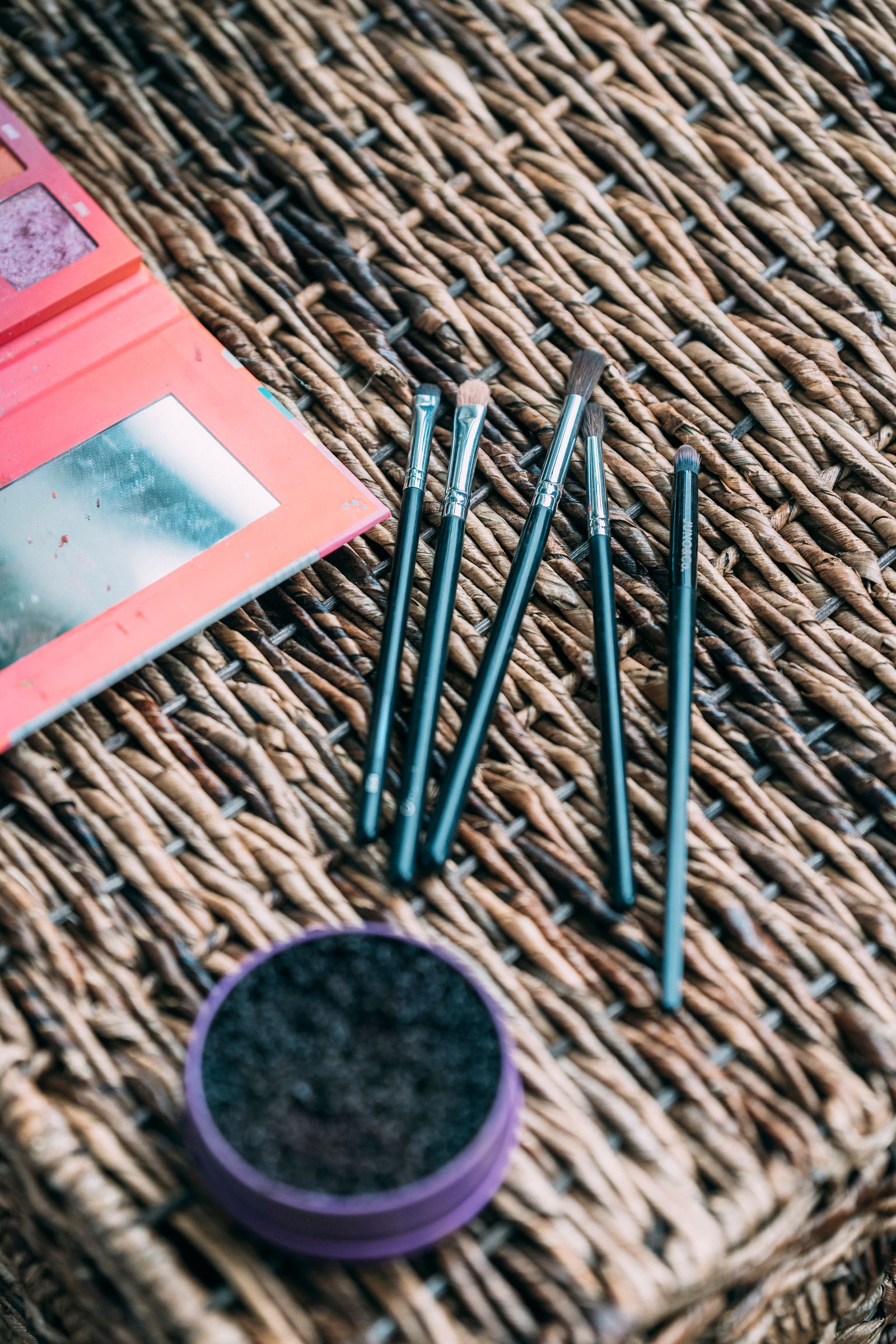
    Makeup brushes and a soft eyeshadow palette arranged for an eye makeup look

    Create Softly Defined Eyes

    Eyes are often the focal point of a romantic makeup look, but they do not need sharp lines or intense color. Begin with a matte neutral shade close to your natural skin tone to create an even base. Sweep a soft taupe, muted rose, or warm brown through the crease, then blend the edges until the transition looks seamless.

    Add a subtle shimmer to the center of the lid or inner corner if you want a little light-catching detail. Champagne, pale gold, soft pink, and satin beige shades can brighten the eyes without appearing overly glittery. Press shimmer on with a fingertip for a gentle finish, or use a flat brush for more control.

    Use Eyeliner With a Light Hand

    Instead of a sharp black wing, try brown, plum, charcoal, or deep bronze liner close to the upper lashes. Smudge the line with a small brush before it sets to create soft definition. You can also use dark eyeshadow with an angled brush for an even more diffused effect.

    Finish with one or two coats of mascara. Focus on separating the lashes rather than building extreme volume. For a special occasion, individual lash clusters or a natural-looking half lash can add lift while keeping the look wearable.

    Bring Warmth Back With Blush and Bronzer

    Blush gives soft romantic makeup its healthy, alive quality. Cream and liquid formulas are especially helpful when you want skin to look naturally luminous, although powder blush can work well over a set base. Apply blush to the apples of the cheeks and blend upward toward the temples for a lifted effect.

    Rosy pink, peach, apricot, and soft berry shades are all lovely options. Choose a color that resembles the natural flush your skin gets after a walk or a warm conversation. Start with a small amount, then build slowly. It is much easier to add blush than to remove it.

    If you use bronzer, choose a shade that adds gentle warmth rather than a strong contour. Sweep it lightly around the outer edges of the face, along the temples, and beneath the cheekbones. A subtle cream bronzer can look especially seamless when blended before powder products.

    Add a Delicate Highlight

    Highlight should support the glow of the skin, not create a stripe of sparkle. Choose a finely milled powder, liquid, or cream formula with a soft sheen. Apply a small amount to the high points of the cheeks, the bridge of the nose if you enjoy that effect, and the cupid’s bow.

    For a more understated finish, use a radiant blush instead of a separate highlighter. This can give the cheeks a gentle glow while keeping the overall look simple and cohesive.

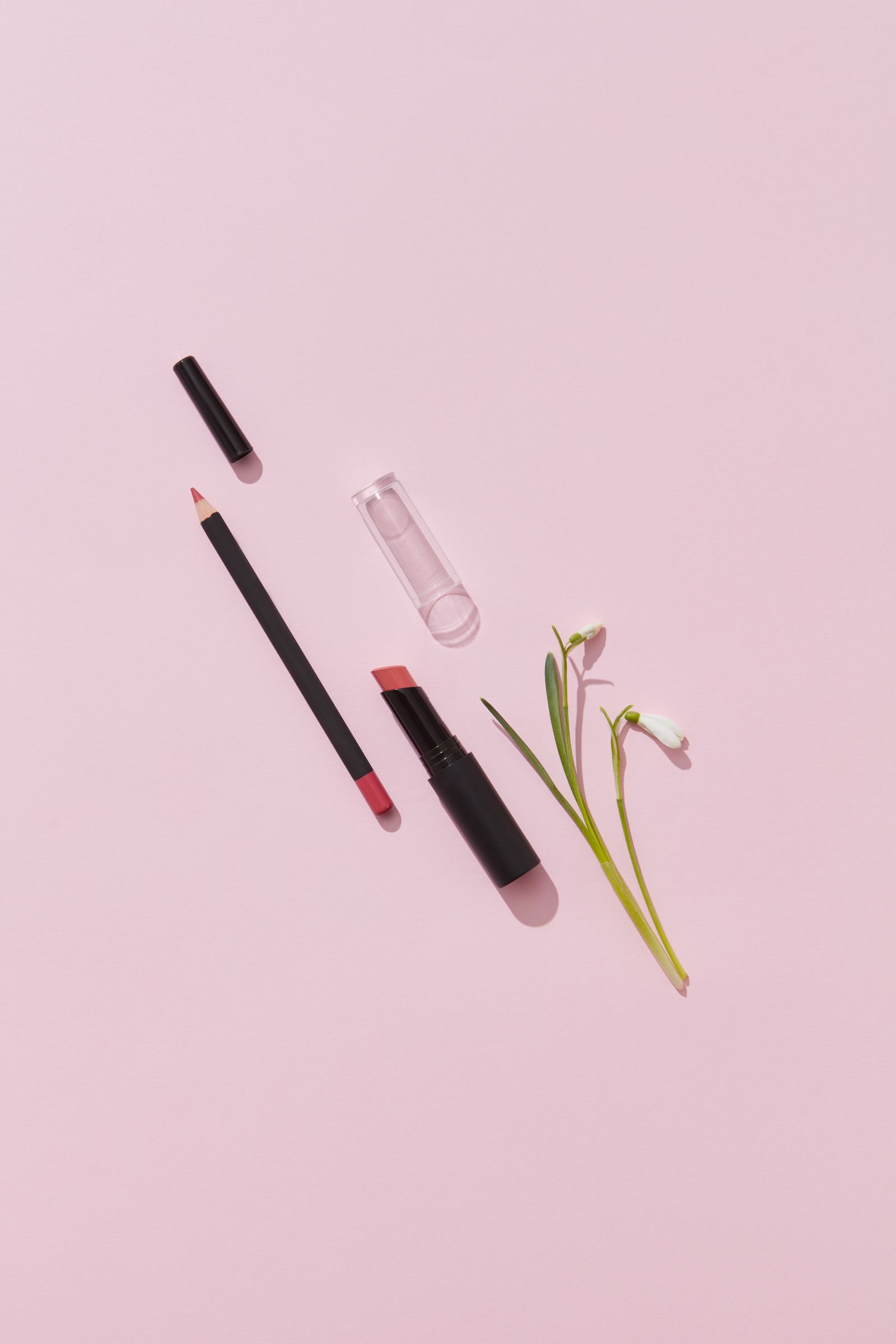
    Lipstick and lip pencil with a flower on a soft pink background

    Choose a Lip Color You Can Reapply Easily

    A comfortable lip color makes the entire look more practical for dinner, conversation, and photos. Rosy nude lipstick, sheer berry balm, peach gloss, or a softly blurred pink stain can all work well. If you are unsure which direction to choose, look at the tone of your blush and select a lip color that belongs to the same color family.

    For more definition, lightly trace the lips with a liner close to your natural lip tone, then soften the edges with a fingertip or lip brush. Apply lipstick or gloss in the center first and press the lips together. This creates a diffused effect that feels less formal than a sharply outlined lip.

    Bring your lip product with you for easy touch-ups. A makeup look feels more relaxed when you are not worried about keeping every detail perfect.

    Set the Makeup Without Losing the Glow

    Setting products can help makeup last through an evening, but using too much powder can take away the soft finish you worked to create. Apply translucent powder only where you tend to get shiny, such as the sides of the nose, chin, or center of the forehead. Leave the high points of the cheeks more radiant.

    A setting spray can help powders and creams blend together and make the final makeup look less layered. Hold it at a comfortable distance and mist lightly. Let it dry naturally before getting dressed or touching your face.

    Common Mistakes to Avoid

    Soft romantic makeup is forgiving, but a few habits can make it look heavier than intended. The first is applying too many full-coverage products at once. Use a lighter hand with foundation, concealer, contour, powder, and highlighter so the skin still has dimension.

    Another common mistake is choosing a very bold feature without balancing the rest of the face. A deep lip or dramatic lash can still be beautiful, but keep eyes, cheeks, or both more understated. Finally, do not skip blending. Take a moment to soften the edges of eyeshadow, blush, bronzer, and lip liner before you leave.

    Final Thoughts

    Soft romantic makeup is about looking polished while still feeling comfortable and recognizable. A fresh base, blended eyes, warm blush, and a wearable lip color can create a look that suits date nights and special plans without requiring complicated techniques. Choose shades that make you feel at ease, and let the finish be softly luminous rather than overly perfect.

    FAQs

    What colors are best for soft romantic makeup?

    Rose, peach, mauve, soft berry, champagne, taupe, and warm brown are versatile choices. Pick shades that suit your skin tone and repeat a similar undertone across the eyes, cheeks, and lips.

    Can I create this look with minimal makeup?

    Yes. A skin tint, cream blush, mascara, soft brow product, and tinted lip balm are enough to create a simple romantic version of the look.

    Should soft romantic makeup use matte or glowy products?

    A mix usually looks most balanced. Use a natural or satin base, softly luminous cheeks, and a little powder only where you need it for comfort.

    How can I make the makeup last through dinner?

    Apply thin layers, set only areas that become shiny, use a light mist of setting spray, and bring your lip product for touch-ups.

    Can I wear a red lip with soft romantic makeup?

    Yes. Choose a softer red, rose-red, or blurred stain, then keep the eyes and cheeks more understated so the overall look remains balanced.

  • How to Build a Timeless Jewelry Collection on Any Budget

    How to Build a Timeless Jewelry Collection on Any Budget

    A timeless jewelry collection is not about owning the most pieces or buying the most expensive ones. It is about choosing designs that feel like you, work with the clothes you already wear, and remain easy to reach for years from now.

    Learning how to build a timeless jewelry collection on any budget starts with a thoughtful foundation. A few versatile pieces in flattering metals and practical materials can create more everyday style than a drawer full of impulse purchases.

    Start With Your Personal Style and Daily Life

    Before shopping, take a close look at the outfits you wear most often. Do you lean toward tailored basics, relaxed denim, feminine dresses, bold color, or minimalist neutrals? Your jewelry should support your real wardrobe rather than an imagined version of it.

    Also consider your routine. Someone who works in an office may enjoy delicate hoops and a simple chain necklace, while someone with a more creative or social schedule may want a few statement earrings or textured rings. The goal is to build a collection that feels natural on an ordinary Tuesday, not only for special occasions.

    • Notice which metal tones you already wear most comfortably.
    • Think about whether you prefer subtle, classic, modern, or expressive pieces.
    • Choose jewelry that will work with at least three outfits you already own.
    • Prioritize comfort, especially for earrings, rings, and everyday necklaces.

    Choose a Metal Tone You Will Wear Repeatedly

    One of the easiest ways to make a jewelry collection feel cohesive is to begin with one main metal tone. Yellow gold has a warm, traditional feel, while silver-tone jewelry and white gold often look crisp and understated. Rose gold can add softness, and mixed metals can feel relaxed and modern when styled with intention.

    You do not have to commit to only one metal forever. Still, choosing a primary tone makes early purchases easier because new pieces will naturally coordinate with what you already own. Once you have a reliable base, adding a second metal tone can make your collection feel more flexible.

    For a lower-cost starting point, look for stainless steel, sterling silver, gold vermeil, or well-made gold-plated pieces. Read product descriptions carefully, especially if you have sensitive skin. Materials and coatings can affect comfort, durability, and how much care a piece may need.

    Classic necklace, earrings, and ring arranged on a light background

    Build Your Everyday Jewelry Essentials First

    A timeless jewelry collection usually begins with a small group of dependable staples. These are the pieces that can move from casual outfits to workwear and dinners without feeling overdone.

    Simple Earrings

    Small hoops, studs, or understated drop earrings are among the most useful additions to any collection. Choose a size that feels proportional to your face and hairstyle. Tiny studs can feel polished and effortless, while medium hoops offer a little more presence without becoming difficult to wear every day.

    A Versatile Necklace

    A fine chain with a small pendant, a plain chain, or a delicate initial-style necklace can become an everyday signature. Look for an adjustable chain if possible, since changing the length helps the same necklace work with different necklines.

    A Comfortable Ring

    A slim band, signet-inspired ring, or small stone ring can add personality without needing a special occasion. If you use your hands frequently, choose a smooth design with a lower profile. It will be less likely to catch on clothing or feel inconvenient during the day.

    A Watch or Structured Bracelet

    A classic watch, simple bangle, or slim chain bracelet can bring balance to your collection. These pieces look especially good with long sleeves, tailored shirts, and neutral outfits that need a little finishing detail.

    Invest Slowly in Pieces With Strong Cost Per Wear

    Building a collection on any budget does not mean every piece has to be inexpensive. It means knowing where a higher-quality purchase may make sense. A well-made pair of everyday hoops, a durable chain, or a special ring you plan to wear often may offer better long-term value than several pieces that quickly lose their finish or no longer suit your style.

    When you are considering a more expensive piece, ask yourself a few practical questions. Will you wear it at least once a week? Does it work with your existing jewelry? Is the design simple enough to remain appealing after current trends change? Can you care for it realistically?

    It can also be wise to set a jewelry budget by category. For example, you might save gradually for one quality necklace while choosing more affordable earrings for seasonal variety. This approach keeps your collection intentional without making personal style feel restrictive.

    A varied collection of necklaces, rings, bracelets, and earrings on a wooden surface

    Add Personality Through One or Two Statement Pieces

    Once your everyday basics are in place, choose a few pieces that make your collection feel more personal. These might be sculptural earrings, a colorful stone pendant, a vintage-inspired brooch, a bold cuff, or a ring with an interesting texture.

    Statement jewelry works best when it has enough space to be noticed. Pair bold earrings with a simple neckline and fewer competing accessories. Wear a larger necklace with a plain top or dress. If you choose a distinctive ring, let it stand out beside smaller, quieter bands.

    You do not need many statement pieces. Two or three that genuinely suit your taste can create more options than a large assortment of trend-led accessories that all compete for attention.

    Learn the Art of Simple Layering

    Layering can make classic jewelry feel fresh, but the most flattering combinations usually have some visual order. Try varying necklace lengths so each chain remains visible, or pair one smooth chain with another that has a small pendant or subtle texture.

    For rings, combine different widths while keeping a shared detail, such as the same metal tone or a similar finish. With bracelets, mix one structured piece with one delicate chain rather than stacking several heavy items together.

    A helpful rule is to choose one area to emphasize. If you are wearing layered necklaces, keep earrings more understated. If you have chosen bold earrings, a single bracelet or ring may be all you need. This makes the finished look feel polished rather than crowded.

    Shop Carefully at Every Price Point

    Affordable jewelry can be a smart part of a timeless collection, especially when you focus on shape, material, and construction. Look for secure clasps, smooth edges, clear material descriptions, and product photos that show scale. Avoid buying solely because a piece is on sale or resembles a passing social-media trend.

    Secondhand and vintage shopping can also be a wonderful way to find unique pieces. Inspect clasps, stones, prongs, and plating before purchasing. For valuable pieces, consider buying from sellers who clearly describe condition and provide a reliable return policy.

    When shopping for jewelry as a gift to yourself or someone else, timeless does not have to mean plain. A meaningful engraving, a birthstone, or a design connected to a memorable moment can make a simple piece feel far more special.

    Care for Jewelry So It Stays Beautiful

    Proper care helps jewelry look better for longer, regardless of its price. Remove pieces before swimming, exercising, cleaning, or applying products such as perfume, lotion, and hairspray. These habits can reduce buildup and help preserve finishes over time.

    • Store necklaces separately or fasten their clasps to reduce tangling.
    • Keep silver-tone pieces dry and wipe them gently with an appropriate polishing cloth when needed.
    • Use a soft pouch or lined box for delicate pieces and stones.
    • Check earring backs, clasps, and stone settings occasionally.

    For sentimental, antique, or higher-value jewelry, professional cleaning or inspection can be worth considering. When in doubt, follow the care guidance for the specific metal or stone rather than using a one-size-fits-all cleaning method.

    A Timeless Jewelry Collection Should Grow With You

    The best timeless jewelry collection is not completed in one shopping trip. It develops gradually as you learn what you enjoy wearing, which designs fit your lifestyle, and what feels most like your own signature style.

    Begin with useful essentials, choose quality where it matters most, and leave room for a few pieces that bring you joy. With thoughtful choices, you can build a timeless jewelry collection on any budget that feels polished, personal, and easy to wear for years.

    Final Thoughts

    Jewelry becomes timeless when it earns a place in your everyday life. Focus on versatile shapes, comfortable materials, and pieces that work with your existing wardrobe. A smaller, carefully chosen collection can look more confident and meaningful than one built around short-lived trends.

    FAQs

    What are the first pieces to buy for a timeless jewelry collection?

    Start with simple earrings, one versatile necklace, a comfortable ring, and either a watch or slim bracelet. These pieces offer the most everyday styling options.

    Can affordable jewelry still look timeless?

    Yes. Focus on classic proportions, clear material information, secure construction, and designs you would wear with multiple outfits. Timeless style is more about thoughtful selection than price alone.

    Is it okay to mix gold and silver jewelry?

    Yes. Keep the mix intentional by repeating each metal at least once, such as gold earrings with a gold ring and a silver-tone watch or bracelet.

    How many statement pieces should I own?

    Two or three well-chosen statement pieces are usually enough to add variety. Choose styles that reflect your personality and pair easily with simpler basics.

    What jewelry materials are practical for everyday wear?

    Stainless steel, sterling silver, solid gold, and carefully made vermeil can be practical options. The best choice depends on your budget, comfort, sensitivity, and care routine.

  • Beauty Reset for the New Year: Easy Habits for Looking and Feeling More Put Together

    Beauty Reset for the New Year: Easy Habits for Looking and Feeling More Put Together

    A new year can be a useful moment to reset your beauty routine, but it does not need to involve a dramatic makeover or a cart full of new products. The most meaningful changes are often small habits that make you feel more organized, comfortable, and confident in your everyday life.

    A beauty reset for the new year is less about chasing perfection and more about choosing a few routines that support the way you want to feel. With a little editing, a little consistency, and a little more care for the details, it is possible to look more put together without making your mornings feel longer or more complicated.

    Begin Your Beauty Reset With What You Already Own

    Before buying anything new, take a closer look at what is already in your makeup bag, bathroom cabinet, and jewelry box. You may have products you genuinely enjoy but have forgotten to use, as well as items that no longer suit your routine.

    Start by clearing out products that are empty, dried out, damaged, or no longer feel comfortable to use. Then group the items you want to keep into simple categories such as daily skincare, everyday makeup, special-occasion makeup, hair care, and accessories.

    This small edit makes your routine easier to see. When your most useful products are within reach, you are more likely to use them consistently. A tidy space can also make a regular morning routine feel calmer and more intentional.

    Create a Reliable Everyday Skincare Foundation

    Looking polished often begins with skin that feels comfortable. You do not need an elaborate routine to support that feeling. A gentle cleanser, a moisturizer that suits your skin, and sunscreen for daytime can create a dependable foundation.

    Try to focus on how your skin feels rather than expecting a perfect appearance. If your routine leaves your skin feeling tight, overly dry, or irritated, it may be worth simplifying your products or adjusting how often you use certain treatments.

    For the new year, choose one skincare habit that feels realistic. It may be removing makeup before bed, applying moisturizer consistently, or remembering sunscreen before leaving home. One dependable habit can make a bigger difference than adding several unfamiliar products at once.

    Make Your Morning Routine Easier to Follow

    A rushed morning can make even a simple routine feel difficult. The goal is not to wake up much earlier. It is to remove small obstacles that make getting ready feel stressful.

    Keep your everyday essentials together in one place. Your cleanser, moisturizer, sunscreen, favorite lip product, and go-to earrings do not need to be scattered across different drawers. Creating a small daily-use area can save time and help you feel more prepared.

    You can also choose a short version of your beauty routine for busy days. A quick cleanse or rinse, moisturizer, sunscreen, groomed brows, a little concealer, and a lip color you enjoy may be enough to help you feel refreshed without requiring a full makeup look.

    • Keep one everyday lip product in your bag.
    • Choose a makeup base that feels comfortable for several hours.
    • Set out tomorrow’s jewelry or hair accessory the night before.
    • Use a small tray or pouch for products you reach for most often.

    Choose a Signature Look That Feels Like You

    Feeling put together does not require a completely different style. It can be as simple as identifying the details that make you feel most like yourself.

    Perhaps you feel more confident with soft, natural makeup and a polished hairstyle. Maybe a bold lipstick, small gold hoops, or a favorite fragrance helps you feel ready for an important day. Your signature look should be easy enough to repeat and flexible enough to suit different occasions.

    Think about the colors, textures, and accessories you naturally reach for. Instead of copying every new trend, build on the details that already work for you. This creates a more consistent personal style and makes getting dressed feel less like a daily decision.

    Give Your Makeup Bag a Practical Refresh

    A beauty reset is a good opportunity to make your makeup bag more useful. Keep products that match your current skin tone, routine, and style, then remove items you have not touched in months.

    It can help to build a small collection of dependable basics. A complexion product you like, a concealer, mascara, brow product, blush, and one or two lip colors can create many everyday looks. You do not need every category in multiple shades to feel polished.

    Check the condition of your brushes and sponges as well. Cleaning tools regularly can make makeup application feel smoother and more pleasant. If a brush sheds badly or a sponge has become difficult to clean, replacing it may be more useful than purchasing another makeup product.

    Use Accessories to Finish an Outfit With Less Effort

    Accessories can make simple clothing feel more intentional without requiring a major wardrobe change. A pair of earrings, a delicate necklace, a watch, or a structured bag can add a finished feeling to an otherwise casual look.

    Choose a few pieces that work with many outfits rather than saving all your jewelry for special occasions. Small hoops, simple studs, a pendant necklace, or a slim bracelet can become easy daily choices. Keeping these items in a visible, organized place helps you remember to wear them.

    You can also create a few accessory combinations in advance. For example, pair one set of earrings with your favorite neutral makeup look, or choose a necklace that works with both sweaters and open-neckline tops. These small decisions can make busy mornings feel more effortless.

    Build Beauty Habits Around Rest and Care

    A fresh appearance is not only about products. Rest, comfort, and small moments of care can influence how you feel when you look in the mirror. A beauty reset for the new year can include habits that help you slow down and feel more settled.

    Try creating one evening ritual that feels easy to maintain. It might be washing your face before bed, applying hand cream, preparing your outfit for the morning, or taking a few quiet minutes away from your phone. These habits do not need to be elaborate to feel restorative.

    It is also helpful to avoid treating self-care as another task to complete perfectly. Some days you may have time for a longer routine, while other days the basics are enough. A flexible routine is much more likely to last through the year.

    Final Thoughts

    A beauty reset for the new year is not about becoming someone else. It is about making your current routines work better for you. Start by organizing what you own, simplify your daily essentials, and choose details that make you feel comfortable and confident.

    Easy habits can create a more polished feeling over time. When your skincare, makeup, accessories, and daily routines reflect your real life, looking and feeling more put together becomes much easier to maintain.

    FAQs

    What is the easiest way to start a beauty reset?

    Begin by clearing out products you no longer use and organizing your everyday essentials. This gives you a clearer view of what already works for your routine.

    Do I need to buy new beauty products for the new year?

    No. A reset can begin with the products you already own. Only replace items that are empty, no longer suitable, or genuinely missing from your routine.

    How can I look more put together on busy mornings?

    Create a short routine with a few dependable steps, such as moisturizer, sunscreen, groomed brows, a simple lip product, and one accessory you enjoy wearing.

    How often should I clean makeup brushes?

    Brushes used with liquid or cream products often benefit from more frequent cleaning, while brushes used with dry powder products may be cleaned less often. Clean them whenever they begin to feel product-heavy or less effective.

    What accessories are best for everyday wear?

    Choose simple pieces that match many outfits, such as small hoops, studs, a pendant necklace, a slim bracelet, or a watch. Comfort and versatility matter more than following a specific trend.

    How can I keep a beauty routine consistent all year?

    Keep the routine short, visible, and flexible. Choose products you enjoy using, connect the steps to habits you already have, and let the basics be enough on busy days.

  • How to Build a Simple Skincare Routine That You Will Actually Stick To

    How to Build a Simple Skincare Routine That You Will Actually Stick To

    A simple skincare routine is often more useful than a shelf full of products you only use once or twice. The goal is not to follow every beauty trend or create a complicated ritual. It is to choose a few dependable steps that feel good on your skin and fit naturally into your day.

    If you have ever bought products with great intentions, then stopped using them after a week, you are not alone. A routine becomes sustainable when it is clear, comfortable, and realistic. Learning how to build a simple skincare routine starts with understanding what your skin needs most and letting go of the pressure to do everything at once.

    Start With Your Everyday Needs

    Before choosing products, think about your current skin and your actual routine. Does your skin feel tight after cleansing? Does it become shiny during the day? Do you usually wear makeup, sunscreen, or both? These simple observations can help you choose products with more purpose.

    You do not need to identify every possible concern before getting started. Begin with one goal that feels most important to you. It may be keeping your skin comfortable in dry weather, finding a routine that works under makeup, or simply creating a calmer evening habit.

    Your schedule matters too. A routine that takes a few minutes in the morning and evening is much easier to maintain than one with many steps. Choose products you can use on busy weekdays, relaxed weekends, and tired nights. Consistency is more valuable than an impressive-looking collection.

    The Essential Steps in a Simple Skincare Routine

    For many people, a simple skincare routine can begin with three core categories: cleanser, moisturizer, and sunscreen. These steps create a useful foundation before you add anything more targeted.

    Choose a Gentle Cleanser

    Cleansing removes makeup, sunscreen, sweat, and daily buildup. The best cleanser is not necessarily the strongest one. It should leave your skin feeling fresh and comfortable rather than tight or stripped.

    If your skin tends to feel dry or sensitive, a creamy or low-foaming cleanser may feel more comfortable. If you have oilier skin, a lightweight gel cleanser can offer a clean finish without feeling heavy. Pay attention to how your skin feels after washing. Discomfort is often a sign that a product may be too harsh for regular use.

    Use a Moisturizer That Feels Right

    Moisturizer can be useful for every skin type, including oily and combination skin. It helps support a comfortable skin feel and can make the rest of your routine more pleasant.

    • Lightweight gels and lotions may feel comfortable in humid weather or on oilier skin.
    • Creamier textures may suit dry skin or colder seasons.
    • Fragrance-free formulas can be worth considering if your skin is easily irritated.

    There is no need to choose the richest formula if you dislike how it feels. A moisturizer you enjoy applying every day is often a better choice than one that sits unused in your bathroom cabinet.

    Make Sunscreen Part of Your Morning

    Sunscreen is an important daytime step for people who spend time outdoors or near daylight. Choose a broad-spectrum sunscreen that feels comfortable enough to wear regularly. A fluid, gel, cream, or tinted formula may suit different preferences and routines.

    Apply sunscreen as the final step of your morning skincare routine, before makeup. When you expect extended outdoor exposure, follow the product directions for reapplication. The most practical option is usually the one that layers well with your other products and does not make you want to skip it.

    Keep Your Morning Routine Short

    Morning skincare does not need to be elaborate. A simple routine can help your skin feel fresh and ready for the day without adding stress to an already busy morning.

    1. Cleanse gently or rinse with lukewarm water, depending on what feels comfortable for your skin.
    2. Apply moisturizer if your skin needs it.
    3. Finish with sunscreen.

    Some people enjoy using a hydrating serum in the morning, especially when their skin feels dry or looks tired. This can be a useful addition, but it should support your routine rather than make it feel complicated. Start with the essentials first, then add an extra step only when you know why you want it.

    Create a Calming Evening Routine

    Your evening routine is a chance to remove the day and give your skin a clean, comfortable reset before bed. It does not need to be long to feel restorative.

    Start by removing makeup, sunscreen, and daily buildup. If you wear heavier makeup or water-resistant sunscreen, you may prefer to use a cleansing balm, oil cleanser, or makeup remover before your regular cleanser. This can help your second cleanse feel gentle rather than overly aggressive.

    After cleansing, apply your moisturizer. If you are using one targeted product, such as a hydrating serum, apply it before your moisturizer unless the product directions suggest otherwise. Keeping the rest of the routine simple makes it easier to notice whether a new product suits your skin.

    Add New Products Slowly

    Once your basic routine feels easy to follow, you can consider adding a product for a specific reason. This may be extra hydration, a smoother skin feel, occasional blemishes, or a more even-looking complexion.

    The key is to add one new product at a time. Introducing several formulas at once can make it difficult to understand what your skin likes and what may be causing discomfort. It can also turn a simple routine into a confusing one.

    If you want more hydration, a gentle serum may be worth considering. If you are interested in exfoliation, start carefully and avoid layering multiple strong exfoliating products in the same routine. For persistent irritation, painful breakouts, or ongoing skin concerns, consult a qualified dermatologist for guidance that fits your individual needs.

    Make Your Routine Easy to Remember

    A good routine should work even when life is busy. Keep your core products somewhere easy to see and reach. If your moisturizer is hidden in a drawer and your sunscreen is in another room, each step becomes easier to postpone.

    Try linking skincare to habits you already have. You might apply your evening moisturizer after brushing your teeth or keep sunscreen beside your makeup bag. These small connections can make the routine feel automatic over time.

    It also helps to let go of perfection. Missing a night does not mean you have failed. Simply return to your usual steps the next time. A steady routine that allows for real life is more sustainable than one that feels strict or demanding.

    Common Mistakes to Avoid

    One common mistake is buying too many products before you know what your skin needs. New launches can be exciting, but an overloaded routine may become expensive, difficult to maintain, and harder to understand.

    Another mistake is changing products too quickly. Your skin often needs time to adjust to a new texture or formula. Switching everything after a few uses can make it difficult to tell which products are actually working well for you.

    It is also easy to choose products because they are popular online rather than because they fit your own needs. Trends can offer inspiration, but your skincare routine should be based on comfort, consistency, and the way your skin responds.

    Final Thoughts

    Knowing how to build a simple skincare routine is really about creating a few useful habits you can maintain. Start with a gentle cleanser, a moisturizer that feels comfortable, and sunscreen for the daytime. Once those steps feel natural, you can add targeted products with more confidence.

    A simple skincare routine does not need to be perfect to be worthwhile. Keep it practical, pay attention to how your skin feels, and choose products that make everyday care feel easier rather than more complicated.

    FAQs

    How long should a simple skincare routine take?

    A basic morning or evening routine can take only a few minutes. Keeping your core steps simple makes the habit easier to follow consistently.

    Do I need different products for morning and night?

    Not always. Many people use the same cleanser and moisturizer twice a day. Sunscreen is mainly a daytime step, while a targeted treatment may fit better into an evening routine.

    Can oily skin use moisturizer?

    Yes. Oily skin can still benefit from moisture. A lightweight gel or lotion may feel more comfortable than a richer cream.

    When should I add a serum?

    Add a serum after your cleanser, moisturizer, and sunscreen routine feels consistent. Choose one with a clear purpose and introduce it gradually.

    Is it okay to rinse with water instead of cleansing in the morning?

    For some people, especially those with dry or sensitive skin, a lukewarm water rinse may feel sufficient in the morning. Others prefer a gentle cleanse. Choose the option that leaves your skin feeling comfortable.

    What should I do if a new product irritates my skin?

    Stop using the new product and return to a gentle routine with cleanser, moisturizer, and sunscreen. If irritation continues or feels severe, consult a qualified dermatologist.