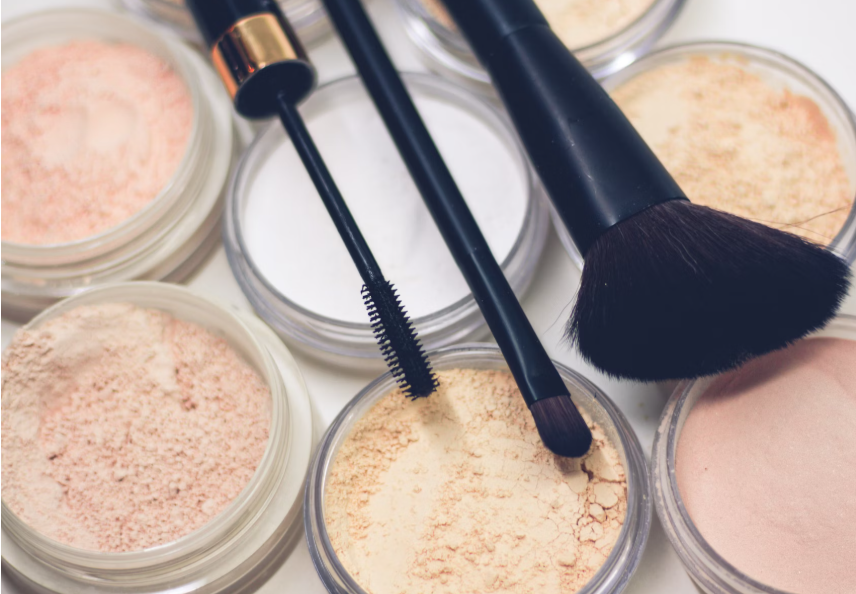
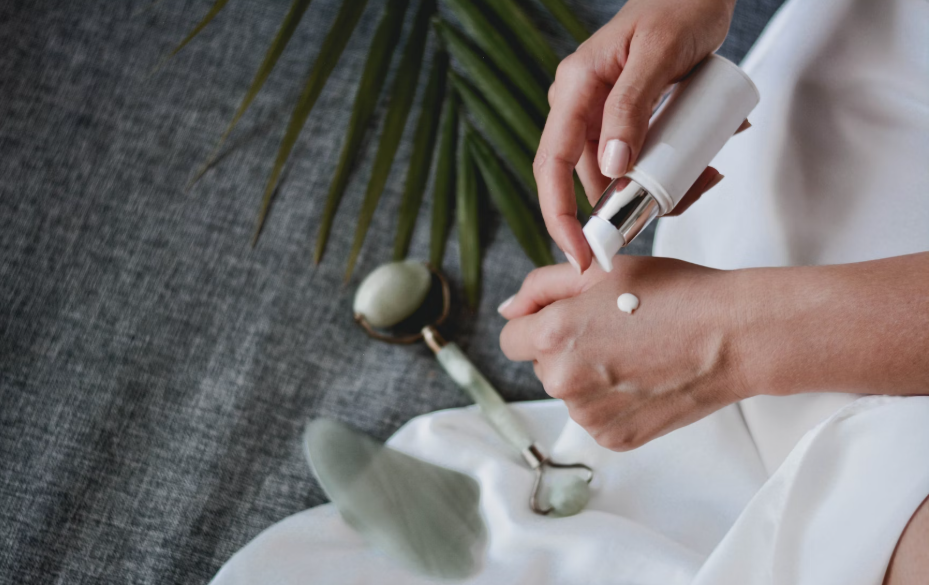
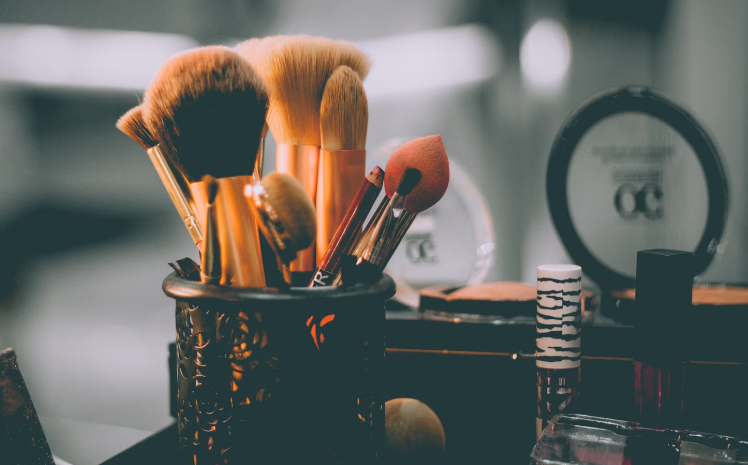
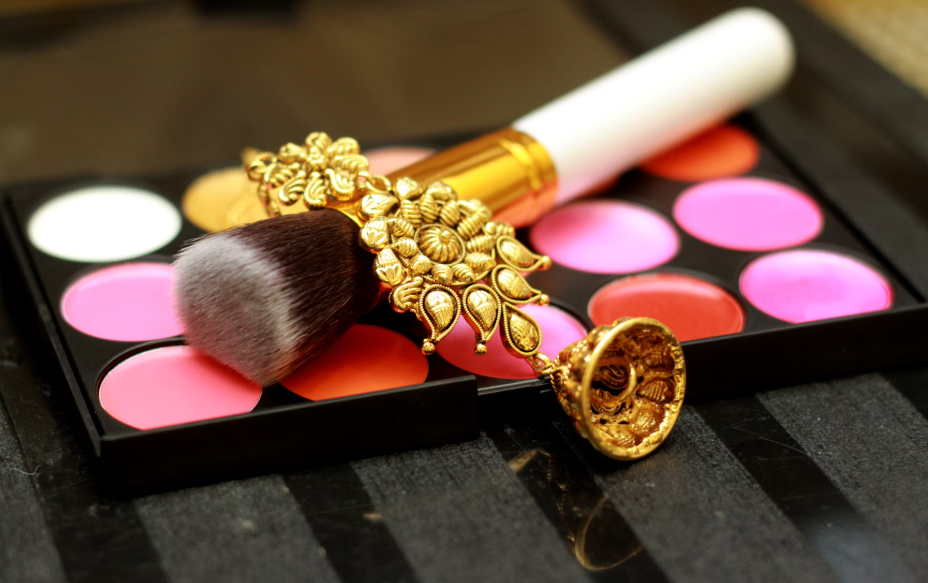
Intro: As the leaves turn golden and the air grows crisp, it’s time to update not just your skincare but your wardrobe. Autumn brings warm hues, cozy textures, and the chance to blend fashion with beauty in a way that feels naturally elegant. With Volcano.pl’s latest fall collection, pairing seasonal makeup with stylish outfits has never been easier.
Body:
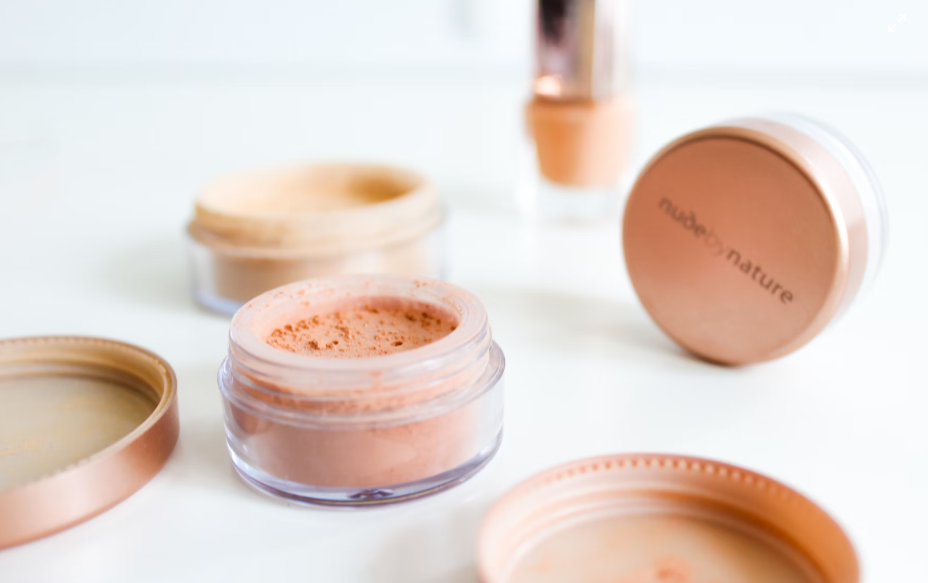
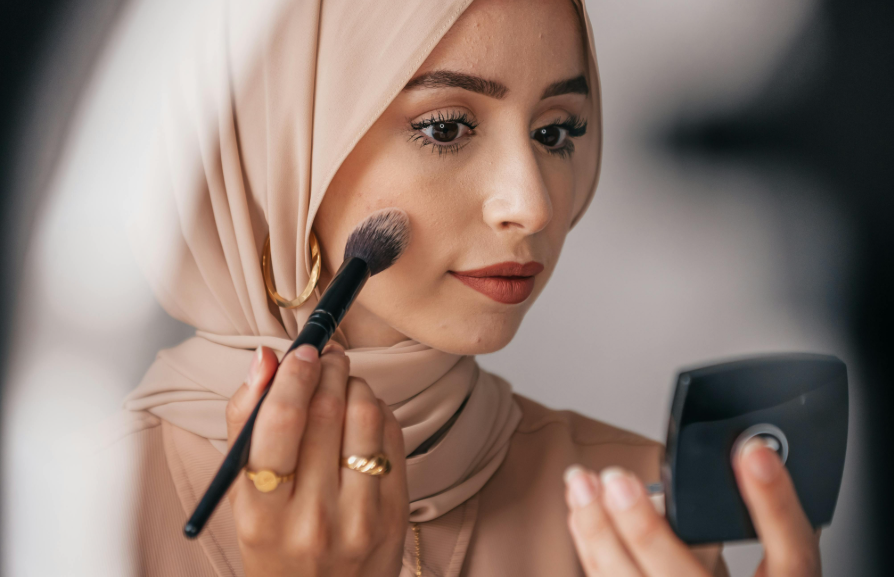
1. Earthy Tones for Warmth Swap summer’s coral blush for deeper shades like terracotta or burnt orange. Pair this with Volcano’s earth-toned cardigans or camel coats for a harmonious, on-trend look. The color synergy will enhance your complexion’s natural warmth.
2. Bold Lips, Structured Coats Autumn is the perfect time to experiment with bold lipstick shades—think plum, wine, or deep berry. Volcano’s structured wool coats offer the perfect canvas for such a statement lip, creating an effortlessly polished vibe.
3. Layered Looks for Dimensional Makeup Just as you layer skincare and makeup for depth, layering clothing can add visual interest. Try Volcano’s chunky knit over a sleek turtleneck, paired with smoky eyeshadow for a cozy yet sophisticated allure.
4. Accessories That Tie It All Together Volcano’s scarves and beanies in rich jewel tones work beautifully with warm-toned eyeshadow palettes. The result? A cohesive, photo-ready autumn aesthetic.
Conclusion (Soft Call-to-Action): Autumn is more than a season—it’s a mood. With Volcano’s fashion essentials and a touch of seasonal makeup magic, you can capture it effortlessly. Browse the new arrivals at Volcano.pl and create your ultimate fall beauty-and-fashion harmony.
In today’s fast-paced world, many people overlook skincare due to busy work schedules, family responsibilities, and social events. However, skin health is often a reflection of our overall well-being, and neglecting it can lead to various issues such as dull skin, premature aging, and acne.
A well-structured skincare routine not only saves time but also provides a moment of calm and self-care in your hectic day. The key to creating a routine is that it should be simple yet effective—integrating easily into your busy lifestyle.
Understand Your Skin Type
Before diving into a skincare routine, it’s crucial to determine your skin type, as different skin types respond differently to products and ingredients.
Dry Skin: Tight, flaky, and prone to dryness due to a lack of moisture.
Oily Skin: Excessive oil production, enlarged pores, and a tendency to break out.
Combination Skin: Oily in the T-zone (forehead, nose, chin) and dry on the cheeks.
Sensitive Skin: Easily irritated, prone to redness, burning, or itching.
The easiest way to determine your skin type is to cleanse your face and wait for an hour without applying any products. This helps you assess how your skin behaves naturally.
Set Realistic Skincare Goals
Skincare should not be about following trends or trying out every new product. Instead, you need to define your goals clearly.
Are you focused on clearing up acne?
Is brightening your skin the main objective?
Or do you want to prevent signs of aging?
Once you’ve set clear goals, it will be much easier to create a tailored skincare routine that meets your specific needs, saving you time and energy.
The Three Core Steps: Cleanse, Moisturize, Protect
You don’t need a 10-step routine to have great skin. The three most essential steps are:
1. Cleansing
Choose a gentle cleanser that won’t strip your skin’s natural barrier. If you have dry skin, go for an amino acid-based cleanser. If you have oily skin, opt for one with salicylic acid to help with oil control.
2. Moisturizing
Moisturizing is key to maintaining healthy skin. Dry skin requires richer, cream-based moisturizers with ingredients like ceramides, while oily skin benefits from lighter lotions or gels.
3. Sun Protection
UV rays are the number one cause of skin aging. Sunscreen is essential, even if you’re just commuting. Look for a sunscreen with SPF 30 or higher.
These three steps should be the foundation of your skincare routine. No matter how busy you are, don’t skip them.
Adopt the “Less is More” Principle
You don’t need an elaborate skincare regimen. For those with busy lifestyles, keeping things simple is the key. By following the “less is more” principle, you can select products that offer multiple benefits, reducing the time spent applying layers of different products.
Choose multifunctional products, like moisturizers that include sunscreen or serums that offer anti-aging and brightening benefits.
Stick to a small, curated selection of products to avoid overwhelming your skin.
Morning Skincare Routine: The 5-Minute Plan
In the morning, time is always limited. Here’s a quick and efficient routine that takes less than 5 minutes:
Cleanser (1 minute)
Toner (30 seconds)
Serum (1 minute)
Moisturizer (1 minute)
Sunscreen (1 minute)
Multitask by applying products while doing other things like brushing your teeth or making coffee.
Evening Skincare Routine: 10 Minutes of Repair
At night, your skin is in repair mode. Here’s a 10-minute routine to help your skin recover from daily stressors:
Cleanser (2 minutes)
Toner + Serum (3 minutes)
Treatment Serums (for anti-aging or acne) (2 minutes)
Night Cream or Mask (3 minutes)
Evening routines allow more flexibility, so you can focus on intensive treatments and recovery.
Skincare on the Go: Tips for Commuters and Travelers
Traveling or commuting doesn’t mean you can’t care for your skin. Here are some portable skincare solutions:
Facial Mist: Keep a hydrating mist on hand to refresh your skin during the day.
Sunscreen Stick: A compact and easy way to reapply sunscreen without any mess.
Travel-sized Containers: Use small, refillable bottles to carry just the essentials.
Compressed Sheet Masks: A great quick-fix for dry skin during long flights or overnight trips.
Make use of your downtime, like waiting in line or during commutes, to rehydrate and refresh your skin.
How to Tackle Skin Emergencies (Late Nights, Mask Wearing, Weather Changes)
Skincare isn’t just about your routine; it’s also about how you adapt to unexpected situations:
Late Nights: For tired, dull skin, try serums with caffeine or niacinamide to boost radiance.
Mask Wearing: Wearing masks can lead to breakouts. Opt for soothing products with ingredients like Centella Asiatica or panthenol to calm irritation.
Weather Changes: During season changes, your skin may become sensitive or dry. Keep your routine simple and focus on barrier repair with ceramides and hydration.
Tech Skincare: Let Apps and Devices Help You Save Time
Incorporating technology can enhance your skincare routine:
Skincare Apps: Use apps like “Skin Journal” to track product usage and results over time.
Beauty Devices: Tools like LED masks or microcurrent devices can complement your routine, delivering quick and effective results.
Be mindful of your budget and skin’s needs when integrating new tech into your routine.
Say No to Information Overload: Become an Informed Skincare Consumer
The internet is flooded with skincare advice, and it can be overwhelming to navigate through conflicting information. Here’s how to keep it simple:
Research ingredients before buying—avoid products with overwhelming or potentially harmful additives.
Don’t blindly follow trends or influencer recommendations; assess products based on your skin’s needs.
Stick to your routine for a few weeks before deciding if it’s working—results take time.
Being an informed consumer helps you make smarter, more effective skincare choices.
Healthy Lifestyle: The Ultimate Skincare Booster
Healthy habits complement your skincare routine. Remember, skincare isn’t just about products—it’s a holistic approach that includes:
Diet: Limit sugary foods to reduce acne, and include antioxidant-rich foods like berries to improve skin health.
Sleep: Aim for 7-9 hours of sleep per night to support skin repair.
Stress Management: Chronic stress leads to breakouts and skin irritation. Incorporate mindfulness practices or exercise into your daily routine.
By nurturing your skin from the inside out, you’ll see more lasting results.
Consistency is Key to Skincare Success
Skincare isn’t a quick fix; it’s about consistency. Here’s how to maintain a simple routine that works for you:
Habit Stacking: Make skincare part of your daily routine, like applying products right after washing your face or brushing your teeth.
Reward Yourself: Celebrate your progress by treating yourself to a skincare mask after a week of consistent care.
Consistency leads to better results, so stick with it, and your skin will thank you.
Conclusion: Skincare is About Self-Care and Consistency
Skincare is not just about looking good—it’s about feeling good and prioritizing your well-being amidst a busy lifestyle. By simplifying your routine, focusing on your skin’s needs, and staying consistent, you’ll achieve healthy, radiant skin without sacrificing time.
The perfect skincare routine isn’t about using the latest products or following every trend. It’s about creating a routine that fits seamlessly into your life, making self-care a priority no matter how hectic your schedule.
Frequently Asked Questions (FAQs)
Q1: I’m always in a rush—can I still take care of my skin? A: Absolutely! A simple three-step routine (cleanse, moisturize, and protect with sunscreen) can be done in less than 5 minutes and will keep your skin healthy.
Q2: Do I need to have a separate routine for day and night? A: Yes, day routines focus on protection (like sunscreen), while night routines focus on repair (like treatments and richer moisturizers).
Q3: Do I need to remove makeup if I don’t wear any? A: Yes, cleansing is necessary even if you don’t wear makeup. Environmental pollutants, sunscreen, and oils still need to be removed.
Q4: How do I know what skincare products are right for me? A: Start by identifying your skin type and concerns. Choose products with gentle ingredients that address specific needs like hydration or acne treatment.
Q5: Can I see results from my skincare routine right away? A: Results generally take 2-4 weeks. Consistency is key, so be patient and allow time for products to work.
Q6: Is it really necessary to use sunscreen every day? A: Yes! Sunscreen protects your skin from UV damage, which can cause premature aging and increase the risk of skin cancer.
Intro: True beauty isn’t just about the perfect lipstick shade or flawless foundation—it’s about creating a look that tells your story. While your makeup defines the details, your outfit frames the entire picture. And when it comes to pairing effortless beauty with everyday style, Volcano.pl stands out with its timeless, versatile clothing collections.
Body:
1. Beauty Meets Comfort We’ve all been there—looking stunning in our makeup, only to feel that our outfit doesn’t quite match the vibe. Volcano understands this balance. Their women’s collection blends style and comfort, ensuring your outfit works as seamlessly as your skincare routine. Think soft knit sweaters that bring out the warmth in your bronzer, or tailored coats that make a bold red lip pop.
2. Effortless Coordination If you love minimal yet chic makeup—say, a nude palette with subtle highlights—Volcano’s neutral-toned jackets and flowy dresses will be your go-to. They create the perfect backdrop for understated glam, letting your features shine without visual overload.
3. Sustainable Style Just like clean beauty products, Volcano embraces quality over quantity. Their pieces are designed to last, making them not only a style investment but also a conscious choice for the planet.
Conclusion (Soft Call-to-Action): Next time you’re planning a photoshoot, a night out, or simply a “look good, feel good” day, pair your beauty routine with Volcano’s fashion essentials. Visit Volcano.pl and explore clothing that complements your makeup—because when style and beauty align, the result is unforgettable.
Ever caught a glimpse of someone and thought, “Wow, their skin looks like it’s lit from within”? That’s the dewy glow. It’s fresh, radiant, and effortlessly healthy-looking — and trust me, it’s more achievable than you might think. In a world that’s slowly moving away from heavy matte finishes, the dewy skin trend has made a glorious comeback. Whether you’re prepping for a brunch date or a Zoom meeting, that luminous sheen is the modern-day power move in beauty.
Understanding the Dewy Glow
Dewy vs. Oily: What’s the Difference?
Let’s get this straight — dewy is not greasy. Dewy skin reflects light in a soft, diffused way, making you look fresh and hydrated. Oily skin, on the other hand, can look shiny and uneven, with excess sebum causing breakouts and makeup slippage. Think of dewy as a glow you control.
What Causes Skin to Look Glowy Naturally?
Real radiance starts from within. Hydration, a balanced diet rich in omega-3s, and regular sleep all contribute to natural glow. But let’s be honest — even the healthiest skin sometimes needs a little help from the right products.
Essential Skincare Prep for a Dewy Base
Exfoliation: The First Step to Radiance
Dull skin often means there’s a layer of dead cells just sitting there. Weekly exfoliation — either with a gentle scrub or an AHA-based chemical exfoliant — clears the path for everything that follows.
Hydration is Non-Negotiable
A dewy glow without hydration is like trying to bake a cake without flour. Look for hydrating toners, serums, and moisturizers with hyaluronic acid or glycerin. They pull moisture into your skin and keep it there.
SPF: The Invisible Shield
If you’re skipping sunscreen, you’re undoing all your hard work. UV damage not only dulls your skin but also speeds up aging. Choose a lightweight, hydrating sunscreen that doesn’t leave a white cast.
Top 5 Beauty Products You Need for a Dewy Glow
Product #1: Hydrating Serum
Key Ingredients to Look For
Look for heavy-hitters like hyaluronic acid (HA), niacinamide, and panthenol. These hydrate deeply and also soothe the skin.
This serum is like giving your face a tall glass of water. Lightweight but deeply hydrating, it sinks in fast and leaves no tackiness behind.
Product #2: Dewy-Finish Primer
What It Does and Why You Need It
A good primer is like double-sided tape for your makeup. A dewy primer also adds a luminous base that shines through foundation without making you look greasy.
Recommended Product: Tatcha The Liquid Silk Canvas
It smooths, blurs, and leaves a silky finish that’s perfect under light foundation or even alone on good skin days.
Product #3: Illuminating Foundation or Skin Tint
Skip the Matte – Embrace the Glow
Matte foundations can flatten your face. For a lit-from-within glow, go for skin tints or radiant-finish foundations that let your skin breathe.
Recommended Product: NARS Pure Radiant Tinted Moisturizer
This cult-favorite evens out skin tone while allowing your natural skin to shine through — and bonus: it’s SPF 30!
Product #4: Cream Highlighter
Subtle Shine That Looks Natural
Cream highlighters melt into the skin, creating a natural gleam instead of a sparkly stripe.
Recommended Product: RMS Beauty Living Luminizer
Loved by makeup artists, this coconut oil-based highlighter adds just the right amount of dew without clogging pores.
Product #5: Facial Mist
Refresh & Set
A facial mist not only rehydrates your skin throughout the day but also sets makeup in place without killing your glow.
Recommended Product: Caudalie Beauty Elixir
Infused with essential oils and grape extract, this cult classic revives tired skin instantly and smells like a spa day.
Application Techniques That Maximize Glow
Layering Products the Right Way
Always start light and build up. Think of it like dressing your skin — toner, then serum, then moisturizer, and so on. Layering properly ensures each product does its job.
Don’t Forget the Tools
Fingers warm up creamy products for better blendability, while damp sponges give a sheer, dewy finish. Brushes can work too, but avoid buffing too hard or you’ll lose that glow.
Avoid These Common Mistakes
Over-applying Products
More isn’t always better. Overdoing highlighter or serum can take you from fresh to fried. Keep it minimal and strategic.
Using Powder in the Wrong Places
You can use powder — just not all over. Try setting only the T-zone and under-eyes to avoid looking overly shiny while keeping the glow in key areas.
Lifestyle Habits That Support a Natural Glow
Hydration, Sleep, and Nutrition
Glow isn’t just about makeup. Drink water, eat antioxidant-rich foods like berries and leafy greens, and don’t underestimate the power of beauty sleep.
Latest Trends in Dewy Skin Beauty
Glass Skin, Glazed Donut, and Clean Look
From Korean “glass skin” to Hailey Bieber’s “glazed donut” aesthetic, the trend is all about reflective, hydrated skin. What they all have in common? Skincare-first approaches and minimalist makeup.
Conclusion
Achieving a dewy glow isn’t about piling on product — it’s about intentional layering, skin-loving ingredients, and smart choices. With the right five products and a few technique tweaks, you can glow like you just walked out of a facial every day. Dewy skin is no longer a mystery — it’s a habit.
FAQs
Q1: Can oily skin still achieve a dewy look? Absolutely. Just focus on lightweight hydration and oil-free glow products to balance your natural shine.
Q2: Should I skip moisturizer if I use a hydrating primer? No — moisturizer hydrates, while primer preps for makeup. They serve different purposes.
Q3: Is a dewy finish suitable for all ages? Yes! In fact, it can make mature skin look more youthful and plump.
Q4: Can I achieve a dewy glow without makeup? Definitely. With good skincare and hydration, your natural skin can glow on its own.
Q5: How do I make my makeup last without losing the glow? Use setting spray instead of powder and rehydrate with facial mist during the day.
Q6: Are dewy products suitable for acne-prone skin? Look for non-comedogenic formulas and patch-test first to avoid clogging pores.
When it comes to styling, few combinations are as powerful as jewelry and makeup. Both can elevate your appearance on their own, but when paired thoughtfully, they can create a harmonious, polished look. Whether you’re getting ready for a special occasion or simply want to enhance your everyday outfit, understanding how to pair jewelry and makeup can be the key to a flawless finish.
The Basics of Pairing Jewelry and Makeup
Jewelry isn’t just an accessory—it’s an extension of your personality and style. Similarly, makeup enhances your natural beauty, allowing you to express yourself. Together, they can create a cohesive look that enhances your features and adds a touch of sophistication to your overall appearance. When pairing the two, it’s essential to understand how each one complements the other.
Key Factors to Consider When Pairing Jewelry and Makeup
Before diving into specific styles and combinations, it’s crucial to keep a few key factors in mind. These include your skin tone, the occasion you’re dressing for, and the materials of both your jewelry and makeup.
Skin Tone
Your skin tone plays a pivotal role in determining which jewelry and makeup colors work best. Cool-toned skin generally pairs well with silver and platinum jewelry, while warm-toned skin shines with gold, copper, and rose gold pieces.
Occasion and Outfit
What you’re wearing and where you’re going also influence how to pair jewelry and makeup. For a formal event, bold statement pieces with dramatic makeup work well, while for a casual outing, subtle jewelry and natural makeup are more appropriate.
Jewelry Material and Makeup Style
The material of your jewelry (gold, silver, platinum, etc.) and the style of your makeup (bold or natural) are also important factors. High-shine jewelry typically pairs best with more muted makeup, while matte or textured jewelry can complement bolder, more dramatic makeup looks.
Choosing Jewelry to Complement Your Makeup Look
Now that we’ve covered the basics, let’s explore how to choose the right jewelry to enhance your makeup look. Whether you’re going for a statement or a minimalist approach, the jewelry you select should either complement or contrast with your makeup, depending on the look you’re aiming for.
Statement Jewelry with Bold Makeup
When your makeup is bold, such as with dramatic eyeliner or a smoky eye, statement jewelry can be the perfect accessory. The key is to avoid overwhelming your face—balance is crucial. For instance, a chunky necklace or large earrings can draw attention to your face without overshadowing your makeup.
Minimalist Jewelry with Soft Makeup
For a soft, natural makeup look, minimalist jewelry works best. Delicate necklaces, thin rings, and simple earrings will accentuate your features without clashing with your subtle makeup. This combination is ideal for day-to-day wear and helps achieve a more effortless yet refined appearance.
Matching Jewelry and Makeup Colors
Color harmony is essential in jewelry and makeup pairing. Whether you prefer matching tones or creating a contrast, understanding the color wheel and how colors interact can take your look to the next level.
How to Match Jewelry with Makeup Colors
Gold jewelry pairs beautifully with warm-toned makeup, such as peach, bronze, and coral shades. Conversely, silver jewelry enhances cool-toned makeup, like pinks, blues, and purples. Understanding this basic color principle will help you create a seamless look.
Using Jewelry to Accent Makeup Features
Jewelry can also be strategically used to highlight certain features, such as your eyes or lips. For example, earrings in a bold color can make your eyes pop, while a statement necklace might draw attention to your lips. Pay attention to the features you want to emphasize and select jewelry accordingly.
The Role of Texture in Jewelry and Makeup Pairing
Texture is an often-overlooked factor in pairing jewelry with makeup. Different textures can create visual interest and a sense of balance. For example, pairing a rough-textured ring with a glossy lipstick creates contrast, while smooth jewelry can complement matte makeup finishes.
Balancing Jewelry Textures with Makeup Finish
When your makeup is glossy and dewy, opt for smooth, polished jewelry to avoid overwhelming your look. If you’re wearing matte makeup, textured jewelry can add depth and visual intrigue.
Common Mistakes to Avoid When Pairing Jewelry and Makeup
It’s easy to make mistakes when pairing jewelry and makeup, especially if you’re trying to match everything perfectly. Avoid overmatching, such as wearing the same color or finish for both jewelry and makeup. Instead, aim for balance—mixing metals or combining contrasting textures can often create a more dynamic and interesting look.
Conclusion
Pairing jewelry and makeup can seem like a delicate balancing act, but with the right approach, you can create a flawless finish that enhances both your natural beauty and your outfit. Whether you’re wearing bold statement pieces or opting for something minimalist, thoughtful pairing is the key to achieving a cohesive and polished look.
FAQs
How do I pair jewelry with a smoky eye makeup look? For a smoky eye, opt for subtle jewelry pieces that won’t overpower the dramatic eye makeup. A delicate necklace or small stud earrings can balance the intensity of the look.
Can I wear gold jewelry with silver makeup tones? While gold jewelry generally pairs with warm-toned makeup, silver makeup tones can still work well with gold jewelry if the contrast is managed carefully. Just ensure the overall look isn’t too busy.
What’s the best jewelry style for a natural makeup look? Minimalist jewelry, such as small studs, delicate necklaces, and thin rings, complements a natural makeup look perfectly, providing a soft and effortless style.
How can I match jewelry with bold lip colors? When wearing bold lip colors, keep your jewelry simple. Opt for neutral metals like silver or gold, and avoid overly bold statement pieces that could compete with your lips.
Is it okay to wear too much jewelry with dramatic makeup? Less is often more. If your makeup is dramatic, try to avoid wearing too much jewelry. A single statement piece, like a bold necklace or earrings, is often all you need.
Foundation isn’t just the base of your makeup—it’s the canvas for your entire look. When you get it right, it can even out your complexion, blur imperfections, and make your skin look naturally flawless. But get it wrong, and it can feel heavy, patchy, or worse, cause breakouts.
The Skin Type–Foundation Connection
Your skin type should be your guiding compass when choosing foundation. Why? Because different formulas interact with skin in different ways. The right foundation can control oil, hydrate dry areas, or calm sensitivity—while the wrong one can highlight every issue you’re trying to cover up.
Understanding Your Skin Type
Before shopping for foundation, you need to know what kind of skin you’re working with. Here’s how to tell:
Oily Skin
Shiny appearance, especially in the T-zone
Prone to clogged pores and acne
Needs oil-free, mattifying formulas
Dry Skin
Feels tight, flaky, or rough
Makeup can cling to dry patches
Needs hydrating, creamy foundations
Combination Skin
Oily in some areas (typically T-zone), dry or normal in others
Needs balancing formulas that aren’t too drying or too rich
Sensitive Skin
Reacts easily to ingredients, changes in weather or stress
Redness, itching, or burning sensations
Needs gentle, fragrance-free formulas
Normal Skin
Balanced—neither too oily nor too dry
Most formulas work well
Focus can be on finish and shade
Types of Foundations Available
Different foundation formats serve different needs. Let’s break it down:
Liquid Foundation
Most versatile. Comes in matte, dewy, and satin finishes. Works for almost all skin types, depending on the formula.
Powder Foundation
Great for oily or acne-prone skin. Offers a matte finish and buildable coverage.
Cream Foundation
Richer consistency. Perfect for dry or mature skin needing hydration and coverage.
Stick Foundation
Compact, travel-friendly, and great for spot application. Often suited for normal to combination skin.
Serum Foundation
Lightweight and skincare-infused. Ideal for dry or sensitive skin needing hydration and a healthy glow.
Choosing Foundation Based on Skin Type
Best Foundation for Oily Skin
Oil-free or mattifying formulas
Powder or matte liquid foundation
Look for keywords like “shine control,” “long wear,” or “oil-absorbing”
Best Foundation for Dry Skin
Hydrating or moisturizing formulas
Cream or serum foundations
Look for “dewy,” “hydrating,” or “nourishing”
Best Foundation for Combination Skin
Lightweight liquid or mousse formulas
Balance between matte and hydrating
Avoid extremes (too oily or too drying)
Best Foundation for Sensitive Skin
Fragrance-free, hypoallergenic products
Mineral foundations or clean beauty formulas
Avoid alcohols and harsh preservatives
Understanding Foundation Finishes
The finish is the effect your foundation has on your skin’s appearance after application.
Matte Finish
No shine, flat finish
Best for oily skin or hot, humid weather
Dewy Finish
Moist, radiant glow
Ideal for dry, mature, or dull skin types
Satin Finish
Somewhere between matte and dewy
Works well for normal and combination skin
Natural Finish
Mimics real skin, slightly luminous
Perfect for daily wear and “no-makeup” looks
Finding Your Perfect Shade
Undertones: Cool, Warm, Neutral
Cool: Pink, red, or blue undertones
Warm: Yellow, golden, or peach undertones
Neutral: A balance of both Check your veins—blue suggests cool, green suggests warm.
Testing the Shade – Where and How
Always test foundation on your jawline or the side of your face—not your hand. Step outside to check in natural light.
Seasonal Adjustments
Your skin tone changes slightly with the seasons. You might need a lighter foundation in winter and a deeper one in summer.
Coverage Levels and What They Mean
Sheer Coverage
Lightest
Ideal for even skin with minimal concerns
Medium Coverage
Balanced
Great for everyday wear, evens skin tone
Full Coverage
Maximum opacity
Perfect for acne, scars, hyperpigmentation
Ingredients to Look for (and Avoid)
Skin-Loving Ingredients
Hyaluronic Acid: Hydration
Niacinamide: Brightening, oil control
Vitamin E & C: Antioxidants
Zinc Oxide or Titanium Dioxide: Physical SPF
Harmful Ingredients to Avoid
Alcohol denat: Can be drying
Fragrance: May irritate sensitive skin
Parabens and phthalates: Potential endocrine disruptors
Application Tips for a Flawless Look
Prepping the Skin
Cleanse, tone, and moisturize
Use a primer suited to your skin type
Tools: Brushes, Sponges, Fingers
Brushes: Precision and control
Sponges: Natural, airbrushed finish
Fingers: Good for sheer coverage and warmth-blending
Layering and Blending Techniques
Start small, build as needed
Blend outward in circular or dabbing motions
Set with powder if needed
Foundation Mistakes to Avoid
Using the Wrong Formula
Picking a matte foundation for dry skin? You’ll only make flakes more visible.
Over-applying
More is not always better. It can cake, crease, and suffocate your skin.
Ignoring Oxidation
Some foundations darken after drying. Always wait a few minutes before deciding if it matches.
Latest Trends and Innovations in Foundation
Clean Beauty & Skin Care Hybrids
Foundations now multitask—with skincare ingredients like niacinamide, SPF, and probiotics built-in.
Shade Inclusivity
Brands are expanding shade ranges to include all skin tones—finally!
Long-Wear and Sweat-Proof Formulas
Ideal for long days or active lifestyles. Think wedding makeup or humid environments.
Conclusion
Your Perfect Foundation Is Out There
Choosing the right foundation doesn’t have to feel like decoding a secret language. Know your skin, learn what works with it, and experiment with intention. The perfect formula will not only enhance your look but also support your skin’s health and confidence. Remember: your skin deserves the best, not just what’s trending.
FAQs
What’s the best way to test foundation before buying?
Apply it along your jawline and check the match in natural light. Wait 10–15 minutes to account for oxidation.
Can I mix foundations to get the perfect shade?
Absolutely! Mixing different shades or even formulas can help you customize the perfect finish and tone.
How often should I replace my foundation?
Typically every 12–18 months. If it changes in smell, texture, or color—toss it.
What foundation works best for mature skin?
Hydrating, dewy or satin-finish foundations with light-to-medium coverage and added skincare benefits work best.
Is it necessary to use a primer before applying foundation?
Not mandatory, but it helps your makeup last longer and creates a smoother surface—especially if your skin has texture or large pores.
How do I stop foundation from creasing?
Use a small amount, blend well, and set with a lightweight powder in crease-prone areas. Hydration and good prep are key.
Winter’s chill might be cozy for sweaters and hot cocoa, but it’s a nightmare for your skin. Ever wonder why your face feels tighter than your jeans after Thanksgiving dinner? That’s the cold, dry air sucking the life (and moisture) out of your skin.
Your skin’s natural barrier is compromised during winter, thanks to low humidity, harsh winds, and indoor heating. So if you want to avoid the dreaded winter flake-fest, you need to upgrade your skincare game. Let’s break down seven science-backed, dermatologist-approved ways to keep your skin hydrated and healthy all winter long.
Tip 1: Switch to a Hydrating Cleanser
Avoiding Harsh Surfactants
That foaming face wash you loved in summer? It’s probably your skin’s worst enemy right now. Harsh cleansers with sulfates strip your skin’s natural oils, leaving it dry and prone to irritation.
Ingredients to Look for in a Winter Cleanser
Instead, opt for gentle, non-foaming cleansers with ingredients like:
Glycerin – attracts moisture
Hyaluronic Acid – plumps and hydrates
Panthenol – soothes and repairs
Think of it as the first line of defense: a cleanser that cleans without overdoing it.
Tip 2: Layer Moisture, Don’t Just Slather It
The Logic Behind the “Hydration Sandwich” Method
Moisturising isn’t just about slapping on a thick cream. It’s about building layers—like a lasagna (yes, skincare can be deliciously complex). The “hydration sandwich” involves applying products in a specific order to seal in moisture.
Step-by-Step Layering Technique
Start with a damp face (mist or toner works)
Apply a humectant like hyaluronic acid
Follow with a nourishing serum or lightweight lotion
Seal everything with a rich moisturiser or facial oil
Best Types of Humectants, Emollients, and Occlusives
Humectants: Hyaluronic Acid, Glycerin
Emollients: Squalane, Jojoba Oil
Occlusives: Petrolatum, Shea Butter
Get these right, and your skin will stay bouncy and hydrated, not tight and flaky.
Tip 3: Use a Humidifier Indoors
Combatting Indoor Heating and Dry Air
Central heating might feel heavenly, but it’s a silent skin-killer. It zaps moisture from the air—and your skin.
How a Humidifier Supports Your Skin Barrier
A humidifier maintains indoor humidity between 40–60%, creating a skin-friendly environment. Your barrier function stays intact, meaning fewer cracks, less redness, and no more flaking like a croissant.
Tip 4: Upgrade to a Richer Moisturiser
When Your Lightweight Lotion Won’t Cut It
That featherweight gel moisturiser? Leave it for spring. In winter, your skin needs a richer, more emollient formula to fight moisture loss.
Ingredients That Lock in Moisture
Look for these all-stars:
Ceramides – strengthen the skin barrier
Squalane – mimics your skin’s natural oils
Shea Butter – deeply nourishing and occlusive
Niacinamide – reduces inflammation and enhances hydration
Pick a cream that feels luxurious without clogging your pores.
Tip 5: Don’t Skip SPF—Yes, Even in Winter
Why UV Rays Are Still Harmful in Cold Months
Just because it’s cloudy doesn’t mean you’re safe. Up to 80% of UV rays penetrate clouds and bounce off snow, increasing your exposure.
Choosing a Sunscreen That Suits Dry Winter Skin
Go for sunscreens that double as moisturisers. Look for:
Zinc Oxide or Titanium Dioxide – for gentle mineral protection
Hydrating formulas – with aloe, hyaluronic acid, or vitamin E
Wearing SPF daily is non-negotiable—no matter the season.
Tip 6: Exfoliate—But Do It Gently
The Right Balance: Removing Flakes vs. Damaging the Skin
Flaky skin makes you want to scrub it off, right? Don’t. Over-exfoliating damages the skin barrier, leading to more dryness.
Recommended Exfoliation Frequency in Winter
Once a week is enough for most people. Sensitive skin? Try once every 10 days.
Best Exfoliating Ingredients for Sensitive Winter Skin
Lactic Acid – hydrating AHA that gently resurfaces
PHA (Polyhydroxy Acids) – mild, ideal for reactive skin
Enzymes – like papain and bromelain, from fruits
Less is more when it comes to winter exfoliation.
Tip 7: Nourish from Within
Hydration Starts Internally: Drink More Water
Your skin reflects your internal hydration status. Drink at least 2 litres of water daily—and don’t forget herbal teas or warm lemon water as winter-friendly options.
Skin-Loving Foods for Winter
What you eat matters. Focus on:
Omega-3s (salmon, walnuts, chia seeds) for barrier support
Antioxidants (berries, leafy greens) to fight inflammation
Vitamin C and E – for skin repair and glow
Your skincare routine starts on your plate.
Bonus Tips: Extra TLC for Lips, Hands, and Feet
Why These Areas Suffer the Most
They’re exposed, have fewer oil glands, and often neglected. No wonder they’re the first to crack.
Barrier-Repairing Treatments for Neglected Zones
Lips: Use balms with lanolin or beeswax, and avoid licking
Hands: Apply hand cream after every wash; wear gloves outdoors
Feet: Apply thick cream at night and wear cotton socks to lock it in
Conclusion
Winter skincare isn’t just about avoiding dryness—it’s about preserving your skin’s health and glow year-round. With the right strategies—hydrating cleansers, proper layering, richer moisturisers, and internal nourishment—you can face winter head-on with skin that’s smooth, supple, and radiant. Remember, consistency is your best friend in the battle against cold-weather skin woes.
FAQs
Can I use my summer skincare products in winter?
Not all of them. You’ll likely need to swap lighter products for richer, more hydrating options to meet winter’s demands.
What’s the best time to apply moisturiser during winter?
Right after cleansing or showering—when your skin is still damp—to lock in moisture more effectively.
Is it okay to exfoliate more to remove flaky skin?
No—over-exfoliating can worsen dryness and irritation. Stick to once a week or less.
Are natural oils good substitutes for moisturisers?
They’re great as occlusives but not hydrators. Use them to seal in moisture after applying a water-based product.
How do I prevent chapped lips in winter?
Avoid licking your lips, use a nourishing balm with lanolin or shea butter, and exfoliate gently once a week.
Should I change my skincare routine if I have oily skin in winter?
Yes. Even oily skin can get dehydrated. Use gel-based hydrators and non-comedogenic moisturisers to maintain balance.
Introduction – Why Statement Jewelry Is the Star of Your Outfit
Ever notice how one accessory can completely transform an outfit? That’s the magic of statement jewelry. It’s not just about sparkle or size—it’s about expressing your personality and owning your presence. Whether you’re dressing for brunch or a black-tie gala, the right piece can elevate your entire look.
What qualifies as statement jewelry?
Statement jewelry includes pieces that are bold, unique, and eye-catching. Think chunky necklaces, oversized earrings, dramatic cuffs, or brightly colored rings. These pieces aren’t meant to blend in—they’re meant to lead the look.
Why does it matter in fashion styling?
Because when styled right, statement jewelry can speak louder than the outfit itself. It tells a story. It draws the eye. And most importantly—it helps you stand out without saying a word.
Rule #1 – Balance Bold Jewelry with Simple Outfits
Let your accessories shine without competing with your clothes
Here’s the golden rule: if your jewelry is bold, your outfit should be chill. Clean silhouettes, neutral tones, and minimal patterns are your best friends when you want your jewelry to steal the show.
It’s a fashion classic. The simplicity of the turtleneck provides the perfect stage for bold, metallic earrings. It’s sleek, smart, and effortlessly stylish.
Rule #2 – Choose One Focal Point Only
Don’t go full sparkle from head to toe
It’s tempting to wear that fabulous cuff and that beaded necklace and those chandelier earrings—but please don’t. Your look needs breathing room.
Focus on either earrings, a necklace, or a bracelet
Pick one area to highlight. If you’re wearing statement earrings, skip the necklace. If your necklace is a showstopper, opt for studs or no earrings at all. Focus draws attention. Clutter confuses.
Rule #3 – Match Your Jewelry to the Occasion
Formal events: Elegance with subtle drama
A structured dress and a bold crystal necklace? Yes. A floor-length gown with oversized vintage earrings? Definitely. Just keep it intentional—let the jewelry enhance your look, not overpower it.
Casual outings: Playful but not overpowering
Lunch dates or coffee runs are great times to wear fun acrylic earrings, a colorful resin cuff, or a quirky pendant. Keep it light and breezy.
Night parties: Go all out and shine bright
Metallic chokers, layered chains, gemstone-studded hoops—nighttime is the perfect excuse to go bold and bring the drama.
Rule #4 – Color Coordination is Key
Metallic tones vs. outfit shades: What works and what clashes
Cool colors (blues, purples) work well with silver-toned metals. Warm colors (reds, browns, yellows) love gold or rose gold. Gunmetal and matte black? Those go with everything.
Smart ways to pair colored gemstones
Use the color wheel. Complementary colors (like blue and orange) create contrast that pops. Analogous colors (like green and teal) keep it harmonious.
Rule #5 – Make It Personal: Express Your Style
Know your jewelry personality
Are you drawn to geometric lines or boho beads? Do you love classic pearls or edgy chains? Your choice of jewelry should reflect you, not just a runway trend.
Don’t blindly follow trends—own your look
Sure, trends are fun. But confidence is timeless. Whether you’re layering vintage brooches or rocking a single sculptural ring, make sure it feels right for you.
Bonus Tips – Mastering Layering Without Looking Messy
Layered necklaces: Mixing lengths and textures
Start with a choker, add a mid-length pendant, and finish with a long chain. Varying textures—metal, pearls, leather—add interest without bulk.
Stacked rings and bracelets: How to avoid overkill
Mix thick and thin bands, combine matte and glossy finishes, and always leave at least one finger or wrist bare for balance.
Pro Tip – Match Earrings to Face Shape for Maximum Impact
Round, long, heart-shaped faces and what suits them
Round face: Long, linear earrings elongate the face.
Long face: Wide or round earrings add width and balance.
Heart-shaped face: Chandelier earrings or teardrops complement the narrow chin.
Length, material, and weight considerations
Lightweight materials (like resin or wood) are perfect for comfort. Avoid heavy pieces that tug or stretch.
Syncing Your Statement Jewelry with Hair and Makeup
Bold lips + metallic earrings = power combo
Red lips and gold hoops? Chef’s kiss. It’s strong, timeless, and full of confidence.
Hairstyles that complement standout accessories
Updos: Showcase earrings and chokers.
Side parts: Balance asymmetrical jewelry.
Loose waves: Pair with vibrant studs or chunky rings for a laid-back glam vibe.
What’s Hot in 2025: The Top Jewelry Trends to Know
Oversized hoops are making a comeback
Big, bold, and unapologetic—hoops in every shape are back in style, from sculptural ovals to twisted textures.
Enamel and vintage-inspired designs are trending
Colorful enamel pieces, antique-style lockets, and art deco motifs are dominating runways and Instagram feeds alike.
Influencer Inspiration: How Celebs and Stylists Rock Statement Jewelry
How Kendall Jenner nails it with just one necklace
One simple gold chain paired with a strapless dress—Kendall proves that minimal can still be a statement when the proportions and styling are just right.
Street style & social media hacks for everyday glam
Fashion influencers love mixing high and low—pairing Zara jewelry with designer looks, layering thrift finds, and styling bold pieces with plain tees. It’s not about price, it’s about attitude.
Conclusion – Speak Through Your Jewelry, Shine as You Are
Statement jewelry isn’t about being loud—it’s about being heard. It’s your way of saying, “Here I am,” without needing to say a word. From subtle rebellion to all-out glam, bold jewelry lets you tell your story with sparkle, edge, and confidence. So go ahead—let your accessories speak up for you.
Frequently Asked Questions (FAQs)
1. Can I wear statement jewelry for everyday looks?
Absolutely! Choose smaller-scale pieces or simplify the rest of your outfit to make them more daytime-friendly.
2. Does jewelry need to match clothing colors?
Not exactly, but they should complement. Think harmony, not strict matching.
3. How do I avoid looking cheap with bold accessories?
Focus on quality materials and clean finishes. Less plastic, more polish.
4. Are there seasonal rules for statement jewelry?
Yes—light, colorful pieces work best in summer; heavier, metallic or dark-toned ones shine in winter.
5. Which affordable brands offer stylish statement pieces?
Check out BaubleBar, Madewell, Zara, and & Other Stories for budget-friendly bold accessories.
6. Can men wear statement jewelry too?
Of course. From chunky chains to bold rings, men’s statement jewelry is thriving in modern fashion.
Introduction – Are Large Pores Really That Big of a Deal?
Let’s be honest—seeing large pores in the mirror can be a real confidence killer. They make your skin look textured, oily, and uneven. But here’s the thing: everyone has pores. They’re natural, necessary, and frankly, not the enemy. Still, when they become overly visible, it’s often a sign your skin needs a little TLC. This guide is your deep dive into why pores enlarge, what you can do about them, and which skincare products in 2025 are actually worth your time and money.
What Causes Enlarged Pores?
Overactive Sebaceous Glands
If your skin produces excess oil, your pores can stretch to allow it to escape. Over time, this oil mixes with dead skin and dirt, clogging the pore and making it even more visible.
Aging and Collagen Loss
As we age, collagen production decreases. Collagen keeps our skin firm. Less of it means looser skin and more prominent pores.
Poor Skincare Habits
Harsh cleansers, skipping moisturizer, or forgetting sunscreen? All can disrupt your skin’s barrier and contribute to enlarged pores.
Environmental Stressors
UV rays, pollution, and free radicals break down collagen and elastin, weakening the structure around your pores and making them sag or stretch.
Can You Actually Shrink Pores? Let’s Talk Science
What “Minimizing” Really Means
No product can truly shrink your pores permanently. What you can do is make them appear smaller by keeping them clean, reducing oil production, and firming up the skin around them.
Temporary vs. Long-Term Improvements
Mattifying primers or toners can temporarily tighten the look of pores. Long-term improvement comes from ingredients that promote collagen, control sebum, and improve skin texture.
Skincare vs. Professional Treatments
Skincare lays the foundation. But for dramatic results, professional treatments like microneedling, laser therapy, or chemical peels offer a boost. Combine both for the best outcome.
The Golden Skincare Routine for Pore Care
Step 1: Gentle Cleansing
Use a sulfate-free, low-pH cleanser. Foaming cleansers with salicylic acid are great for oily skin. The goal is to unclog without stripping.
Step 2: Toners for Balance
Look for toners with witch hazel, niacinamide, or even glycolic acid. They help tighten pores and prep the skin for what’s next.
Step 3: Targeted Serums
This is where the real magic happens. Serums packed with niacinamide, retinol, or peptides can refine your texture and regulate oil.
Step 4: Lightweight Moisturizers
Hydration matters—even for oily skin. Choose non-comedogenic gels or creams that support the skin barrier without clogging pores.
Step 5: Daily Sunscreen Protection
This is non-negotiable. UV damage = faster aging = bigger pores. Go for lightweight, broad-spectrum SPF 30 or higher.
Ingredients That Actually Work
Retinol
A powerhouse for refining skin, increasing cell turnover, and boosting collagen. Great for long-term improvement.
Salicylic Acid
Oil-soluble and perfect for penetrating deep into pores to remove gunk. Ideal for acne-prone or oily skin.
Niacinamide
Versatile and gentle. It controls oil, reduces redness, and tightens pores over time.
AHAs (Glycolic, Lactic Acid)
Help exfoliate dead skin cells on the surface, revealing smoother, brighter skin beneath.
Carbonated or Clay-Based Cleansers
These can deep-clean and absorb oil, giving the appearance of smaller pores.
Top 12 Skincare Products to Minimize Pores in 2025
Best Cleansers
CeraVe Foaming Facial Cleanser – Great for oily skin.
EltaMD Gentle Cleanser – Non-drying and suitable for all skin types.
Top-Rated Toners
Paula’s Choice 2% BHA Liquid Exfoliant – A cult favorite for a reason.
Kiehl’s Calendula Herbal Extract Toner – Soothes while balancing.
Effective Pore-Refining Serums
The Ordinary Niacinamide 10% + Zinc 1% – Budget-friendly, powerful.
La Roche-Posay Retinol B3 Serum – Retinol without irritation.
Hydrating, Non-Clogging Moisturizers
Neutrogena Hydro Boost Water Gel – Lightweight hydration.
Clinique Dramatically Different Gel – Keeps oil at bay.
Best Lightweight Sunscreens
ISDIN Eryfotona Actinica SPF 50+ – Fast-absorbing and protective.
Supergoop! Unseen Sunscreen SPF 40 – Great under makeup.
How to Choose Products Based on Skin Type
Oily Skin
Look for mattifying products with salicylic acid or clay.
Dry Skin
Stick to hydrating ingredients like hyaluronic acid or ceramides. Avoid alcohol-based toners.
Combination Skin
Balance is key. Use a mild exfoliant and layer lightweight hydrating products.
Sensitive Skin
Avoid fragrance and harsh actives. Start with lower concentrations of niacinamide or PHAs.
Daily Habits That Affect Your Pores
Sleep, Diet & Hydration
Lack of sleep and poor diet = inflammation and increased oil. Drink water, sleep 7-8 hours, and cut back on sugar.
Hidden Germ Hotspots
Your phone screen, pillowcases, and makeup brushes can harbor bacteria. Clean them regularly to avoid breakouts.
5 Things You Should Never Do If You Have Large Pores
Over-Exfoliating – You’re damaging the skin barrier.
Using Harsh Alcohol-Based Products – Causes dryness and rebound oiliness.
Sleeping with Makeup On – Leads to congestion.
Picking or Squeezing Pimples – Can permanently stretch the pore.
Skipping Sunscreen – Accelerates aging and pore enlargement.
Advanced Pore Care Tips
Using LED Light Therapy
Blue light kills acne-causing bacteria. Red light boosts collagen. Use a home device 2–3 times a week.
Combining Physical & Chemical Exfoliants Smartly
Don’t double up too often—alternate and observe how your skin responds.
Weekly Deep-Cleansing Masks
Clay or carbon masks once a week help reset your skin and shrink the look of pores.
Long-Term Strategy: Be Patient, Not Perfect
Why Consistency Beats Quick Fixes
There’s no overnight miracle. Stick to a routine for at least 8 weeks before judging results.
Tracking Results with a Skincare Journal
Take weekly photos and jot down any changes. You’ll be surprised how much progress you miss when you only look day to day.
Conclusion – Smooth Skin Is a Journey, Not a Destination
You don’t need “poreless” skin to have healthy, beautiful skin. It’s about control, consistency, and smart choices. With the right ingredients, a little patience, and good habits, smoother, more refined skin is totally achievable. Your pores may never disappear—but they’ll definitely stop bothering you.
FAQs
Q1: Can pores actually shrink? Not permanently. But they can be tightened and look smaller with consistent care.
Q2: Is retinol safe for daily use? Yes, once your skin builds tolerance. Start slow—2-3 times a week, then increase.
Q3: How long does it take to see results? Typically 4–8 weeks. Real improvements take time.
Q4: Are pore strips good or bad? They provide instant results but can damage skin over time. Use sparingly.
Q5: Can men and women use the same products? Absolutely. Pore issues aren’t gendered—just skin type-dependent.
Q6: Does diet really affect pores? Yes. High-sugar, high-dairy diets may trigger oil production and breakouts.
Makeup isn’t about masking—it’s about enhancing. It’s your secret weapon to look fresher, more polished, and ready to take on the world. Even if you’re not stepping onto a runway, your everyday look deserves attention. Why? Because how you feel starts with how you see yourself.
Why You Should Invest in a Daily Makeup Routine
Think of makeup as your morning coffee—it wakes you up, boosts your confidence, and sets the tone for the day. You don’t need 20 products or 45 minutes. With the right essentials, even 10 minutes can make a real difference.
Minimal Doesn’t Mean Basic: The Smart Makeup Approach
The goal isn’t to pile on layers; it’s to be strategic. Use high-impact essentials that offer maximum payoff with minimal effort. That’s smart beauty.
Overview: The Must-Have Products You Need
The 7-Step Routine That Brings Out Your Best Self
These seven makeup products aren’t just nice to have—they’re your core toolkit. From prepping your skin to sealing the final look, each one plays a crucial role.
From Bare to Polished: A Strategic Makeup Upgrade
Even if you love the natural look, these essentials subtly boost your features while letting your skin breathe. It’s all about enhancing, not hiding.
Makeup Essential #1: A Lightweight, Smoothing Primer
Your Invisible Filter for Pores and Texture
Primer often gets overlooked, but it’s the foundation before your foundation. It smooths skin, blurs imperfections, and helps your makeup last longer. Think of it as an invisible canvas that preps your skin for what’s to come.
Choosing the Right Primer for Your Skin Type
Oily Skin: Go for mattifying primers with silicone for oil control.
Dry Skin: Look for hydrating formulas with ingredients like hyaluronic acid.
Sensitive Skin: Fragrance-free, non-comedogenic primers are your go-to.
Makeup Essential #2: A Breathable, Natural-Looking Foundation
Say Goodbye to Cakey; Hello to Skin-like Coverage
A great foundation should disappear into your skin—not sit on top of it. Look for formulas labeled as “lightweight,” “sheer,” or “skin-like.”
How to Match Foundation Like a Pro
Shade Test: Match to your jawline, not your hand.
Undertone Check: Know if you’re cool, warm, or neutral.
Finish Preference: Dewy for glow, matte for oil control, natural for a bit of both.
Makeup Essential #3: A High-Coverage Yet Weightless Concealer
Erase Dark Circles, Redness, and Blemishes in Seconds
This little tube is your best friend on rough mornings. Use it to target trouble spots, not to blanket your whole face.
Precision Overload: Less Is More with Concealer
Dab it with your fingertip or a small brush, tap it in gently, and blend. You want coverage, not cake.
Makeup Essential #4: The Ultimate Setting Product – Powder or Spray
Lock It In Without Looking Dry
You’ve done the work—now protect it. Setting products help your makeup stay put all day, especially if you’re on the go.
Setting Options Based on Skin Type
Oily Skin: Loose powder keeps shine under control.
Dry Skin: Setting spray adds hydration while locking in makeup.
Combination Skin: A hybrid approach works best—powder T-zone, spray all over.
Makeup Essential #5: Brow Pencil or Powder for Instant Definition
Your Brows Shape Your Entire Face
Brows frame your features. With just a few strokes, you can look more awake, structured, and put-together—even without other makeup.
How to Create the Right Brow Shape for You
Round Face: Try a soft arch to add length.
Long Face: A flatter brow balances proportions.
Square Face: A rounded arch softens angles.
Makeup Essential #6: Mascara That Opens Up Your Eyes
The Easiest Way to Look Awake and Fresh
Nothing transforms your eyes faster than mascara. It lifts, defines, and adds drama—even when you’ve had zero sleep.
Volumizing vs Lengthening: What’s Right for You?
Volumizing: Great for sparse lashes and bold looks.
Lengthening: Ideal for short lashes or a natural finish.
Pro tip: Use a lash curler before mascara for maximum impact.
Makeup Essential #7: A Signature Lip Color
The Final Touch That Pulls Everything Together
Lipstick does more than add color—it boosts your whole vibe. One swipe can take you from dull to dynamic.
Trending Lip Colors for Everyday Looks
Soft Brown Nudes
Peachy Coral
Dusty Rose
Sheer Reds for a just-bitten tint
Stick to creamy, hydrating formulas if you wear lip color daily.
Makeup Trends 2025: Where Everyday Looks Are Headed
“No-Makeup Makeup” Still Dominates
Skin-first beauty is here to stay. Lightweight textures, barely-there coverage, and radiant finishes define the year’s trends.
Light, Multi-Tasking, and Skincare-Infused
Expect more products that act as skincare too—think SPF foundations, tinted serums, and nourishing lip oils.
Conclusion: Elevate Your Routine, Empower Your Day
Your makeup routine doesn’t need to be complicated to be effective. These seven essentials can dramatically upgrade your daily look while saving you time and mental energy. Think of it as a personal investment—because when you feel polished, you carry yourself with confidence. And confidence is always in style.
FAQs
1. Do I need concealer if I already use foundation?
Yes—foundation evens out overall skin tone, but concealer targets specific problem areas like dark circles or blemishes.
2. Which is more important: primer or foundation?
They work best together. Primer creates the base; foundation delivers the coverage.
3. Can I use both setting powder and spray together?
Absolutely. Use powder to set oily areas and spray to lock in the entire look and add hydration.
4. Are bold brows still in for 2025?
Natural, well-groomed brows are trending. Think “enhanced but not exaggerated.”
5. What lipstick finish is best for dry lips?
Creamy, satin, or balm-type finishes are most comfortable and hydrating.
6. How do I create a quick 10-minute daily makeup look?
Focus on the essentials: primer, foundation, brows, mascara, and lip color. Concealer and setting spray are optional but helpful.