How to Choose the Right Foundation for Your Skin Type – A Complete Guide
Introduction
Why the Right Foundation Matters
Foundation isn’t just the base of your makeup—it’s the canvas for your entire look. When you get it right, it can even out your complexion, blur imperfections, and make your skin look naturally flawless. But get it wrong, and it can feel heavy, patchy, or worse, cause breakouts.
The Skin Type–Foundation Connection
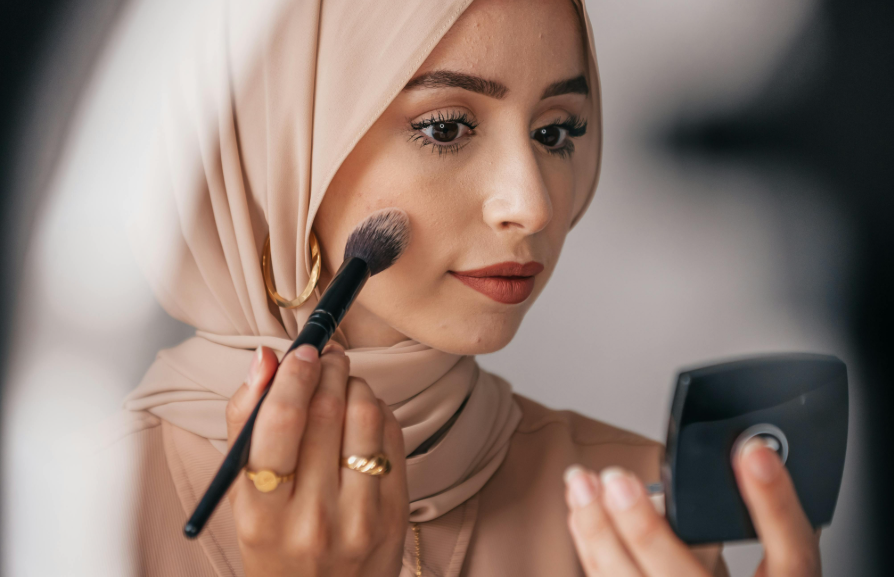
Your skin type should be your guiding compass when choosing foundation. Why? Because different formulas interact with skin in different ways. The right foundation can control oil, hydrate dry areas, or calm sensitivity—while the wrong one can highlight every issue you’re trying to cover up.
Understanding Your Skin Type
Before shopping for foundation, you need to know what kind of skin you’re working with. Here’s how to tell:
Oily Skin
- Shiny appearance, especially in the T-zone
- Prone to clogged pores and acne
- Needs oil-free, mattifying formulas
Dry Skin
- Feels tight, flaky, or rough
- Makeup can cling to dry patches
- Needs hydrating, creamy foundations
Combination Skin
- Oily in some areas (typically T-zone), dry or normal in others
- Needs balancing formulas that aren’t too drying or too rich
Sensitive Skin
- Reacts easily to ingredients, changes in weather or stress
- Redness, itching, or burning sensations
- Needs gentle, fragrance-free formulas
Normal Skin
- Balanced—neither too oily nor too dry
- Most formulas work well
- Focus can be on finish and shade
Types of Foundations Available
Different foundation formats serve different needs. Let’s break it down:
Liquid Foundation
Most versatile. Comes in matte, dewy, and satin finishes. Works for almost all skin types, depending on the formula.
Powder Foundation
Great for oily or acne-prone skin. Offers a matte finish and buildable coverage.
Cream Foundation
Richer consistency. Perfect for dry or mature skin needing hydration and coverage.
Stick Foundation
Compact, travel-friendly, and great for spot application. Often suited for normal to combination skin.
Serum Foundation
Lightweight and skincare-infused. Ideal for dry or sensitive skin needing hydration and a healthy glow.
Choosing Foundation Based on Skin Type
Best Foundation for Oily Skin

- Oil-free or mattifying formulas
- Powder or matte liquid foundation
- Look for keywords like “shine control,” “long wear,” or “oil-absorbing”
Best Foundation for Dry Skin
- Hydrating or moisturizing formulas
- Cream or serum foundations
- Look for “dewy,” “hydrating,” or “nourishing”
Best Foundation for Combination Skin
- Lightweight liquid or mousse formulas
- Balance between matte and hydrating
- Avoid extremes (too oily or too drying)
Best Foundation for Sensitive Skin
- Fragrance-free, hypoallergenic products
- Mineral foundations or clean beauty formulas
- Avoid alcohols and harsh preservatives
Understanding Foundation Finishes

The finish is the effect your foundation has on your skin’s appearance after application.
Matte Finish
- No shine, flat finish
- Best for oily skin or hot, humid weather
Dewy Finish
- Moist, radiant glow
- Ideal for dry, mature, or dull skin types
Satin Finish
- Somewhere between matte and dewy
- Works well for normal and combination skin
Natural Finish
- Mimics real skin, slightly luminous
- Perfect for daily wear and “no-makeup” looks
Finding Your Perfect Shade
Undertones: Cool, Warm, Neutral
- Cool: Pink, red, or blue undertones
- Warm: Yellow, golden, or peach undertones
- Neutral: A balance of both
Check your veins—blue suggests cool, green suggests warm.
Testing the Shade – Where and How
Always test foundation on your jawline or the side of your face—not your hand. Step outside to check in natural light.
Seasonal Adjustments
Your skin tone changes slightly with the seasons. You might need a lighter foundation in winter and a deeper one in summer.
Coverage Levels and What They Mean
Sheer Coverage
- Lightest
- Ideal for even skin with minimal concerns
Medium Coverage
- Balanced
- Great for everyday wear, evens skin tone
Full Coverage
- Maximum opacity
- Perfect for acne, scars, hyperpigmentation
Ingredients to Look for (and Avoid)
Skin-Loving Ingredients
- Hyaluronic Acid: Hydration
- Niacinamide: Brightening, oil control
- Vitamin E & C: Antioxidants
- Zinc Oxide or Titanium Dioxide: Physical SPF
Harmful Ingredients to Avoid
- Alcohol denat: Can be drying
- Fragrance: May irritate sensitive skin
- Parabens and phthalates: Potential endocrine disruptors
Application Tips for a Flawless Look
Prepping the Skin
- Cleanse, tone, and moisturize
- Use a primer suited to your skin type
Tools: Brushes, Sponges, Fingers
- Brushes: Precision and control
- Sponges: Natural, airbrushed finish
- Fingers: Good for sheer coverage and warmth-blending
Layering and Blending Techniques
- Start small, build as needed
- Blend outward in circular or dabbing motions
- Set with powder if needed
Foundation Mistakes to Avoid
Using the Wrong Formula
Picking a matte foundation for dry skin? You’ll only make flakes more visible.
Over-applying
More is not always better. It can cake, crease, and suffocate your skin.
Ignoring Oxidation
Some foundations darken after drying. Always wait a few minutes before deciding if it matches.
Latest Trends and Innovations in Foundation
Clean Beauty & Skin Care Hybrids
Foundations now multitask—with skincare ingredients like niacinamide, SPF, and probiotics built-in.
Shade Inclusivity
Brands are expanding shade ranges to include all skin tones—finally!
Long-Wear and Sweat-Proof Formulas
Ideal for long days or active lifestyles. Think wedding makeup or humid environments.
Conclusion
Your Perfect Foundation Is Out There
Choosing the right foundation doesn’t have to feel like decoding a secret language. Know your skin, learn what works with it, and experiment with intention. The perfect formula will not only enhance your look but also support your skin’s health and confidence. Remember: your skin deserves the best, not just what’s trending.
FAQs
What’s the best way to test foundation before buying?
Apply it along your jawline and check the match in natural light. Wait 10–15 minutes to account for oxidation.
Can I mix foundations to get the perfect shade?
Absolutely! Mixing different shades or even formulas can help you customize the perfect finish and tone.
How often should I replace my foundation?
Typically every 12–18 months. If it changes in smell, texture, or color—toss it.
What foundation works best for mature skin?
Hydrating, dewy or satin-finish foundations with light-to-medium coverage and added skincare benefits work best.
Is it necessary to use a primer before applying foundation?
Not mandatory, but it helps your makeup last longer and creates a smoother surface—especially if your skin has texture or large pores.
How do I stop foundation from creasing?
Use a small amount, blend well, and set with a lightweight powder in crease-prone areas. Hydration and good prep are key.