Humidity-Friendly Makeup: Lightweight Steps for a Fresh, Comfortable Finish
Humidity changes the way makeup behaves. A base that looks smooth in an air-conditioned room may feel heavy by lunchtime, powder can gather around the nose, and carefully placed color may soften into one indistinct layer. The answer is rarely a stronger version of every product. Makeup tends to wear better in damp heat when there is less of it, each layer has time to settle, and the finish allows real skin to remain visible.
This routine is designed for ordinary warm days rather than a perfectly controlled photo shoot. It favors comfort, easy touch-ups, and products that can fade gracefully.
Begin With Skin That Is Comfortable, Not Slippery
Cleanse as you normally would, then apply a light moisturizer suited to your skin. A thick morning routine can create movement beneath makeup, but skipping moisture entirely may encourage dry areas to grip pigment. Give skincare several minutes to absorb before applying sunscreen.
Choose a sunscreen you have already tested under makeup. Some formulas remain tacky, some pill when rubbed, and others dry to a smooth film. There is no universal winner; compatibility matters more than the label’s promised finish. Apply the correct amount, let it set, and avoid repeatedly touching the face while it forms an even layer.
Primer is optional. If sunscreen already leaves a balanced surface, another full layer may add little. Use a small amount only where it solves a specific problem—perhaps a smoothing primer around visible pores or a gripping formula on an area where makeup disappears early.
Replace a Full Mask With Strategic Coverage
Instead of spreading a long-wear foundation from hairline to jaw, begin with the center of the face. Use a skin tint, light foundation, or small amount of concealer around the nose, chin, and any areas you want to even out. Blend outward with fingers, a damp sponge, or a brush, stopping when the difference between covered and uncovered skin is no longer obvious.
This selective method leaves fewer layers to shift when you sweat. It also makes later repairs easier: a small faded area can be tapped back into place without disturbing an entire base.
If you prefer foundation, work in thin sections. One light layer that has settled usually wears better than a generous application followed by enough powder to control it.
Conceal After the Base Has Settled
Wait a minute before deciding where more coverage is needed. Dot concealer only on remaining discoloration and blend the edges rather than polishing over the center repeatedly. Under the eyes, use less product than you would in cool weather and keep it away from fine creases where possible.
A matte, high-coverage concealer can be useful on a blemish, while a flexible formula often looks better under the eyes. Using one product everywhere is convenient, but two small, targeted formulas may create a lighter result than one thick layer across multiple areas.
Choose Cream Color, Then Set Selectively
Cream blush and bronzer can become part of the base instead of sitting as a visible coating on top. Pick up a small amount, remove the excess on the back of your hand, and press it onto the skin. Building slowly reduces the chance of lifting foundation.
For longer wear, add a whisper of powder blush over the cream rather than applying a heavy layer at once. Choose shades that still look natural when they soften: muted coral, rose, warm berry, or a neutral bronze are forgiving options. Very pale colors can disappear quickly, while extremely bright tones may become uneven after blotting.
Powder Where Heat Actually Shows Up
Powder does not need to cover the whole face. Use a small brush or puff to press a modest amount around the sides of the nose, between the brows, on the chin, and anywhere hair tends to stick. Leave the outer cheeks with a little natural finish.
Pressing is more reliable than sweeping because it does not drag the layers underneath. If you have applied too much, a clean fluffy brush can lift the excess. Adding facial mist to rescue a powdery finish is optional; in very humid air, more moisture may not be what the makeup needs.
Keep Eye Makeup Simple and Anchored
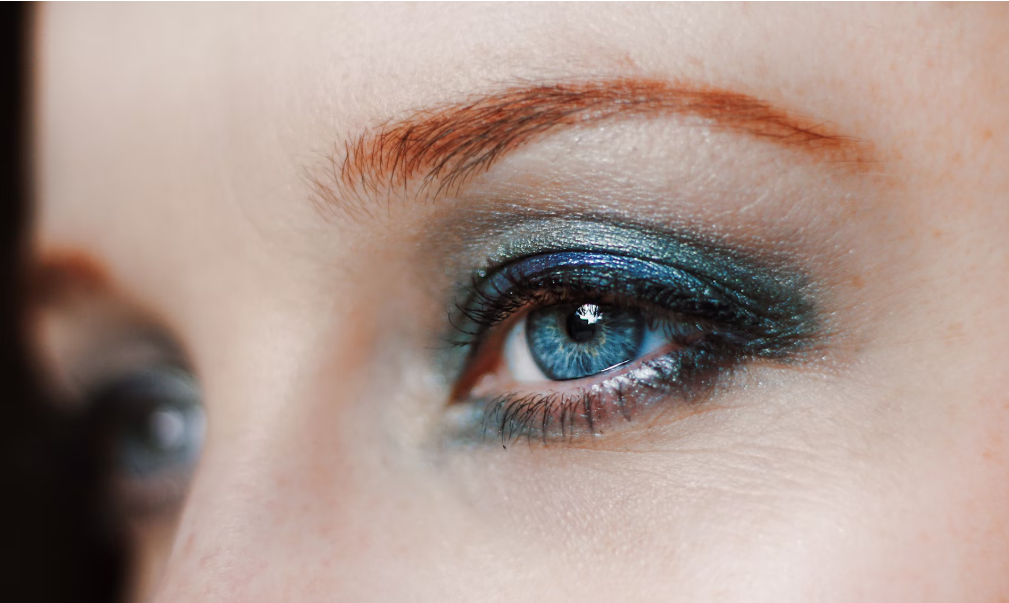
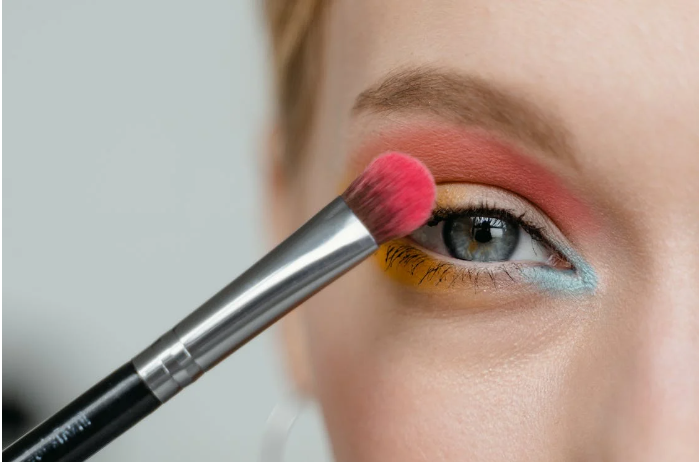
Warmth can break down emollient eye products quickly. Begin with a thin eye primer or a small amount of concealer set lightly with powder. A single mid-tone shadow across the lid, softly defined lash line, and water-resistant mascara create structure without many layers competing for space.
Cream shadows can work well when they set fully. Test them before an important day, because “long-wear” varies widely on different eyelids. If eyeliner transfers, keep the line close to the lashes or replace it with dark shadow pressed into the roots.
Brows generally need less than expected. Brush them into place, fill only genuine gaps, and use a clear or tinted gel. A heavily drawn brow is more difficult to repair discreetly if the tail begins to fade.
Pick a Lip That Is Easy to Live With
Very glossy lips can feel sticky in heat, while an ultra-dry liquid lipstick may become uncomfortable after hours of air conditioning and cold drinks. A tinted balm, soft stain, or satin lipstick blotted once with tissue offers a practical middle ground.
Lip liner can improve wear without outlining the mouth harshly. Choose a shade close to your natural lip color, fill lightly toward the center, and add balm or lipstick over it. The color will fade more evenly and can be refreshed without a mirror-perfect application.
Carry Blotting Papers Before Carrying More Powder
When shine appears, blot first. Press a blotting sheet or a single layer of tissue against the skin without rubbing. This removes moisture and oil without immediately adding another product. Powder applied over a damp surface can cake and darken.
After blotting, check whether anything truly needs replacement. Often the makeup looks fresh again without another layer. If coverage has separated around the nose, smooth the edge with a clean fingertip or sponge and add a pinpoint of concealer. Reapply lip color and brush the brows; these small actions often restore the whole look.
Test the Routine on a Normal Day
Humidity-friendly makeup is personal. Skin type, climate, commute, sunscreen, and time outdoors all change the result. Test the routine when the stakes are low, then note which area fades first. Adjust that one step instead of replacing every product.
The most dependable warm-weather face is not the one that remains untouched for twelve hours. It is the one that feels comfortable, looks intentional, and can be refreshed in two minutes. Thin layers, selective powder, and a restrained touch-up kit make that far more achievable than trying to seal a full routine against the weather.