The Best Products for Sensitive Skin – 5 Must-Haves for a Calm Complexion
Introduction
Does your skin freak out at the slightest touch? Does redness, tightness, or burning sensations show up more often than not? If yes, then you know the struggle of managing sensitive skin. But here’s the good news—you can absolutely tame the chaos. You just need the right products in your corner.
In this guide, we’ll walk you through the five best must-haves for sensitive skin, why they work, and how to use them effectively. Backed by science and dermatological advice, these picks are all about calming, protecting, and restoring your skin’s balance.
Why Sensitive Skin Needs Special Care
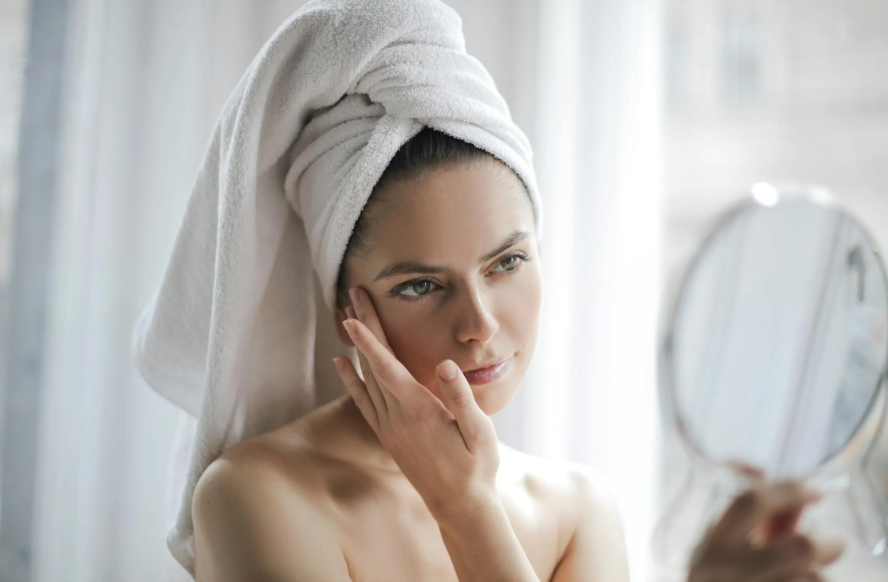
Unlike other skin types, sensitive skin isn’t just about dryness or oiliness—it’s about vulnerability. It reacts faster and more severely to triggers like fragrances, temperature shifts, and even water. So choosing the wrong product? That can spell disaster.
What Defines a “Must-Have” Product?
For us, a “must-have” product is one that is gentle, effective, non-irritating, and plays a vital role in protecting your skin barrier. From cleansers to sunscreen, we’ve handpicked essentials that soothe without compromise.
Understanding Sensitive Skin
Common Symptoms and Triggers
Let’s start by decoding the enemy. Sensitive skin is usually marked by:
- Redness and blotchiness
- Stinging or burning
- Dry patches and flakiness
- Tightness after cleansing
These can be triggered by environmental changes, over-exfoliation, pollution, harsh chemicals, or even stress.
Skin Type vs. Skin Condition
Here’s where it gets interesting: sensitive skin can be both a skin type (inherent) and a skin condition (acquired). This means even oily or combination skin can develop sensitivity. Misdiagnosis often leads to poor product choices.
Importance of Minimalist Skincare Routines
When your skin is on high alert, simplicity is your best friend. The fewer ingredients and steps, the lower the risk of reaction.
Product 1: Gentle Cleanser
Key Ingredients to Look For
- Ceramides to strengthen the skin barrier
- Glycerin for hydration
- Non-foaming agents to avoid stripping oils
Why Harsh Surfactants Are a No-Go
Most drugstore cleansers contain sulfates—great for foam, bad for your face. They tear down your skin’s natural defenses and leave it feeling raw.
Recommended Option: CeraVe Hydrating Facial Cleanser
This cult-favorite is fragrance-free, pH-balanced, and loaded with ceramides and hyaluronic acid. It cleanses without that dreaded tightness afterward.
Product 2: Alcohol-Free Toner
Soothing Botanicals that Work
Sensitive skin responds well to ingredients like:
- Centella Asiatica (aka cica)
- Licorice root extract
- Aloe vera
Recommended Option: Klairs Supple Preparation Unscented Toner
This toner balances pH and boosts absorption of other products. Plus, no fragrance, no essential oils—just hydration and calm.
Product 3: Lightweight Moisturizer
Barrier Support and Hydration Boosters
Look for:
- Niacinamide (anti-inflammatory)
- Squalane (skin-identical moisturizer)
- Fatty alcohols (good ones like cetyl or stearyl alcohol)
Recommended Option: Vanicream Moisturizing Cream
A no-nonsense cream that’s thick but non-greasy. Dermatologist-approved, free from irritants, and loved by eczema-prone users.
Product 4: Fragrance-Free Sunscreen
Mineral vs. Chemical Filters
Sensitive skin generally prefers mineral sunscreens—think zinc oxide and titanium dioxide. They sit on top of the skin rather than being absorbed, which reduces chances of irritation.
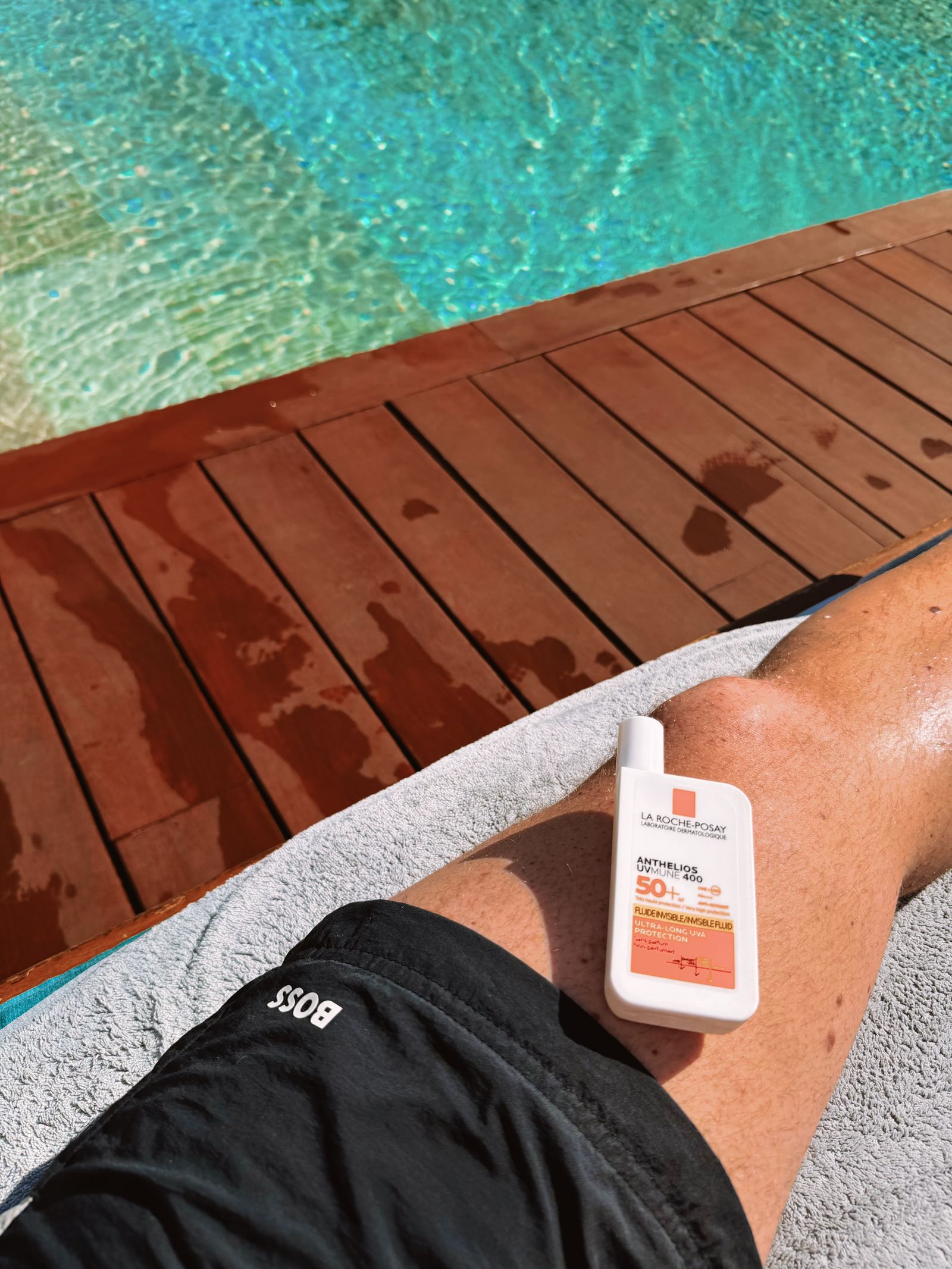
Recommended Option: La Roche-Posay Anthelios Mineral SPF 50
Ultra-light, broad-spectrum protection without the sting. It’s oil-free and suitable for both face and body.
Product 5: Targeted Treatment Serum
Calming Actives for Sensitive Skin
If you’re looking to target redness or uneven texture, go for:
- Azelaic acid (anti-inflammatory, anti-acne, brightening)
- Panthenol (vitamin B5, healing)
- Madecassoside (Centella-derived soothing agent)
Recommended Option: The Ordinary Azelaic Acid Suspension 10%
Affordable and effective. This multitasking serum tackles redness, pigmentation, and clogged pores without causing flare-ups.
Additional Tips for Managing Sensitive Skin
Patch Testing and Product Layering
Always patch-test a new product for 48–72 hours. And introduce one product at a time. That way, if your skin reacts, you’ll know exactly what caused it.
Avoiding Sensory Overload in Skincare
Too many actives or essential oils? Sensory overload. Sensitive skin thrives on simple, fragrance-free formulas.
Understanding the “Skin Minimalism” Trend
The minimalist trend isn’t just aesthetic—it’s skin-saving. Ditch the 10-step routine and stick to 3–5 core products. Less is truly more.
Conclusion
Sensitive skin doesn’t have to mean constant discomfort or limited options. With the right lineup—cleanser, toner, moisturizer, sunscreen, and serum—you can build a soothing routine that protects, heals, and empowers your skin every single day.
Remember, skincare isn’t about perfection. It’s about consistency, patience, and listening to what your skin needs. Start simple. Stay gentle. And enjoy the journey to a calmer, healthier complexion.
FAQs
1. Can sensitive skin ever become less reactive over time?
Yes, with consistent barrier-repairing routines and avoidance of known irritants, sensitivity can decrease significantly.
2. Is fragrance always bad for sensitive skin?
Not always, but it’s a common trigger. If you’re unsure, always opt for fragrance-free until you know your skin’s boundaries.
3. Can I still exfoliate if I have sensitive skin?
Yes—but gently. Use mild chemical exfoliants like lactic acid, and limit to once a week or less.
4. How long should I try a new product before judging it?
Give it at least 2 weeks unless it causes immediate irritation. Skin needs time to adjust.
5. Are natural skincare products always better for sensitivity?
Not necessarily. “Natural” doesn’t equal non-irritating. Essential oils and plant extracts can be very reactive.
6. What should I avoid completely with sensitive skin?
Common culprits include alcohol, sulfates, synthetic fragrance, essential oils, and overly strong actives like retinoids (unless guided by a derm).