Tag: Long-lasting makeup

  • How to Make Your Makeup Last All Day Without Looking Heavy

    How to Make Your Makeup Last All Day Without Looking Heavy

    To make your makeup last all day without looking heavy, focus on thin layers, strategic placement, and formulas that suit your skin. Prepare the complexion with lightweight skincare, apply base products only where you want coverage, and set the areas most likely to crease or become shiny.

    Long-lasting makeup does not require a thick foundation or a full layer of powder. In fact, excessive product can separate, settle into texture, and become more noticeable as the day continues. A lighter base with targeted concealer, carefully blended color, and a few controlled touch-ups will often look fresher for longer.

    Prepare Your Skin With Lightweight Layers

    Makeup tends to wear more evenly when the skin feels comfortable—not overly dry, greasy, or coated in several products that have not settled.

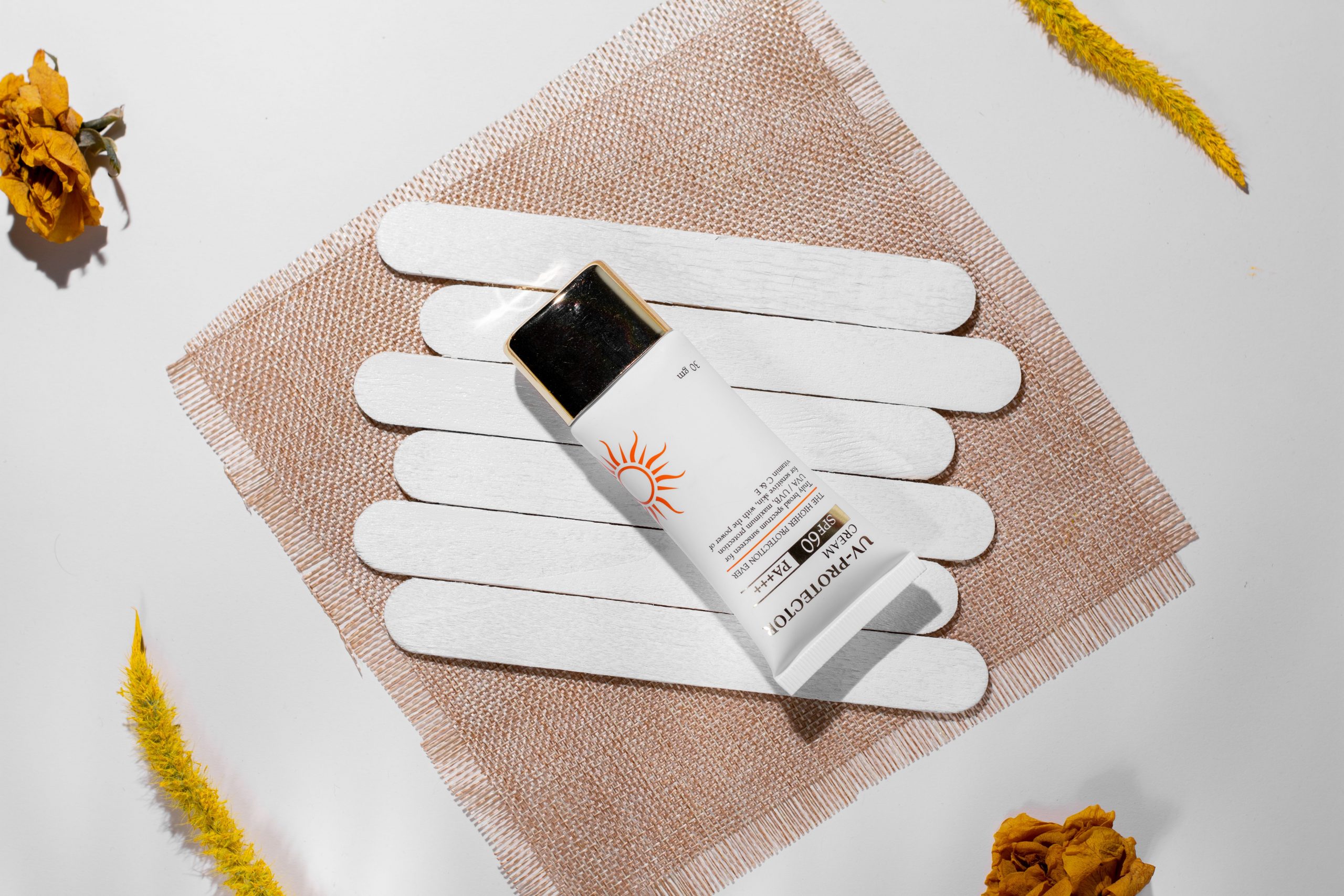
    Begin with a gentle skincare routine suited to your skin type. Dry skin may benefit from a comfortable moisturizer, while oily or combination skin may prefer a light lotion or gel-cream texture. Apply broad-spectrum sunscreen as the final morning skincare step and allow it to form an even layer before starting your makeup.

    Using too much skincare immediately before foundation is a common cause of pilling and slipping. If your routine includes several serums, oils, creams, and sunscreen, consider saving richer products for nighttime. Your morning layers should work together without leaving a thick film.

    Primer is optional, but it can be useful when applied strategically:

    • Hydrating primer: Place it over dry or flaky-looking areas.
    • Smoothing primer: Use a small amount where pores or texture are more noticeable.
    • Mattifying primer: Concentrate it on areas that become oily, such as the forehead, nose, and chin.
    • Gripping primer: Apply a thin, even layer where makeup tends to fade.

    Avoid layering several primers over the entire face. Different areas may have different needs, and targeted preparation usually creates a more natural result.

    Build a Thin, Flexible Complexion Base

    The easiest way to prevent long-wear makeup from looking heavy is to avoid unnecessary coverage. Begin with a small amount of skin tint, foundation, or tinted moisturizer and blend it outward from the center of the face.

    The center often benefits from more evening, while the hairline and jaw usually need less product. Leaving some natural skin visible around the edges helps the base look more believable.

    Choose your application tool according to the finish you want. Fingers can work well with lightweight formulas, a brush can provide controlled coverage, and a damp sponge can soften excess product. Regardless of the tool, press and blend rather than repeatedly dragging foundation across the skin.

    If you want more coverage, wait briefly before adding a second thin layer. Place it only where the first layer is insufficient. Building gradually provides more control than applying a large amount at the beginning.

    Shade matching also affects how heavy makeup appears. Foundation that is too light, too dark, or noticeably different in undertone may remain visible even when perfectly blended. Check the shade along the jaw in natural or neutral lighting rather than relying only on the back of your hand.

    Use Concealer and Powder Only Where Needed

    Targeted concealer can create a polished complexion without covering the entire face. Apply it around the nose, on individual blemishes, beneath the eyes, or anywhere you want extra evening.

    For blemishes, use a small brush to place concealer precisely, then soften only the edges. Rubbing across the entire area can remove the coverage you just created.

    Under the eyes, concentrate concealer where darkness is most visible, often near the inner corner, rather than filling a large triangular area. Flexible, thin formulas tend to move more naturally than a thick layer of full-coverage product.

    Powder should help stabilize makeup, not hide it beneath a flat finish. Use a small fluffy brush or powder puff to set:

    • The sides of the nose
    • The center of the forehead
    • The chin
    • Areas where concealer creases
    • Places where glasses or sunglasses touch

    Press powder into areas that need durability instead of sweeping it over the entire face. If your cheeks remain comfortable and do not become oily, leaving them lightly powdered—or not powdered at all—can preserve a skin-like finish.

    A common mistake is adding more powder whenever shine appears. If oil has already developed, blot gently first. Applying powder directly over excess oil can create a thick, uneven texture.

    Layer Cheek, Eye, and Lip Color for Better Wear

    Color products can fade even when the complexion remains intact. Thoughtful layering improves durability without requiring highly pigmented or difficult-to-remove formulas.

    Blush and Bronzer

    For longer-lasting cheek color, apply a thin cream or liquid product and set it lightly with a coordinating powder. The shades do not need to match exactly, but they should blend comfortably together.

    If two layers feel excessive, choose one long-wearing formula and build it gradually. Keep blush placement slightly higher on the cheeks if makeup tends to fade near areas frequently touched by your hands or phone.

    Avoid placing a wet cream formula over a heavily powdered base. This can lift the foundation or create patches. If the complexion is already set, use powder blush and bronzer instead.

    Eyes

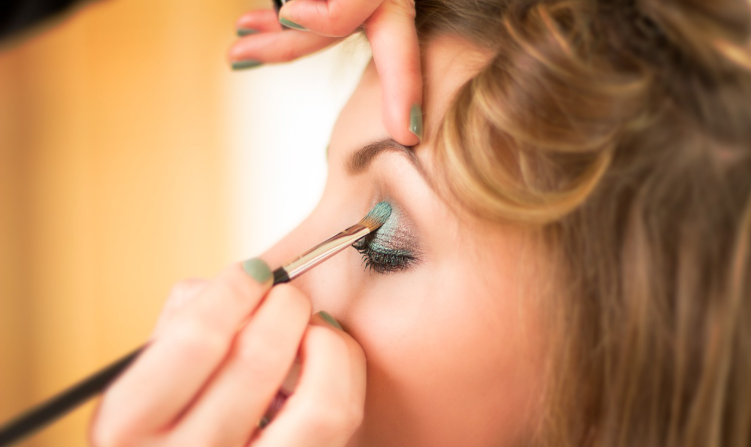
    Apply a thin layer of eye primer when shadow creases or disappears easily. Let it settle, then add eyeshadow in light layers. Cream shadow can serve as a base for powder, but too much cream may make the eyelids feel heavy.

    Press eyeliner close to the lashes and soften it before it sets if you prefer a natural look. Waterproof or water-resistant formulas may help in humid weather or on watery eyes, but they still need to be removed gently at the end of the day.

    Apply mascara in controlled coats, allowing a brief pause between them. Repeatedly brushing nearly dry mascara through the lashes can create clumps and flakes.

    Lips

    For comfortable, lasting lip color, outline and lightly fill the lips with a pencil, then apply a thin layer of lipstick. Blot once and add a second light layer where needed.

    Long-wear liquid lipstick can offer greater durability, but it may feel dry on some lips. A satin lipstick over pencil often provides a more flexible compromise. Keep balm application light immediately before lipstick, as a slippery layer can reduce wear time.

    Plan Touch-Ups That Preserve the Original Finish

    All-day makeup rarely means makeup that never changes. Heat, facial movement, meals, natural oils, and contact with clothing can affect even long-wearing products. The goal is to make small corrections without repeatedly building new layers.

    Carry only the products you are likely to use:

    • Blotting papers or a clean tissue
    • A small pressed powder
    • Your lip color or tinted balm
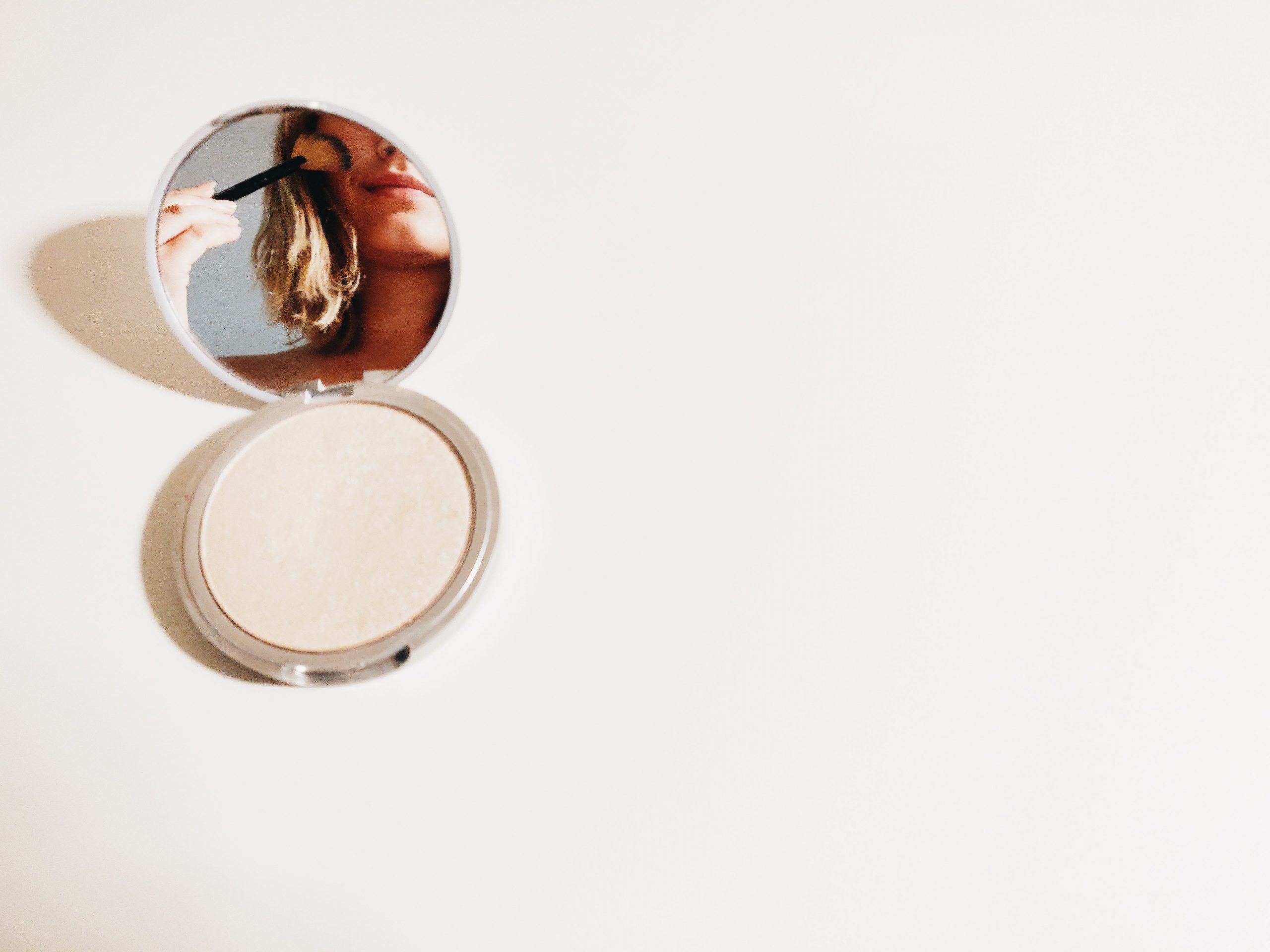
    • A compact mirror
    • A clean sponge or small puff

    When the complexion becomes shiny, blot before adding powder. Press gently rather than rubbing, which can move foundation. Add a minimal amount of powder only to the affected areas.

    If foundation separates around the nose or chin, smooth the existing product with a clean fingertip or sponge before adding anything else. Often the makeup can be redistributed without another layer.

    For fading blush, use the small amount remaining on your brush or apply a sheer powder blush. Avoid placing a concentrated spot of cream color over a face that has become oily or heavily powdered.

    Refresh lipstick by removing loose or uneven color first. Applying fresh lipstick over several worn layers can make the lips look thick and dry. A little balm followed by a thin layer of color usually looks cleaner.

    Setting spray may help the makeup layers appear more blended and can support wear depending on the formula. Hold it at the recommended distance and allow it to dry naturally. Excessive mist can create droplets or disturb mascara, so follow the product directions.

    Common Mistakes That Make Long-Wear Makeup Look Heavy

    Long-lasting makeup becomes heavy when every step is treated as an opportunity for maximum coverage. Primer, foundation, concealer, powder, contour, and setting spray can work together, but none needs to be applied excessively.

    Watch for these common mistakes:

    • Using too much skincare: Thick morning layers can make foundation slide or pill.
    • Applying full coverage everywhere: Most complexions need different amounts in different areas.
    • Adding concealer before assessing the foundation: This can create unnecessary overlap.
    • Powdering dry areas heavily: Excess powder may emphasize texture as the day continues.
    • Mixing incompatible layers: Some combinations separate even when each product works well alone.
    • Skipping time between steps: Products need a moment to settle before another layer is added.
    • Touching up without blotting: Powder applied directly over oil can become cakey.
    • Using unclean tools: Product buildup may affect blending and color payoff.

    Test new combinations before an important event. Wear the makeup for several hours and check it in daylight, indoor lighting, and photographs. If the base separates, change one element at a time so you can identify the problem.

    Final Thoughts

    The most effective way to make your makeup last all day without looking heavy is to use less product in more precise places. Prepare the skin with lightweight layers, build foundation gradually, and use concealer only where additional coverage is useful.

    Set areas that crease or become oily while leaving comfortable parts of the face more natural. Layer color thoughtfully, blot before touching up, and choose formulas that fit your skin type, climate, and schedule.

    Durability does not have to mean a flat or mask-like finish. When each layer has a clear purpose, makeup can remain polished while still looking flexible, dimensional, and like your own skin.

    Frequently Asked Questions

    Should I use primer to make makeup last longer?

    Primer can help, but it is not essential for everyone. Apply the appropriate type only to areas where dryness, oil, texture, or fading is a concern.

    How do I stop foundation from separating around my nose?

    Use lighter skincare in that area, apply a thin layer of foundation, and press a small amount of powder around the nose. Blot before touching up later.

    Is setting spray better than setting powder?

    They serve different purposes. Powder controls shine and sets targeted areas, while setting spray may help layers look more blended and support overall wear.

    How can I make makeup last on oily skin without looking cakey?

    Use lightweight layers, apply mattifying products only where needed, and blot away oil before adding a small amount of powder.

    Why does my makeup pill during application?

    Pilling may result from excessive skincare, incompatible formulas, or insufficient time between layers. Simplify the routine and test one product combination at a time.

    How can I refresh dry-looking makeup during the day?

    Gently press the area with a clean, slightly damp sponge and avoid adding more powder. A light mist may help, provided the formula works with your makeup.

  • 5 Tips for Long-Lasting Makeup – No Touch-Ups Needed!

    5 Tips for Long-Lasting Makeup – No Touch-Ups Needed!


    1. Introduction: Why Long-Lasting Makeup Matters

    Let’s be honest – no one wants to spend 45 minutes perfecting their makeup only to watch it fade by lunch. Whether it’s a 9-to-5 grind or a weekend brunch, you deserve a look that doesn’t melt, smudge, or vanish.

    Confidence Starts with a Flawless Face
    Makeup that lasts gives you one less thing to worry about. No mirror checks, no emergency powdering – just pure, all-day confidence.

    The Modern Woman’s Expectations
    Today’s beauty standards demand more from our products. Lightweight, breathable, but still durable? It’s not too much to ask – if you know how to prep and apply smartly.


    2. Tip #1: Prep Like a Pro – The Power of Skincare and Priming

    A Long-Lasting Look Starts Beneath the Makeup
    Think of your skin as the canvas. If it’s oily, flaky, or unbalanced, no makeup will sit right – let alone stay on.

    Hydration and Oil Control Matter


    Use a lightweight moisturizer to hydrate dry patches and a balancing toner to control excess oil. Balance is everything.

    Choose the Right Primer for Your Skin Type
    A primer isn’t optional. Oily skin? Go matte. Dry skin? Choose a hydrating primer.

    Hydrating vs. Mattifying Primers

    • Hydrating: Contains glycerin or hyaluronic acid.
    • Mattifying: Includes silica or clay to absorb oil.
      Apply only a pea-sized amount – less is more!

    3. Tip #2: Build a Lightweight Yet Durable Base

    Foundation Isn’t Just About Coverage
    Pick a formula labeled as “longwear” or “transfer-resistant.” Full coverage is unnecessary if the product sticks.

    Texture and Layering Techniques
    Use thin layers instead of caking on one heavy coat. Build coverage strategically.

    Tools Make a Difference

    • Sponges: Great for blending and absorb excess product.
    • Brushes: Give precision and control.
    • Fingers: Good for warming cream products but not ideal for longwear.

    Sponge vs. Brush vs. Fingers
    For the longest wear? Use a damp beauty sponge – it presses product in and removes excess.


    4. Tip #3: Master the Art of Setting Your Makeup

    Lock It In, or It Will Slip Away
    If you don’t set your makeup, expect creases, fading, and unevenness – especially in hot weather.

    Setting Powder vs. Setting Spray

    • Setting Powder: Best for oily zones like the T-zone.
    • Setting Spray: Adds longevity and reduces powderiness.

    Area-Specific Setting Methods
    Set oily areas with powder and dry areas with spray. This hybrid method gives a balanced finish.

    The “Less Is More” Rule
    Avoid baking unless absolutely necessary. Over-powdering can age the look and crack the base.


    5. Tip #4: Smudge-Proof Eye Makeup That Lasts All Day

    Eyes Are the First to Break Down
    Oil from lids, sweat, and blinking make eyeshadow and liner prone to creasing and smearing.

    Eye Primer Is Non-Negotiable
    Use a translucent or tinted eye primer to grip shadow and control oil.

    Eyeliner Choices That Resist Smudging
    Go for waterproof gel or liquid liners. Avoid creamy pencils unless set with shadow.

    Waterproof Mascara Tricks

    • Curl lashes before applying
    • Use tubing mascaras for no-flake, no-smudge wear
    • Don’t layer too much – two coats max!

    6. Tip #5: Lip Color That Actually Lasts

    It’s Not Just About the Lipstick
    Lipstick will fade if lips are dry or if there’s no prep.

    Prepping the Lips
    Exfoliate gently and apply a waxy balm. Let it sink in, then blot before color.

    Layering and Blotting Techniques

    • Apply a lip liner all over
    • Add lipstick
    • Blot with tissue
    • Reapply
      This technique builds a stain that holds all day.

    Best Long-Wear Textures

    • Satin matte and semi-matte offer longevity without drying
    • Avoid glossy or oily formulas if longwear is the goal

    7. Habits That Sabotage Your Makeup Longevity

    Your Routine Might Be the Culprit

    • Touching your face
    • Not blotting oil before powder
    • Using incompatible products

    Diet and Skincare Missteps
    Sugar and dairy can increase oil production. Harsh exfoliants before makeup can also ruin texture.


    8. High-Tech Makeup Innovations for 2025

    What’s New in Makeup That Stays Put

    • Micro-pigment dispersion for even application
    • Longwear capsules that burst over time for consistent color

    Longwear Capsules and Smart Formulas
    These innovative formulas release pigments gradually, preventing patchiness and fading.


    9. Timing Is Everything – Why Application Order Matters

    Mistakes in Sequence Can Ruin Wear Time
    Apply cream products before powder. Let skincare absorb fully before layering foundation.

    Wait Time Between Steps
    Rushing through layers can cause slipping and uneven texture. Take your time – your face will thank you.


    10. Your Final Minute Before Leaving: Lock the Look

    Finishing Sprays and Targeted Setting
    Seal everything in with a setting spray. For high-friction areas (like under your mask), gently press in translucent powder.

    Press and Seal Method
    Lightly press a tissue over the face, then reapply a mist. This seals without adding layers.


    11. All-Day Strategies Without Reapplying

    How to Look Fresh Without a Makeup Bag

    • Blotting papers over powder
    • Lip balm + a little lipstick dab for a fresh lip

    Strategic Lip Touch-Ups Only
    Skip full face checks. Refresh lips and mist your face if needed – that’s it.


    12. Conclusion: Don’t Rely on Touch-Ups – Rely on Technique

    Makeup longevity is not magic – it’s a series of small, smart choices. With the right prep, products, and tools, you can walk out the door knowing your look will hold, no matter what the day throws at you.


    FAQs

    1. Is setting spray better than setting powder?
    They work differently. Powder controls oil, spray locks everything in. Best results come from using both.

    2. Why does my foundation separate during the day?
    It may be due to excess oil, incompatible skincare, or not letting layers dry properly.

    3. What kind of lipstick lasts the longest?
    Matte or semi-matte liquid lipsticks with layering and blotting techniques offer top performance.

    4. Can I skip primer if I’m in a rush?
    You can, but you’ll likely notice less wear time. Even a quick pore-filling primer makes a difference.

    5. Is baking still necessary in 2025?
    Not really. Most modern techniques favor light pressing over heavy baking, which can look dry or cakey.

    6. How do I stop mascara from smudging under my eyes?
    Try tubing mascaras or apply a light layer of translucent powder under the eyes to absorb moisture.