Tag: Skin Care Masks

  • Caring for Your Skin in Different Seasons

    Caring for Your Skin in Different Seasons

    Introduction

    Skin is our body’s largest organ, and like any other part of our body, it reacts to environmental changes. The changing of the seasons—whether it’s the dry, cold winter or the hot, humid summer—requires us to rethink how we care for our skin. Each season brings its own set of challenges, and adjusting your skincare routine can make all the difference in maintaining a healthy, glowing complexion. But what do we need to do differently in each season? How can we protect our skin from the harsh elements while still keeping it looking its best?

    Winter Skincare

    Winter is notorious for wreaking havoc on our skin, making it feel dry, rough, and irritated. The cold air outside and the heated air indoors strip away our skin’s moisture, leading to dehydration and flakiness.

    Dryness and Dehydration

    In winter, the lack of humidity in the air is one of the main causes of skin dryness. The cold wind and indoor heating can further strip away your skin’s natural oils. This is why it’s crucial to switch to a more hydrating skincare routine during the winter months.

    Moisturizing Strategies

    To combat dryness, opt for richer, thicker moisturizers. Ingredients like hyaluronic acid and ceramides are excellent for locking in moisture. You may also want to layer on hydrating serums beneath your moisturizer. Don’t forget to use a gentle exfoliator to remove dead skin cells, allowing your moisturizer to penetrate better.

    Spring Skincare

    Spring is a time of renewal, but it can also bring skin issues due to increased pollen and allergens. Many people experience sensitivity and flare-ups, such as redness or rashes, during this time of year.

    Dealing with Allergies and Sensitivities

    If your skin is prone to seasonal allergies, spring might be a challenging time. You’ll need to focus on gentle products that soothe the skin, such as those containing chamomile or aloe vera. Avoid harsh exfoliators, as your skin may already be sensitive.

    Lightweight Skincare Products

    With the warming temperatures of spring, your skin might start producing more oil. It’s a good time to switch to lightweight moisturizers and serums that won’t clog your pores. Gel-based formulas work particularly well during this transition.

    Summer Skincare

    Summer comes with its own set of skincare problems, including oiliness, sweat, and sunburn. Your skin’s oil production usually increases in the summer heat, leading to clogged pores and breakouts.

    Managing Oily Skin

    If you have oily or combination skin, summer can be particularly challenging. To avoid a greasy appearance, choose oil-free, non-comedogenic moisturizers and sunscreens. Regular cleansing, ideally with a gentle foaming cleanser, is also crucial to remove sweat and oil buildup.

    Sun Protection

    One of the most important aspects of summer skincare is sun protection. Regardless of your skin type, applying broad-spectrum sunscreen with at least SPF 30 is a must. Reapply it every two hours, especially if you’re swimming or sweating. Remember that UV damage can occur even on cloudy days, so don’t skip this step.

    Fall Skincare

    Fall is a transitional period for your skin, as it recovers from summer’s heat and prepares for winter’s cold. This is the perfect time to address any damage caused by the sun while prepping your skin for the drier months ahead.

    Repairing Summer Damage

    If your skin has suffered from sunspots, fine lines, or dehydration after the summer, fall is the time to repair it. Incorporate antioxidants like vitamin C into your routine to help brighten your skin and fade any pigmentation. You may also want to start using retinoids to promote cell turnover and reduce the appearance of sun damage.

    Preparing for Winter

    Fall is also the time to gradually reintroduce more hydrating products into your skincare regimen. Start using heavier moisturizers and hydrating masks to build up your skin’s moisture barrier before the harsh winter months hit.

    Adjusting Skincare Products

    Our skin’s needs vary not only with the seasons but also with our environment, lifestyle, and age. It’s essential to tailor your products to fit these changes.

    Serums and Moisturizers for Seasonal Needs

    Serums are great for delivering targeted treatments, whether it’s hydration in winter or antioxidants in summer. Layering your products, from thinnest to thickest, ensures your skin absorbs the ingredients it needs most at any given time.

    The Role of Sunscreen Year-Round

    While it’s tempting to skimp on sunscreen during the colder months, the truth is that UV rays can still harm your skin year-round. Look for sunscreens that offer protection against both UVA and UVB rays and include moisturizing properties to avoid winter dryness.

    Concluding Thoughts

    Caring for your skin throughout the year is all about being in tune with its changing needs. By adapting your skincare routine to the seasons, you’ll not only protect your skin but also enhance its natural radiance. Keep in mind that it’s not about completely overhauling your routine with every seasonal shift; small adjustments to your products and habits can go a long way toward maintaining healthy, beautiful skin year-round.

    FAQs

    How do I know when to switch skincare products?
    If you notice your skin feeling excessively dry, oily, or irritated with the change of seasons, it might be time to adjust your routine. Pay attention to how your skin reacts to different weather conditions.

    Is it necessary to change my skincare routine every season?
    While you don’t need to overhaul your entire routine, adjusting key products like your moisturizer, sunscreen, and cleanser can make a big difference.

    Can I use the same sunscreen in winter as in summer?
    Yes, but make sure it’s hydrating enough for the drier months. Sunscreen is essential year-round, as UV rays can cause damage even in winter.

    What ingredients should I avoid in different seasons?
    In winter, avoid alcohol-based toners that can further dry out your skin. In summer, steer clear of heavy, oil-based moisturizers that might clog your pores.

    How can I maintain hydrated skin year-round?
    Hydration is key, no matter the season. Drink plenty of water, use a good moisturizer, and consider incorporating hydrating serums and masks into your routine.

  • The Benefits of Facial Masks: Types and Application

    The Benefits of Facial Masks: Types and Application

    In the pursuit of flawless, radiant skin, facial masks have emerged as indispensable allies. From luxurious spa treatments to convenient at-home rituals, the benefits of incorporating facial masks into your skincare regimen are manifold. Let’s delve into the types, applications, and the myriad advantages they offer.

    1. Introduction

    Facial masks have garnered widespread acclaim for their ability to address a plethora of skincare concerns effectively. From revitalizing tired skin to combating acne, these potent formulations offer targeted solutions with tangible results.

    2. Types of Facial Masks

    • Sheet Masks: Infused with serums, these fabric-based masks deliver concentrated ingredients to the skin.
    • Clay Masks: Known for their deep-cleansing properties, clay masks draw out impurities and excess oil.
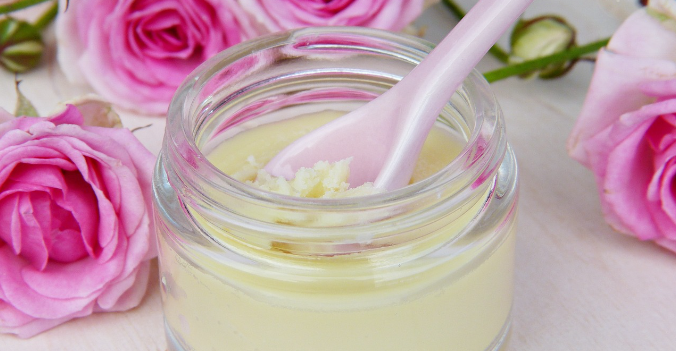
    • Cream Masks: Rich and nourishing, cream masks provide intense hydration and comfort to dry skin.
    • Gel Masks: Lightweight and refreshing, gel masks are ideal for soothing and cooling sensitive skin.

    3. Benefits of Using Facial Masks

    • Cleanses and Unclogs Pores: Facial masks penetrate deeply, purging pores of dirt, oil, and toxins, promoting clearer skin.
    • Hydrates and Moisturizes: Infused with hydrating agents, masks replenish moisture levels, restoring suppleness and vitality.
    • Improves Skin Texture and Tone: Regular use refines skin texture, minimizing the appearance of pores and promoting an even complexion.
    • Provides Relaxation and Stress Relief: Beyond physical benefits, masking fosters relaxation, alleviating stress and tension.

    4. Choosing the Right Facial Mask

    Selecting the appropriate mask hinges on understanding your skin type and its specific needs. Whether battling excess oil or combating dryness, tailoring your choice ensures optimal results.

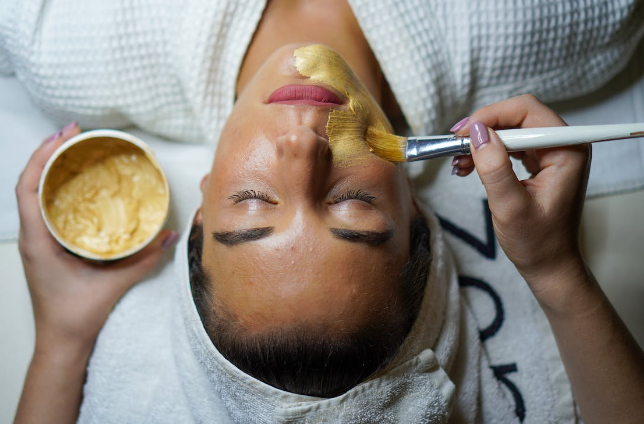
    5. How to Apply Facial Masks Properly

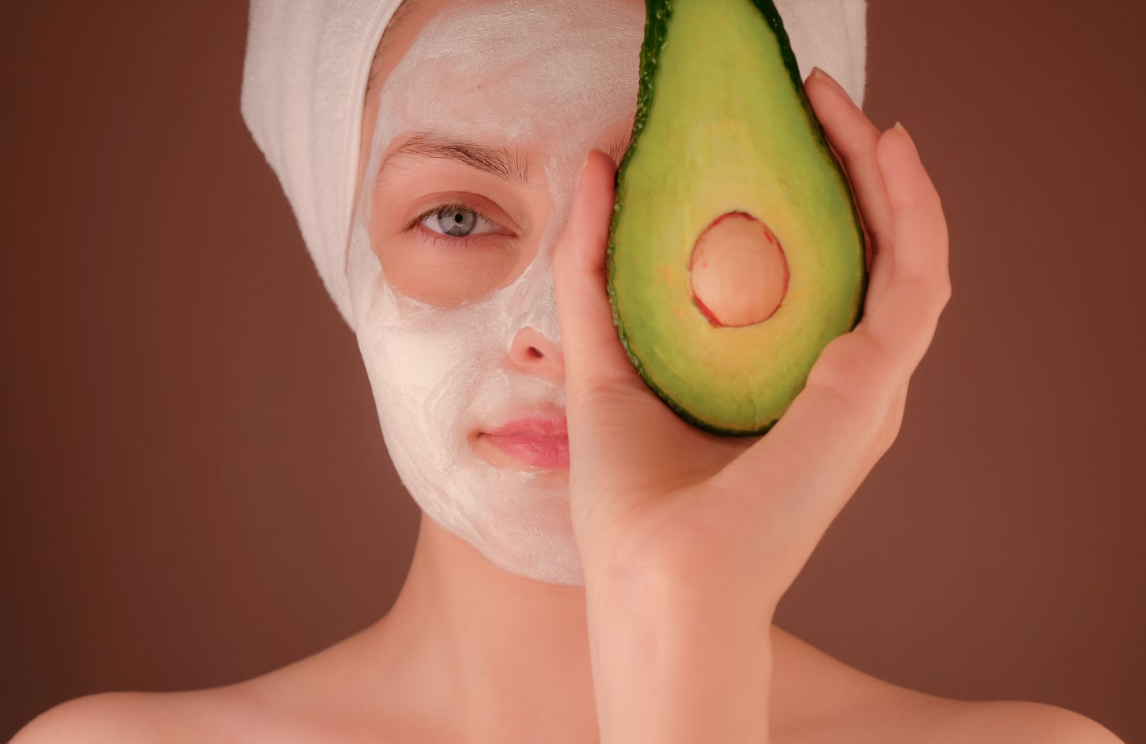
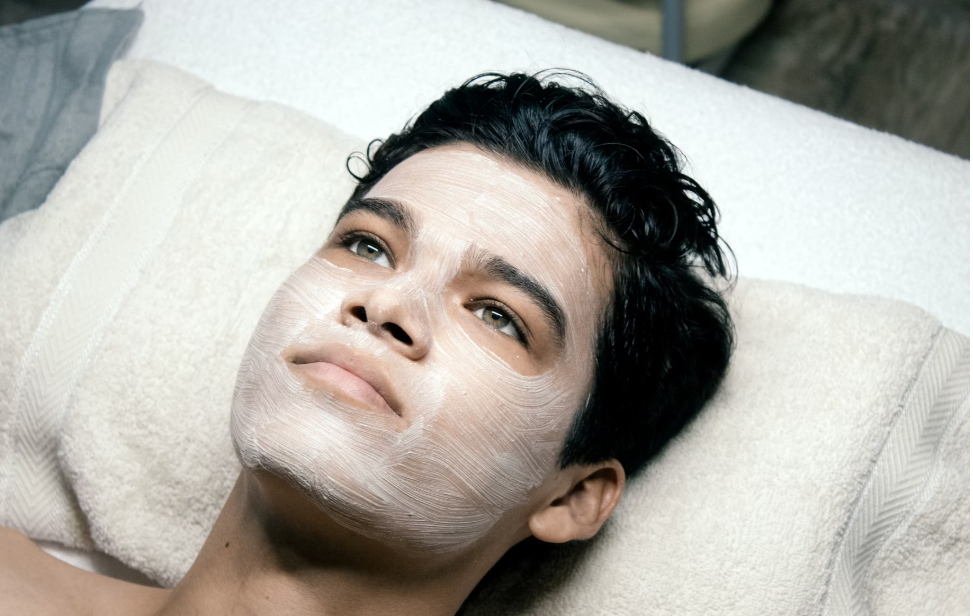
    Achieving maximum efficacy necessitates proper application techniques. Begin with clean skin, evenly distributing the mask, and allowing ample time for absorption.

    6. Frequency of Use

    While the frequency varies based on individual skin types, experts recommend incorporating masks into your routine 1-3 times per week to maintain optimal skin health.

    7. Tips for Maximizing the Benefits

    Consistency is paramount in reaping the rewards of facial masks. Pairing with complementary skincare products amplifies results, ensuring a synergistic approach to skincare.

    8. Common Misconceptions about Facial Masks

    Dispelling myths surrounding facial masks elucidates their true potential, debunking fallacies and empowering users to make informed choices.

    9. Potential Risks and Precautions

    While generally safe, certain ingredients may trigger adverse reactions in sensitive individuals. Conducting patch tests and adhering to usage guidelines mitigate potential risks.

    10. Integration with Skincare Routine

    Seamlessly integrating facial masks into your existing skincare regimen augments efficacy, enhancing the overall health and appearance of your skin.

    11. Latest Trends in Facial Masks

    Innovations in skincare technology continually redefine the landscape of facial masks, introducing novel formulations and delivery systems to cater to evolving consumer preferences.

    12. Conclusion

    In summation, the benefits of facial masks extend far beyond mere indulgence, offering tangible improvements to skin health and appearance. Embrace the transformative power of masks as a cornerstone of your skincare arsenal, and unlock the radiant complexion you deserve.

    FAQs After The Conclusion

    1. How often should I use a facial mask?
      • Frequency depends on your skin type, but 1-3 times per week is generally recommended for optimal results.
    2. Are there any risks associated with facial masks?
      • While rare, allergic reactions or irritations may occur. Conduct patch tests and consult with a dermatologist if concerns arise.
    3. Can I use multiple masks in one skincare session?
      • Layering masks may lead to over-treatment and potential irritation. Stick to one mask per session for best results.
    4. Do facial masks replace regular skincare routines?
      • No, facial masks complement existing skincare routines, providing targeted treatments to address specific concerns.
    5. Can I leave a facial mask on overnight?
      • While tempting, leaving a mask on for extended periods can lead to over-drying or irritation. Follow the recommended usage instructions for optimal outcomes.
    6. Can facial masks help with acne?
      • Yes, certain masks formulated with acne-fighting ingredients can help alleviate breakouts and minimize their recurrence.