Tag: Skin Care Tips

  • 10 Skincare Tips for Flawless, Glowing Skin

    10 Skincare Tips for Flawless, Glowing Skin

    Achieving flawless, glowing skin isn’t just about using the latest products; it’s about understanding your skin and adopting the right practices. Here are ten essential skincare tips to help you achieve that radiant complexion.

    Understanding Your Skin Type

    Importance of Knowing Your Skin Type

    Before you dive into skincare routines, it’s crucial to identify your skin type. This knowledge ensures that you choose products tailored to your specific needs, preventing potential irritation and enhancing effectiveness.

    Common Skin Types

    • Oily: Shiny appearance with enlarged pores.
    • Dry: Flaky, rough texture with tightness.
    • Combination: Oily in some areas and dry in others.
    • Sensitive: Easily irritated and prone to redness.

    The Foundation of Skincare: Cleansing

    Choosing the Right Cleanser

    Your cleanser should be suitable for your skin type. If you have oily skin, look for gel-based cleansers; for dry skin, creamy cleansers work best. This step is vital to remove dirt and impurities without stripping natural oils.

    The Cleansing Routine

    Cleanse your face twice a day—morning and night. This practice helps maintain clarity and prevent breakouts. Remember to be gentle; harsh scrubbing can cause more harm than good.

    Hydration is Key

    Importance of Moisturizing

    Hydration is essential for all skin types, even oily skin. A good moisturizer locks in moisture, keeping your skin plump and radiant.

    Best Ingredients for Hydration

    Look for ingredients like hyaluronic acid and glycerin, which attract moisture. For drier skin, opt for creams with ceramides to repair the skin barrier.

    Sun Protection: A Must

    Why Sunscreen is Essential

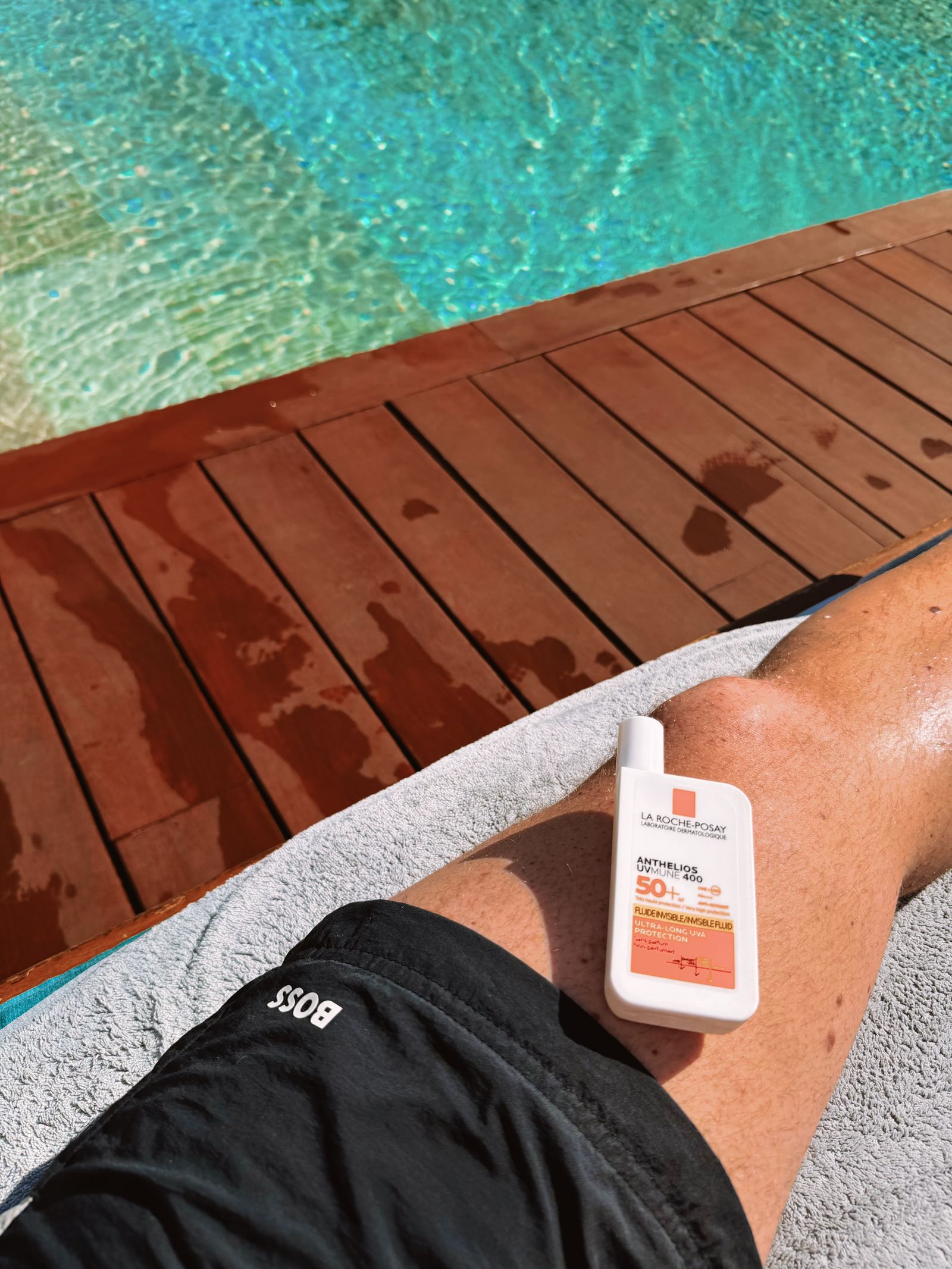
    UV rays can prematurely age your skin, leading to wrinkles and pigmentation. Daily sunscreen application is non-negotiable for healthy skin.

    Choosing the Right SPF

    Select a broad-spectrum SPF of at least 30. Don’t forget to reapply every two hours if you’re outdoors!

    Exfoliation for Radiance

    Types of Exfoliation

    Exfoliation can be physical (scrubs) or chemical (acids). While physical exfoliants can be too abrasive for sensitive skin, chemical exfoliants like AHAs and BHAs can provide a gentle yet effective alternative.

    How Often Should You Exfoliate?

    Aim for 1-2 times a week. Over-exfoliating can lead to irritation and damage your skin’s protective barrier.

    The Power of Serums

    What Are Serums?

    Serums are concentrated formulas designed to target specific skin concerns, such as dark spots or fine lines.

    Key Ingredients to Look For

    Vitamin C is fantastic for brightening, while retinol helps with aging. Choose serums based on your skin’s needs.

    Diet and Lifestyle Impact

    Foods for Healthy Skin

    A diet rich in antioxidants, vitamins, and healthy fats supports skin health. Incorporate fruits, vegetables, and omega-3 fatty acids for optimal results.

    Importance of Sleep and Stress Management

    Never underestimate the power of sleep! Aim for 7-9 hours per night, and practice stress management techniques like yoga or meditation to keep your skin glowing.

    Regular Skin Assessments

    When to See a Dermatologist

    If you notice persistent issues like acne or unusual spots, consult a dermatologist. Regular skin check-ups can catch problems early.

    Self-Assessment Tips

    Learn to identify changes in your skin’s texture or tone. This awareness will help you adapt your routine as needed.

    Consistency is Crucial

    Building a Routine

    Establish a daily skincare routine tailored to your skin type. Consistency is key to seeing improvements.

    Adapting to Changes in Skin

    Your skin’s needs may change with the seasons or as you age. Be ready to adjust your routine accordingly.

    Conclusion

    Flawless, glowing skin is achievable with the right knowledge and practices. By understanding your skin type, establishing a consistent routine, and making informed choices about products, you can enhance your natural beauty and maintain healthy skin for years to come.

    FAQs

    How often should I change my skincare products?

    It’s best to assess your skin every few months. If your skin is reacting negatively or if products aren’t working, consider switching.

    Can I use multiple products at once?

    Yes, layering products can be effective, but be mindful of ingredient compatibility to avoid irritation.

    What’s the best time to apply skincare products?

    Apply your products after cleansing, preferably on slightly damp skin to enhance absorption.

    Are natural products better for my skin?

    Not necessarily. It’s essential to consider ingredients and formulations rather than just the label.

    How long does it take to see results from a skincare routine?

    Typically, it can take 4-6 weeks to see noticeable results, depending on your skin type and concerns.

  • Dealing with Common Skincare Concerns: Solutions and Tips

    Dealing with Common Skincare Concerns: Solutions and Tips

    Introduction

    Dealing with common skincare concerns is essential for maintaining healthy and radiant skin. This article explores effective solutions and tips for addressing various skincare issues, ensuring you achieve your skincare goals with confidence.

    Understanding Acne and Breakouts

    Acne and breakouts can be caused by factors such as hormonal changes and excess oil production. Implementing a consistent skincare routine involving gentle cleansing and targeted treatments can help manage and prevent breakouts effectively.

    Managing Dry and Flaky Skin

    Dryness and flakiness often result from a lack of hydration and moisture in the skin. Using hydrating serums, moisturizers rich in ceramides, and incorporating gentle exfoliation can restore moisture levels and improve skin texture.

    Combatting Aging Signs

    Signs of aging, such as fine lines and wrinkles, require proactive skincare approaches. Utilizing retinoids, antioxidant-rich creams, and SPF protection can diminish signs of aging and promote youthful-looking skin.

    Treating Hyperpigmentation

    Hyperpigmentation, caused by sun exposure or hormonal changes, can be treated with ingredients like vitamin C, niacinamide, and exfoliating acids. Consistent use of these treatments and sun protection can help fade dark spots and achieve a more even complexion.

    Handling Sensitive Skin

    Sensitive skin reacts to harsh ingredients and environmental triggers. Opting for fragrance-free, hypoallergenic skincare products and patch testing new products can minimize irritation and maintain skin barrier integrity.

    Dealing with Oily Skin

    Excessive oil production can lead to clogged pores and acne. Balancing oily skin involves using oil-free moisturizers, salicylic acid-based cleansers, and mattifying products to control shine without stripping the skin.

    Addressing Uneven Skin Tone

    Uneven skin tone can be caused by sun damage or post-inflammatory hyperpigmentation. Incorporating brightening serums, gentle exfoliation, and SPF protection can help achieve a more radiant and uniform complexion.

    Managing Under-eye Circles

    Under-eye circles, caused by genetics or lack of sleep, can be treated with hydrating eye creams, cold compresses, and adequate rest. Using concealers with peach or salmon undertones can also camouflage dark circles effectively.

    Skincare Routine for Combination Skin

    Combination skin requires a tailored approach to address both dry and oily areas. Using a gentle cleanser, balancing toner, lightweight moisturizer for oily zones, and richer creams for dry areas can maintain balance and hydration.

    Conclusion

    Addressing common skincare concerns effectively is crucial for achieving healthy, glowing skin. By understanding the causes and implementing targeted solutions and tips, you can enhance your skincare routine and enjoy visible improvements in your skin’s appearance.


    4-6 Unique FAQs After The Conclusion

    1. What are the best skincare products for sensitive skin?
      • Look for products labeled hypoallergenic and fragrance-free, containing soothing ingredients like aloe vera and oat extract.
    2. How can I prevent breakouts without drying out my skin?
      • Use non-comedogenic products and gentle cleansers with salicylic acid or benzoyl peroxide, followed by oil-free moisturizers.
    3. What ingredients should I look for to combat aging signs?
      • Retinoids, peptides, hyaluronic acid, and antioxidants such as vitamin C and E are effective in reducing fine lines and wrinkles.
    4. Is it possible to treat hyperpigmentation naturally?
      • Natural remedies like licorice extract, kojic acid, and vitamin C can help lighten dark spots, but consistency and sun protection are key.
    5. How can I determine my skin type for choosing the right skincare products?
      • Assess your skin throughout the day: oily areas by midday and dryness after cleansing. This helps tailor your skincare regimen effectively.
    6. What daily habits can improve overall skin health?
      • Drink plenty of water, get sufficient sleep, maintain a balanced diet rich in antioxidants and omega-3 fatty acids, and always wear SPF sunscreen.