Tag: Sun Protection

  • 5 Common Skincare Mistakes That Could Be Ruining Your Skin

    5 Common Skincare Mistakes That Could Be Ruining Your Skin

    Introduction: Skincare Isn’t as Simple as It Seems

    Have you ever invested time and money into skincare, only to see minimal improvement—or worse, worsening skin? Often, the problem isn’t the products themselves but the common mistakes we make while using them. Skincare might seem simple, but there are hidden traps that can sabotage your results.

    Why Skincare Mistakes Are So Common

    The beauty industry is overflowing with information, and marketing constantly promotes “instant results.” This encourages the misconception that more products or more steps automatically equal better skin. In reality, the lack of proper knowledge and blindly following trends often causes more harm than good.

    The Hidden Reasons Behind Frequent Skin Problems

    Beyond genetics and environmental factors, poor skincare habits—like over-cleansing, neglecting sun protection, or misusing products—are major contributors to acne, sensitivity, and premature aging.


    Mistake 1: Over-Cleansing Your Skin

    Is Washing Your Face More Often Really Better?

    Many people believe that the cleaner your face, the healthier your skin. In fact, over-cleansing can damage your skin barrier, causing dryness, irritation, and even rebound oiliness.

    The Risks of Over-Cleansing

    • Compromised Skin Barrier: Natural oils protect your skin, and excessive washing strips them away.
    • Loss of Moisture: Frequent washing accelerates water loss, leaving skin tight and dehydrated.
    • Microbial Imbalance: Over-cleansing disrupts skin’s natural microbiome, increasing sensitivity and acne.

    How to Tell if You’re Over-Cleansing

    If your skin feels tight, stings, or produces excess oil soon after washing, it’s likely being over-cleansed.

    Proper Cleansing Methods and Frequency

    • Wash twice daily (morning and evening).
    • Use gentle cleansers suitable for your skin type.
    • Keep water temperature around 30–35°C to avoid irritation.

    Mistake 2: Neglecting Sunscreen

    The Hidden Dangers of UV Exposure

    UV rays not only cause tanning but also lead to dark spots, fine lines, and even skin cancer. Many people assume sunscreen is only necessary in summer, but UV exposure happens year-round.

    Sunscreen Isn’t Just for Summer

    Even on cloudy days or indoors near windows, UVA rays can penetrate glass and damage your skin. Daily sunscreen application is non-negotiable.

    How to Choose the Right Sunscreen

    • SPF: SPF 30 for daily use, SPF 50+ for prolonged outdoor activity.
    • PA Rating: PA++ or higher for effective UVA protection.
    • Texture: Choose light water-based formulas for oily skin and richer creams for dry skin.

    Tips for Building a Consistent Sunscreen Routine

    • Apply 20 minutes before going outside.
    • Reapply every 2–3 hours, especially after sweating or swimming.
    • Complement sunscreen with hats, sunglasses, and protective clothing for full coverage.

    Mistake 3: Misusing or Over-Mixing Skincare Products

    Risks of Layering Skincare Products Improperly

    Blindly layering multiple products doesn’t enhance results—it can irritate your skin. High concentrations of acids, vitamin C, or retinoids used together may compromise your skin barrier.

    Ingredients That Should Never Be Mixed

    • Vitamin C + AHA/BHA: Can cause excessive irritation.
    • Retinol + Salicylic Acid: May lead to dryness and flaking.
    • Multiple exfoliating products: Increases redness and sensitivity.

    How to Combine Skincare Products Safely

    • Identify basic products: cleanser, toner, moisturizer, sunscreen.
    • Use active ingredients at separate times (e.g., vitamin C in the morning, retinol at night).
    • Track your routine to avoid conflicts.

    Why a Consistent Skincare Routine Matters

    Following a structured routine—cleanse → tone → serum → moisturizer → sunscreen—helps maximize efficacy while minimizing risks. Adjust products according to skin type and season.


    Mistake 4: Ignoring Your Skin’s Water-Oil Balance

    The Myth of “Dry vs. Oily Skin”

    Many assume oily skin doesn’t need hydration and dry skin doesn’t need oil control. In reality, maintaining water-oil balance is critical for all skin types.

    Signs Your Water-Oil Balance Is Off

    • Excess oil or tight dryness.
    • Frequent breakouts, blackheads, or dull complexion.
    • Makeup smudging or uneven application.

    How to Restore Water-Oil Balance

    • Use gentle cleansers and moisturizers that address both hydration and oil control.
    • Incorporate hydrating masks and lightweight oil-control serums.
    • Avoid excessive exfoliation to prevent over-stimulation of oil glands.

    Recommended Habits and Products

    • Layer a lightweight lotion under a moisturizer for different skin zones.
    • Use water-based mists for on-the-go hydration and oil control.
    • Adjust skincare based on climate and seasonal changes.

    Mistake 5: Lack of Patience and Consistency

    Skincare Takes Time

    Skincare is not a “quick fix.” Constantly switching products in search of instant results can backfire and damage the skin.

    The “Change Products Quickly” Trap

    Many abandon products too soon after minor irritation or a short testing period. Skin typically requires 4–8 weeks to show noticeable improvement.

    How to Track Skincare Results Properly

    • Test each product for at least a month.
    • Record changes in breakouts, dryness, or oiliness.
    • Take photos to compare progress objectively.

    How to Build a Long-Term Skincare Plan

    • Set morning and evening routines and stick to them.
    • Adjust products seasonally or as your skin ages.
    • Maintain healthy lifestyle habits to complement skincare.

    Conclusion: Correct Skincare Starts with Awareness

    Skincare is both a science and an art. Avoiding common mistakes, understanding your skin type, and establishing a consistent, long-term plan are key to achieving healthy, radiant skin. Remember, effective skincare is an investment, not a quick fix.


    FAQs

    Q1: How Many Times Should I Wash My Face Daily?
    Twice daily—morning and night—is enough; over-washing can damage the skin.

    Q2: Can Sunscreen Replace a Makeup Primer?
    No. Sunscreen protects against UV rays, while primers shield from dust and improve makeup application.

    Q3: Can I Layer as Many Skincare Products as I Want?
    No. Incompatible ingredients may irritate skin; follow a scientific routine.

    Q4: How Can Sensitive Skin Avoid Skincare Mistakes?
    Use gentle, low-irritant products, avoid over-exfoliation, and don’t switch products too frequently.

    Q5: How Long Until Skincare Products Show Results?
    Most products need at least 4–8 weeks for visible results; patience is key.

    Q6: Do Oily Skin Types Need Moisturizer?
    Yes. Proper hydration helps regulate oil production and maintain balance.

  • Summer Sun Protection: Best Practices for Shielding Your Skin

    Summer Sun Protection: Best Practices for Shielding Your Skin

    As the warm rays of the sun beckon us outdoors during the summer months, it’s essential to prioritize the protection of our skin from the potentially harmful effects of ultraviolet (UV) radiation. The sun’s rays, while invigorating, can cause a range of skin issues, from premature aging to skin cancer. In this comprehensive guide, we’ll delve into the best practices for safeguarding your skin against the summer sun’s powerful embrace.

    Understanding Sun Exposure

    Before we dive into protective measures, it’s crucial to understand the types of UV rays that reach us and their implications. The sun emits UVA and UVB rays, both of which can cause damage to the skin. UVA rays penetrate deeply, leading to premature aging, while UVB rays primarily affect the outer layers, causing sunburn and contributing to skin cancer development.

    Selecting the Right Sunscreen

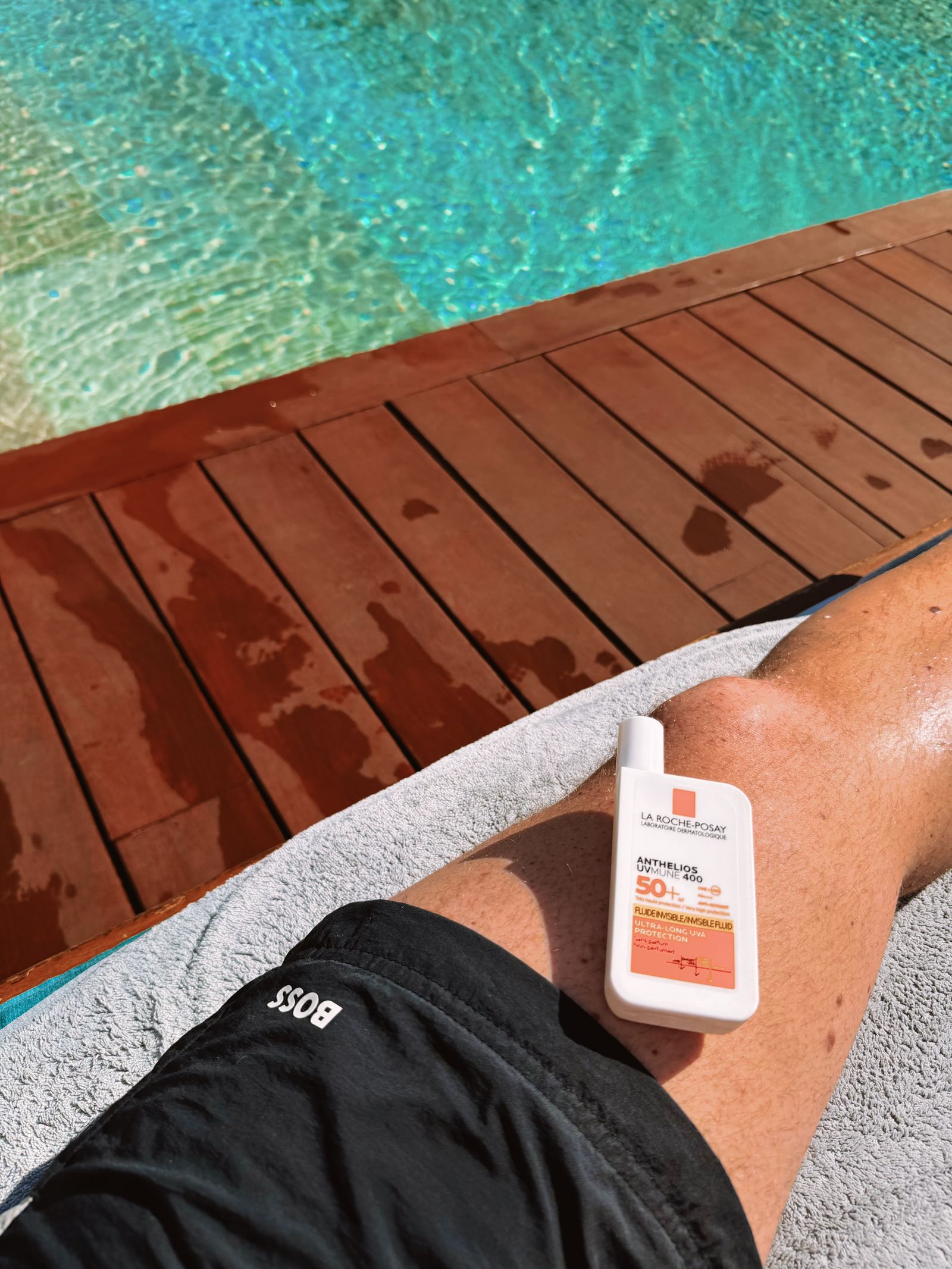
    The cornerstone of sun protection lies in choosing the right sunscreen. Look for products with a high Sun Protection Factor (SPF) rating and broad-spectrum protection. Broad-spectrum sunscreens shield your skin from both UVA and UVB rays, reducing the risk of sunburn and skin damage.

    Tailor your sunscreen choice to your skin type. If you have sensitive skin, opt for a mineral-based sunscreen containing zinc oxide or titanium dioxide. For oilier complexions, consider lightweight, non-comedogenic formulas.

    Dress for Protection

    Your clothing choices can significantly impact your sun protection efforts. When possible, wear long-sleeved shirts, wide-brimmed hats, and pants to cover exposed areas. Some fabrics offer built-in Ultraviolet Protection Factor (UPF), which enhances their ability to block harmful rays.

    Accessorize Wisely

    Accessorizing thoughtfully can provide added protection. Don a wide-brimmed hat to shield your face, ears, and neck from direct sun exposure. Don’t forget to wear sunglasses with UV protection to safeguard your eyes and the delicate skin around them.

    Seeking Shade

    While the allure of sunny days is undeniable, spending extended periods in direct sunlight isn’t the best choice for your skin. Seek out shaded areas, especially during peak sun hours between 10 a.m. and 4 p.m. Not only will this offer respite from the heat, but it will also minimize your UV exposure.

    Timing Matters

    Timing your outdoor activities wisely can make a substantial difference in your sun protection efforts. Outdoor enthusiasts should aim to plan their activities either early in the morning or later in the afternoon to avoid the harshest sun rays.

    Stay Hydrated

    Sun exposure can lead to dehydration, so staying well-hydrated is essential. Carry a water bottle with you and make a conscious effort to drink water throughout the day. Adequate hydration supports overall skin health and helps counteract the drying effects of the sun.

    Caring for Sunburns

    Even with the best intentions, sunburns can still occur. If you find yourself with sunburned skin, act promptly. Applying aloe vera gel can soothe discomfort, while over-the-counter pain relievers can help manage pain and inflammation. Severe sunburns warrant medical attention, so be attentive to your body’s signals.

    Long-Term Effects of Sun Damage

    It’s vital to recognize that the effects of sun damage extend beyond immediate discomfort. Prolonged sun exposure accelerates skin aging, leading to wrinkles, fine lines, and age spots. Moreover, it’s a significant contributor to skin cancer development. Protecting your skin now can have profound implications for your future well-being.

    Incorporating Sun Protection into Your Routine

    Make sun protection a non-negotiable part of your daily routine. Apply sunscreen as the last step of your skincare regimen, and consider using makeup products with built-in SPF for an added layer of defense. Consistency is key to maintaining healthy skin.

    Children and Sun Safety

    Children’s delicate skin requires extra care under the sun. Use child-friendly sunscreens with high SPF, and ensure they wear protective clothing. Teach them about the importance of sun safety from a young age to establish lifelong habits.

    Myths and Misconceptions about Sun Protection

    Dispelling common myths is essential for effective sun protection. Contrary to popular belief, even on cloudy days, UV rays can reach your skin. Additionally, a base tan does not provide substantial protection—relying solely on this notion can be dangerous.

    Conclusion

    In the pursuit of summer enjoyment, don’t neglect the well-being of your skin. Embrace these best practices for sun protection, and you’ll not only savor the season but also promote your long-term skin health. Shielding your skin from the summer sun’s intensity is an investment in your overall well-being.

    FAQs

    1. Can I skip sunscreen on cloudy days? No, UV rays can penetrate clouds, so sunscreen is essential even when it’s overcast.
    2. Is a base tan a safe way to protect my skin? No, a base tan provides minimal protection and can still lead to sun damage.
    3. What’s the difference between UVA and UVB rays? UVA rays penetrate deeply and contribute to aging, while UVB rays primarily cause sunburn.
    4. Can I use any sunscreen on my children? Opt for sunscreens designed for children, as they are formulated to be gentle on their skin.
    5. Is sunscreen necessary if I have darker skin? Yes, people with darker skin tones are still at risk of sun damage and should use sunscreen regularly.