Tag: Winter Skincare

  • Winter Skincare Tips: 7 Ways to Keep Your Skin Hydrated and Healthy

    Winter Skincare Tips: 7 Ways to Keep Your Skin Hydrated and Healthy


    Introduction

    Winter’s chill might be cozy for sweaters and hot cocoa, but it’s a nightmare for your skin. Ever wonder why your face feels tighter than your jeans after Thanksgiving dinner? That’s the cold, dry air sucking the life (and moisture) out of your skin.

    Your skin’s natural barrier is compromised during winter, thanks to low humidity, harsh winds, and indoor heating. So if you want to avoid the dreaded winter flake-fest, you need to upgrade your skincare game. Let’s break down seven science-backed, dermatologist-approved ways to keep your skin hydrated and healthy all winter long.


    Tip 1: Switch to a Hydrating Cleanser

    Avoiding Harsh Surfactants

    That foaming face wash you loved in summer? It’s probably your skin’s worst enemy right now. Harsh cleansers with sulfates strip your skin’s natural oils, leaving it dry and prone to irritation.

    Ingredients to Look for in a Winter Cleanser

    Instead, opt for gentle, non-foaming cleansers with ingredients like:

    • Glycerin – attracts moisture
    • Hyaluronic Acid – plumps and hydrates
    • Panthenol – soothes and repairs

    Think of it as the first line of defense: a cleanser that cleans without overdoing it.


    Tip 2: Layer Moisture, Don’t Just Slather It

    The Logic Behind the “Hydration Sandwich” Method

    Moisturising isn’t just about slapping on a thick cream. It’s about building layers—like a lasagna (yes, skincare can be deliciously complex). The “hydration sandwich” involves applying products in a specific order to seal in moisture.

    Step-by-Step Layering Technique

    1. Start with a damp face (mist or toner works)
    2. Apply a humectant like hyaluronic acid
    3. Follow with a nourishing serum or lightweight lotion
    4. Seal everything with a rich moisturiser or facial oil

    Best Types of Humectants, Emollients, and Occlusives

    • Humectants: Hyaluronic Acid, Glycerin
    • Emollients: Squalane, Jojoba Oil
    • Occlusives: Petrolatum, Shea Butter

    Get these right, and your skin will stay bouncy and hydrated, not tight and flaky.


    Tip 3: Use a Humidifier Indoors

    Combatting Indoor Heating and Dry Air

    Central heating might feel heavenly, but it’s a silent skin-killer. It zaps moisture from the air—and your skin.

    How a Humidifier Supports Your Skin Barrier

    A humidifier maintains indoor humidity between 40–60%, creating a skin-friendly environment. Your barrier function stays intact, meaning fewer cracks, less redness, and no more flaking like a croissant.


    Tip 4: Upgrade to a Richer Moisturiser

    When Your Lightweight Lotion Won’t Cut It

    That featherweight gel moisturiser? Leave it for spring. In winter, your skin needs a richer, more emollient formula to fight moisture loss.

    Ingredients That Lock in Moisture

    Look for these all-stars:

    • Ceramides – strengthen the skin barrier
    • Squalane – mimics your skin’s natural oils
    • Shea Butter – deeply nourishing and occlusive
    • Niacinamide – reduces inflammation and enhances hydration

    Pick a cream that feels luxurious without clogging your pores.


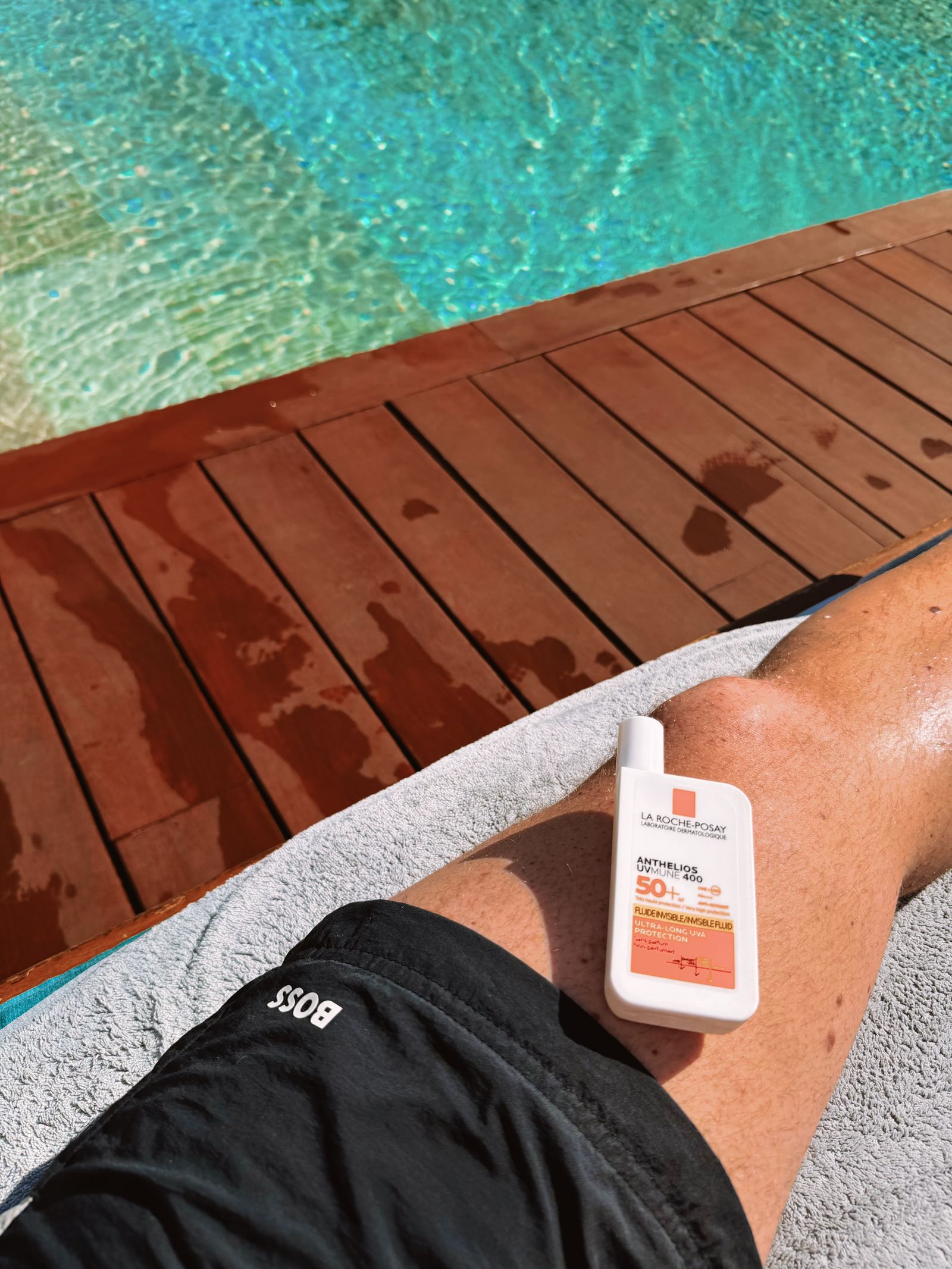
    Tip 5: Don’t Skip SPF—Yes, Even in Winter

    Why UV Rays Are Still Harmful in Cold Months

    Just because it’s cloudy doesn’t mean you’re safe. Up to 80% of UV rays penetrate clouds and bounce off snow, increasing your exposure.

    Choosing a Sunscreen That Suits Dry Winter Skin

    Go for sunscreens that double as moisturisers. Look for:

    • Zinc Oxide or Titanium Dioxide – for gentle mineral protection
    • Hydrating formulas – with aloe, hyaluronic acid, or vitamin E

    Wearing SPF daily is non-negotiable—no matter the season.


    Tip 6: Exfoliate—But Do It Gently

    The Right Balance: Removing Flakes vs. Damaging the Skin

    Flaky skin makes you want to scrub it off, right? Don’t. Over-exfoliating damages the skin barrier, leading to more dryness.

    Recommended Exfoliation Frequency in Winter

    Once a week is enough for most people. Sensitive skin? Try once every 10 days.

    Best Exfoliating Ingredients for Sensitive Winter Skin

    • Lactic Acid – hydrating AHA that gently resurfaces
    • PHA (Polyhydroxy Acids) – mild, ideal for reactive skin
    • Enzymes – like papain and bromelain, from fruits

    Less is more when it comes to winter exfoliation.


    Tip 7: Nourish from Within

    Hydration Starts Internally: Drink More Water

    Your skin reflects your internal hydration status. Drink at least 2 litres of water daily—and don’t forget herbal teas or warm lemon water as winter-friendly options.

    Skin-Loving Foods for Winter

    What you eat matters. Focus on:

    • Omega-3s (salmon, walnuts, chia seeds) for barrier support
    • Antioxidants (berries, leafy greens) to fight inflammation
    • Vitamin C and E – for skin repair and glow

    Your skincare routine starts on your plate.


    Bonus Tips: Extra TLC for Lips, Hands, and Feet

    Why These Areas Suffer the Most

    They’re exposed, have fewer oil glands, and often neglected. No wonder they’re the first to crack.

    Barrier-Repairing Treatments for Neglected Zones

    • Lips: Use balms with lanolin or beeswax, and avoid licking
    • Hands: Apply hand cream after every wash; wear gloves outdoors
    • Feet: Apply thick cream at night and wear cotton socks to lock it in

    Conclusion

    Winter skincare isn’t just about avoiding dryness—it’s about preserving your skin’s health and glow year-round. With the right strategies—hydrating cleansers, proper layering, richer moisturisers, and internal nourishment—you can face winter head-on with skin that’s smooth, supple, and radiant. Remember, consistency is your best friend in the battle against cold-weather skin woes.


    FAQs

    Can I use my summer skincare products in winter?

    Not all of them. You’ll likely need to swap lighter products for richer, more hydrating options to meet winter’s demands.

    What’s the best time to apply moisturiser during winter?

    Right after cleansing or showering—when your skin is still damp—to lock in moisture more effectively.

    Is it okay to exfoliate more to remove flaky skin?

    No—over-exfoliating can worsen dryness and irritation. Stick to once a week or less.

    Are natural oils good substitutes for moisturisers?

    They’re great as occlusives but not hydrators. Use them to seal in moisture after applying a water-based product.

    How do I prevent chapped lips in winter?

    Avoid licking your lips, use a nourishing balm with lanolin or shea butter, and exfoliate gently once a week.

    Should I change my skincare routine if I have oily skin in winter?

    Yes. Even oily skin can get dehydrated. Use gel-based hydrators and non-comedogenic moisturisers to maintain balance.

  • Winter Skincare Survival: Hydration Tips for Cold Weather

    Winter Skincare Survival: Hydration Tips for Cold Weather

    Introduction

    As the chilly winds and dropping temperatures of winter arrive, so do the challenges of maintaining healthy, hydrated skin. The colder months often bring dryness, flakiness, and a dull complexion, making it crucial to adapt our skincare routines to combat these woes effectively.

    Understanding Winter Skin Woes

    Cold weather can wreak havoc on our skin, robbing it of essential moisture. This leads to a range of skin problems, including tightness, redness, and even painful cracks. The lack of humidity in the air during winter further exacerbates these issues, making hydration strategies paramount.

    The Role of Hydration in Skincare

    Hydration isn’t just about drinking water; it’s also a cornerstone of healthy skin. Well-hydrated skin is not only more supple and plump but also better equipped to protect itself from external aggressors. Proper hydration ensures that the skin’s barrier function remains intact, preventing moisture loss and maintaining a radiant complexion.

    Choosing the Right Winter Moisturizer

    Selecting an appropriate winter moisturizer is pivotal. Look for ingredients like hyaluronic acid and glycerin, which attract and retain moisture. Cream-based moisturizers offer a thicker barrier, while lotions are lighter and more suitable for oilier skin types. Don’t forget the SPF; even in winter, UV rays can damage your skin.

    Crafting Your Winter Skincare Routine

    Gentle cleansing is essential, but avoid harsh products that strip away natural oils. Integrate serums and treatments into your routine to address specific concerns like fine lines and dullness. Layering products can lock in moisture effectively, with the rule of thumb being to apply thinnest to thickest.

    Lifestyle Habits for Hydrated Skin

    Hydration starts from within. Drinking ample water supports your skin’s moisture levels. Introducing a humidifier indoors helps counteract the dry air produced by heaters. While tempting, hot showers can strip your skin of its natural oils, so opt for lukewarm water instead.

    Targeted Skincare for Problem Areas

    Facial skin demands special attention. Choose a gentle cleanser and use a hydrating mask weekly. For hands, apply a rich cream and wear gloves in cold weather. Don’t neglect your lips—use a nourishing balm to prevent chapping.

    DIY Skincare Remedies for Winter

    Kitchen staples can rescue your skin. Create masks from yogurt and honey for hydration, and use sugar scrubs to exfoliate gently. Natural oils like coconut and jojoba make excellent moisturizers.

    Protecting Your Skin in Harsh Conditions

    Shielding your skin in extreme weather is essential. Apply a protective layer of moisturizer before heading out into cold, windy conditions. Regular exfoliation removes dead skin cells, allowing your moisturizer to penetrate effectively.

    Glowing Skin Even in Winter

    Radiant skin is achievable with the right approach. Opt for a moisturizing foundation or BB cream for makeup that doesn’t dry your skin. Highlighter can add a touch of luminosity.

    Conclusion

    Winter skincare demands attention to detail and adjustments to your routine. By prioritizing hydration, choosing suitable products, and maintaining good habits, you can keep your skin healthy and glowing throughout the coldest months.

    FAQs About Winter Skincare

    1. How often should I apply moisturizer during winter? Regularly moisturize at least twice a day, especially after cleansing.
    2. Can I use the same skincare products year-round? It’s wise to adjust your routine based on seasonal needs, as winter demands extra hydration.
    3. Are there any specific foods that promote winter skin hydration? Yes, foods rich in omega-3 fatty acids, like salmon and walnuts, support skin health.
    4. Should I exfoliate more frequently in cold weather? Stick to your usual exfoliation routine, typically 1-2 times a week, to avoid overdoing it.
    5. What’s the ideal nighttime skincare routine for winter? Cleanse, apply a hydrating serum, moisturize, and consider using a thicker night cream for added nourishment.