Skincare for Dry Indoor Air: A Practical Routine for Heated Rooms
Skin can feel comfortable during a cold walk and become tight only after several hours in a heated office or bedroom. Indoor air changes the equation: warmth lowers relative humidity, moving between temperatures can increase flushing, and frequent handwashing adds another source of dryness. The solution is not to mist the face every twenty minutes. It is to reduce water loss with a routine and environment that work together.
Identify Where the Dryness Begins
Notice the timing. Tightness immediately after cleansing points toward water temperature, cleanser, or technique. Discomfort that appears late in the workday may relate more to indoor air. Flaking around the mouth can be aggravated by lip licking, tissues, or active products, while irritation near a radiator may improve simply by moving the chair.
Persistent cracking, intense itching, bleeding, or a spreading rash deserves professional assessment. Ordinary seasonal dryness should improve with sensible care rather than becoming progressively painful.
Shorten the Morning Routine
Dry skin may not need a full morning cleanse. A lukewarm rinse followed by moisturizer can be sufficient, especially when the face was cleansed the night before. If oil or overnight treatment needs removal, use a mild cleanser briefly and rinse well.
Apply moisturizer while the skin is slightly damp. A lotion may work under makeup; a cream may suit bare-skin days. Follow with broad-spectrum sunscreen. Sun protection remains relevant through windows, commutes, and winter outdoor time.
Make Evening Cleansing Efficient
Remove makeup and resistant sunscreen without prolonged rubbing. A cleansing balm or oil can loosen them, followed by a gentle cleanser if necessary. Use soft fingertips rather than a brush or textured cloth.
Hot water feels appealing in cold weather but can leave skin less comfortable. Keep showers and face washing lukewarm, and pat dry. If the face feels squeaky, the cleanse has probably gone farther than required.
Use Hydration and Moisturizer as a Pair
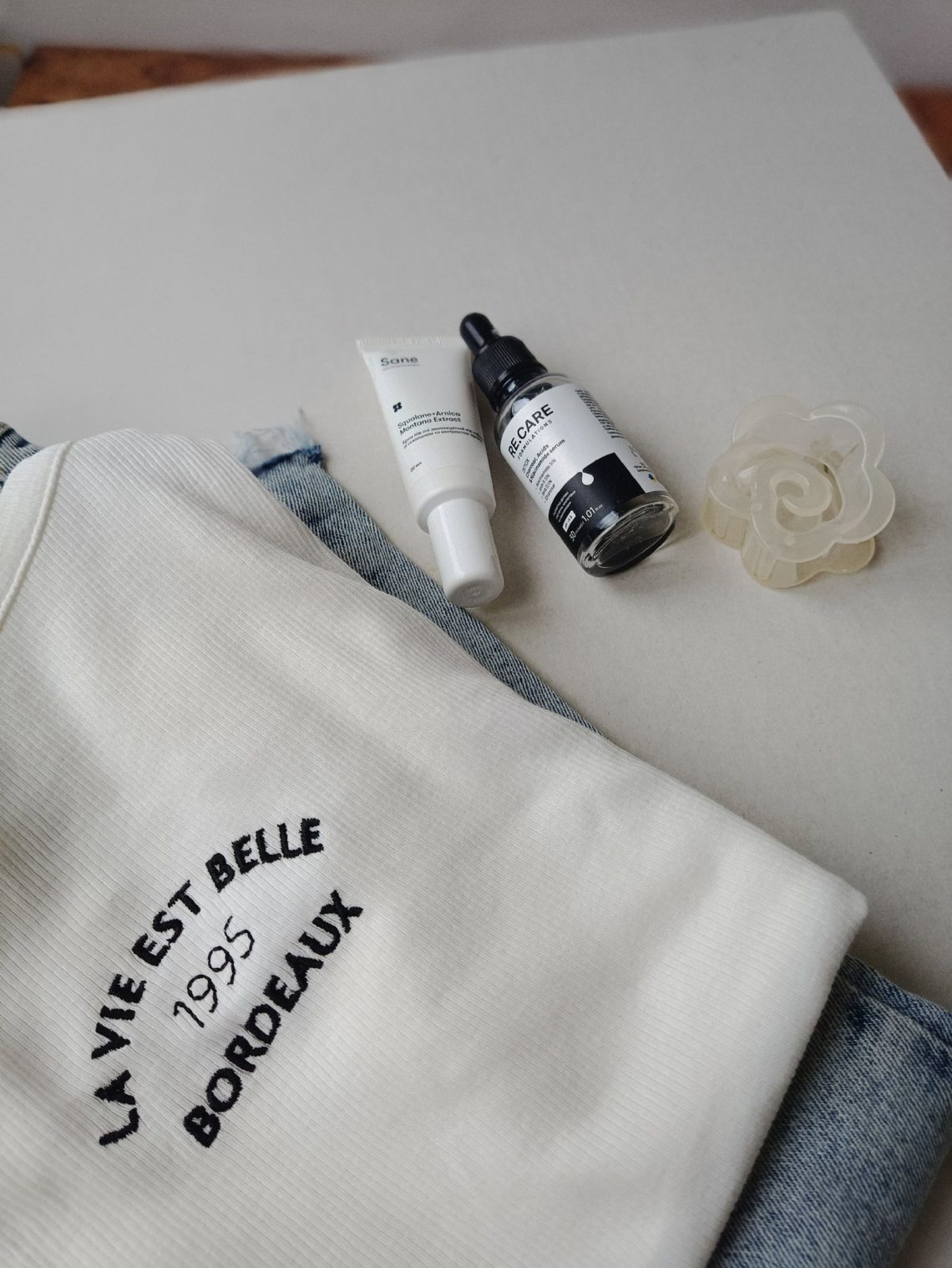
A hydrating serum with glycerin, panthenol, beta-glucan, or hyaluronic acid can add comfort, but it is not always a complete final step in dry air. Apply it to damp skin and follow with moisturizer to reduce evaporation.
If you prefer fewer products, choose a moisturizer that already combines humectants with emollients and barrier-supporting lipids. Ceramides, squalane, fatty acids, and cholesterol are common options. Formula and tolerance matter more than assembling every fashionable ingredient.
Add an Occlusive Layer Selectively
For recurring dry patches, press a tiny amount of plain ointment over moisturizer at night. Focus on areas such as the corners of the nose or lips rather than automatically covering the entire face. This reduces water loss and protects against friction.
Do not trap retinoids, exfoliating acids, or other potentially irritating treatments under an ointment unless directed by a professional. Occlusion can intensify their effect.
Reconsider the Active Schedule
A routine tolerated in humid weather may become too demanding once heating begins. Reduce the frequency of retinoids or exfoliants at the first persistent signs of stinging and flaking. Pause them if plain moisturizer burns.
When comfort returns, restart one active at a time. Applying a retinoid to fully dry skin and using it less often may be more sustainable than cycling between daily use and repeated irritation.
Treat Hands and Lips as Part of the Routine
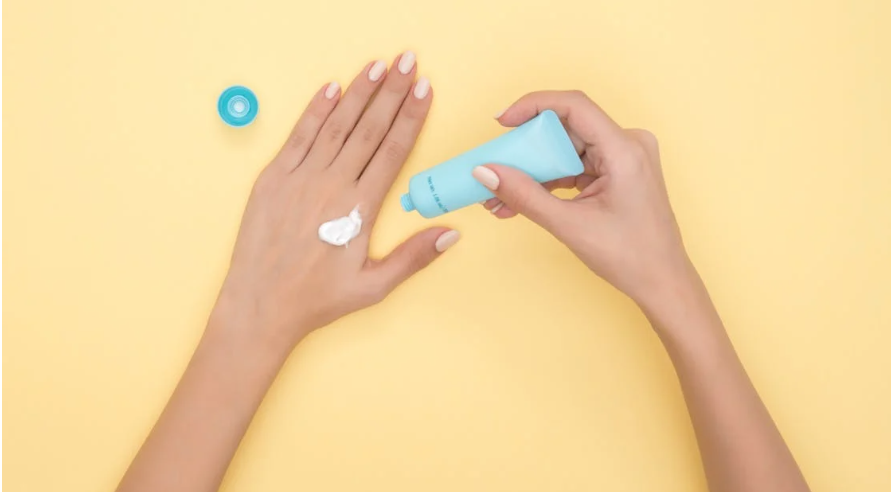
Place hand cream beside the sink and apply it after washing. At night, use a richer layer on knuckles and cuticles. Gloves protect against outdoor wind and cleaning products; damp gloves should be changed rather than worn for hours.
For lips, choose a bland balm and reapply before they feel cracked. Habitual licking provides brief relief followed by more evaporation. Persistent cracking at the corners of the mouth may have causes beyond dryness and should not be self-treated indefinitely.
Manage the Room, Not Just the Face
A humidifier can help when used correctly, but it must be cleaned and refilled according to its instructions. Measure room humidity if possible rather than making the room excessively damp, which can encourage mold and dust mites.
Move beds and desks away from direct heating vents. Lowering an overheated room slightly may improve sleep and skin comfort. Air the room as appropriate for the climate and building.
Keep Desk-Side Care Simple
A small hand cream and lip balm are usually more useful than a collection of facial mists. If the face becomes tight during the day, a mist alone can evaporate quickly. Pressing a tiny amount of moisturizer onto a dry patch may help, but applying it over makeup requires a light hand.
The most effective office strategy often happens before arrival: adequate moisturizer, sunscreen, and makeup that is not excessively powdered.
Adjust Makeup to the Room
Dry air can make long-wear foundation and repeated powder touch-ups increasingly visible. Use a flexible base in thin layers and reserve powder for the nose, forehead, or other areas that genuinely need it. Cream blush may remain more comfortable than several layers of powder color. If makeup separates over a dry patch, press the edge smooth before adding a pinpoint of concealer; covering the area repeatedly usually emphasizes it.
Clean brushes also matter. Old product in the bristles can make blending rougher and encourage another layer to compensate. A simple, well-prepared base often wears more gracefully indoors than a routine designed to resist summer humidity.
Dry indoor air is an ongoing condition, so the routine should be repeatable rather than dramatic. Cleanse gently, moisturize on damp skin, protect vulnerable areas, adjust active products, and improve the immediate environment. Comfort usually comes from these ordinary steps performed consistently—not from a different rescue product every afternoon.