Holiday Beauty Preparation Without the Last-Minute Overhaul
An upcoming celebration can make ordinary routines feel suddenly inadequate. New skincare appears tempting, a dramatic haircut seems overdue, and every makeup tutorial suggests another product. The week before an event is a poor time to test how much change your skin, hair, and schedule can tolerate. Preparation works better when it protects what is already reliable and leaves room for one or two deliberate choices.
Work Backward From the Event
Write down the practical details: time, location, dress code, travel, expected weather, and how long you need the look to last. An afternoon gathering at home requires different preparation from an evening event reached after a flight.
Decide when you will wash and style hair, how much getting-ready time is realistic, and what needs to travel. A simple timeline prevents small tasks—washing brushes, sharpening pencils, checking tights—from clustering on the final afternoon.
Keep Skincare Familiar
Continue the cleanser, moisturizer, and sunscreen that already suit your skin. Avoid introducing a strong peel, retinoid, or unfamiliar facial treatment immediately before the event. Even a well-reviewed product can cause irritation when the timing leaves no recovery margin.
If skin feels dry, emphasize gentle cleansing and consistent moisturizer. If a blemish appears, use a treatment you have tolerated before rather than squeezing it or layering several aggressive formulas.
Book Services With Recovery Time
Haircuts, color, waxing, threading, facials, and nail appointments should be scheduled according to how your body usually responds. If brows remain red for a day after shaping, do not book the service an hour before photographs. If a new haircut takes several washes to feel natural, allow that time.
Communicate clearly with the professional and avoid dramatic changes made only because the calendar creates pressure. A routine trim or familiar color is easier to predict than a new cut, new formula, and new stylist at once.
Test the Complete Makeup Together
A foundation, sunscreen, and primer may perform well separately but pill when layered. Test the full face on a normal day, using the same tools and approximate timing planned for the event. Wear it for several hours and check it in daylight, indoor light, and photographs.
Note where makeup moves first. Adjust that step rather than rebuilding the entire routine. Less foundation around glasses, more eye primer, or a different lip preparation may solve the issue.
Choose One Point of Emphasis
A polished look does not require dramatic eyes, sculpted cheeks, glitter, and a bold lip simultaneously. Select the feature that suits the outfit and your comfort: perhaps a rich lipstick, softly reflective eyes, or luminous skin.
Build the rest of the face to support it. A strong lip may need defined lashes and quiet shadow; a detailed eye can pair with a muted lip. This choice also makes the touch-up kit smaller.
Prepare Tools and Products
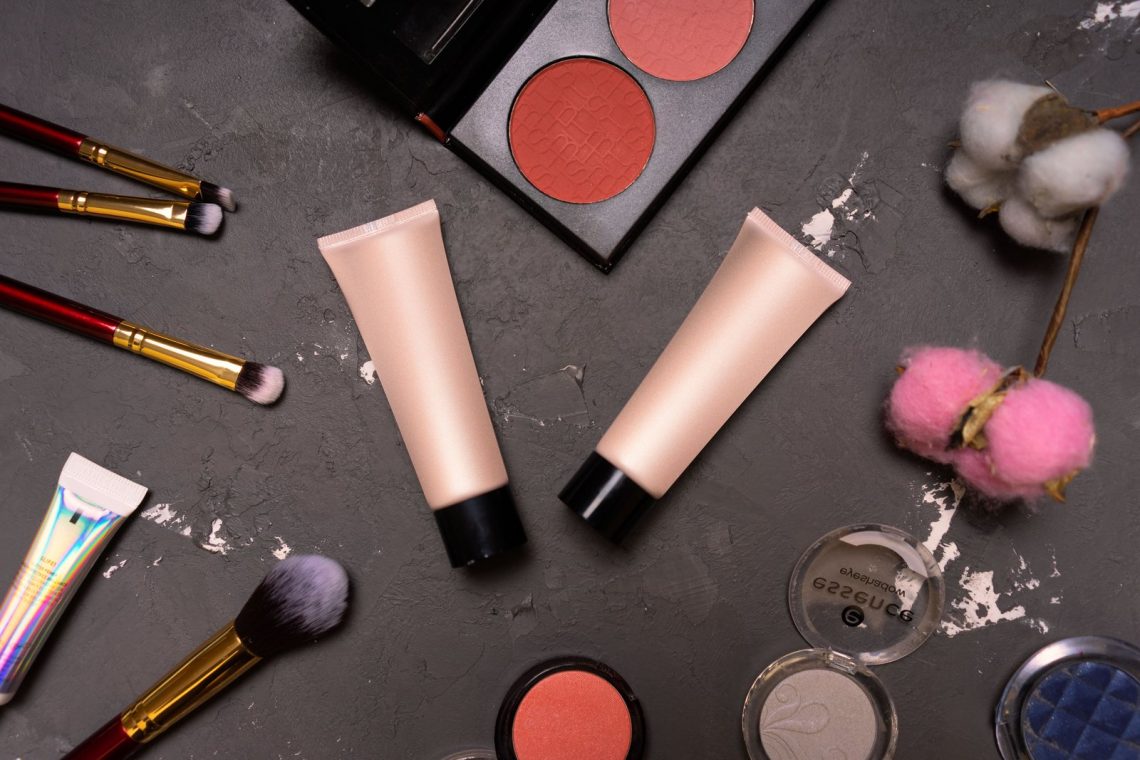
Wash brushes and sponges early enough to dry completely. Sharpen pencils, clean the eyelash curler, and confirm that mascara, liner, and lash adhesive have not dried out. Check packaging for loose caps or pumps that leak in a bag.
Lay products in application order. This reveals missing essentials and duplicate extras. If false lashes are planned, practice once and trim them in advance rather than opening the package while dressed.
Look After Hair Without Overloading It
Use the washing schedule that normally gives your best result. A clarifying shampoo, heavy mask, or new oil can change texture unexpectedly. If the style relies on hold, test the product quantity beforehand; too much can make hair stiff or difficult to restyle.
For travel, pack pins, a small brush, and the one styling product most likely to be useful. A complicated emergency kit rarely compensates for a style that was uncomfortable from the start.
Make Hands and Nails Presentable, Not Perfect
Regular hand cream and cuticle care can improve the appearance of hands without a last-minute intervention. Choose nail color based on how much maintenance you are willing to do. A sheer neutral hides minor wear; a dark shade makes chips more visible but may provide the contrast you want.
Bring the polish for repairs only if it is practical. Otherwise, a clean short nail with clear or no polish is better than hurried color applied minutes before leaving.
Pack a Focused Touch-Up Kit
Include lip color, a small mirror, blotting papers or tissue, concealer, and any item specific to the look, such as lash adhesive. Add practical non-beauty items: tissues, a hair tie, pain relief you normally use, and bandages for shoes.
Do not carry the complete makeup bag. Touch-ups are easier when the necessary product can be found quickly.
Plan for Photographs Without Dressing for the Camera Alone
Phone cameras, flash, and warm indoor lighting can flatten color or increase shine, but the makeup still needs to look comfortable in conversation. Take a few test photographs from different distances during the trial run. Check foundation shade at the jaw, the visibility of blush, and whether reflective products create unexpected bright spots.
Do not respond by adding strong contour everywhere. A little more cheek color or clearer lash definition is often enough. The best event makeup works both in a picture and when someone is standing beside you.
Leave Time to Get Dressed Calmly
Build in ten quiet minutes at the end. Use them to check teeth, remove makeup from clothing edges, secure jewelry, and take a photograph in normal light. If something feels excessive, edit one element instead of rushing to balance it with another.
Holiday preparation should reduce uncertainty, not create a temporary second job. Familiar skincare, one tested makeup plan, clean tools, and a small repair kit provide more confidence than a complete last-minute makeover. The result still feels special because the choices are deliberate—and because you have enough time left to enjoy where you are going.